



Dark Walnut Tripod Table
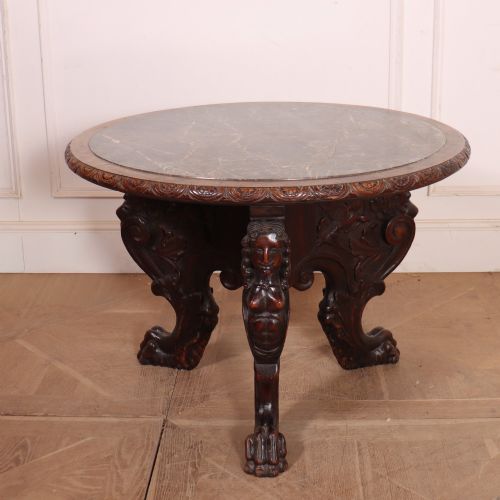
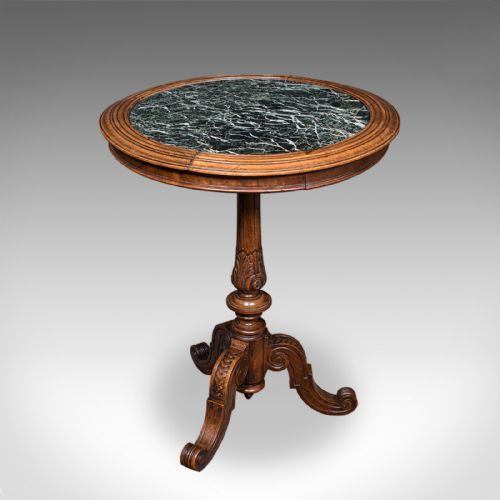
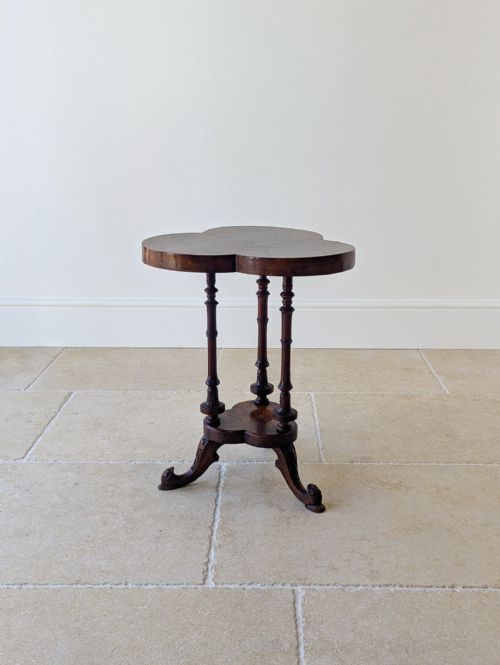
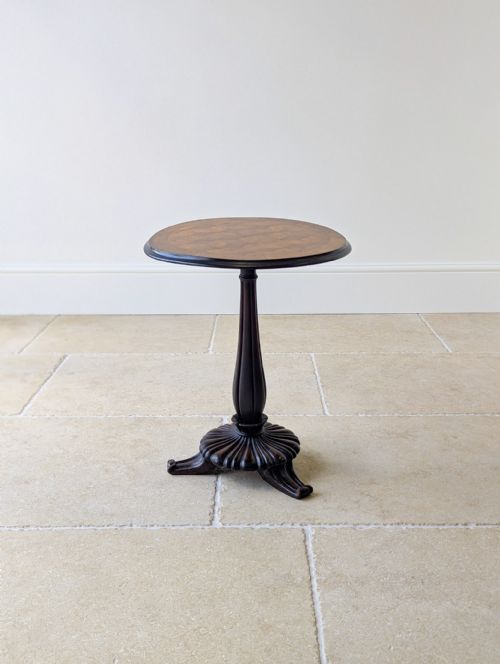
A dark walnut tripod table brings rich grain and a stable three-legged pedestal to a corner or bedside.
Dark Walnut Tripod Table
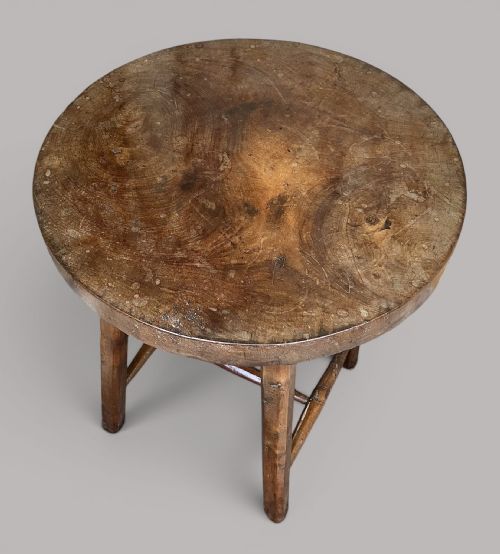
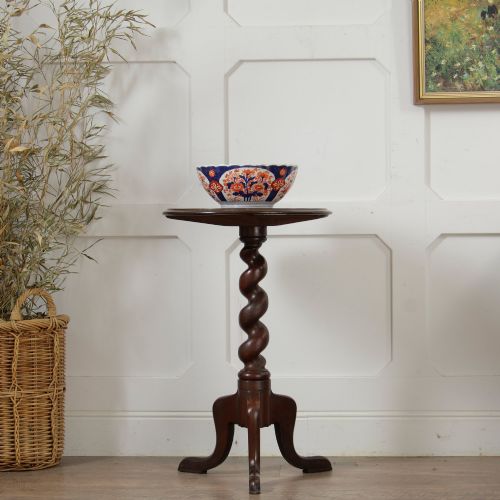
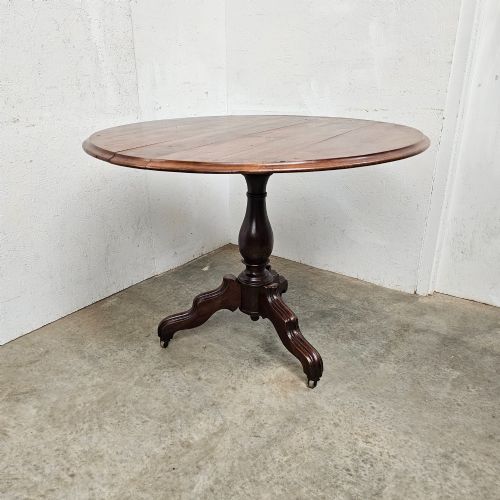
When you search for a dark walnut tripod table, you encounter small occasional surfaces raised on single central pedestals with three supporting feet. These pieces primarily date from the Georgian and Victorian periods, alongside later examples from the early twentieth century.
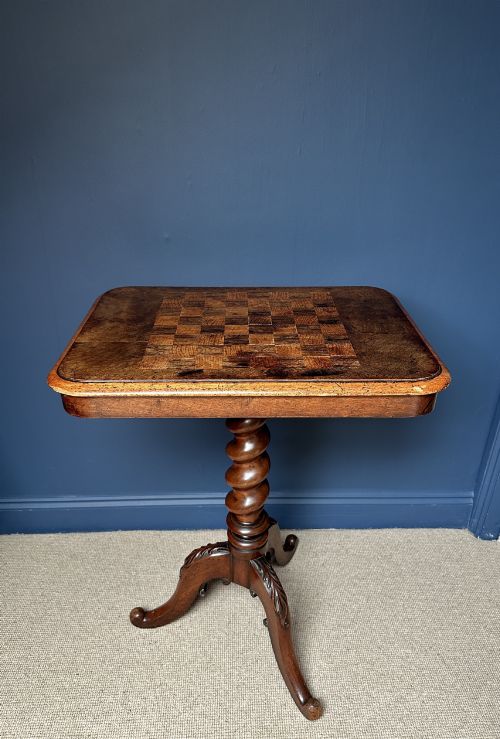
The selections here encompass diverse forms including wine tables, lamp tables, tilt-top tables, and games boards. Solid walnut and burr walnut dominate the construction, frequently paired with mahogany or fruitwood.
Origin styles range widely across these listings, taking in English craftsmanship, French provincial work, and Italian marquetry. Buyers select them to serve functional roles in sitting rooms and hallways while introducing deep timber tones.
What varies in quality
The distinction between standard examples and finer pieces lies in the choice of timber and the execution of the carving or inlay. Burr walnut veneers show rich figuring, while secondary woods and simple turned pillars indicate more utilitarian production.
Mechanism refinement also separates the work, such as the snug fit of a tilt-top mechanism or the precision of inlaid chess boards and marquetry panels.
The site's listings span the Georgian, Victorian, and Edwardian periods, utilising walnut, burr walnut, mahogany, marble, and fruitwood.
Holland and Son
The Dark Walnut Tripod Table Glossary
- Burr walnut
- Wood taken from a tree growth or burl, yielding intricate, swirling grain patterns. It is prized for decorative veneer work on tabletops.
- Tilt-top
- A tabletop hinged to the pedestal so it can swivel vertically for storage against a wall. This mechanism is common on nineteenth-century examples.
- Marquetry
- Decorative patterns formed by fitting together thin veneers of different coloured woods. Italian and English makers applied this technique to tabletop surfaces.
- Barley twist
- A carved column shape resembling a twisted rope. This detail appears frequently on Victorian pedestals.
- Teapoy
- A small stand or box originally designed to hold tea caddies. These pieces often share the pedestal form found in tripod tables.
Dark Walnut Tripod Table: Frequently Asked Questions
What is a dark walnut tripod table used for?
These tables function as convenient surfaces for lamps, drinks, or decorative objects in living spaces and hallways. Their compact footprint allows them to sit beside chairs or in narrow corners.
Tilt-top variants also permit the table to be folded flat and pushed against a wall when floor space is required.
How do I identify a Victorian tripod table?
Victorian examples often display heavier carving, barley twist columns, or elaborate burr walnut veneers. They frequently incorporate functional elements like chess boards or swivel tops.
Earlier Georgian pieces tend to show simpler lines and primitive solid walnut construction.
Are these tables made of solid walnut?
The evidence shows a mix of solid walnut and burr walnut, alongside pieces that combine walnut with mahogany or fruitwood. Veneers were widely utilised on tabletops to display decorative grain patterns.
Secondary woods form the underlying structure while walnut provides the primary visible surfaces.
Where were these tables made?
The listings include pieces originating from English workshops, French provincial makers, and Italian cabinetmakers. Regional styles range from simple vernacular forms to highly decorated marquetry.
Maker stamps occasionally identify specific firms such as Holland and Son.