


Dark Walnut Shelving
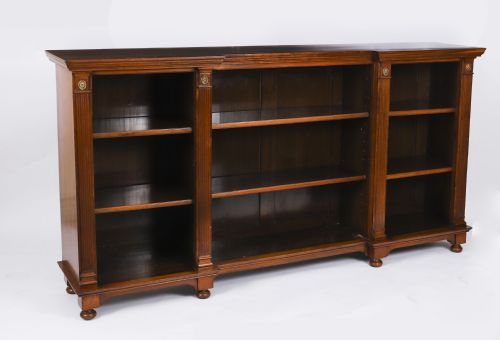
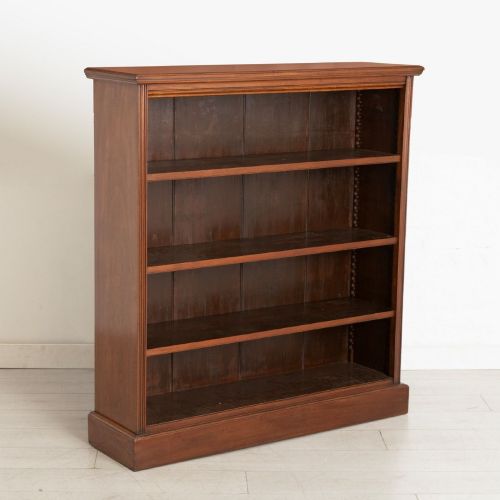
Dark walnut shelving brings rich, sombre tones and dependable utility to a room, ranging from tiered corner whatnots to substantial open bookcases.
Dark Walnut Shelving
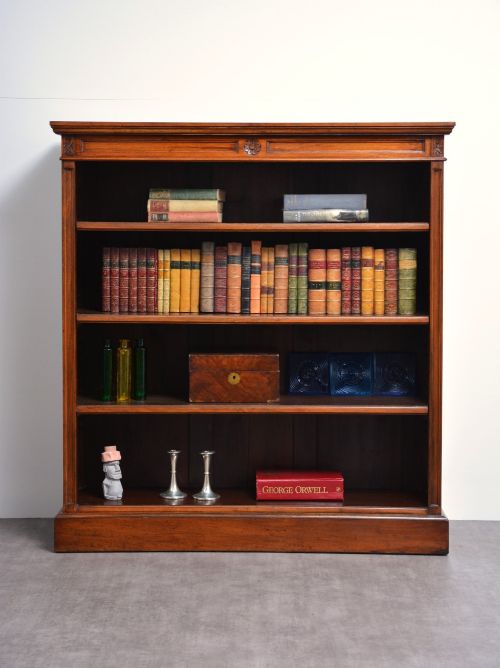
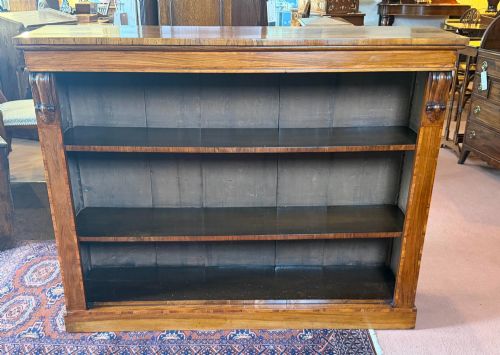
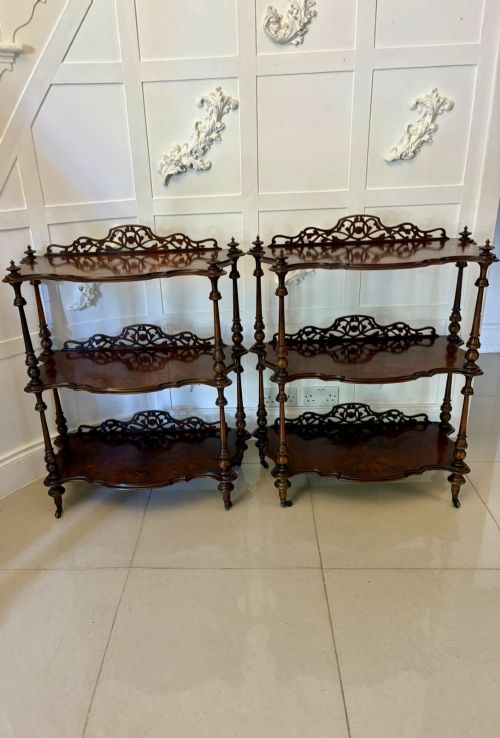
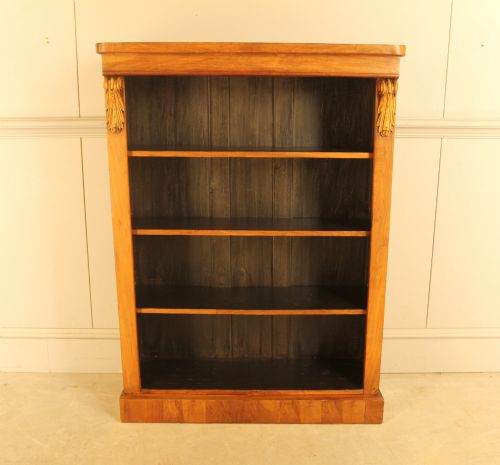
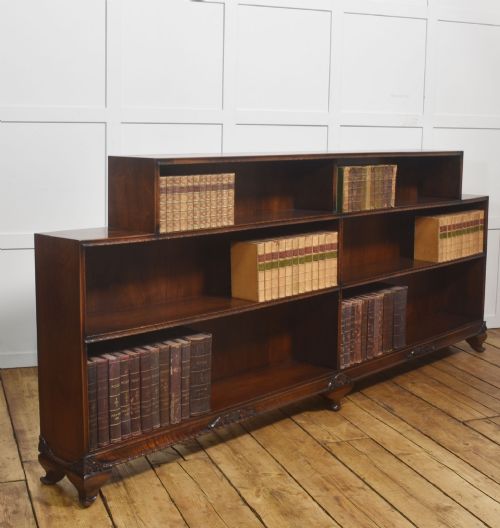
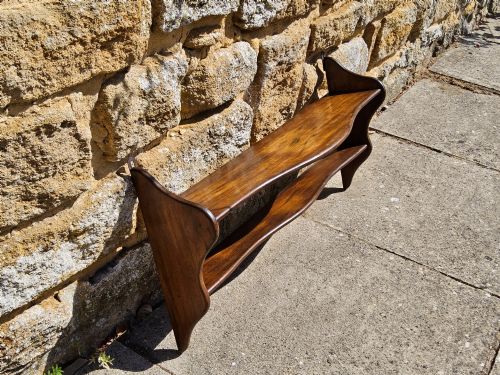
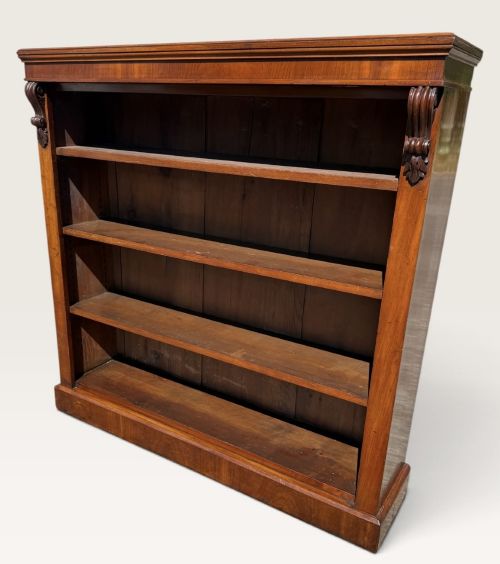
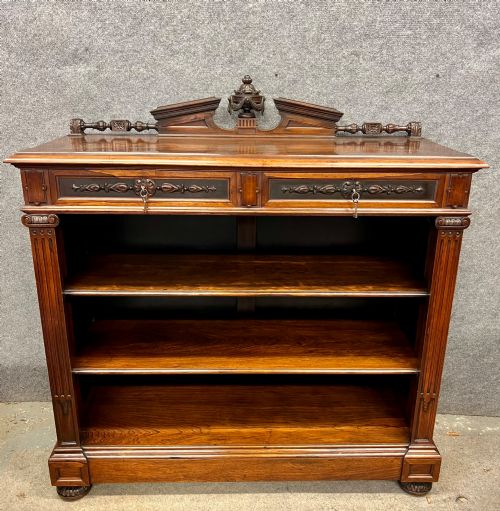
When you search for dark walnut shelving, you encounter a variety of functional storage pieces originating principally from the nineteenth and early twentieth centuries. These range from open bookcases and hanging wall cabinets to multi-tiered whatnots and etageres designed for display.
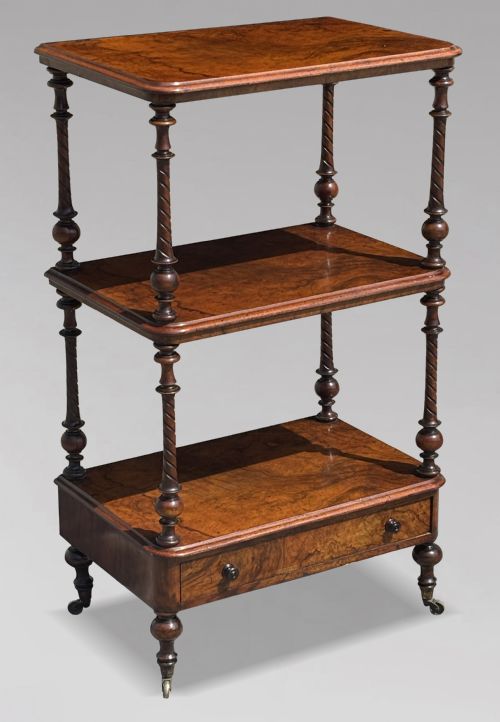
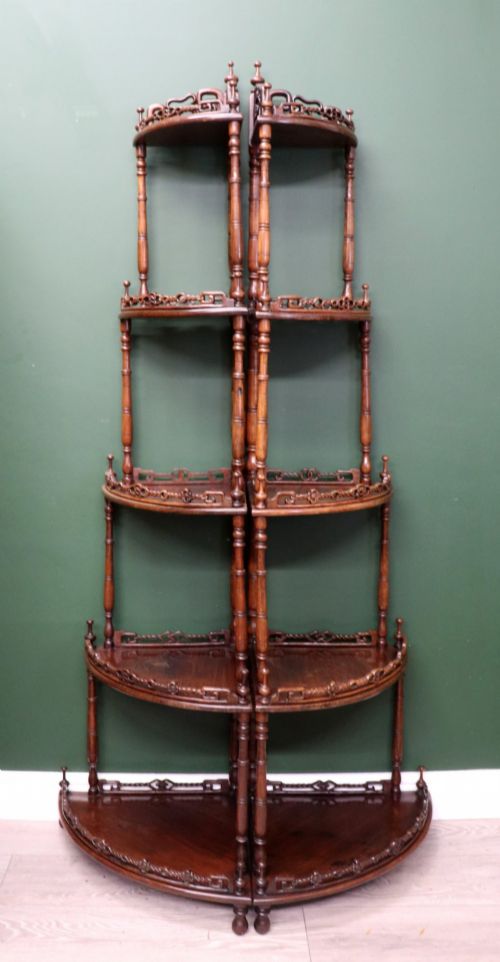
The version you are most likely to meet on this page is the Victorian open bookcase or tiered whatnot in dark walnut. These examples often incorporate adjustable shelves, brass fittings, or carved details suited to period and vernacular interiors.
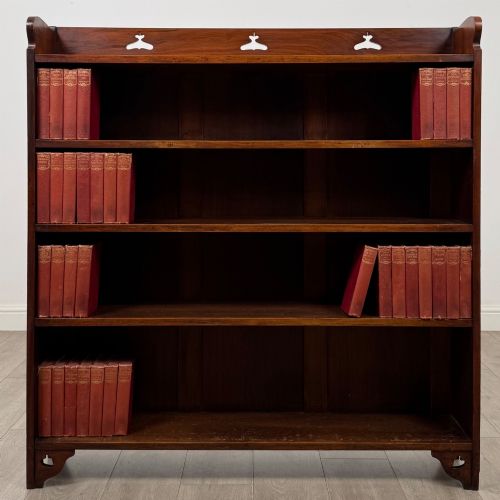
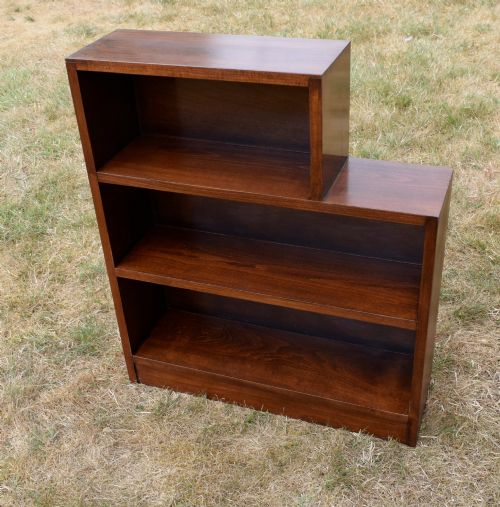
Beyond standard bookcases, the selection includes specialised forms such as corner shelves, wall-mounted display units, and stacking bookcases reflecting Arts and Crafts or Art Deco influences. Each piece balances decorative presence with practical timber storage.
Materials and construction methods
The primary material across these pieces is walnut, frequently utilised alongside burr walnut veneers to create rich, figured surfaces on cabinet fronts and tier tops. Secondary timbers such as pine and mahogany appear in internal carcases and backing boards.
Construction techniques combine traditional joinery with decorative elements including barley twist columns, carved friezes, inlaid details, and ormolu mounts. Glass doors and brass hardware frequently complement the dark wood framework.
Victorian corner whatnots were affectionately nicknamed 'what-nots' because nobody could quite decide what to put on them.
Distinguishing quality in dark walnut pieces
Quality reveals itself in the selection of the walnut timber and the depth of the grain, particularly where burr veneers are matched across prominent surfaces. Superior examples demonstrate crispness in hand-carved details and careful execution of structural joints.
Hardware and secondary materials also set pieces apart, distinguishing utilitarian items from finer cabinetwork through the use of solid brass mountings, finely turned columns, and well-fitted adjustable shelving mechanisms.
Maurice Adams·Heal's
The Dark Walnut Shelving Glossary
- Whatnot
- An open piece of furniture with multiple tiers for displaying objects, popular in the Victorian period. These units stand in corners or against walls.
- Burr walnut
- A specialised wood cut from walnut tree growths, prized for its swirling grain patterns. It provides a highly decorative surface on cabinet doors and tabletops.
- Etagere
- A French display stand with several tiers for ornaments and books. It functions similarly to a whatnot.
- Frieze
- A decorative band running along the upper section of a bookcase or cabinet. Carved details often ornament this area.
- Barley twist
- A spiral turning technique used on columns and supports. This decorative turning appears frequently on nineteenth-century furniture.
Dark Walnut Shelving: Frequently Asked Questions
How do I adjust wooden shelves?
Many nineteenth-century bookcases utilise traditional wooden or metal support pins inside the side panels. You simply lift the shelf and reposition the supports into alternative slots.
Take care when moving older timber shelves to avoid binding against the interior walls of the cabinet.
Where should I place a whatnot?
Corner whatnots fit neatly into unused angles of a room, while freestanding tiered units work well against plain walls. Their open structure suits displaying collections without blocking light.
Keep them away from direct heat sources to prevent the walnut timber and veneers from drying out.
How do I clean walnut furniture?
Dust the surfaces regularly with a soft, dry cloth to prevent grit accumulation. Avoid modern silicone sprays that build up residue over time.
Apply a traditional beeswax polish sparingly when the wood appears dry, buffing gently to maintain the natural sheen.
Can these shelves hold heavy books?
Open bookcases with solid timber construction handle substantial volumes easily. Check that the shelf supports and timber thickness are robust before loading heavy collections.
Utilise adjustable shelves properly by ensuring all four supports rest securely in their respective grooves.