



Dark Walnut Pedestal Stand
These dark walnut pedestal stand pieces bring rich timber tones and sculptural height to any interior.
Dark Walnut Pedestal Stand
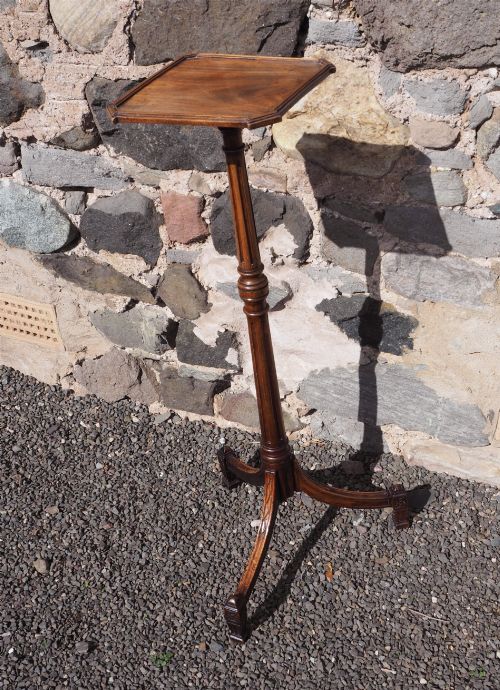
A dark walnut pedestal stand provides a raised platform for display, taking forms such as torcheres, plant stands, and occasional tables. Buyers seeking this phrase encounter pieces spanning from the seventeenth century through the Victorian era and into the early twentieth century.
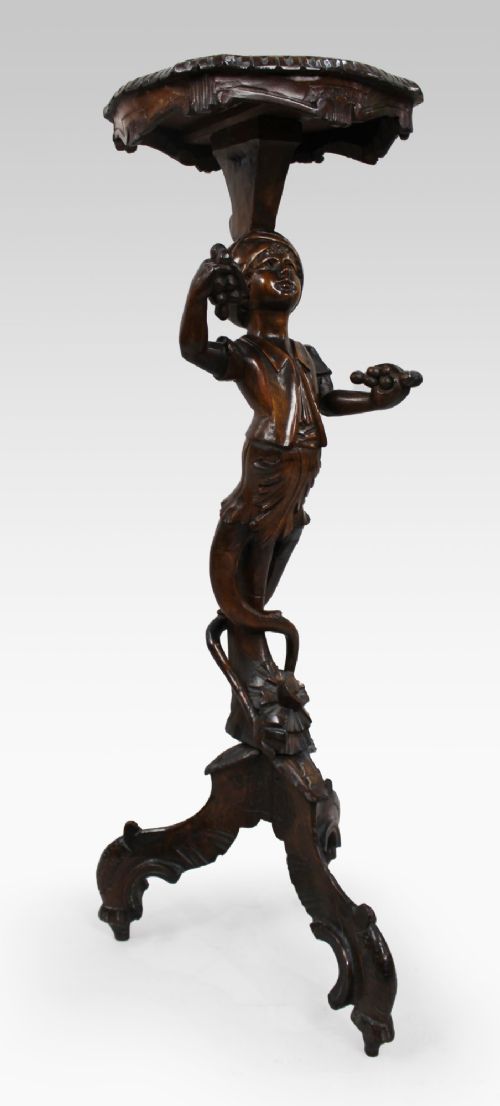
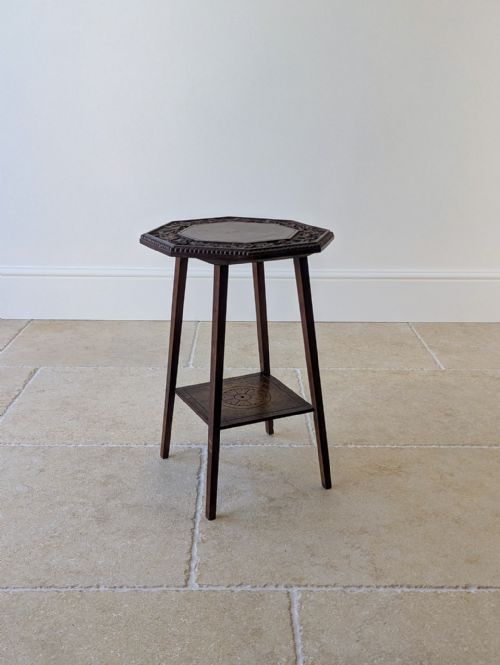
The selection here includes continental and English examples, ranging from Dutch torchere designs to Italian baroque figures and Victorian arts and crafts tables. These items serve primarily to elevate objects like busts, planters, and lamps within a room.
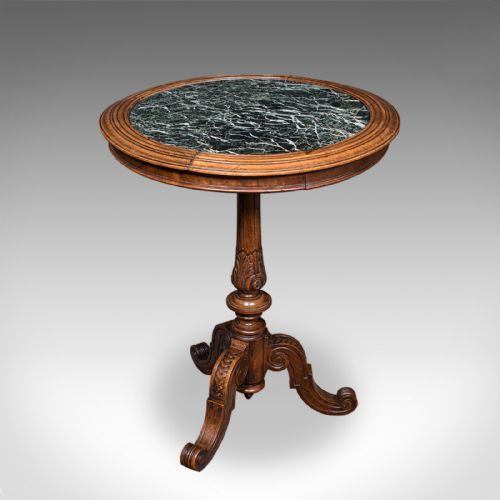
Most entries rely on walnut timber, often enriched by mahogany, pine, or marble elements. The functional form varies from slender column torcheres to sturdy wine tables and bedside cabinets adapted for display.
Materials and construction
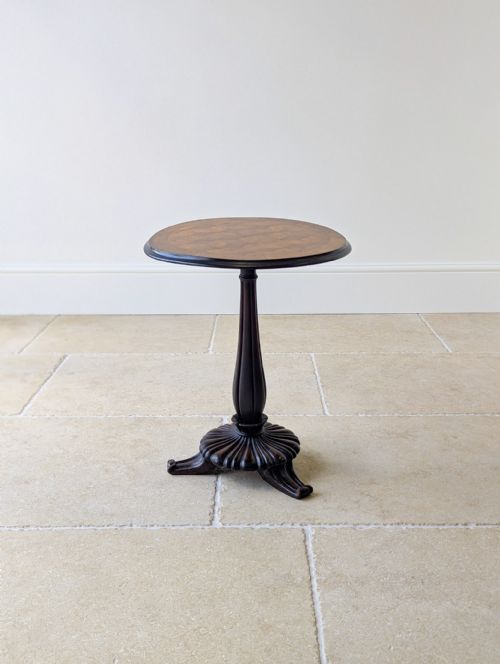
Cabinetmakers utilised solid walnut and burr walnut veneers over secondary hardwoods like pine, shaping the timber through turning, joining, and hand carving. Surfaces often display rich figuring in the wood grain, enhanced by historic polishing techniques.
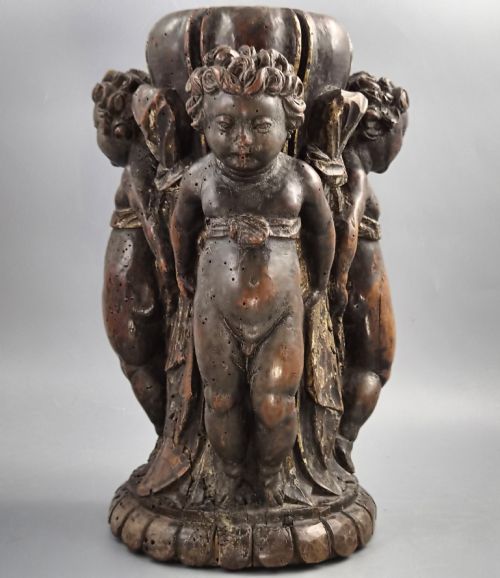
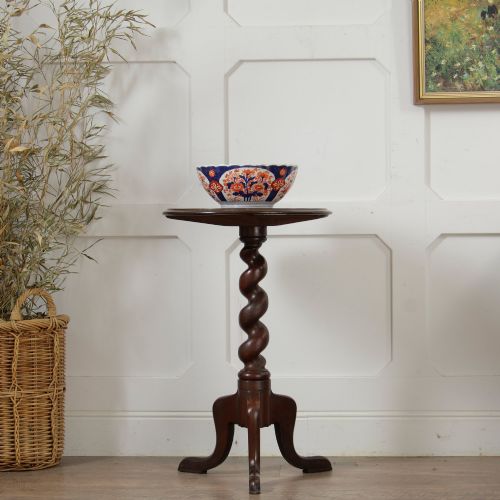
Carved details appear frequently, ranging from barley twist stems to complex figurative motifs like putti and eagles. Inlaid marble tops and secondary woods such as mahogany add structural contrast and decorative weight to the designs.
Several stands feature carved figures, including winged putti and eagles, keeping watch over the room from their elevated perches.
Distinguishing quality
Quality rests in the crispness of the hand carving and the selection of the walnut timber, particularly where burr veneers show complex, natural patterns. Superior examples display deeply articulated figures, balanced proportions, and stable structural joinery.
Lesser pieces feature simpler turned shafts with minimal ornamentation and softer, less defined carving. The integration of materials, such as fitted marble inserts or stamped maker signatures, elevates the standing of a piece within the range.
Shoolbred·Holland & Son
The Dark Walnut Pedestal Stand Glossary
- Torchere
- A tall, slender stand designed specifically to hold a light source or a decorative object. These pieces frequently feature carved columns or figurative bases.
- Barley twist
- A spiral turning technique resembling a twisted rope, commonly found on nineteenth century table and pedestal stems. This method adds vertical movement and visual texture to the timber.
- Burr walnut
- A prized wood veneer showing knotted, swirling grain patterns formed from tree growths. It provides intense visual depth on table tops and cabinet surfaces.
- Putti
- Depictions of plump, winged infant figures, often carved in wood on baroque furniture bases. They add dynamic sculptural support to torcheres and stands.
- Jardiniere
- A decorative container or stand intended for holding plants and flowers. These stands combine sturdy weight-bearing construction with ornamental carving.
Dark Walnut Pedestal Stand: Frequently Asked Questions
What is a dark walnut pedestal stand used for?
These pieces serve as elevated surfaces to display decorative objects, urns, plants, or lamps. They bring architectural interest to corners or empty wall spaces in a room.
Historically, torcheres held candles or oil lamps to illuminate dark corners. Today, collectors utilise them to showcase sculptures, ceramics, and floral arrangements at eye level.
How do I date a walnut pedestal stand?
Dating relies on examining construction methods, tool marks, timber selection, and stylistic details. Seventeenth and eighteenth-century examples often show hand-sawn boards and deep, untutored carving.
Victorian and later pieces frequently incorporate machine-assisted turning alongside period revival styles like baroque or arts and crafts. Maker stamps and labels also provide definitive chronological markers.
Where should I place a torchere stand?
A torchere fits well in corners, beside seating furniture, or framing doorways where vertical height draws the eye upward. Their slender footprint makes them adaptable to rooms with limited floor space.
Ensure the stand rests on a level surface, particularly when supporting heavy marble or bronze items. Placing them away from direct heat sources protects the walnut timber from drying out.
What is the difference between a torchere and an occasional table?
A torchere is designed primarily for elevation and display, featuring a narrow top and a tall, slender shaft. They are built to hold single focal items rather than daily functional loads.
Occasional tables offer a broader surface area intended for accessible items like books, drinks, or lamps. Their proportions are lower and wider compared to the vertical emphasis of a pedestal stand.