



Dark Timber Display Unit
These dark timber display unit pieces combine practical storage with rich cabinet-making traditions from the Georgian era through to the early twentieth century.
Dark Timber Display Unit
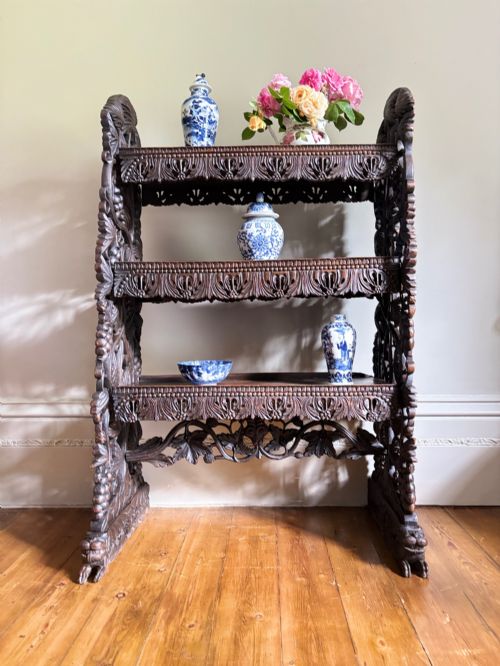
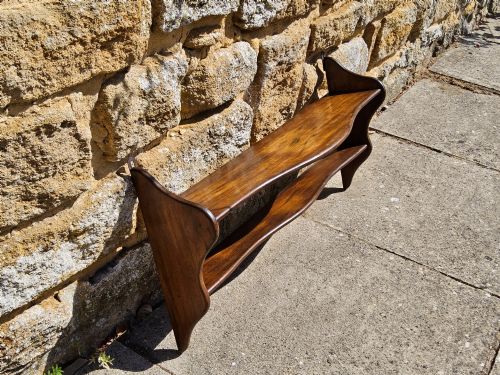
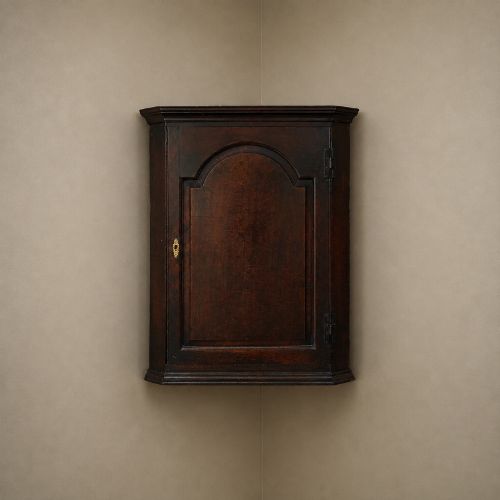
A dark timber display unit encompasses a variety of storage and display forms designed to house books and prized objects. When searching for a dark timber display unit, buyers encounter items ranging from Georgian corner cupboards to Victorian open bookcases and Japanese shodana cabinets.
The selection on this page relies heavily on nineteenth-century pieces alongside Edwardian and early twentieth-century examples. Formats vary widely between wall-hanging shelves, corner cabinets, freestanding bookcases and multi-tier display cabinets.
Origins span British workshops alongside Anglo-Indian, Chinese and Japanese makers, showing diverse regional approaches to dark timber construction. Most pieces date from the Victorian period or the nineteenth century more broadly.
Assessing Quality and Craftsmanship
Quality in these pieces is dictated by the selection of the timber and the crispness of any carved detailing. Profuse hand-carving on hardwood cabinets requires exceptional skill compared to simpler turned or joined shelving.
The integration of brass fittings and the structural integrity of joints determine how well a piece has survived over time. Proportion and timber figuring separate standard utilitarian storage from finer decorative furniture.
Dark Timber Display Unit Retail Price Guide 2026
Typical asking prices for dark timber display unit among the pieces listed under this phrase on Sellingantiques today, from the lower quarter to the upper quarter. They describe what is for sale here now, not the wider market.
Listings feature timbers including mahogany, rosewood, oak, elm, walnut, pine, padauk and teak across multiple centuries.
The Dark Timber Display Unit Glossary
- Shodana
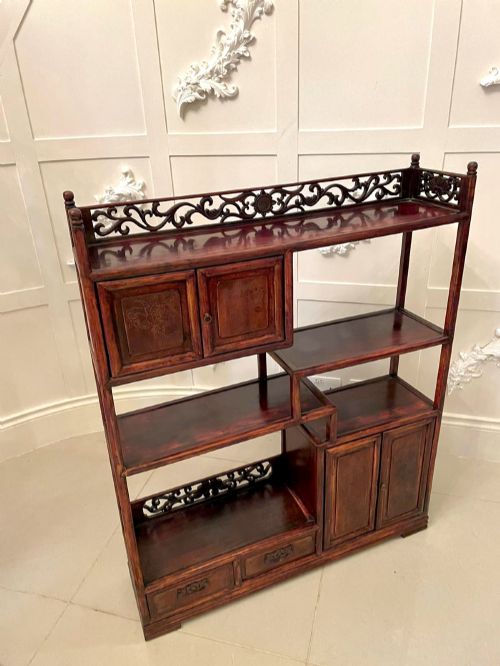
- A Japanese tiered display cabinet featuring staggered shelving and compartments. These pieces often showcase intricate carving and ebonised finishes.
- Padauk
- A heavy tropical hardwood with a reddish-brown hue used in Anglo-Indian furniture. It is prized for its durability and rich grain.
- Waterfall shelf
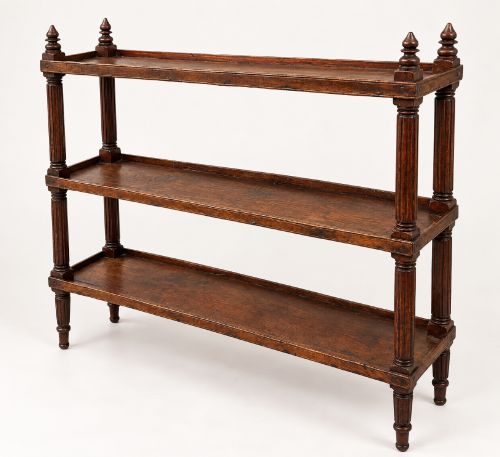
- A graduated set of open shelves stepping back from bottom to top. This form became popular for displaying smaller decorative items.
- Corner cupboard
- A cabinet specifically built to fit into the corner of a room. These spacesaving units often feature panelled doors and internal shelving.
- Open bookcase
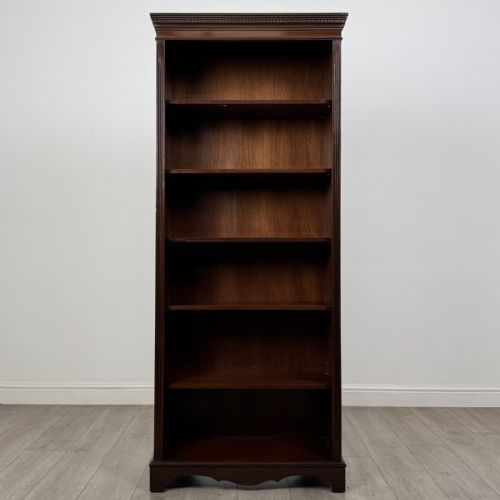
- A shelving unit without doors for storing books and ornaments. Victorian and Edwardian examples in oak and mahogany are common.
Dark Timber Display Unit: Frequently Asked Questions
How do I style a dark timber display unit?
Dark timber pieces bring warmth and weight to a room, working well against neutral or softly coloured walls. Balance the heavy appearance of the wood by using lighter-coloured ceramics or books within the shelving.
Ensure that wall-hanging shelves are anchored securely to support the weight of dense timbers like mahogany or padauk. Freestanding bookcases should be positioned away from direct heat sources to protect the wood.
What is the difference between an open bookcase and a display cabinet?
Open bookcases provide direct, unobstructed access to shelves primarily designed for books. They are typically simpler in construction and date frequently to the Victorian and Edwardian eras.
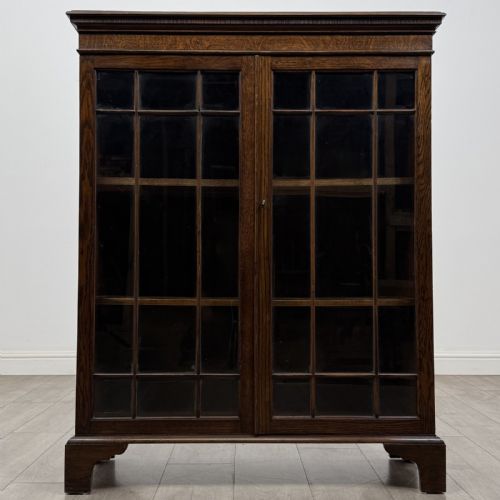
Display cabinets feature doors, often glazed, or multi-tiered compartments meant for protecting and exhibiting prized items. Examples range from Chinese hardwood cabinets to British corner cupboards.
How do I date an antique wooden bookcase?
Dating relies on examining construction methods, timber choices, and stylistic cues present in the piece. Georgian pieces from the eighteenth century often feature different proportions and joinery compared to later Victorian or Edwardian furniture.
Makers working in the nineteenth century utilised specific regional styles, such as Anglo-Indian padauk work or Chinese Qing carving. Secondary timbers and backboards also offer clues to a piece's age.