
Dark Timber Chairs
Dark timber chairs bring rich colour and sturdy craftsmanship into a room, spanning formal dining sets and rustic country designs.
Dark Timber Chairs
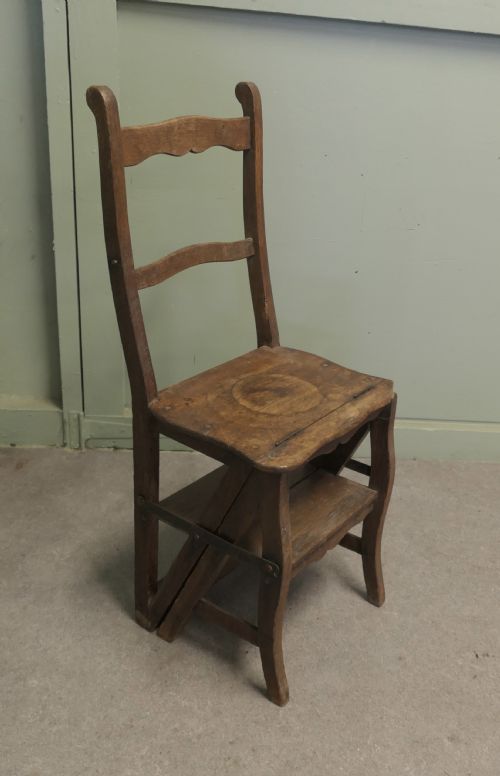
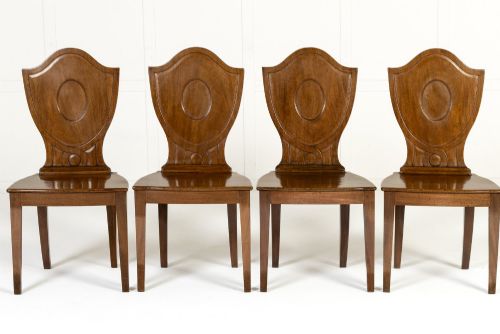
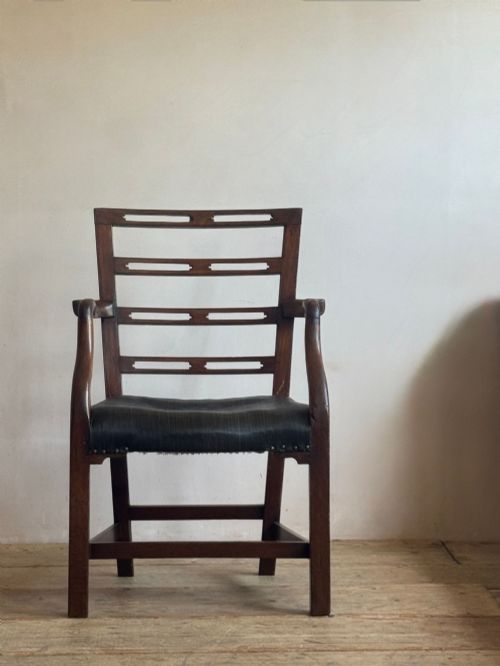
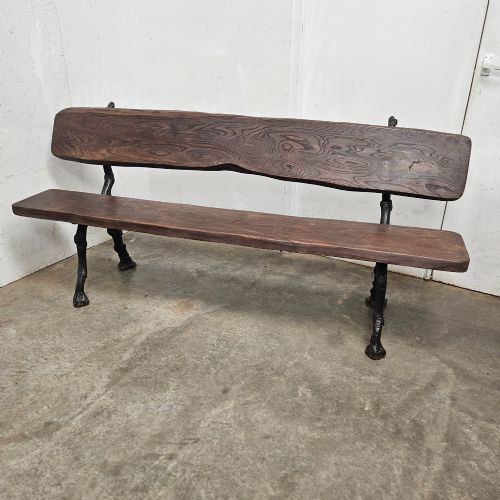
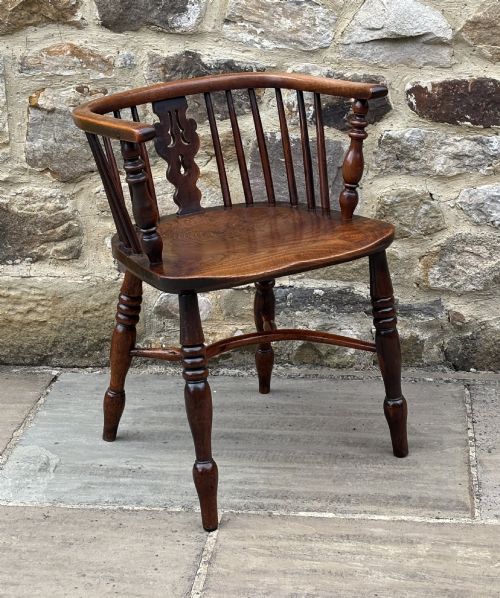
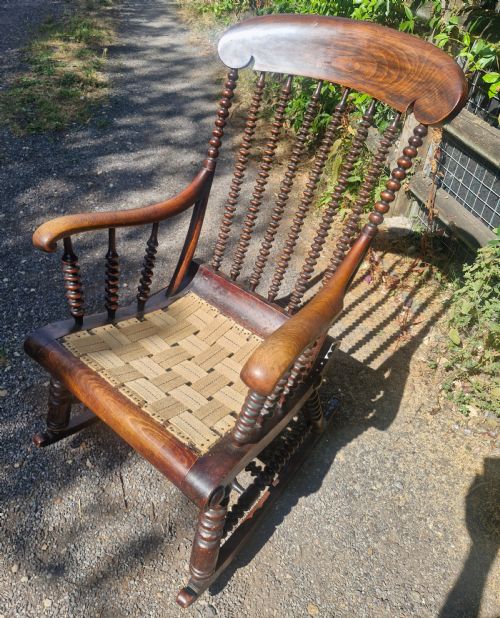
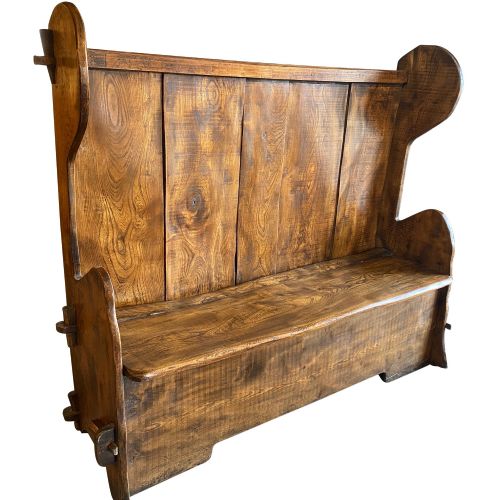
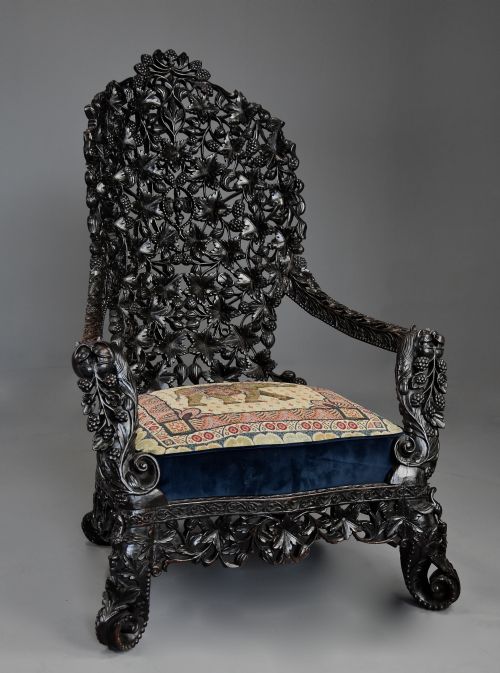
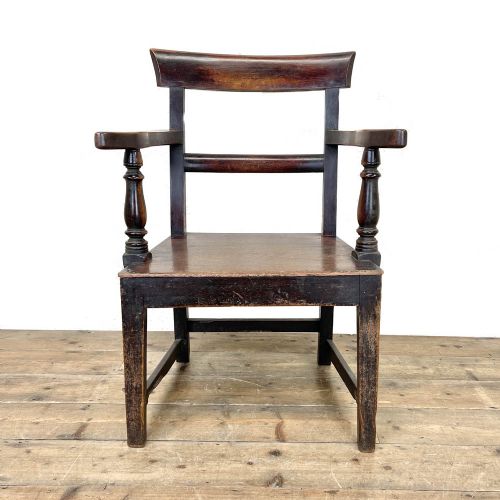
When you search for dark timber chairs, you encounter a broad variety of seating spanning the eighteenth, nineteenth, and early twentieth centuries. The selection encompasses formal dining chairs, library steps, hall chairs, armchairs, and rocking chairs created across multiple regions.
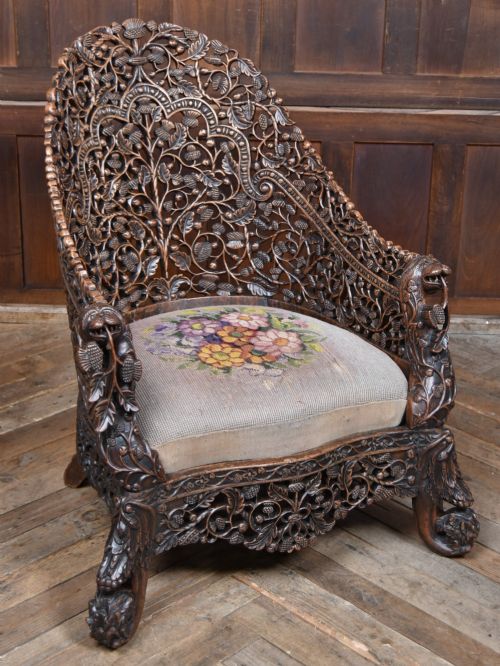
Regional diversity appears frequently within the listings, including Irish, Scottish, French, and Anglo-Indian variations. Makers utilised both native hardwoods and exotic timbers to construct practical seating and decorative parlour furniture.
Materials and construction methods
Makers relied on dense hardwoods such as mahogany, oak, elm, ash, and beech to construct durable frames. These materials provided the structural integrity required for heavy dining chairs, library steps, and rocking chairs.
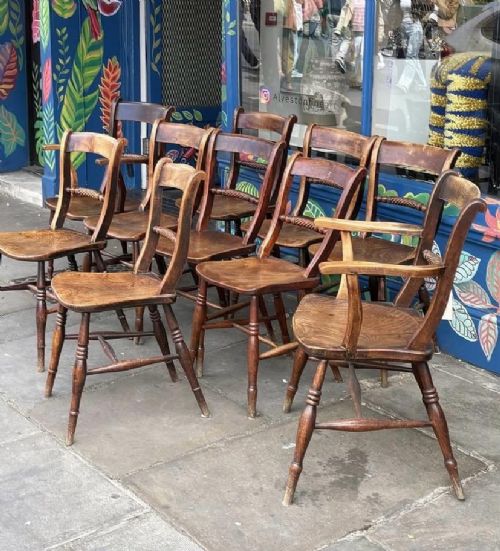
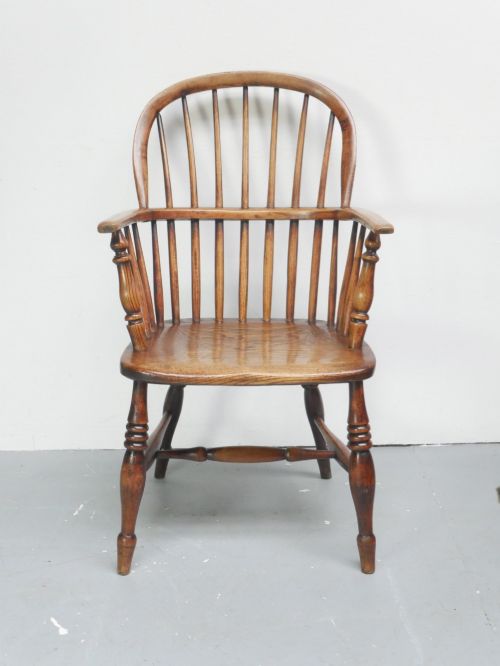
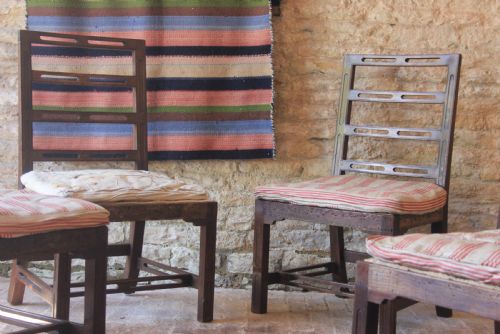
Joinery techniques combined traditional framing with carved ornamentation, seen in intricate Victorian Gothic Revival details and regional stick-back construction. Selected pieces incorporate iron bracing, woven elements, or upholstered fabric pads for added function.
Elephant armchairs and frog grotto seats prove that historical cabinet makers enjoyed a sense of humour.
Distinctions in quality
Quality differentiates through the selection of timber grain, such as figured mahogany or well-matched sets of oak. Superior examples display crisp hand-carving and balanced proportions rather than purely utilitarian assembly.
The integrity of the original construction and the survival of distinct regional traits elevate certain items above standard production. Cohesion within larger dining sets also dictates desirability among collectors.
The Dark Timber Chairs Glossary
- Hall chair
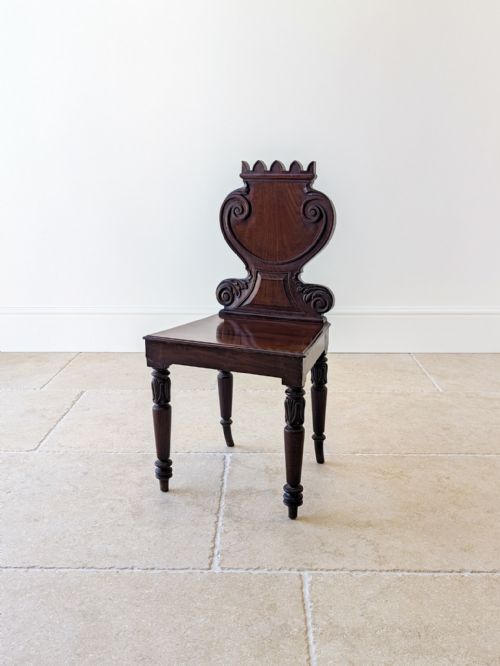
- A rigid wooden seat, usually featuring a solid timber backplate adorned with a painted or carved crest, designed for a grand hallway.
- Windsor chair
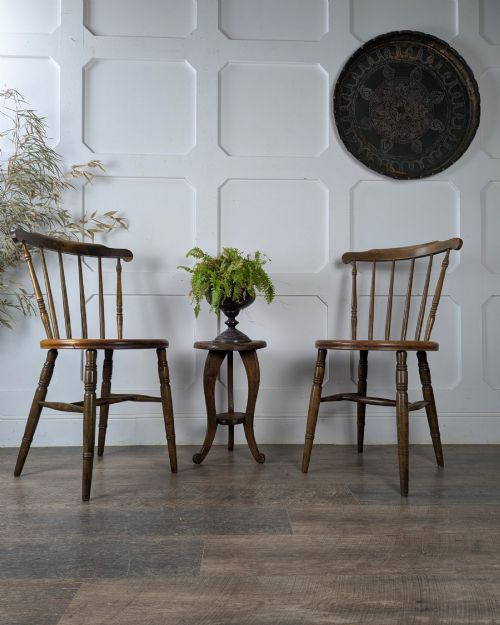
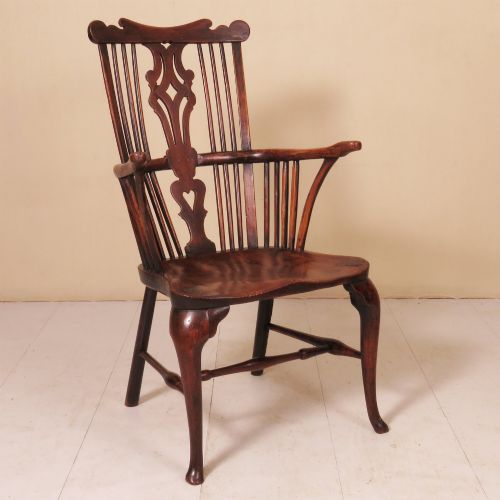
- A traditional seating form constructed with a solid wooden saddle seat into which turned legs and slender back spindles are wedged.
- Mahogany
- A durable reddish-brown tropical hardwood favoured by cabinet makers during the Georgian and Victorian eras for its rich tone and fine grain.
- Comb-back
- A traditional chair design where the vertical spindles extend upward to support a horizontal top rail resembling a comb.
- Vernacular
- Everyday furniture built by local craftsmen using regional timbers and traditional methods rather than adhering to formal metropolitan styles.
Dark Timber Chairs: Frequently Asked Questions
How do I date an old wooden chair?
Dating relies on identifying the prevailing timber, tool marks, and stylistic traits typical of specific periods like the Georgian or Victorian eras.
Examination of the joinery and hardware often reveals whether a piece originates from the eighteenth century or later revival periods.
Were hall chairs meant to be comfortable?
Hall chairs were primarily designed for formal display and brief seating in entranceways rather than prolonged relaxation.
Their rigid wooden seats and upright backs reflected the formal architecture of country houses and town residences.
How do I care for antique timber furniture?
Keep wooden chairs away from direct heat sources and dramatic humidity fluctuations to prevent the timber from splitting or warping.
Applying a traditional beeswax polish occasionally helps nourish the surface and maintain the natural lustre of the wood.