




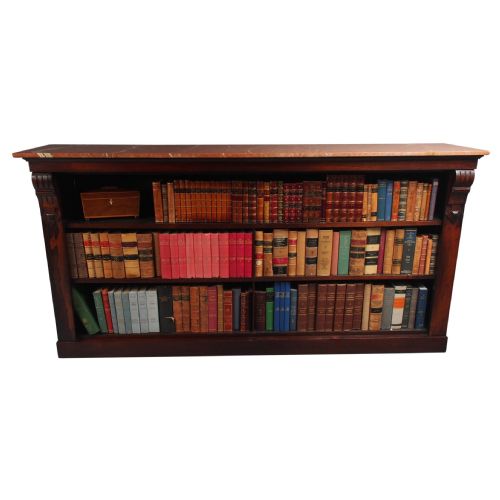

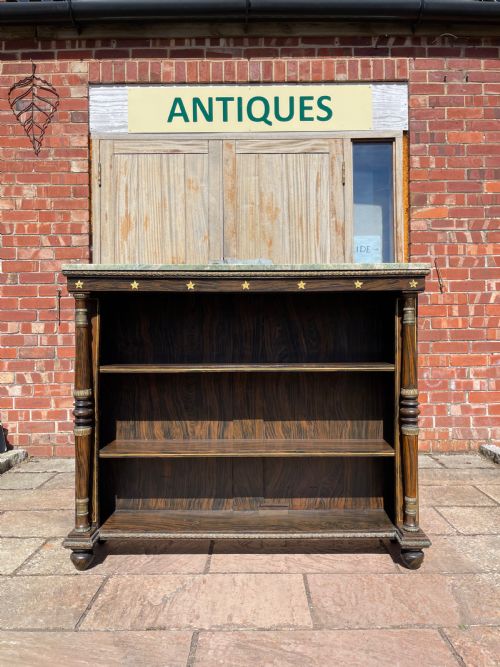


Dark Rosewood Marble Cabinet
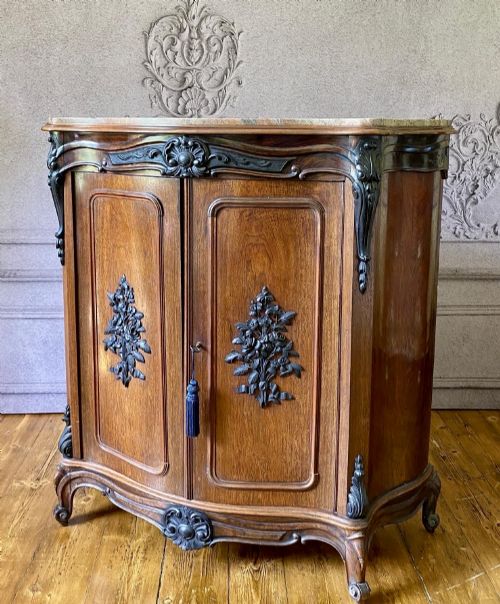
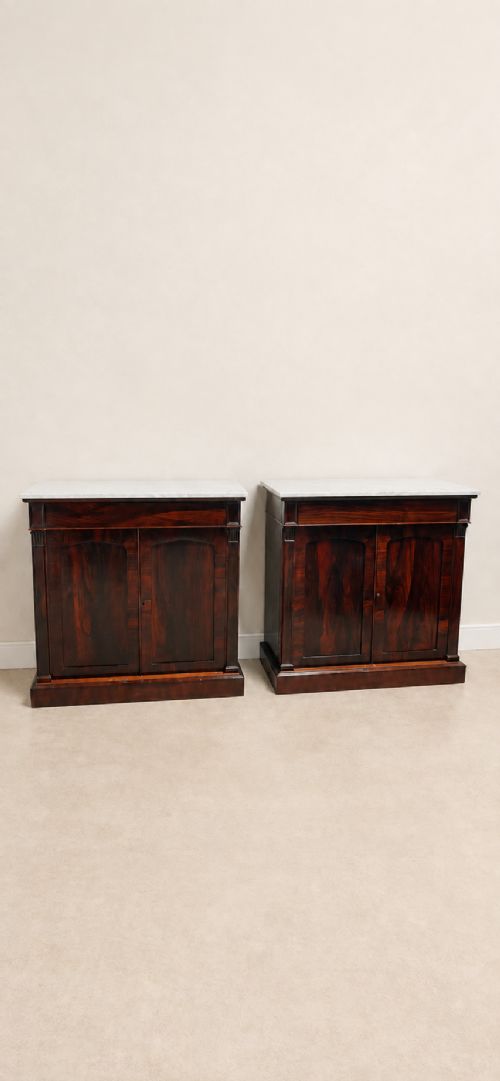
These dark rosewood marble cabinet pieces combine dense tropical timbers with polished stone tops, offering sturdy surfaces and rich grain patterns for period interiors.
Dark Rosewood Marble Cabinet
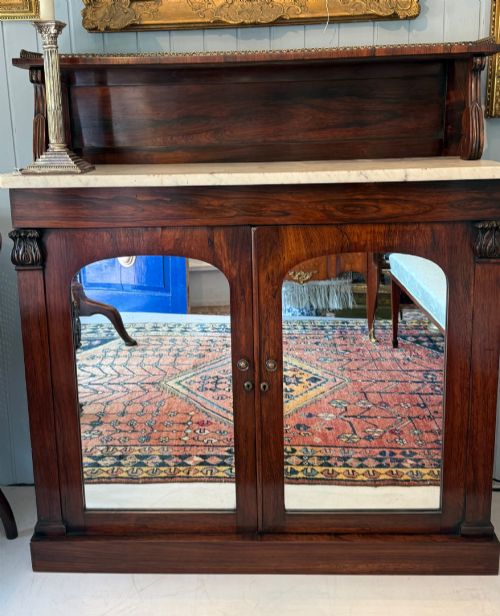
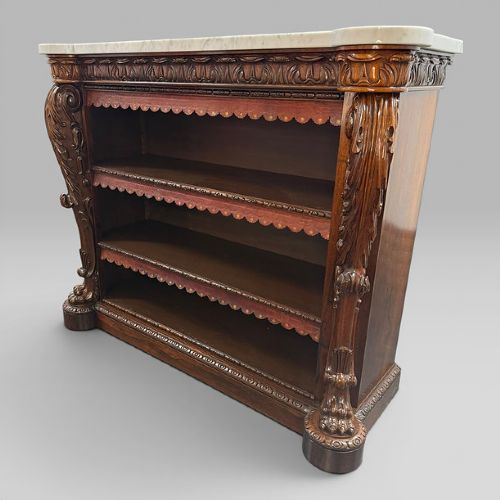
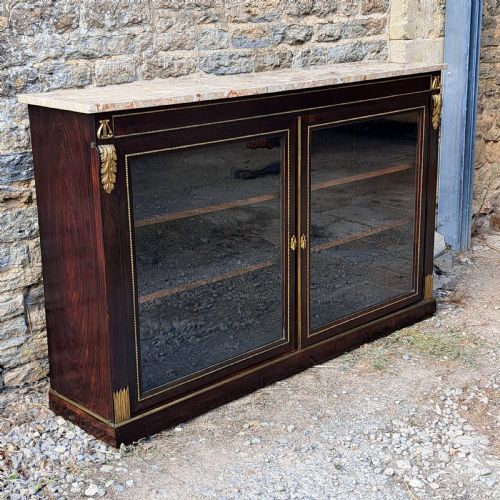
When you search for a dark rosewood marble cabinet, you encounter case furniture built primarily across the Georgian, Regency, William IV, and Victorian periods. These pieces include side cabinets, chiffoniers, and bookcases featuring substantial timber carcases and stone surfaces.
The version you are most likely to meet on this page is a 19th-century side cabinet or chiffonier, often retaining an original marble top and built from dark rosewood veneers or solid hardwoods.
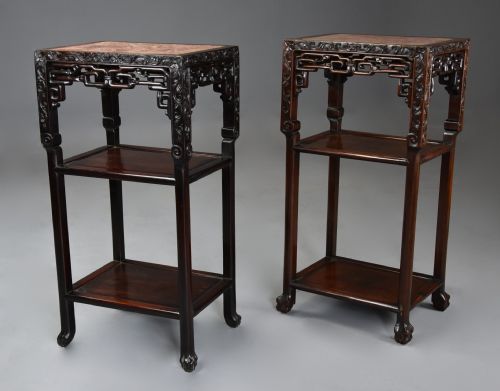
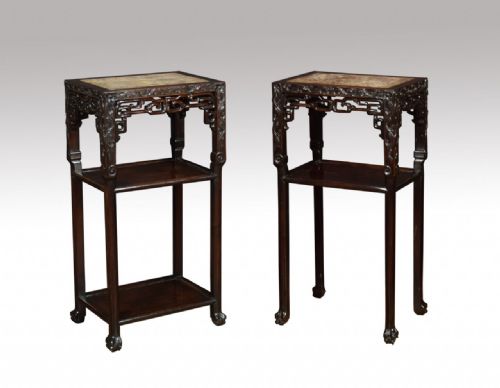
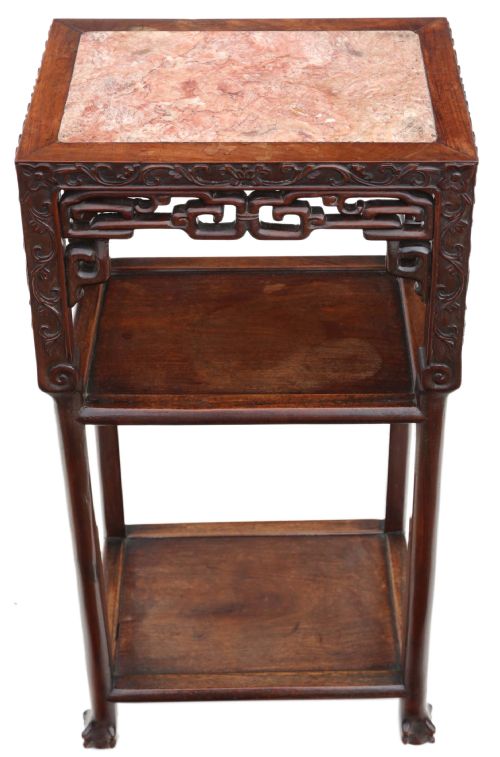
Makers and workshops from various traditions contributed to these forms, ranging from English Regency cabinet makers to Chinese export workshops producing hardwood and marble tables or cabinets.
How they were made
Construction relies on dense rosewood and hardwood timbers, frequently applied as veneers over secondary woods to create deep, dark surfaces. Carcase construction incorporates traditional joinery suited to heavy stone tops.
Marble slabs sit directly upon the upper surface of the cabinets, matched with decorative elements such as brass inlay, giltwood highlights, and mother of pearl details. Certain pieces utilise simulated paint techniques on alternative timbers to achieve the desired dark finish.
Dark Rosewood Marble Cabinet Retail Price Guide 2026
Typical asking prices for dark rosewood marble cabinet among the pieces listed under this phrase on Sellingantiques today, from the lower quarter to the upper quarter. They describe what is for sale here now, not the wider market.
Listings span the Georgian, Regency, William IV, and Victorian periods, alongside Chinese export examples utilising hardwood and marble.
What varies in quality
The distinction between tiers of quality rests upon the selection of timber veneers and the integration of the marble top. Superior examples display continuous grain matching across doors and drawers alongside finely figured rosewood.
Hand-chiselled brass inlay, crisply carved wooden details, and the weight and patterning of the marble slab elevate certain pieces above standard production. The precision of the internal carcase joinery and the survival of original components also separate standard items from finer works.
Louis Constantin Le Gaigneur·Gillows
The Dark Rosewood Marble Cabinet Glossary
- Chiffonier
- A low sideboard or cabinet, typically featuring enclosed shelving below and sometimes a raised gallery or shelf above. It became a popular domestic form during the Regency and Victorian eras.
- Breakfront
- A cabinet design where the central section projects forward from the flanking wings. This architectural arrangement creates depth and visual rhythm across large sideboards and bookcases.
- Veneer
- A thin layer of finely figured rosewood applied over a stable secondary timber carcase. This technique allows makers to display rich grain patterns economically and securely.
- Giltwood
- Timber carved and coated with gold leaf or metallic gilding to highlight decorative mouldings. It appears on select Regency and Victorian pieces to provide contrast against dark wood.
- Secretaire
- A cabinet incorporating a fitted writing drawer with a drop-front desk surface. It combines storage with a concealed writing station.
Dark Rosewood Marble Cabinet: Frequently Asked Questions
What is a dark rosewood marble cabinet?
These items are 19th-century case pieces built from dense tropical hardwoods, featuring polished stone upper surfaces and enclosed storage space. They function as side cabinets, chiffoniers, or bookcases.
Craftsmen constructed them to serve practical storage needs while displaying the rich, dark grain of rosewood alongside decorative stone tops.
How do I style a marble top cabinet?
Place the piece against a principal wall in a reception room or hallway where the dark timber and stone surface can anchor the space. Use the flat marble top to display ceramic lamps or decorative objects.
Keep surrounding furniture in complementary period styles to maintain the historical context of the room.
How do I date a rosewood cabinet?
Examine the overall style and construction methods, noting whether the piece displays Regency curves, William IV proportions, or Victorian mass. Look at the secondary timbers inside the drawers and carcase.
Changes in decorative motifs like brass inlay or carved mouldings help narrow the period of manufacture between the Georgian era and the late 19th century.
Are these cabinets purely English?
While many pieces originate from English workshops influenced by Regency and Victorian tastes, the category includes Chinese export furniture. These items utilise local hardwoods and marble to create distinct tables and stands.
Both regional traditions share a preference for heavy, dark materials and polished stone surfaces.