

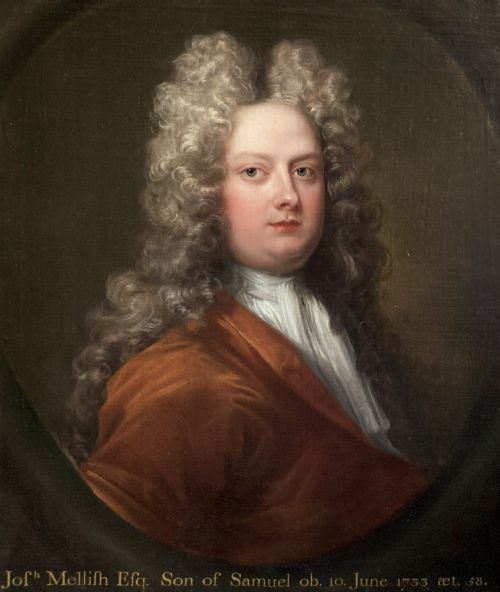
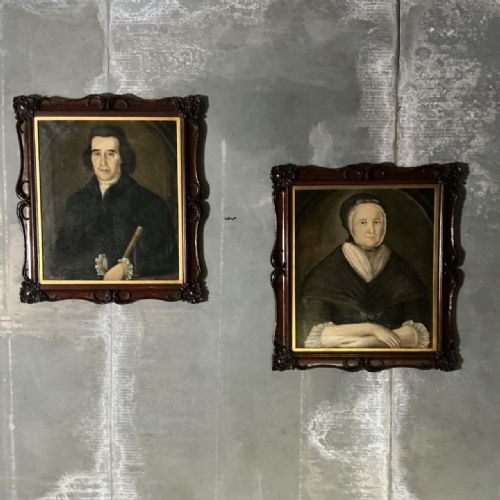
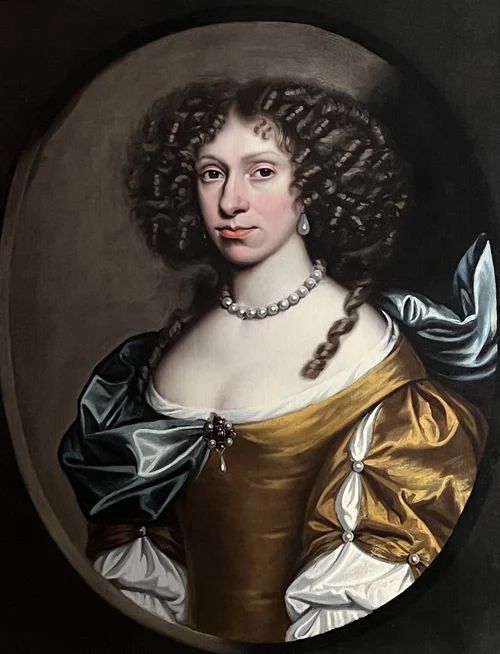
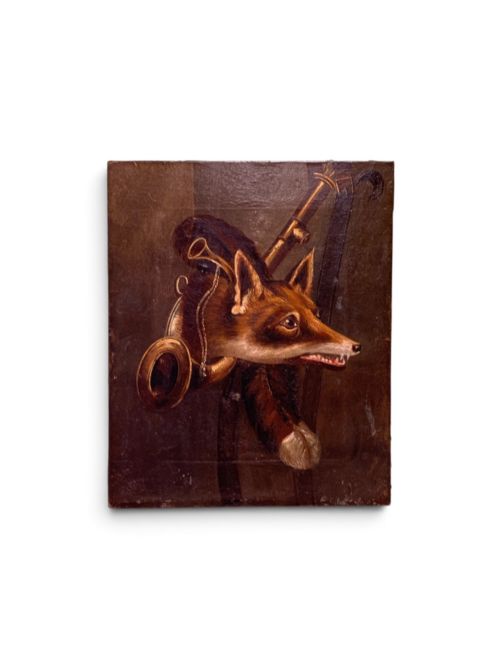


Dark Portrait Painting
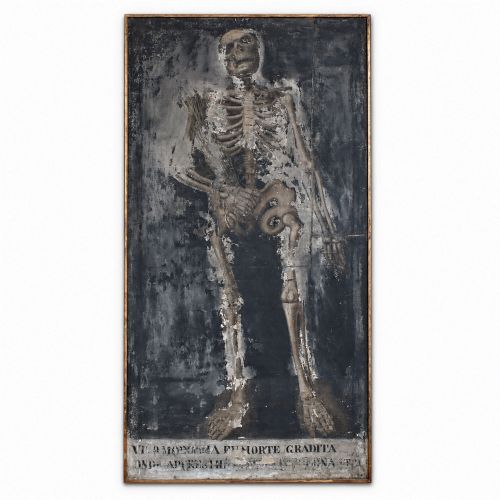
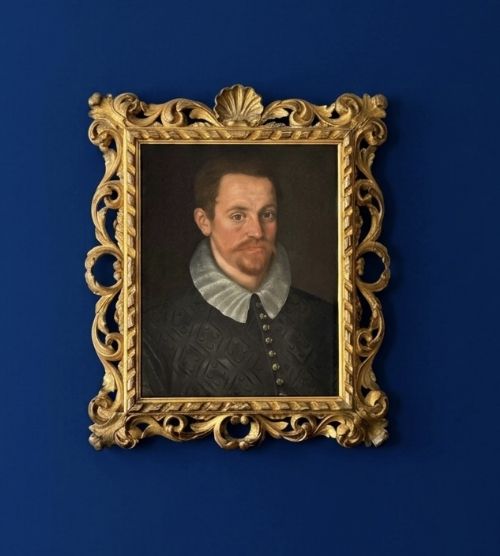
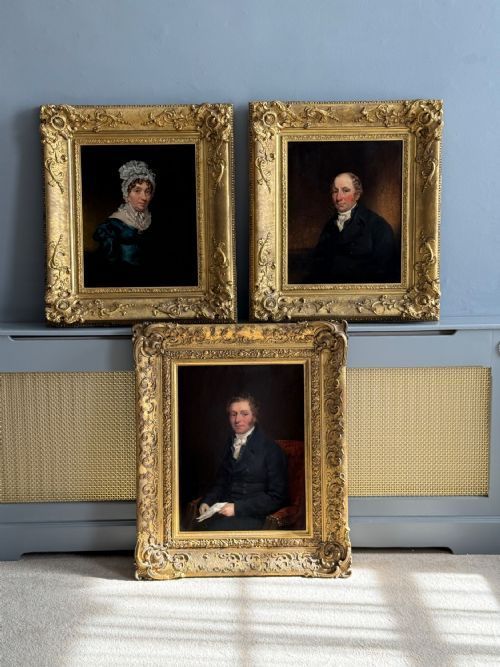
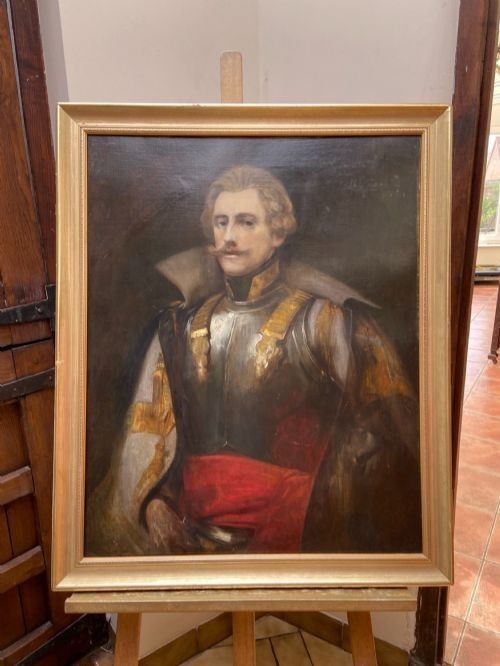
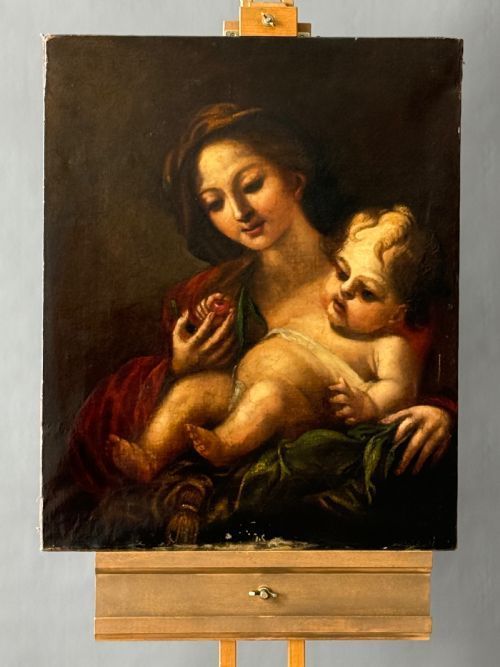
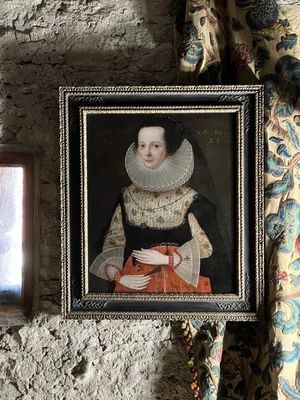
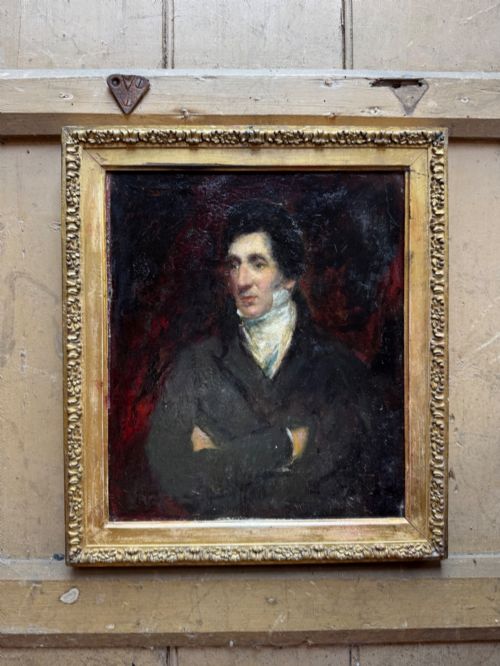
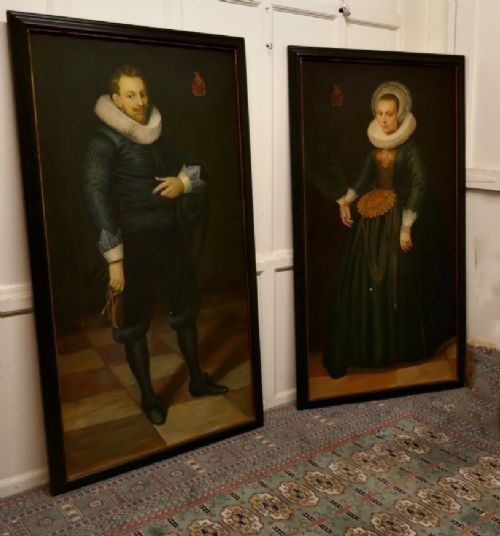
A dark portrait painting brings the heavy shadows and solemn faces of earlier centuries directly into a modern room.
How They Were Made
Painters built these works using oil paint applied to canvas or wood panels, sometimes incorporating gold leaf within the framing or detailing. The technique relied on layering dark pigments to build depth in the background before applying highlights to the face and collar.
Varnish coats applied over decades deepened the colour values further, turning once-clear browns and blacks into the deep tones seen today. Canvases were stretched over wooden frames, while earlier or provincial pieces frequently utilised sturdy wooden boards.
What Varies in Quality
The skill of the brushwork in rendering hands, lace, and facial expression separates routine studio work from the hand of a master. Superior pieces maintain anatomical clarity and psychological depth even within the darkest passages of shadow.
The condition of the painted surface and the degree of historic restoration dictate the visual integrity of the piece. Works that retain their original unlined canvas and stable craquelure carry greater historical weight than those heavily repainted over time.
Materials recorded across the archive include oil paint, canvas, wood panels, giltwood, and gold leaf.
Charles Jervas·David Scougall·Sir Anthony van Dyck·John Hayls·Sir Godfrey Kneller·Pierre Mignard·Mary Beale·Francisco Goya·Thomas Beach·Sir Peter Lely
The Dark Portrait Painting Glossary
- Chiaroscuro
- The use of strong contrasts between light and dark to give a three-dimensional volume to figures. This technique defines the moody atmosphere of seventeenth-century oil paintings.
- Old Master
- A European artist of high skill working before the nineteenth century. These painters set the standards for portraiture and classical composition.
- Craquelure
- The fine pattern of dense cracking formed in the surface of old paint or varnish. It serves as a natural indicator of age on historical canvases.
- Giltwood
- Wood carved and covered with a thin layer of gold leaf or gilt powder. Antique frames utilise this material to complement dark portraiture.
- Provenance
- The chronology of the ownership of a painting. Documented histories connect a portrait directly to its original sitters and collections.
Dark Portrait Painting: Frequently Asked Questions
What is a dark portrait painting?
A dark portrait painting is a historical artwork featuring a human subject rendered against deep, shadowy backgrounds. These pieces rely on muted earth tones and heavy chiaroscuro to create an introspective mood.
They originate mostly from seventeenth and eighteenth-century European traditions, capturing nobility, gentlemen, and everyday sitters in oil on canvas or wood.
How do I date an old portrait?
Dating relies on examining the costume, hair style, and collar of the sitter alongside the canvas preparation and stretcher construction. Written inscriptions on the reverse or visible signatures also help narrow the timeframe.
Stylistic markers such as the heavy lace of the seventeenth century or the powdered wigs of the eighteenth offer reliable chronological clues.
Where should I hang a dark portrait?
These works suit rooms with controlled lighting where deep tones can absorb and reflect light without glare. Placing them against plain or dark walls enhances their dramatic presence.
Avoid direct sunlight to protect the aged oil paint and delicate varnish from fading or thermal stress over time.
Are these portraits original or copies?
The selection includes both original works painted from life and later period copies after masters like Van Dyck or Kneller. Studio copies and portraits executed in the manner of an artist were common practice in past centuries.
Documentation, brushwork analysis, and provenance help distinguish an original primary painting from a subsequent studio version.