

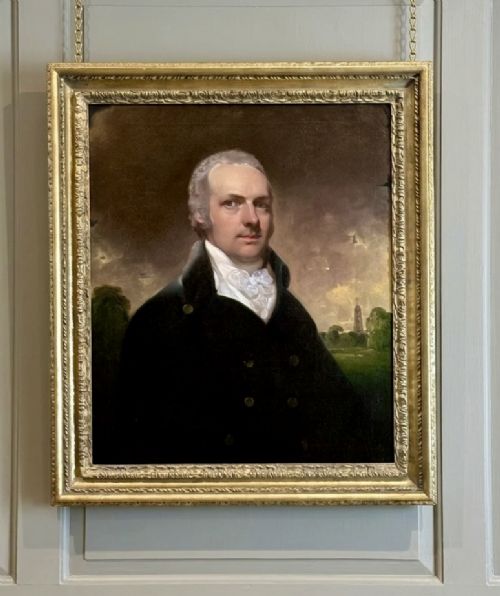
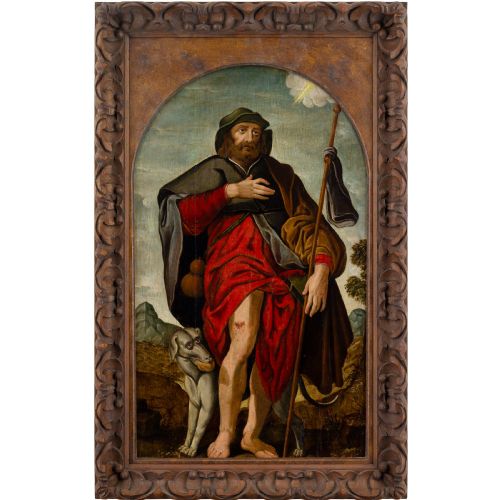
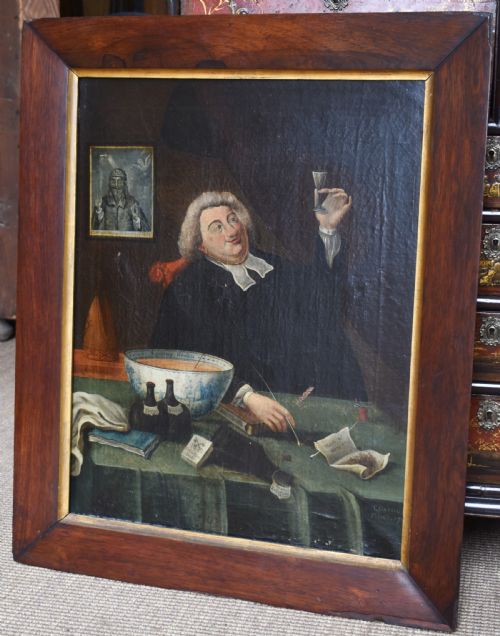
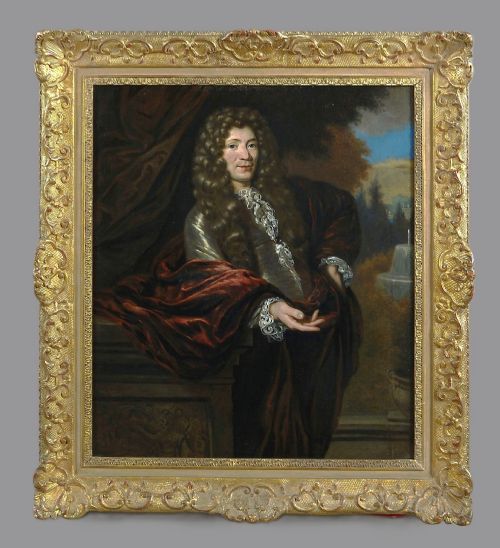
Dark Portrait Artwork
These pieces of dark portrait artwork bring centuries of solemn faces and rich oil technique into modern rooms.
Dark Portrait Artwork
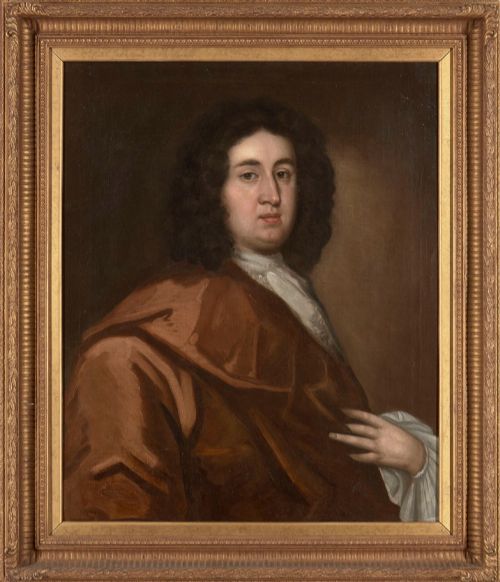
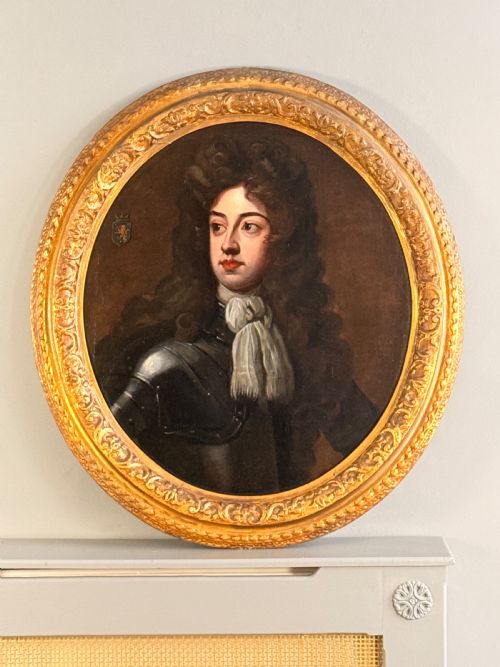
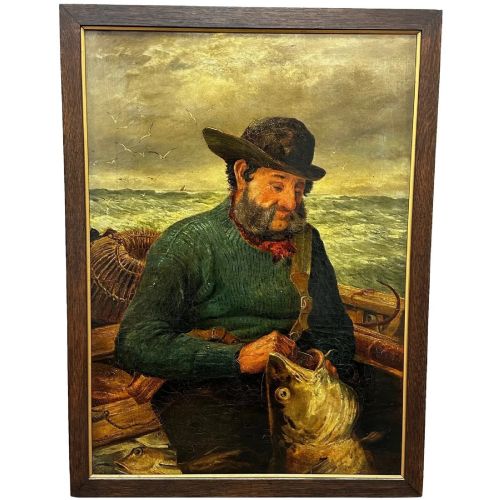
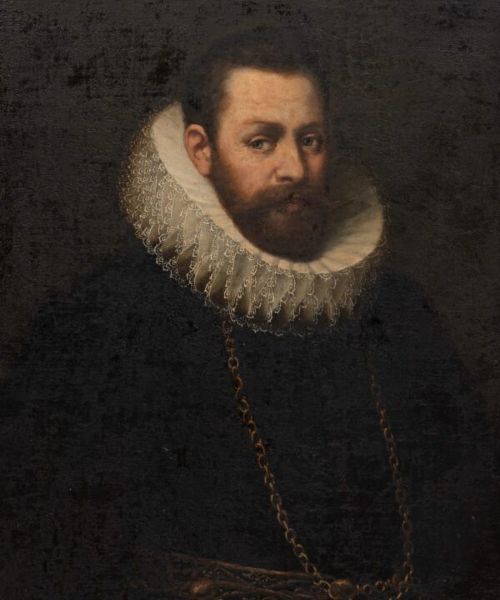
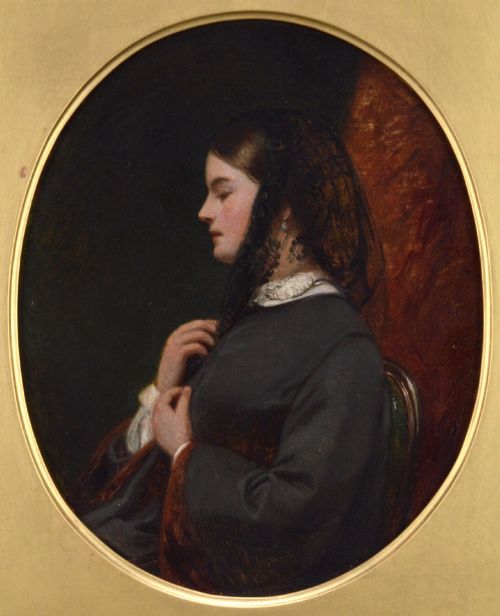
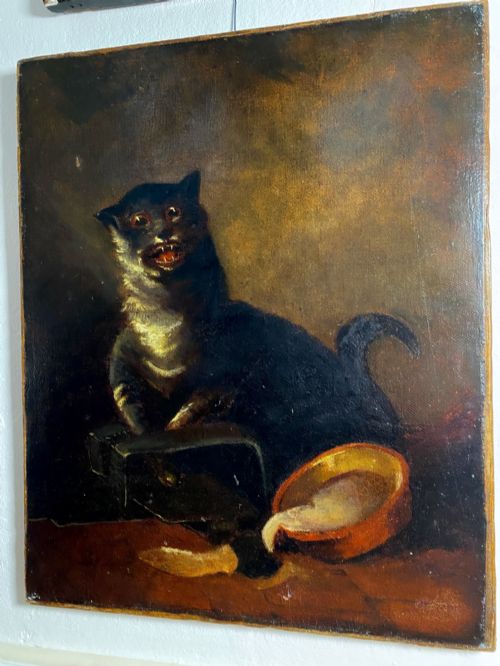
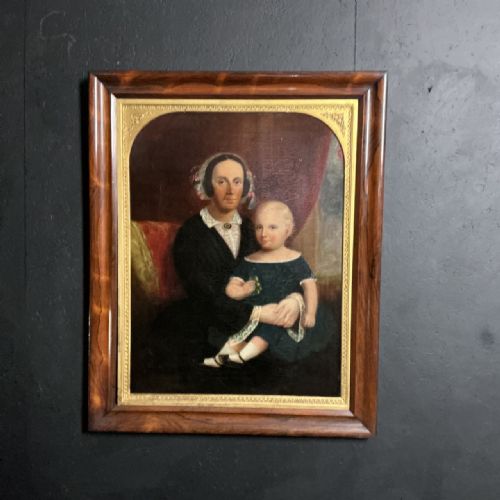
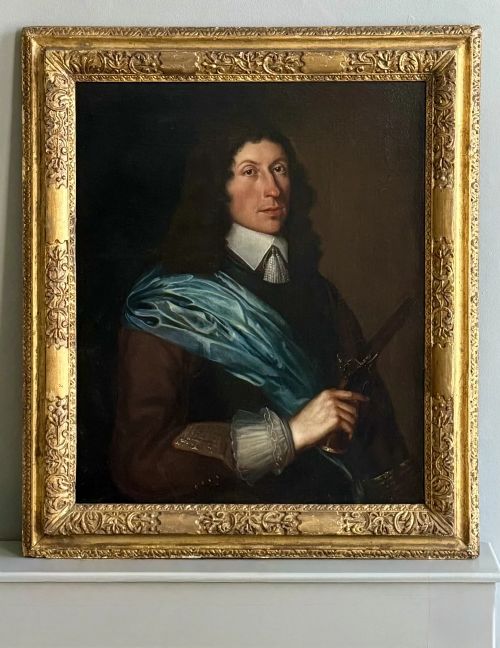
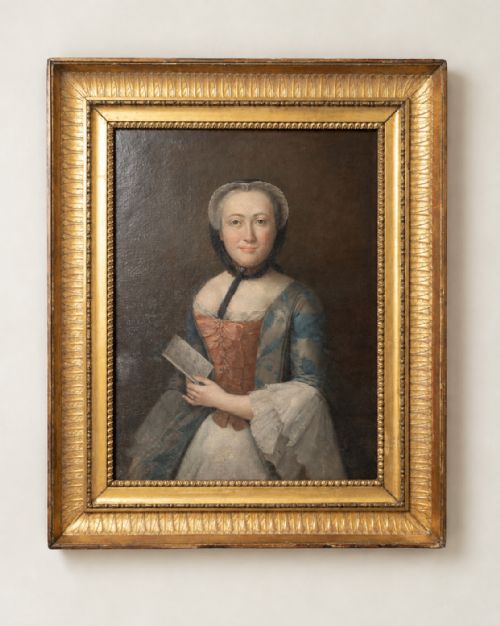
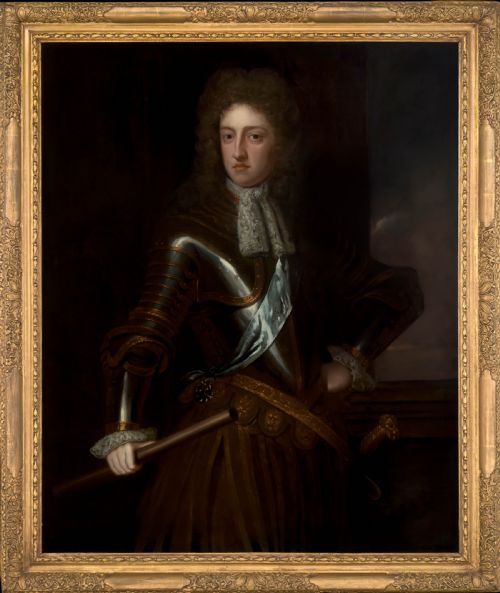
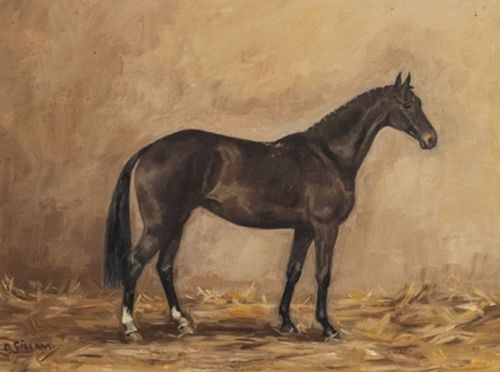
Dark portrait artwork spans centuries of painted subjects, drawing heavily on seventeenth-century Jacobean, Dutch Golden Age, and Georgian traditions. These works depict noblemen, military officers, and anonymous sitters rendered in sombre, atmospheric palettes.
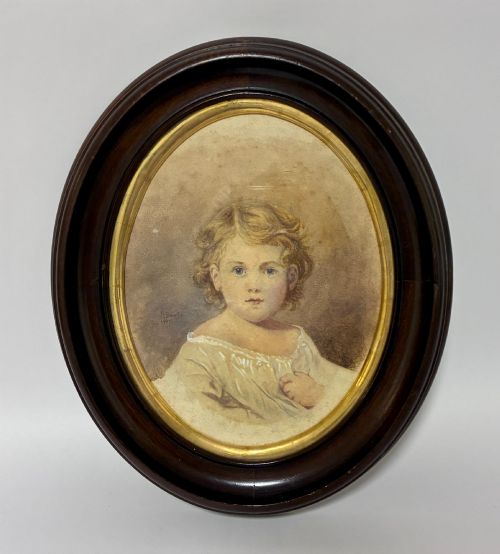
The selection leans toward oil paintings on canvas and wood panels, alongside occasional pastels and prints from later periods. Viewers encounter solemn expressions, heavy ruffs, and deep shadows that define the aesthetic of historical portraiture.
How they were made
Painters built these works using oil paint applied to stretched canvas or wooden panels, sometimes incorporating gold leaf accents for framing or detail. Grounds were typically dark, allowing artists to pull subjects forward through dramatic chiaroscuro and layered glazes.
Supports range from traditional woven canvas to vinyl canvas and paper for later reproductions, while framing often utilises period wood moulding to house the artwork securely.
Dark Portrait Artwork Retail Price Guide 2026
Typical asking prices for dark portrait artwork among the pieces listed under this phrase on Sellingantiques today, from the lower quarter to the upper quarter. They describe what is for sale here now, not the wider market.
Listings feature sixteenth-century panels alongside nineteenth-century Victorian canvases and twentieth-century pastels.
What varies in quality
The execution of the subject's hands, facial expression, and textile details such as lace ruffs or embroidered doublets dictates the upper tier of these works. Master painters achieved a lifelike presence through subtle tonal shifts in shadow, whereas lesser studio copies remain stiff and flat.
Condition plays a role, with original unlined canvases and stable paint layers holding greater historical integrity than heavily retouched surfaces.
Sir Godfrey Kneller·Thomas Beach·David Scougall·Michiel van Musscher·Mary Beale
The Dark Portrait Artwork Glossary
- Chiaroscuro
- The use of strong contrasts between light and dark to give subjects a three-dimensional form. This technique defines the mood in early portraiture.
- Canvas
- A heavy woven fabric used as a surface for oil painting. It is stretched over a wooden frame before work begins.
- Ruff
- A voluminous starched collar worn in the sixteenth and seventeenth centuries. Intricate folds demonstrate the high social status of the sitter.
- Old Master
- A European artist of high skill working before about eighteen hundred. These painters set the standards for academic portraiture.
Dark Portrait Artwork: Frequently Asked Questions
How do I date an old portrait?
Dating relies heavily on the clothing, hair styling, and collar types worn by the sitter. Written inscriptions on the reverse or stretcher bars also provide clues.
Material analysis, such as identifying canvas types and pigment composition, confirms the historical period alongside stylistic benchmarks.
What is a studio work?
A studio work is a painting produced by assistants and apprentices under the direct supervision of a master artist. These pieces often replicate popular compositions.
Such works share the aesthetic of the primary painter but lack the full execution of the master's own hand.
How should I hang dark portraits?
These pieces require walls with neutral or deep background colours to let the shadowy palettes stand out. Proper lighting prevents glare on glossy oil surfaces.
Keep them away from direct sunlight and damp environments to protect the historic canvas and paint layers.
Why are the backgrounds so dark?
Dark backgrounds isolate the sitter and create dramatic contrast using traditional chiaroscuro techniques. This focus mirrored the solemn mood favoured by patrons.
Dark earth pigments also provided a stable foundation that aged gracefully over centuries.