

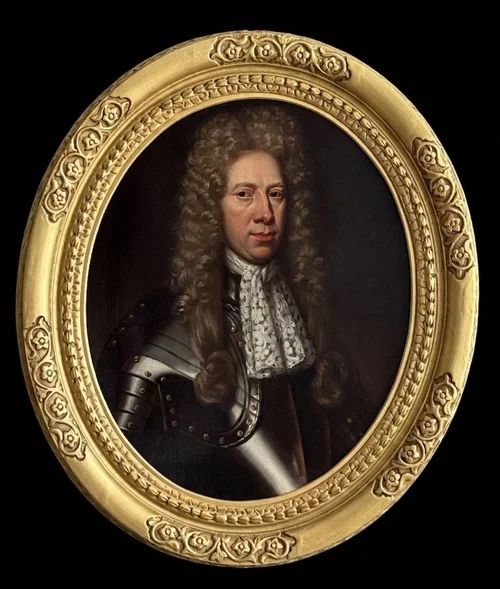
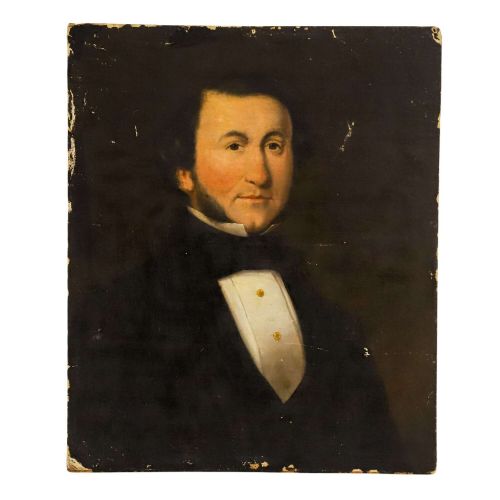
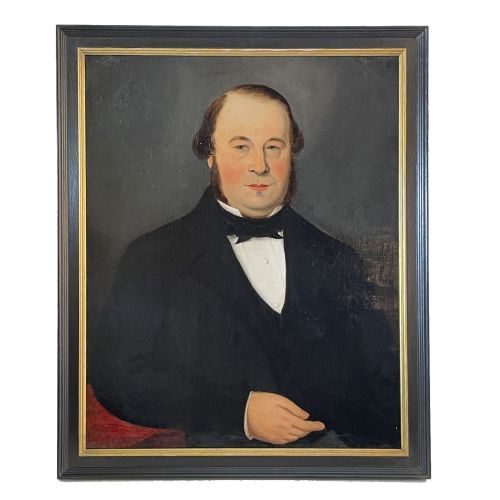
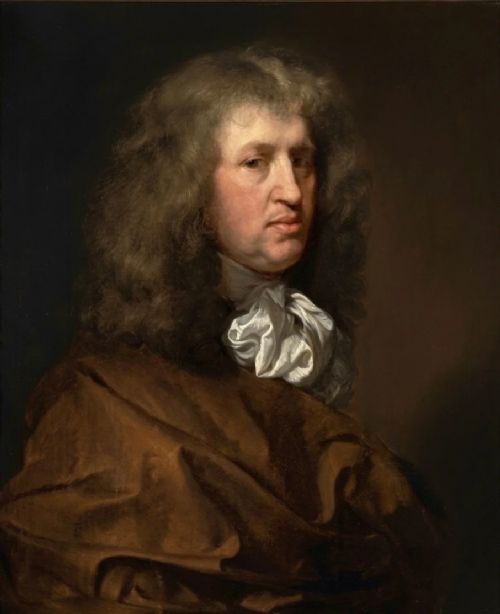
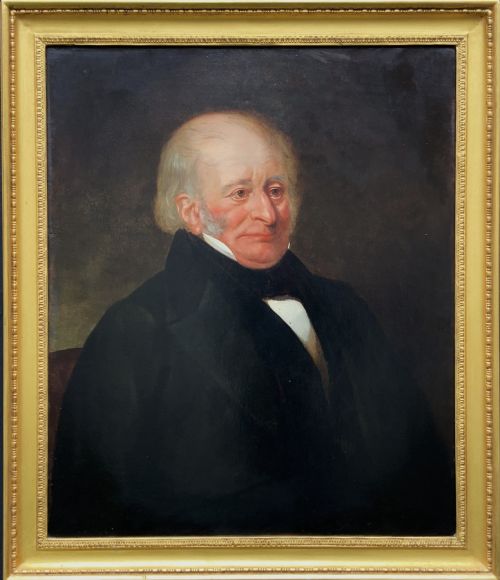
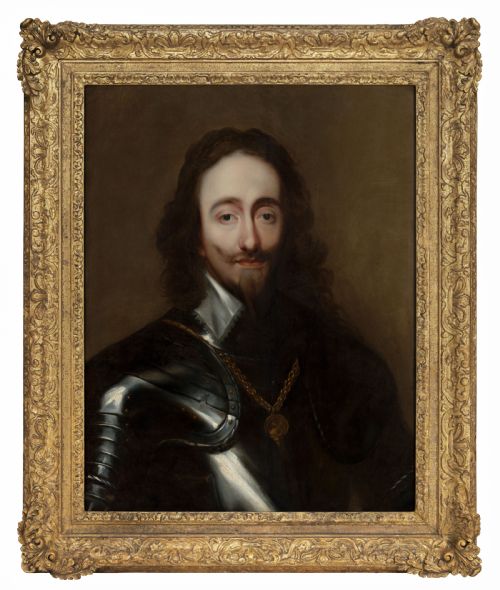
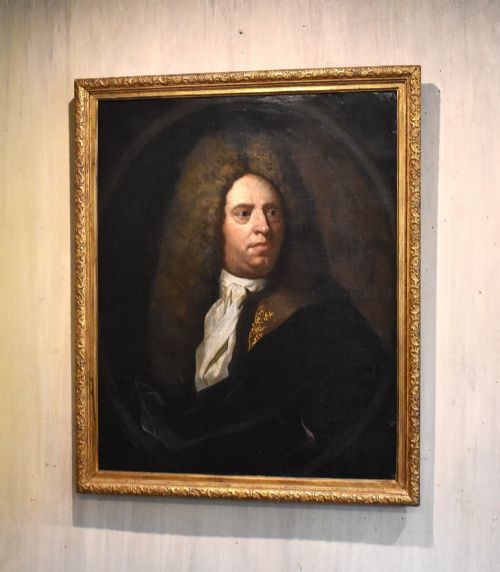
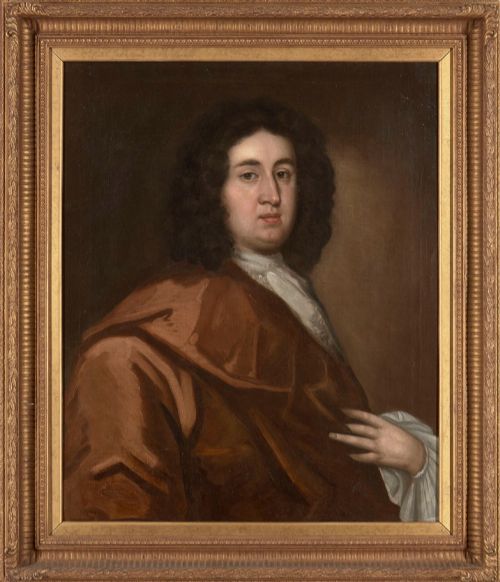
Dark Oil Portrait Gentleman
When you search for a dark oil portrait gentleman, you are looking at centuries of masculine character rendered in deep oils and heavy giltwood frames.
Dark Oil Portrait Gentleman
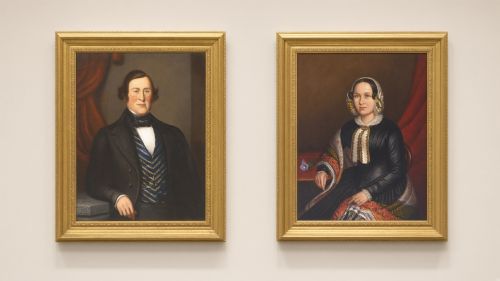
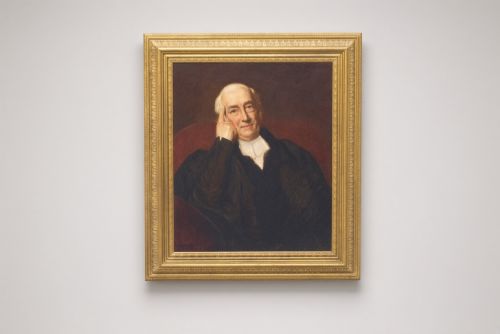
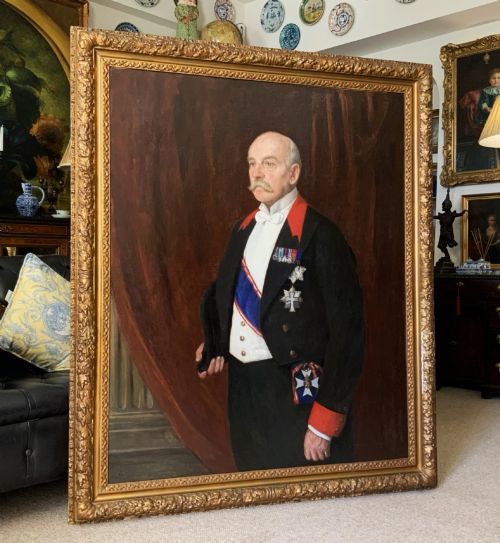
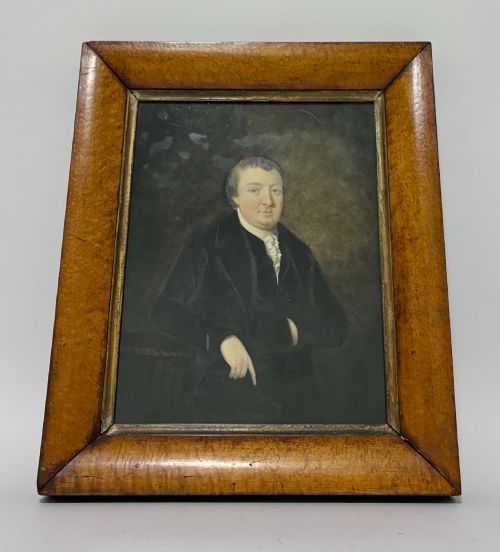
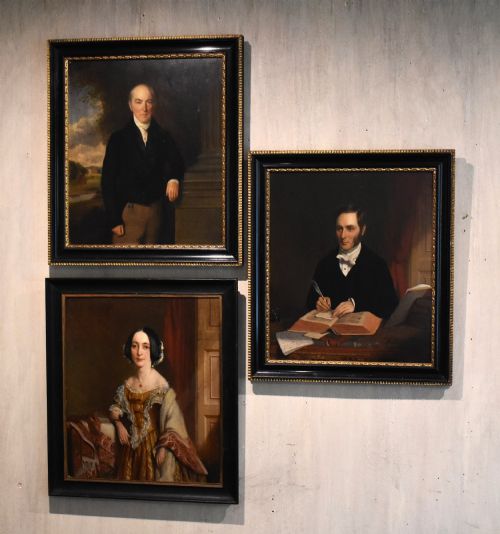
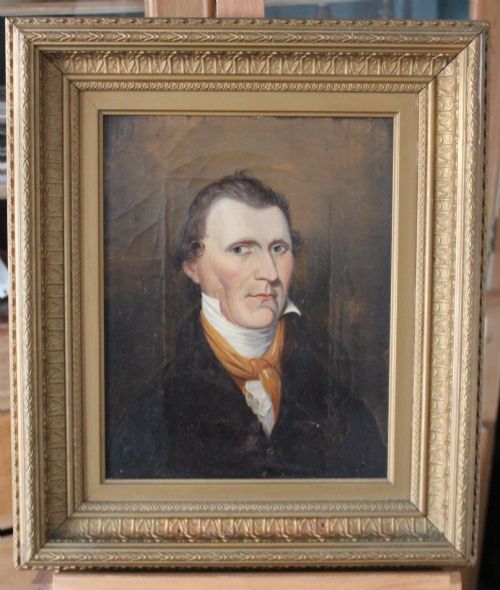
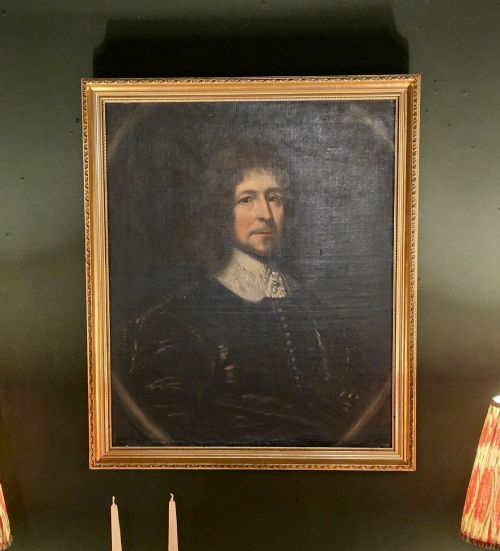
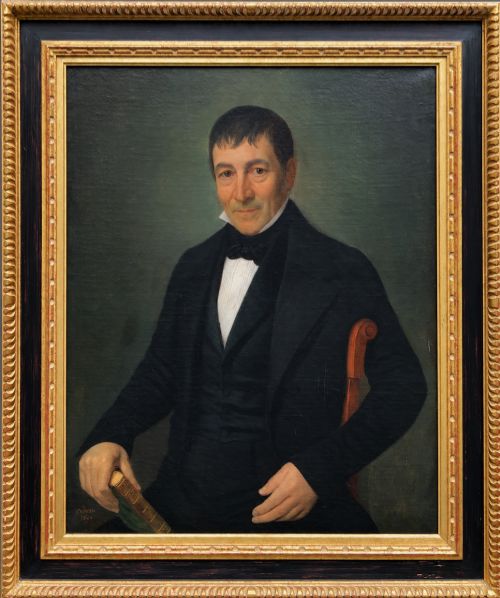
A dark oil portrait gentleman captures the likeness of a subject using deep, moody palettes spanning the 17th, 18th, and 19th centuries. These works range from small 18th-century paintings to large-scale French and English canvases depicting judges, soldiers, and nobles.
The most common examples encountered here rely on oil on canvas or oil on board, often set within period wooden frames. Subjects appear in formal dress, from intricate ruff collars and embroidered doublets to military uniforms and civilian attire.
Originating across various European and British schools, these portrait paintings reflect the distinct aesthetic tastes of the Baroque, Georgian, Regency, and Victorian periods.
Materials and construction
Painters utilised oil paint applied to stretched canvas or wooden panels, building up layers of rich pigment to achieve deep shadows and subdued lighting. Gold leaf and giltwood frequently accent the frames that house these historical works.
The foundational supports consist of wood and canvas, framed in carved or moulded timber that often bears the marks of age and restoration.
Dark Oil Portrait Gentleman Retail Price Guide 2026
Typical asking prices for dark oil portrait gentleman among the pieces listed under this phrase on Sellingantiques today, from the lower quarter to the upper quarter. They describe what is for sale here now, not the wider market.
Listings feature works spanning the 17th century through the Victorian era, executed in oil on canvas and wood.
Distinctions in quality
The integrity of the original canvas and paint layers, alongside the matching period frame, dictates the overall historical value and visual impact of the piece.
JOHN SCOUGALL·SIR ANTHONY VAN DYCK·SIR GODFREY KNELLER·RENÉ CADEAU·SIR WILLIAM BEECHEY RA·CHARLES JERVAS·MARY BEALE·WILLIAM BLAKE RICHMOND
The Dark Oil Portrait Gentleman Glossary
- Oil on Canvas
- Pigment mixed with drying oil applied to a woven fabric support stretched over a wooden frame. This medium allowed artists to achieve rich tones and smooth blending.
- Giltwood
- Wood that has been coated with a thin layer of gold leaf or gold paint. Frames utilising this technique provide a contrasting border to the dark tones of the painting.
- Ruff
- A prominent, pleated collar worn in European fashion during the 16th and 17th centuries. These elaborate accessories often indicate the social status of the sitter.
- School
- A group of artists working in a similar style, region, or time period, often following the traditions of a master. Attributions to a specific school denote stylistic origin rather than an individual creator.
Dark Oil Portrait Gentleman: Frequently Asked Questions
How do I identify the period of a portrait?
Examination of the sitter's clothing, hairstyle, and collar style offers the most reliable clue to dating a historical painting. Portraits from the 17th century often feature ruffs or dark doublets, while Regency and Victorian subjects display later tailoring.
The construction of the canvas support and the style of the frame also provide context, though frames are frequently replaced over centuries.
Where were these portraits originally hung?
These paintings typically hung in the ancestral homes, libraries, and formal reception rooms of country estates and townhouses. They served to record lineage, social standing, and political allegiance.
Today, they translate well to private studies, living rooms, and hallways where their dark tones create a grounded atmosphere.
How should I light an oil portrait?
Warm, indirect lighting works best for oil paintings to prevent glare on the varnished surface. Picture lights equipped with low-heat LED bulbs protect the historical pigments from degradation.
Positioning the painting away from direct sunlight preserves the stability of the canvas and prevents fading of the darker pigments.
What does attribution to a school mean?
An attribution to a specific school indicates that the work was produced by an anonymous artist operating within the stylistic tradition of that region or period. These pieces share technical methods and visual characteristics with documented masters of the era.
Such works offer historical presence without the documentation of a signed signature.