

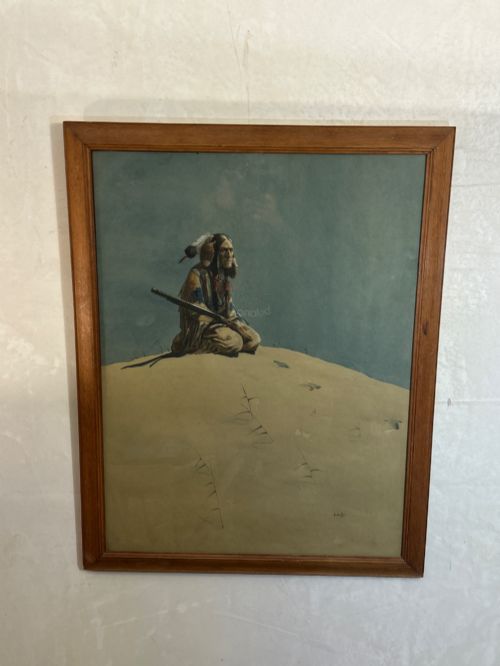
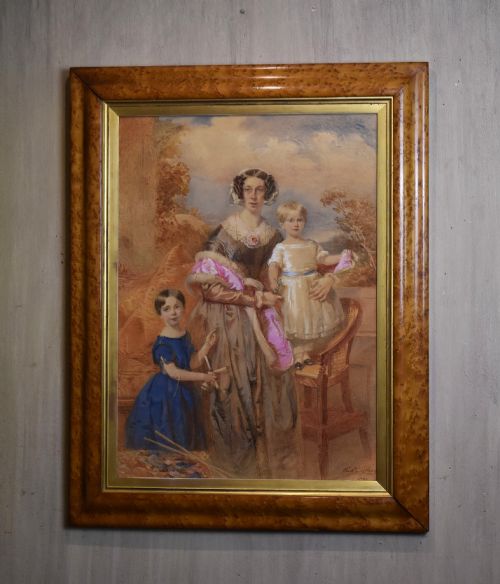


Timber Framed Portrait Painting
A timber framed portrait painting brings character and history directly into a room, offering genuine depth through traditional oil and canvas work.
Timber Framed Portrait Painting
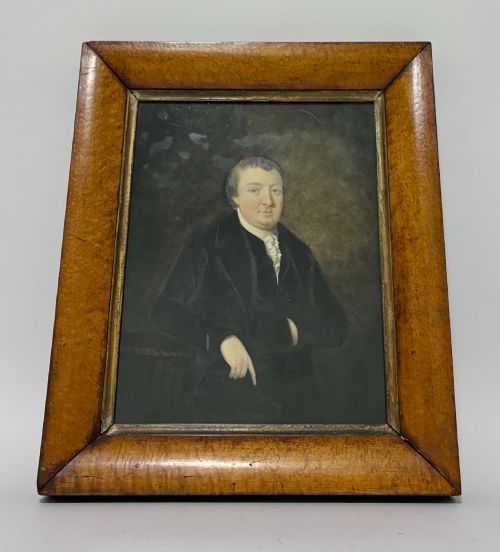
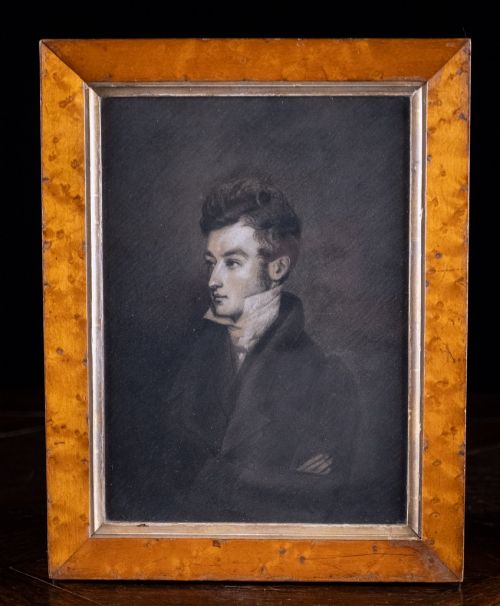
A timber framed portrait painting represents a significant intersection of fine art and period woodwork, capturing historical figures, gentlemen, ladies, and subjects from past centuries. These works span multiple eras, including the Georgian, Regency, and Victorian periods, reflecting the shifting aesthetic values of British and European portraiture over time. Buyers searching for a timber framed portrait painting encounter a rich variety of mediums, ranging from traditional oil on canvas to delicate watercolours housed within robust wooden surrounds.
Collectors drawn to timber framed portrait painting appreciate the tangible connection to past lives and historical narratives found within each brushstroke. The presence of named sitters, such as Mr John Heap or Joseph Pridham, grounds these artworks in actual genealogical history, while anonymous subjects offer an air of enduring mystery. The integration of wood, gilt, and canvas creates a complete decorative object suited for traditional interiors and period properties.
How they were made
The creation of these artworks relies primarily on oil paint applied to canvas or wood panels, alongside occasional works executed on paper. Artists utilised layered pigment techniques to build depth in skin tones, textiles, and background details, allowing oils to dry slowly for smooth blending and rich tonal gradation.
Surrounding timber frames were constructed using traditional woodworking joinery, often incorporating gilt or carved elements to complement the status of the portrait within. The combination of dense wood and stretched canvas protected the delicate painted surfaces from environmental shift, ensuring long-term structural integrity for centuries.
Timber Framed Portrait Painting Retail Price Guide 2026
Typical asking prices for timber framed portrait painting among the pieces listed under this phrase on Sellingantiques today, from the lower quarter to the upper quarter. They describe what is for sale here now, not the wider market.
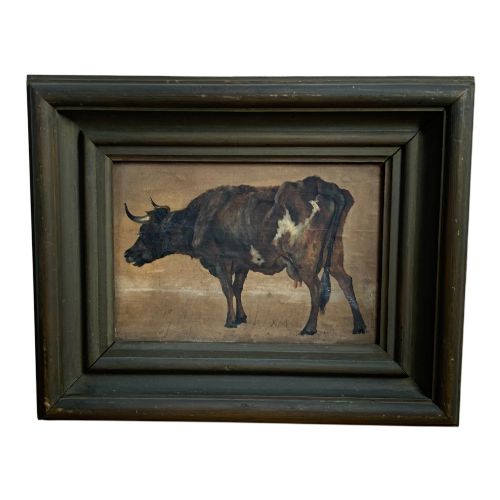
Cows and horses occasionally share wall space with Regency gentlemen and Scottish lasses.
What varies in quality
The fidelity of the brushwork and the anatomical accuracy of the sitter distinguish superior portraits from more rudimentary studio productions. Master artists achieved subtle interplay of light and shadow across the face, whereas lesser works display stiff proportions and flat, unmodelled surfaces.
The craftsmanship of the timber frame significantly influences the overall desirability of the piece. Hand-carved, period-original wooden surrounds demonstrate superior joinery and ornamentation compared to later replacements, elevating the historical harmony of the complete artwork.
Caroline Pridham·Frederick Tatham·George E Sharpe·William Woodhouse
The Timber Framed Portrait Painting Glossary
- Oil on Canvas
- Pigment mixed with drying oil applied to a woven fabric support stretched across a wooden frame. This medium allowed artists to achieve rich colours and subtle blending.
- Gilt
- A thin layer of gold leaf or gold paint applied to the surface of the timber frame. It provides decorative enhancement and reflects interior candlelight.
- Watercolour
- Pigments suspended in a water-based solution applied to paper. This medium produces translucent washes often found in 19th-century works.
- Passage Portrait
- A secondary copy or derivative version of a notable historical painting created in a later period. These works allowed collectors to own representations of famous portraits.
- School
- A group of artists working in a similar style or geographic region during a specific era, often used when an individual creator remains unidentified.
Timber Framed Portrait Painting: Frequently Asked Questions
How do I date a timber frame?
Dating a wooden frame involves examining the joinery techniques, tool marks, and the composition of the underlying wood species. Older frames often utilise handmade nails and pegged corners that differ from modern manufacturing methods.
Matching the style of the timber moulding to the estimated period of the portrait provides additional context. However, frames were frequently changed over the centuries to suit shifting interior tastes.
Are these portraits original period pieces?
The selections encompass authentic period works originating from the eighteenth, nineteenth, and early twentieth centuries. Each piece reflects the painting conventions and materials characteristic of its specific era.
Descriptions indicate whether a work is a contemporary portrait from life, a later watercolour, or a retrospective passage painting after an earlier master.
How should I hang an oil painting?
Hanging heavy timber framed artwork requires secure fixings anchored directly into wall studs or using heavy-duty masonry plugs. Ensuring the weight is evenly distributed prevents strain on the canvas stretcher bars.
Position paintings away from direct sunlight and strong heat sources to protect both the oil pigments and the wooden frame from drying out or warping.
What is a passage portrait?
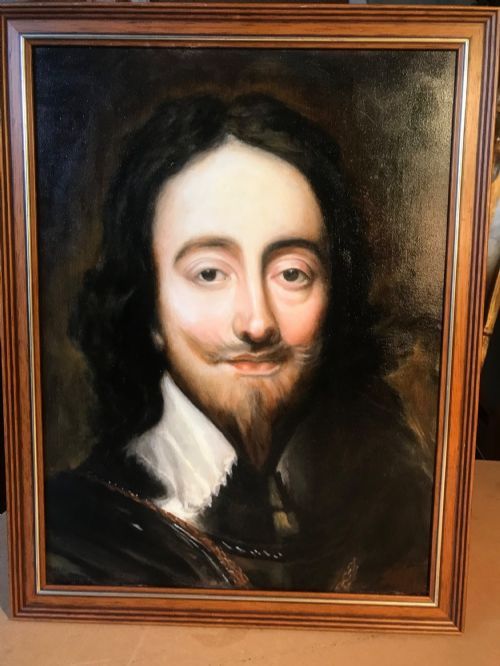
A passage portrait is a later painted copy or interpretation of a famous historical artwork, executed by an artist working in a subsequent era. These allowed owners to possess likenesses of important historical figures when originals were unattainable.
Such works hold their own artistic merit, showcasing the skill of the later painter who interpreted the composition of masters like Van Dyck.
How do I clean an old painting?
Surface dust on the timber frame and canvas can be gently removed using a soft, dry brush. Avoid using household cleaning liquids, water, or chemical solvents on the painted surface.
Professional conservators should handle deeper cleaning, such as removing darkened varnish or stabilising flaking oil paint, to prevent damaging the historic pigment layers.