


Dark Oil Portrait Canvas
A dark oil portrait canvas brings mood and presence to a room, capturing a striking likeness through deep tones and historic brushwork.
What These Works Are
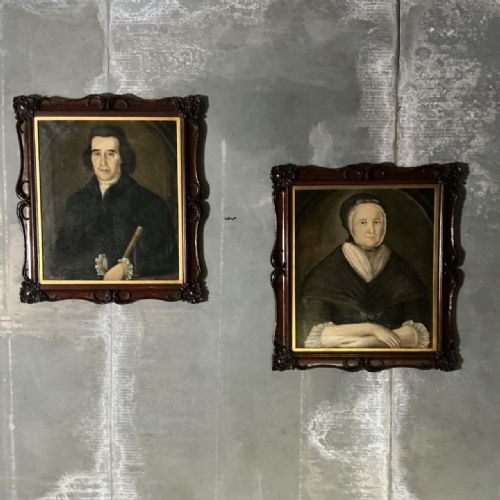
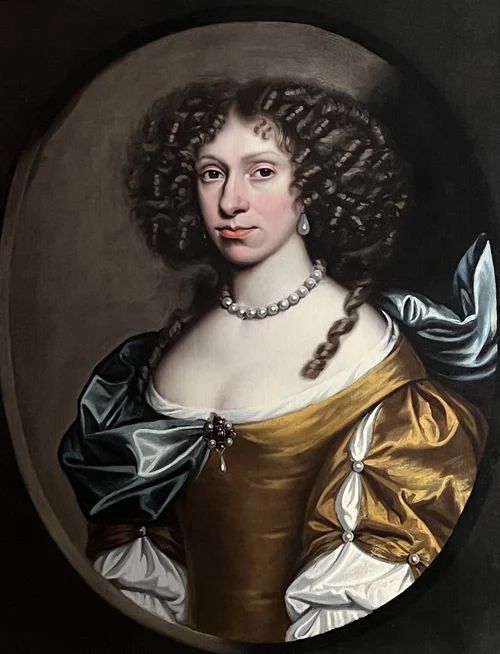
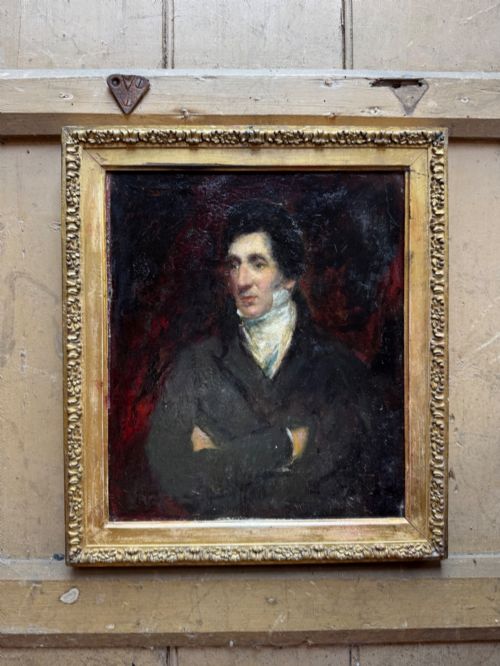
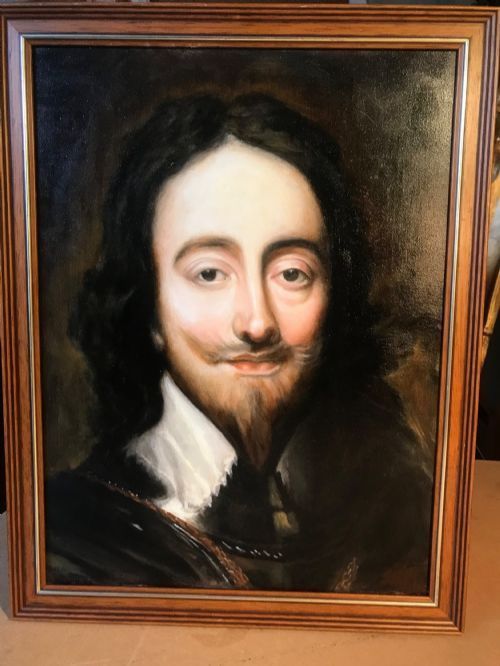
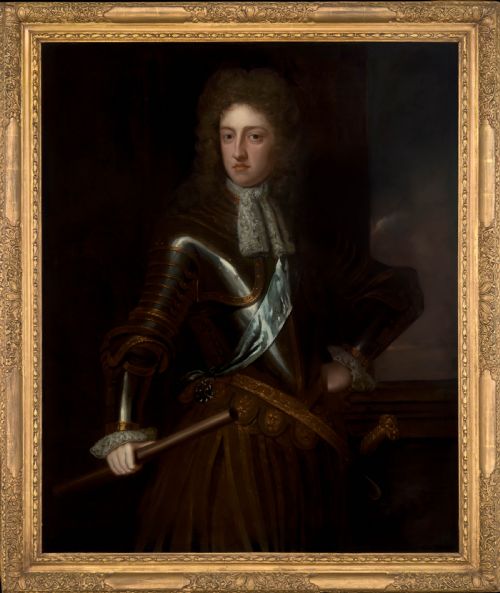
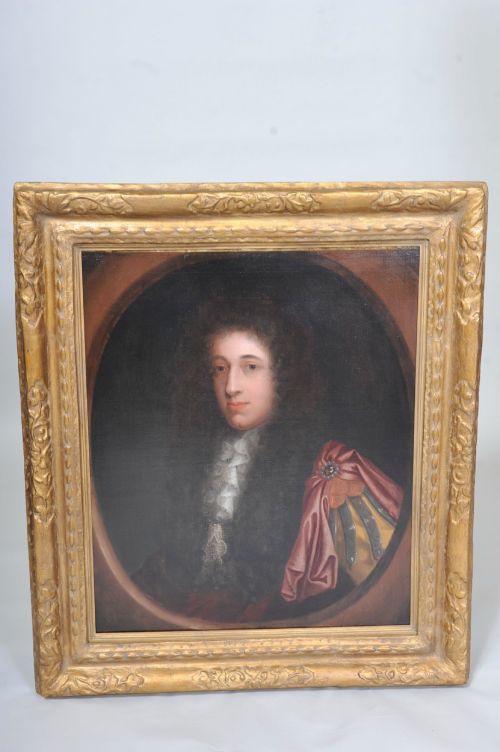
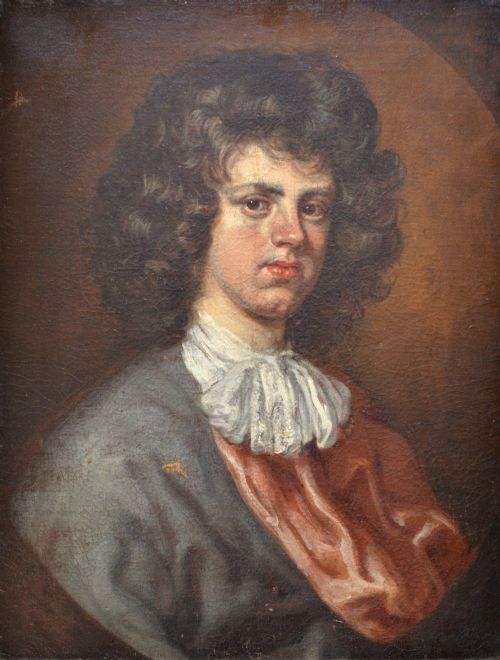
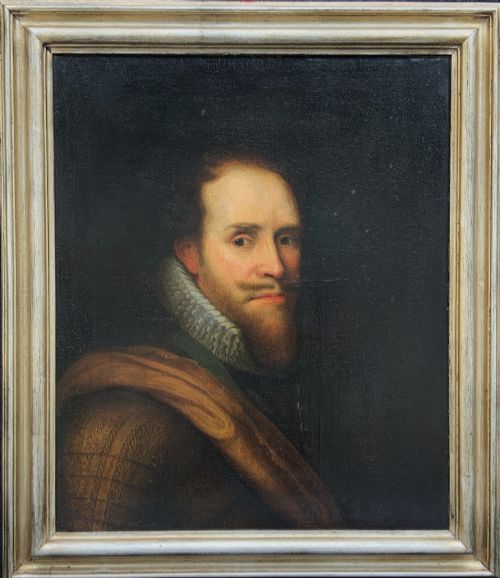
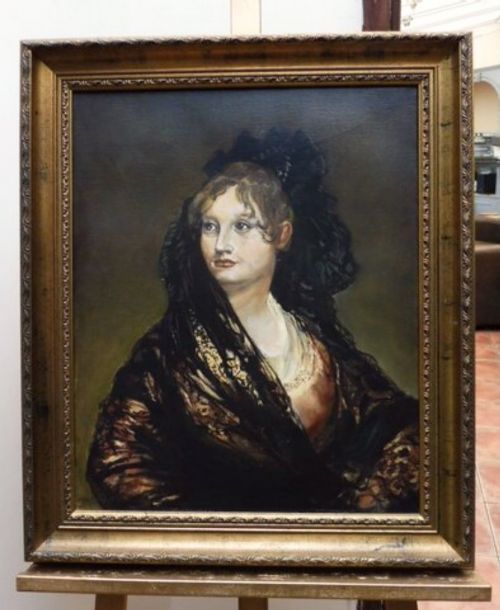
A dark oil portrait canvas captures human likeness with sombre depth and shadow, often emerging from near-black backgrounds. These paintings embody the traditional approaches found across the Regency, Victorian, and 18th century periods.
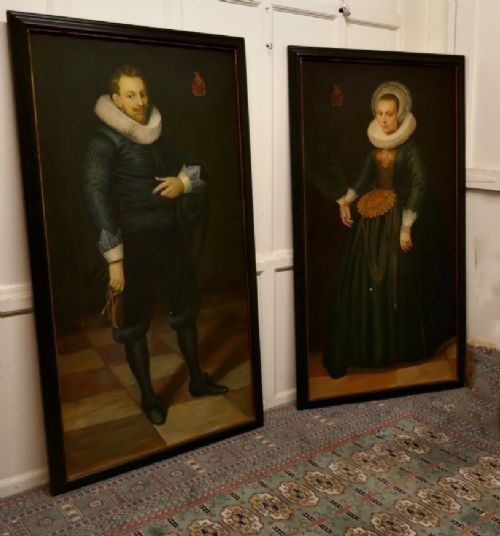
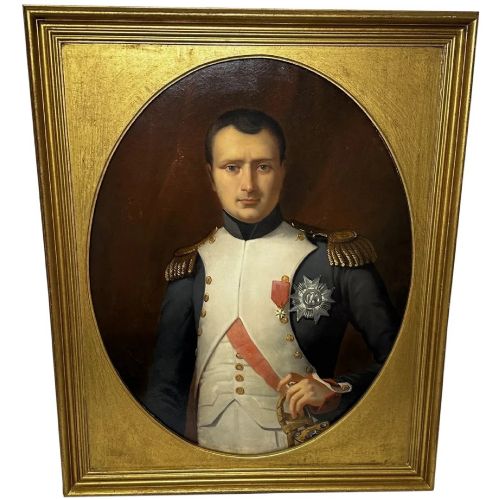
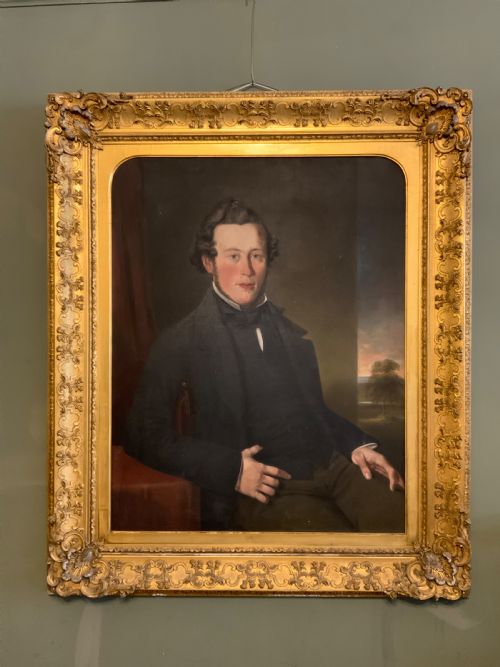
The pieces available here span specific historic interpretations, including French Empire and Dutch Golden Age traditions. Subjects range from named individuals like Napoleon I and Aechje Claesdr to anonymous sitters such as a seated gentleman or a generic portrait of a man.
Originating from periods such as the 19th century and 1750, these oil paintings demonstrate the enduring appeal of sombre portraiture. Each canvas carries the distinct stylistic markers of its era, preserved through centuries of display.
Materials and Technique
The creation of these works relies on oil paint applied directly to a woven canvas support. Artists utilised rich pigments to build deep shadows and subtle highlights characteristic of the dark portrait tradition.
Several pieces are housed within their original or period frames constructed from gilded wood, gilt wood, or giltwood. The combination of oil on canvas with ornate gilded framing defines the physical structure of these historic artworks.
Retail Price Guide 2026
Typical UK retail prices for dark oil portrait canvas, calculated from the Sellingantiques database of over a million retail prices indexed since 2003. This retail price guide relies exclusively on Sellingantiques data; no external sources or auction records are used, so the figures do not describe the wider market.
One portrait faithfully captures Aechje Claesdr at the ripe age of eighty-four, proving that everyone loves a formidable octogenarian on canvas.
Measures of Quality
Quality in a dark oil portrait canvas rests upon the skill of the brushwork and the psychological depth captured in the sitter's expression. Masterful handling of light against dark backgrounds creates a three-dimensional presence that lesser works miss.
The preservation of the original canvas and the integrity of the paint surface dictate the standing of a piece. Finer examples retain their deep tonal contrasts without excessive darkening or heavy restoration obscuring the original hand.
The Dark Oil Portrait Canvas Glossary
- Oil on Canvas
- A painting medium where pigments suspended in drying oils are applied to stretched fabric. This combination allows for rich blending and deep tonal graduation.
- Giltwood
- Wood that has been treated with a thin layer of gold leaf or gold paint. Frames made from this material add significant historic context and visual weight to the painting.
- Regency
- An English stylistic period spanning the early nineteenth century. Works from this era often display specific classical restraint alongside romantic undertones.
- Dutch Golden Age
- A period in Dutch history spanning the seventeenth century known for mastery in painting. Later works often emulate the dramatic lighting and dark palettes characteristic of this time.
Frequently Asked Questions
How do I hang a dark oil portrait canvas?
Position the painting at eye level on a wall where directed lighting can illuminate the subtle details emerging from the dark background. Ensure the hanging hardware is securely fixed to support the combined weight of the canvas and its wooden frame.
Keep the piece away from direct sunlight and sudden temperature changes to protect the oil paint and canvas over time.
What periods do these portraits come from?
The pieces span the eighteenth and nineteenth centuries, including specific dates like seventeen fifty and the Regency and Victorian eras. Each period brings distinct clothing styles and painting techniques to the canvas.
French Empire and Dutch Golden Age stylistic influences further help date and contextualise the artwork.
Are these paintings signed by artists?
Many historic portraits remain unsigned or depict subjects after famous masters rather than being original first-hand creations. Attributions often rely on stylistic analysis, subject matter, and the materials used.
Examining the canvas edges and frame backing can sometimes reveal historic inscriptions or labels.