

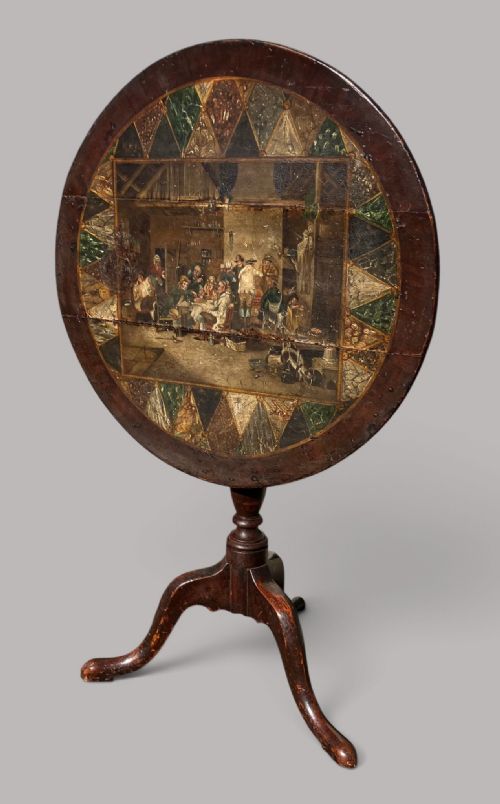
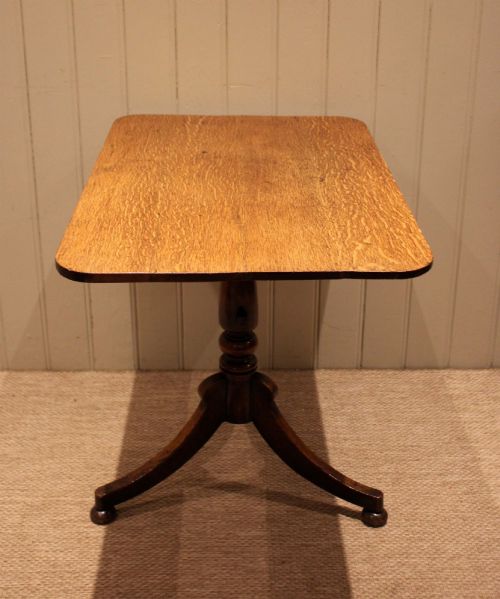
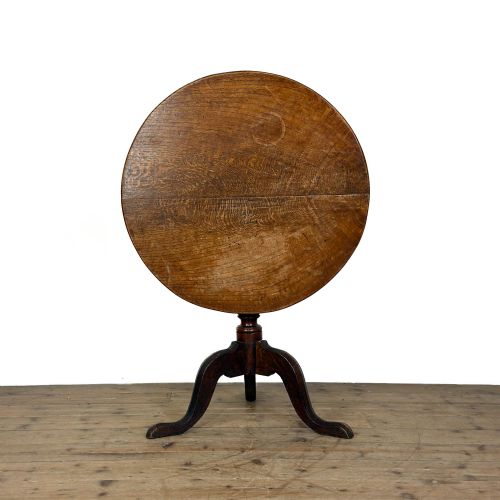
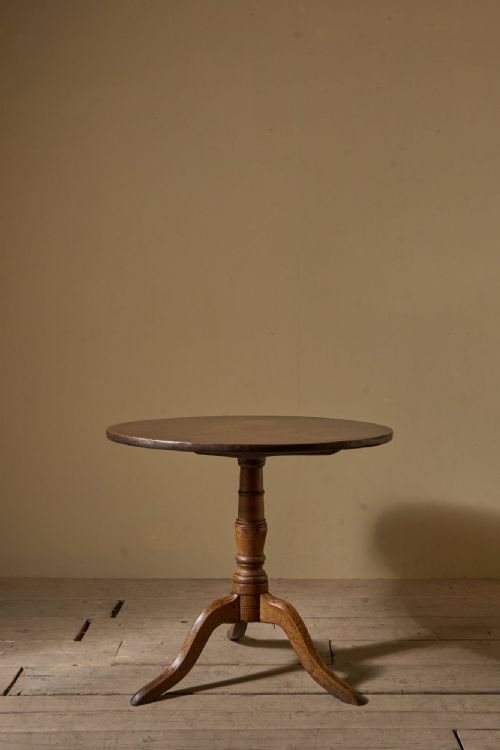
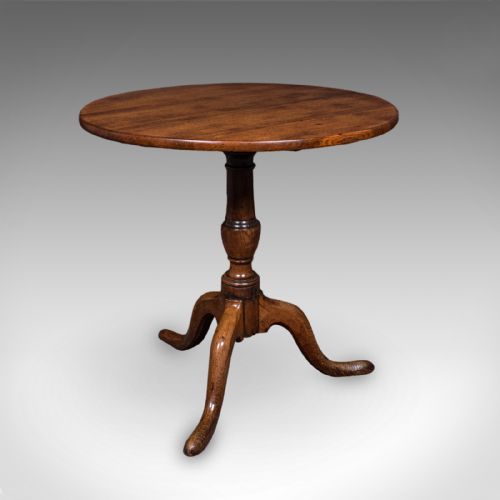


Dark Oak Tilt Top
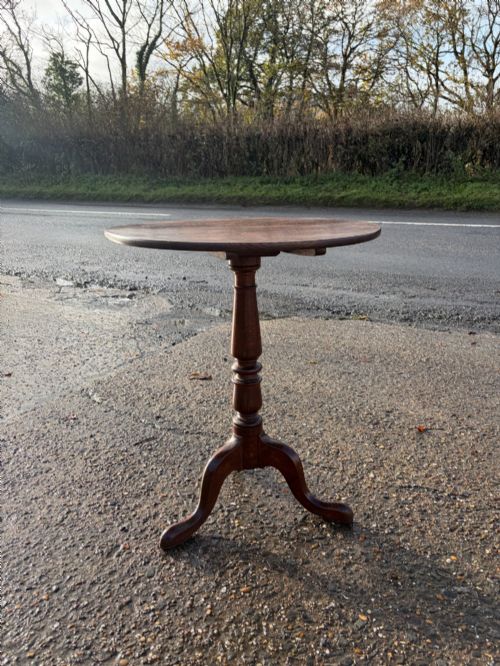
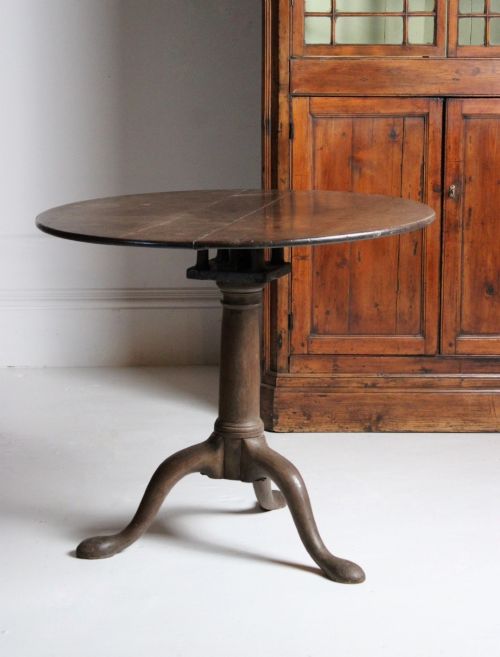
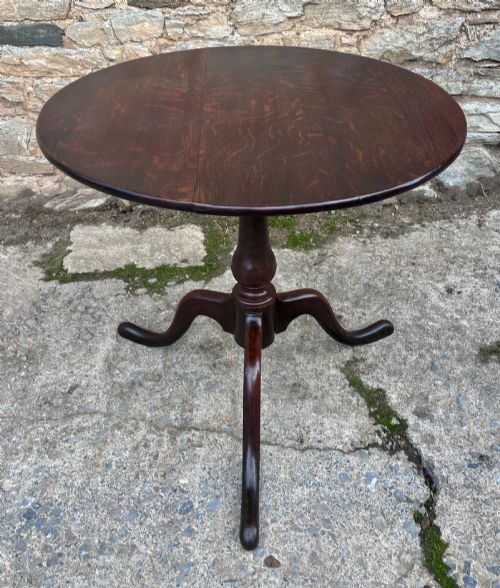
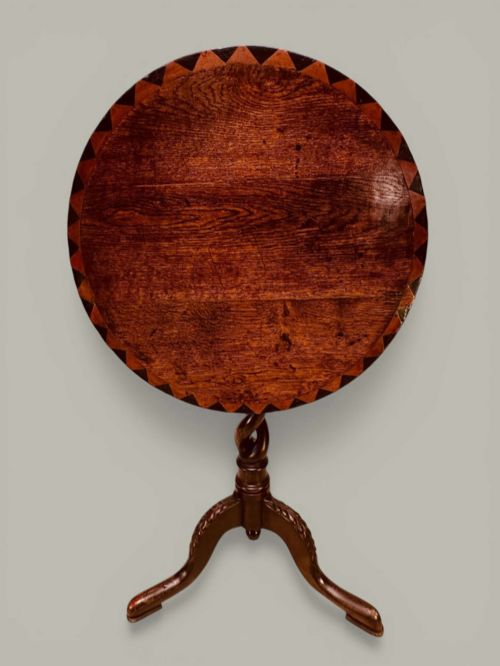
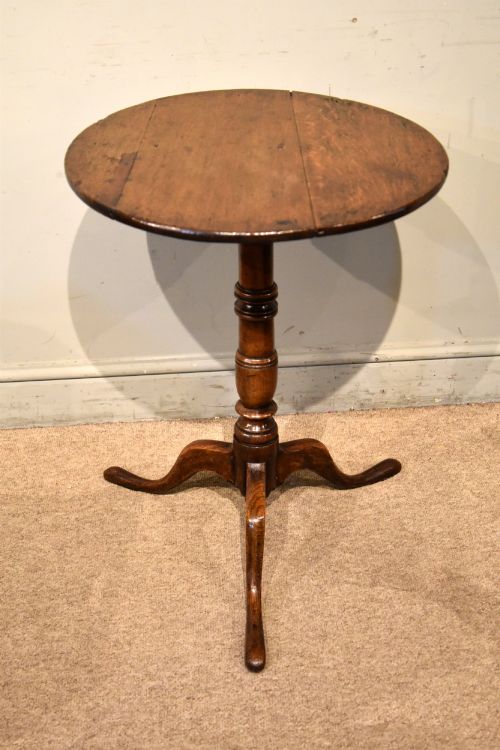
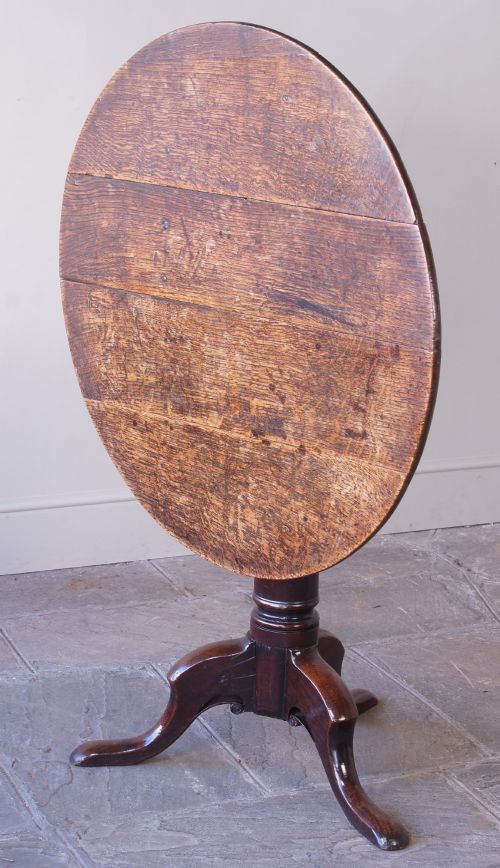
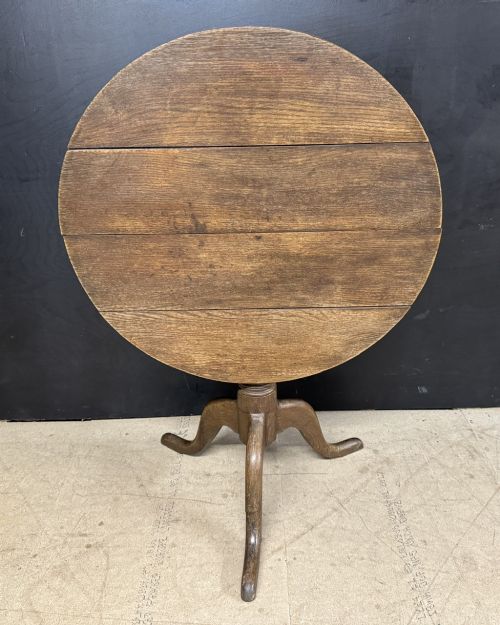
Dark oak tilt top tables are practical folding pieces designed for compact spaces, offering centuries of English and European craftsmanship in rich timber.
Dark Oak Tilt Top
When searching for dark oak tilt top, a buyer encounters a variety of small occasional furniture, including tripod wine tables and larger dining pieces from the eighteenth and nineteenth centuries. These items feature pivoting mechanisms that allow the top to fold flat when not in use, a space-saving design long favoured in domestic interiors.
The selections on this page span several eras, with eighteenth-century Georgian examples appearing alongside Victorian interpretations and later revivals. Vernacular country pieces sit beside refined pedestal tables, showing diverse regional British and continental styles.
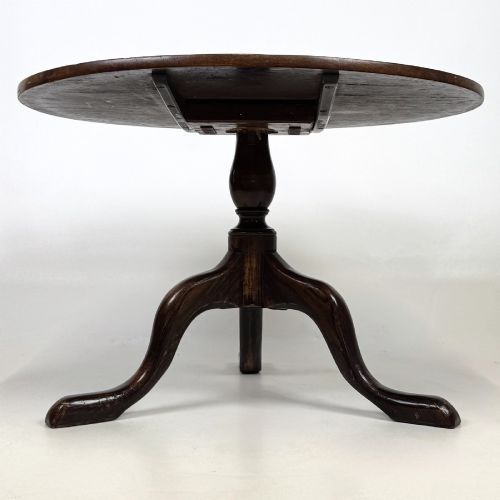
Most pieces employ solid oak timber or burr oak veneer, frequently supported by tripod legs or central pedestals. Forms range from small lamp tables to larger folding vineyard tables and monks benches.
Assessing Quality and Character
The distinction between ordinary utility items and superior examples lies in the figure of the wood, particularly in burr oak selections, and the precision of the pedestal turning. Finer pieces demonstrate careful proportion in the tripod base and smooth operation of the tilt mechanism.
Age-related patination and the depth of the dark oak finish contribute significantly to visual appeal. Tables that retain their original timber surfaces and stable pedestal joints command greater interest from collectors.
Dark Oak Tilt Top Retail Price Guide 2026
Typical asking prices for dark oak tilt top among the pieces listed under this phrase on Sellingantiques today, from the lower quarter to the upper quarter. They describe what is for sale here now, not the wider market.
The page includes specialised forms like wine tables, monks benches, birdcage tables, and folding vineyard tables.
The Dark Oak Tilt Top Glossary
- Tilt top
- A tabletop mounted on a pivot mechanism allowing the surface to fold vertical for storage or movement. This ingenious device saves floor space in smaller rooms.
- Tripod table
- A freestanding small table supported by three legs radiating from a central pillar. Such construction ensures stability on uneven older floors.
- Birdcage
- A rotating wooden frame beneath a tilt top that allows the table surface to both pivot and rotate. It represents a more complex mechanism found on better Georgian examples.
- Vernacular
- Everyday furniture built by local craftsmen using regional traditions rather than following formal urban design patterns. These pieces emphasise utility and local materials.
- Snaptop
- An alternative historical term for a tilt top table, referencing the catch that secures the top in a horizontal position. The spring or latch holds the surface firm during use.
Dark Oak Tilt Top: Frequently Asked Questions
What is a tilt top table used for?
These tables served primarily as flexible furniture for dining, drinking, or holding lamps in eighteenth and nineteenth-century parlours. Their folding design enabled servants to clear rooms quickly.
Today, they function well as decorative side tables or lamp stands in living spaces where floor area is limited.
How do I date an oak tilt top table?
Dating relies on examining the construction of the pedestal, the form of the tripod legs, and the joinery methods used beneath the top. Eighteenth-century examples often display simpler, hand-turned pillars and pegged joints.
Later Victorian and revival pieces frequently incorporate heavier mouldings, machine turning, or different secondary timbers that reflect nineteenth-century manufacturing shifts.
Are all these tables English?
While many listings originate from English workshops and country houses, the selection includes continental examples such as French vineyard tables. Regional variations appear across Welsh, Scottish, and English provincial pieces.
Examining the choice of secondary woods like fruitwood or beech often provides clues to a table's specific geographic origin.
How should I care for dark oak furniture?
Protect the timber by avoiding direct sunlight and maintaining stable room humidity to prevent the oak from drying out or splitting. Gentle dusting with a soft cloth preserves the historic wax or polish finish.
Apply a traditional beeswax polish sparingly when the wood appears dry, buffing it gently to maintain the natural lustre.