



Dark Oak Tavern Table
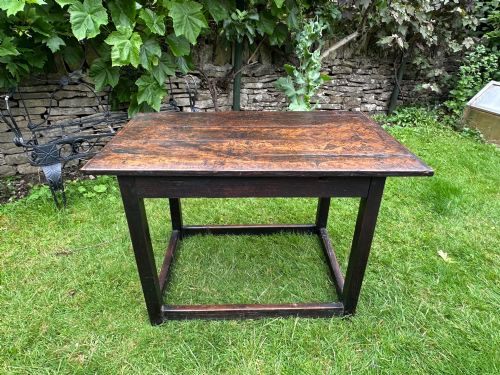
A dark oak tavern table brings solid vernacular character to a room, offering sturdy construction and rich timber patination built for everyday communal use.
Dark Oak Tavern Table
A dark oak tavern table provides a robust surface rooted in centuries of practical domestic and public use. These pieces emerge primarily from the seventeenth, eighteenth, and nineteenth centuries, spanning Georgian and Jacobean stylistic influences.
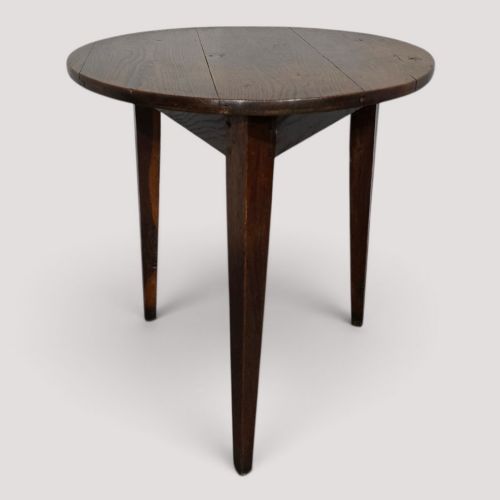
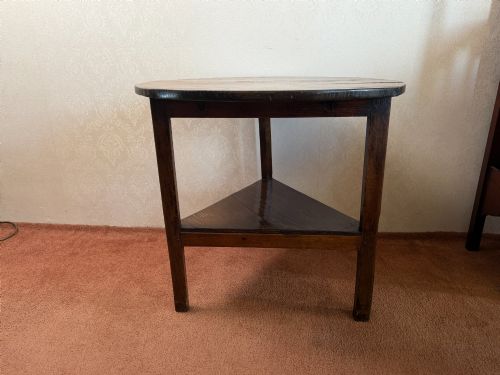
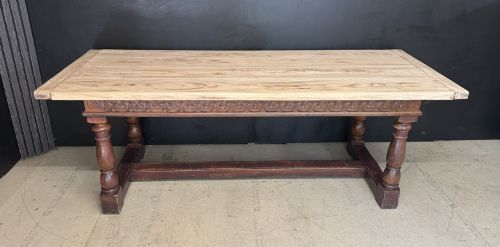
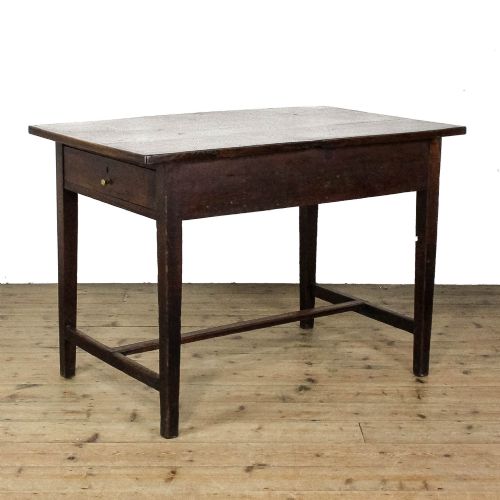
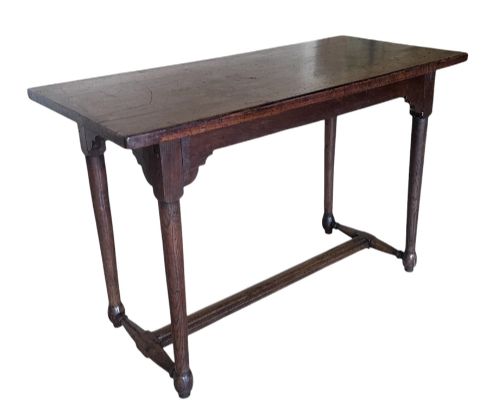
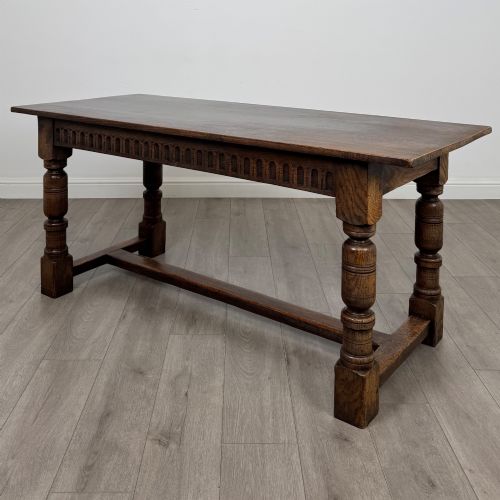
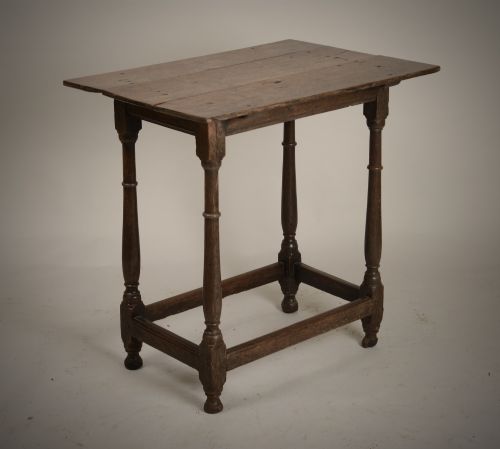
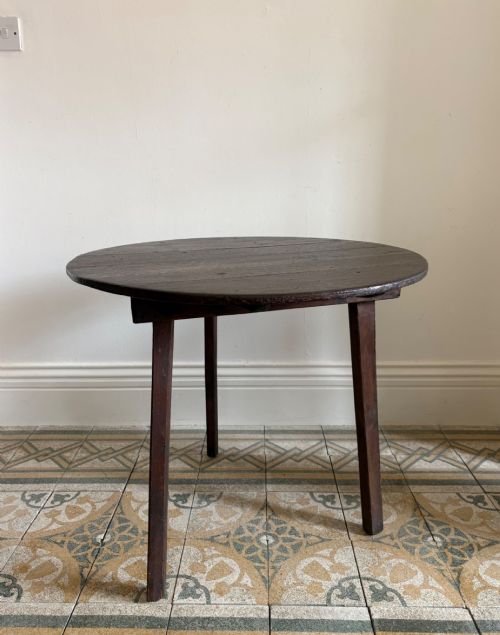
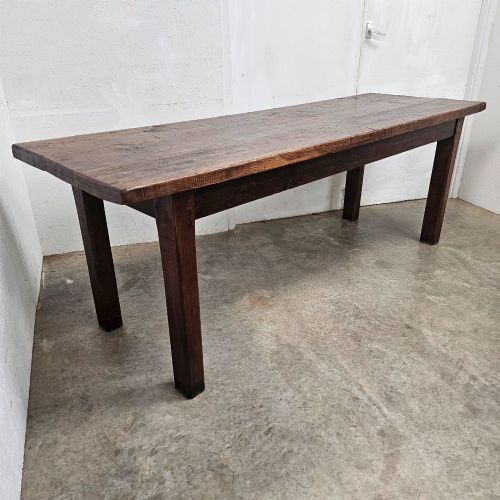
The version most commonly met on this page is the sturdy oak tavern table, often accompanied by related forms such as cricket tables, refectory tables, and side tables in oak, elm, and pine.
Makers shaped these surfaces for country kitchens, taverns, and dining halls, resulting in forms that balance utilitarian strength with honest regional craftsmanship.
How they were made
Carpenters relied predominantly on solid oak, frequently paired with elm tops, pine bases, and occasional accents of walnut, mahogany, brass, or iron. Planks were joined with traditional framing methods to withstand heavy daily wear in public houses and farmhouses.
Structural integrity relied on thick timber tops, sturdy legs, and stretcher bases designed for stability on uneven floors. Surface finishing developed naturally through decades of use, handling, and regular waxing rather than applied factory finishes.
What varies in quality
The standard of a dark oak tavern table rests on the proportion and integrity of its timber, particularly the selection of single plank tops and the honesty of its construction. Superior examples retain their original structural timbers without excessive replacement or unsympathetic modern alterations.
Depth of colour and surface patination distinguish the finest pieces, showing the natural warmth built through generations of exposure. Tables that retain their original bases and uncompromised joinery stand distinctly apart from heavily restored equivalents.
The Dark Oak Tavern Table Glossary
- Tavern table
- A sturdy timber table historically utilised in public houses and domestic kitchens for dining and gathering. These pieces typically feature robust legs connected by stretchers for added stability.
- Cricket table
- A small three-legged round table, often constructed with an oak top and elm or pine legs. The three-legged design ensured stability on uneven floors found in older buildings.
- Refectory table
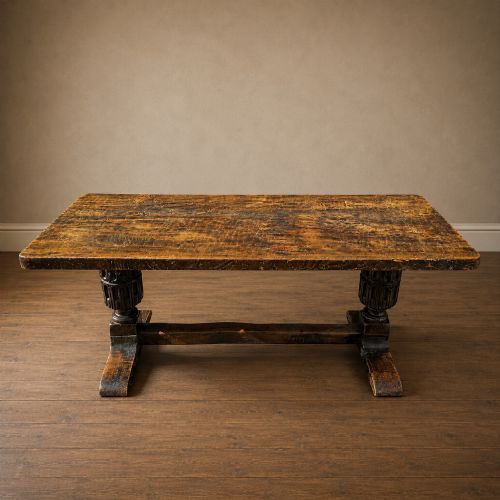
- A long, narrow dining table traditionally built for communal dining halls in monasteries or large country houses. Surviving examples often display thick plank tops supported by substantial trestle or leg assemblies.
- Patina
- The deep surface sheen and rich colour developed by hardwood over centuries of handling, polishing, and light exposure. This characteristic layer marks genuine age and careful maintenance.
- Plank top
- A table surface constructed from joining wide boards of timber running the length of the table. Early examples frequently utilise single wide planks of oak or elm.
Dark Oak Tavern Table: Frequently Asked Questions
How do I identify a genuine tavern table?
Look for honest timber construction, traditional joinery methods, and signs of age appropriate to the seventeenth or eighteenth centuries. Original plank tops and sturdy stretcher bases indicate authentic period pieces.
Examine the underside and legs for tool marks and wear patterns consistent with hand-tool manufacturing. Genuine examples display a natural patination that modern reproductions cannot replicate.
Were these tables used only in pubs?
While designed for commercial alehouses and inns, similar sturdy tables served practical functions in farmhouses, dairies, and domestic kitchens. Their robust build suited any environment requiring a hard-wearing communal surface.
Households utilised them for food preparation, daily dining, and general household tasks. The distinction between tavern and farmhouse tables often relates more to regional naming than a difference in original function.
How should I care for an antique oak table?
Maintain the wood by applying natural beeswax sparingly and buffing with a soft cloth to preserve the historic surface. Avoid synthetic cleaning products or placement near direct heat sources that cause timber to split.
Keep humidity levels stable in the room to protect ancient joints from movement. Gentle, regular care safeguards the patination accumulated over centuries.