


Dark Oak Storage Coffer
A dark oak storage coffer is a heavy, timber-built chest designed for household security and storage, offering centuries of domestic utility.
Dark Oak Storage Coffer
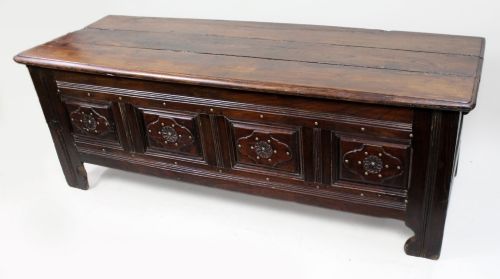
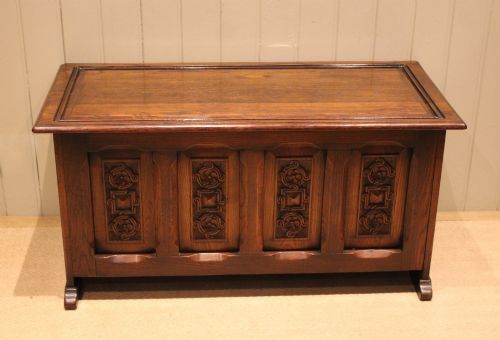
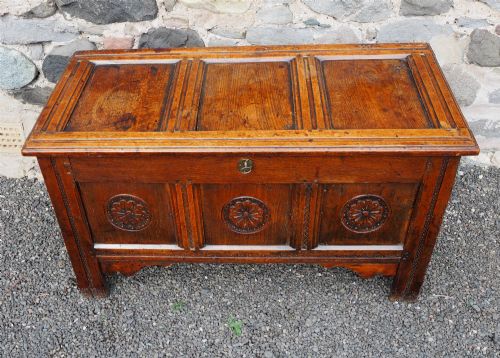
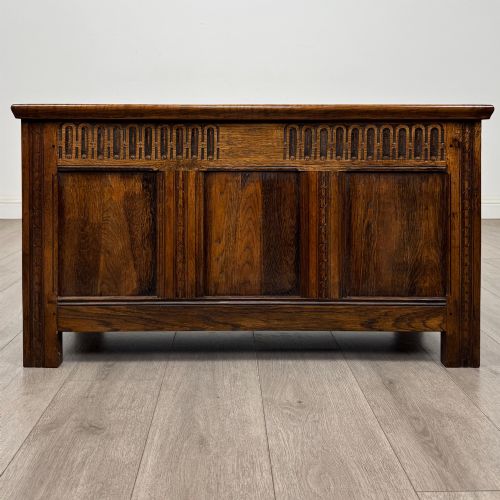
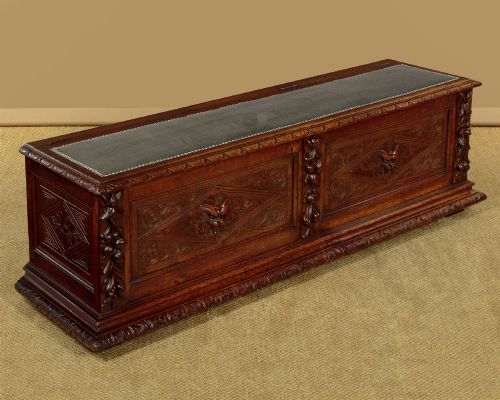
A dark oak storage coffer serves as a robust container built primarily from heavy timber, appearing frequently in seventeenth and eighteenth-century periods as well as later revival interpretations. These pieces function as blanket boxes, document chests, and hall furniture with lift-up lids, often displaying panelled construction.
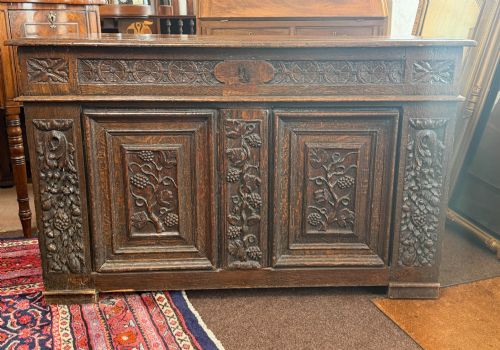
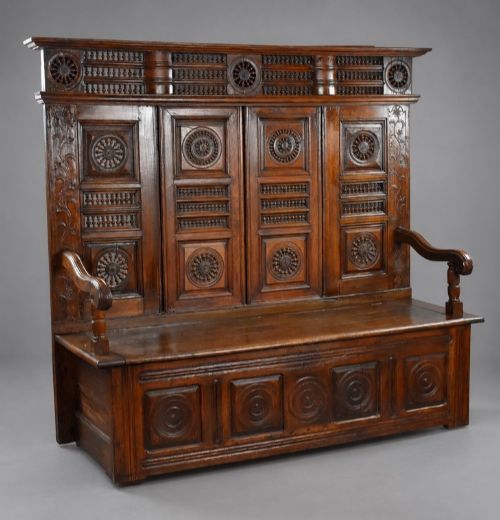
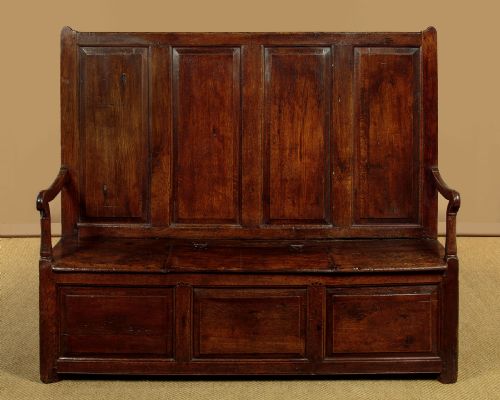
The versions met most often on this page range from plain country pieces to carved examples originating from English, Welsh, and continental workshops. Makers utilised sturdy joinery to construct these chests, which sometimes incorporate drawers, high backs, or settling benches.
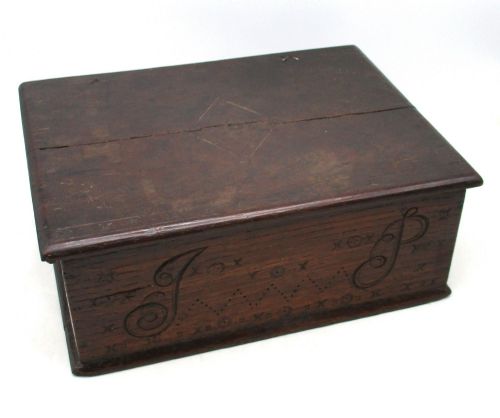
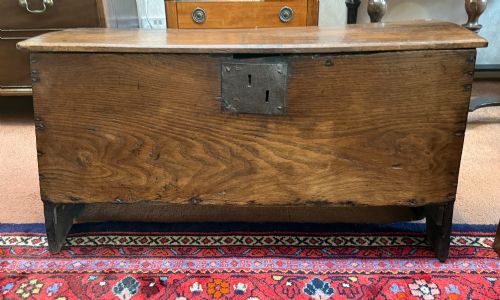
Buyers encountering a dark oak storage coffer will observe forms spanning from sixteenth-century medieval designs up to twentieth-century reproductions. The structural typology includes long domestic chests, miniature boxes, and boarded coffers equipped with iron or brass hardware.
Materials and Construction Techniques
Carpenters constructed a dark oak storage coffer using solid timber boards joined by mortise and tenon frames, securing panels that allowed the wood to expand and contract naturally. Iron hinges, locks, and brackets reinforce the heavy lids and corners, providing essential structural durability.
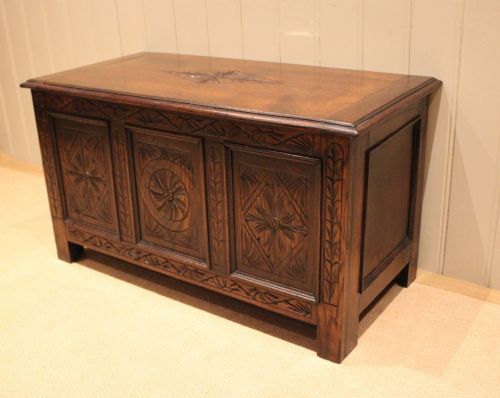
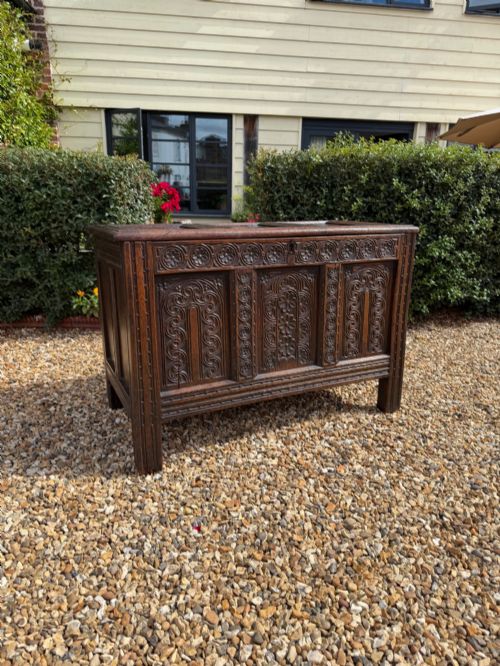
Surfaces frequently exhibit hand-carved ornamentation, including geometric guilloche, stylised foliage, and inlaid woods, reflecting Jacobean, Elizabethan, or regional vernacular styles. Workshops relied on hand tools such as adzes, saws, and chisels to shape the dense oak planks.
Materials appearing across these chests include solid oak, iron hardware, brass accents, leather, and mixed inlay woods such as ash.
Judging Quality in Storage Coffers
The standard of a dark oak storage coffer depends on the integrity of the original timber framing, the crispness of the hand-carved decoration, and the survival of period hinges and locks. Pieces retaining their original patination and unreplaced boards command greater interest among collectors.
Proportion and scale distinguish exceptional regional examples, such as small-proportioned Welsh or Flemish chests, from standard utility boxes. The depth of the colour, the tightness of the joinery joints, and the absence of extensive structural alterations define the upper tier of the range.
The Dark Oak Storage Coffer Glossary
- Coffer
- A large wooden chest used historically for storing valuables, textiles, or documents. These pieces typically feature a hinged lid and a rectangular box body.
- Panelled construction
- A method of joining timber where a frame of stiles and rails holds a thinner central panel in place. This technique accommodates seasonal wood movement without splitting.
- Settle
- A wooden bench with high backboards, solid arms, and a box seat that lifts up for storage. These items combine seating with integrated chest space.
- Marquetry
- The art of applying decorative veneer pieces in wood and other materials to form geometric or pictorial patterns on a surface. This technique appears on select revival and continental chests.
- Vernacular furniture
- Domestic items built by local craftsmen using regional traditions and readily available materials rather than following high-style urban designs. Welsh and French provincial pieces fall into this category.
Dark Oak Storage Coffer: Frequently Asked Questions
What were coffers used for originally?
Historically, households used these sturdy chests to store valuable garments, linen, silver, and important legal documents securely away from damp floors. Because people lacked fitted closets, a heavy chest served as the primary wardrobe and safe in domestic interiors.
Over time, these versatile pieces transitioned from secure strongboxes into everyday furniture used for blankets, general storage, and hallway seating.
How can I tell the age of an oak chest?
Determining the age involves examining the tool marks left on the timber, the construction methods used for the joints, and the style of the carved decoration. Early pieces from the sixteenth and seventeenth centuries typically display pegged mortise and tenon joinery and hand-riven boards.
Later Victorian and twentieth-century interpretations often exhibit machine-sawn timber, standardised screws, or revival styling that mimics earlier Jacobean motifs without genuine period wear.
Where should I place a coffer at home?
These chests fit well at the foot of a bed, beneath a window, or along an entrance hallway where the lift-up lid provides convenient access for bulky items. Their flat tops also allow them to function as display surfaces for lamps, books, or decorative objects.
When positioning the chest, avoid placing it directly against active heat sources or in damp areas, as extreme temperature shifts can dry out or warp the antique oak.