

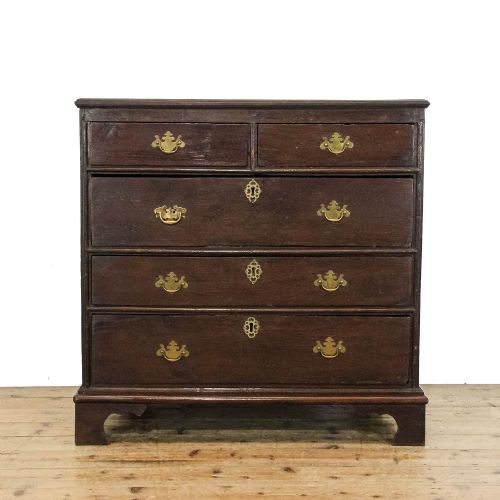
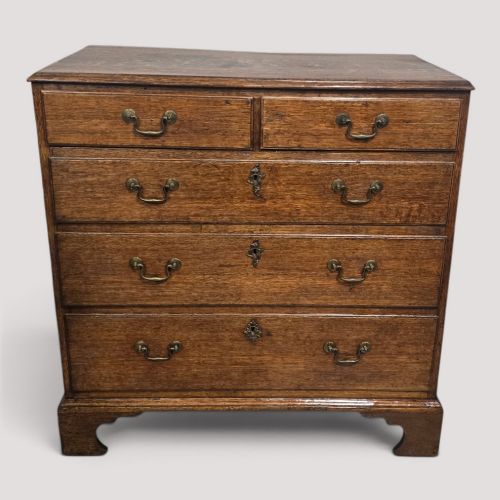
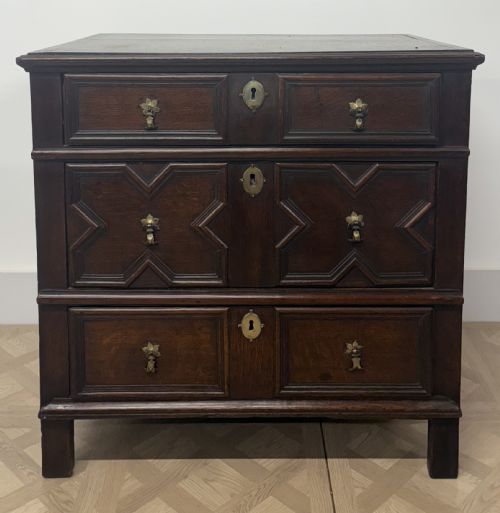
Dark Oak Dresser Chest
A dark oak dresser chest brings substantial timber and centuries of English craft into a room, offering both generous storage and deep historic character.
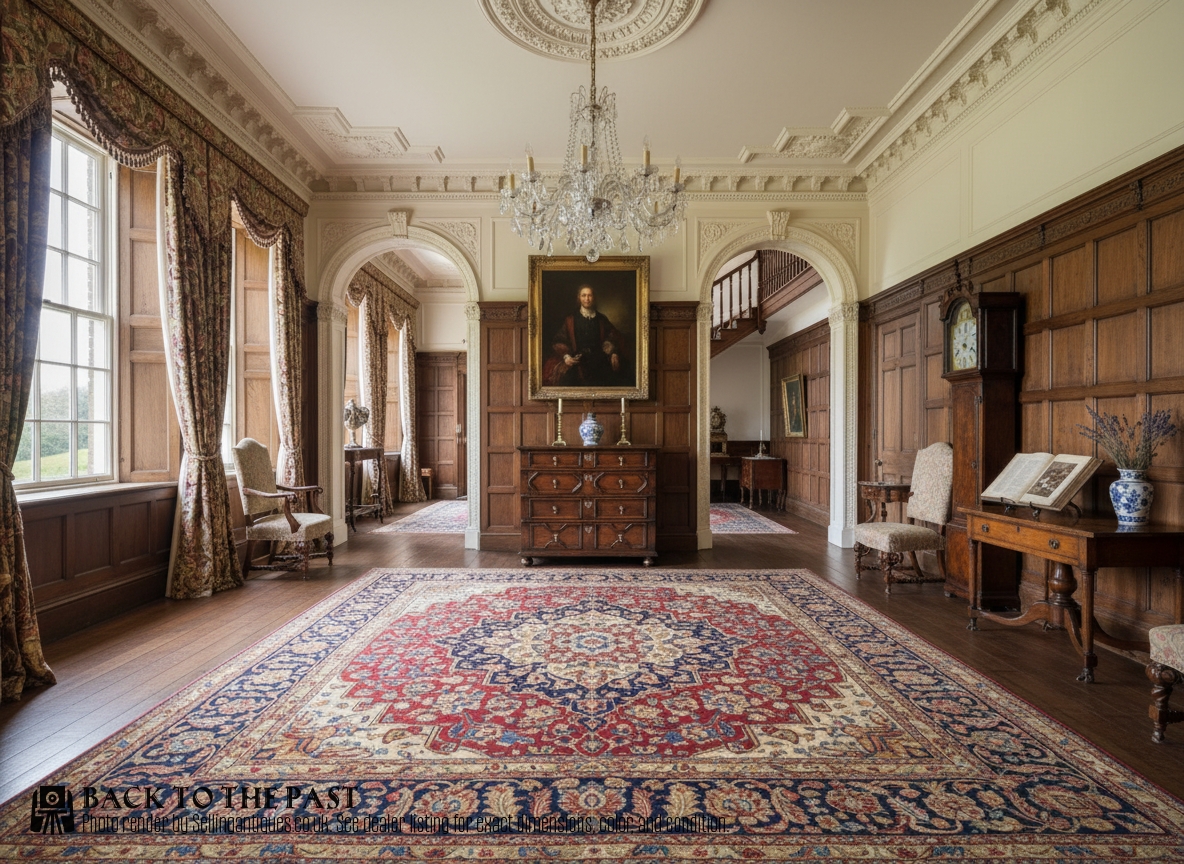
Dark Oak Dresser Chest
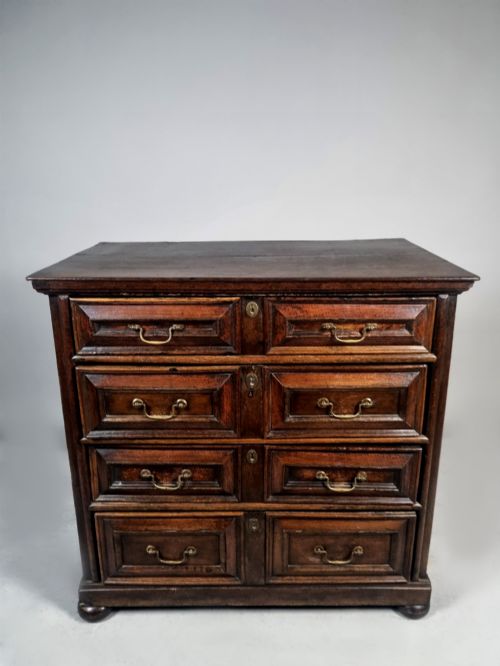
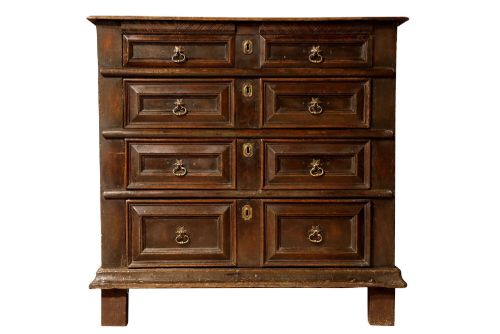
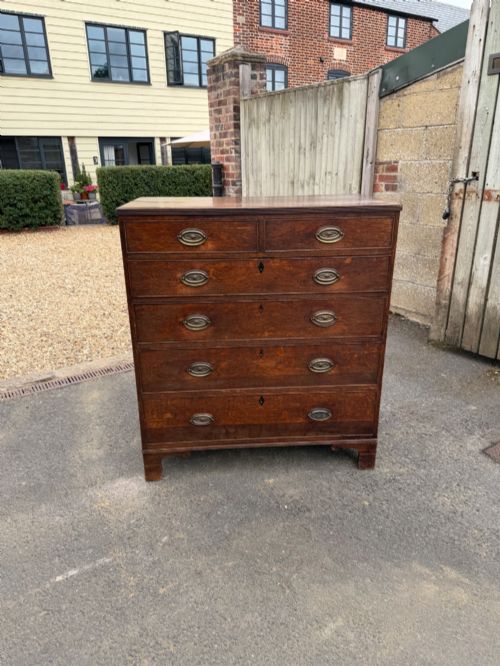
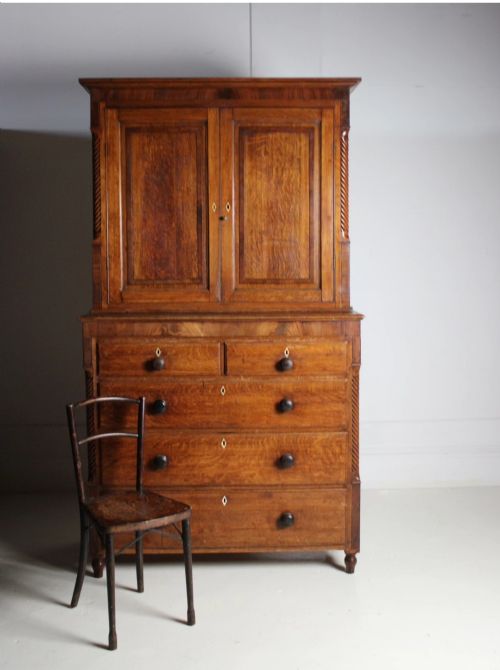
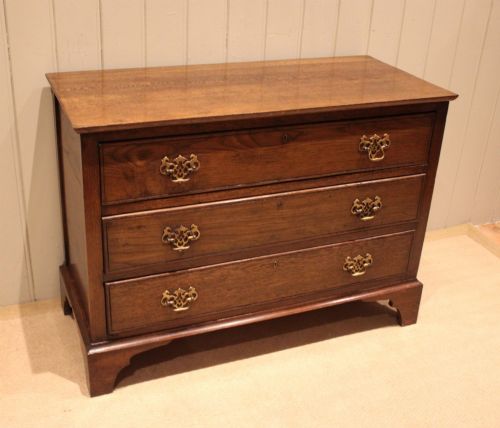
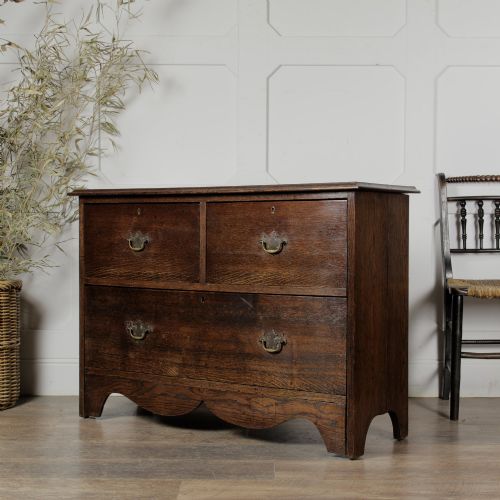
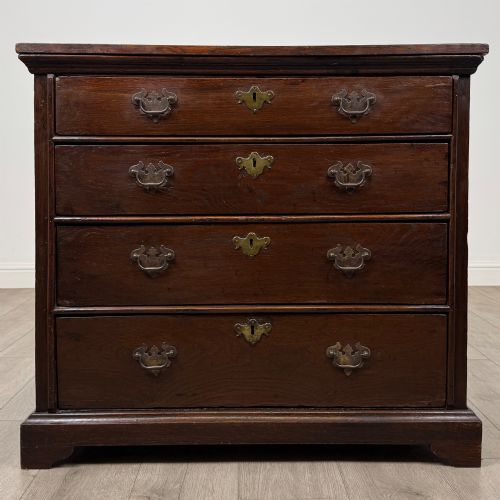
The version most commonly met on this page is the classic oak chest of drawers, often displaying the deep tones and robust joinery associated with early English country furniture. These pieces combine utilitarian storage with strong architectural presence, utilising traditional proportions suited to domestic use.
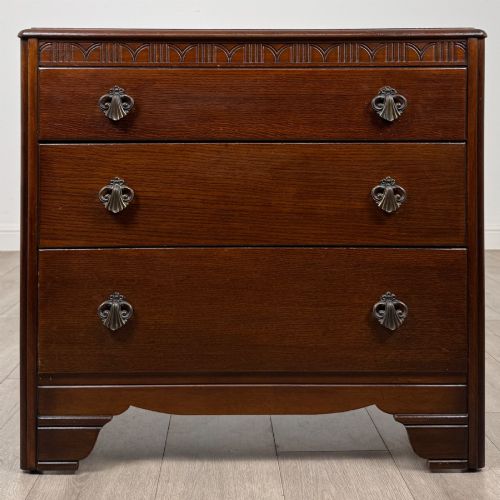
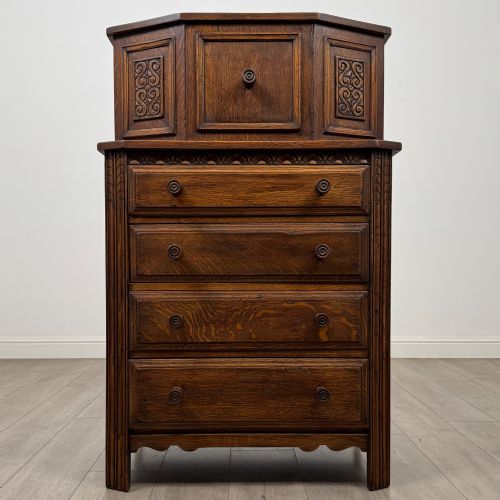
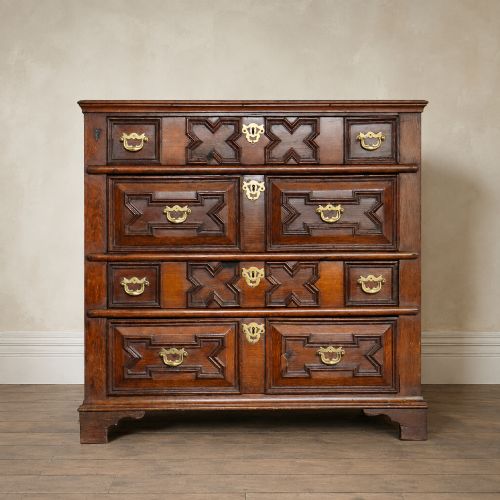
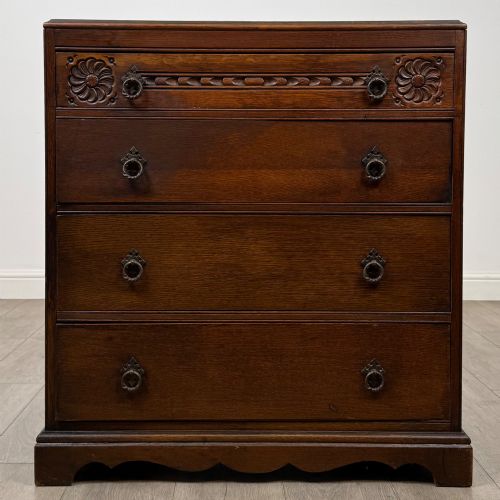
Alongside seventeenth-century Charles II and geometric moulded examples, buyers will discover later interpretations including Edwardian and revival pieces. Each form shares a reliance on solid timber construction, whether configured with multiple drawers or incorporating lower cupboard space.
Assessing Quality and Character
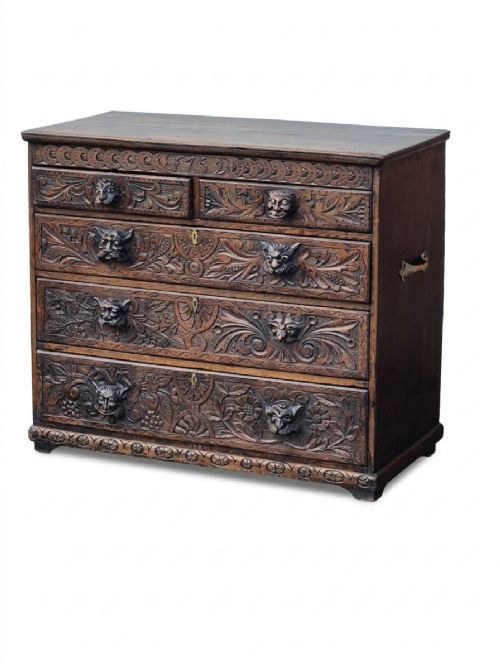
The distinction between standard examples and the finest pieces rests upon the crispness of hand-carved details, the complexity of geometric mouldings, and the integrity of the timber. Early seventeenth-century work frequently demonstrates intricate joinery and sophisticated panel arrangements that elevate its standing.
Proportion and surface finish further define the hierarchy of these items, with well-balanced small proportions and deep, undisturbed patinas commanding greater appreciation. The integration of secondary woods like walnut or fruitwood inlay also signals a higher tier of craftsmanship.
Listings span from the seventeenth century through the Georgian era to Edwardian revivals, uniting solid oak, walnut, and brass hardware.
Georgian cabinet workshops·Jacobean joiners·Edwardian makers
The Dark Oak Dresser Chest Glossary
- Geometric moulded
- A decorative technique involving applied raised mouldings on drawer fronts in geometric patterns, prevalent during the seventeenth century.
- Crossbanded
- A border technique where thin strips of veneer, such as mahogany, are laid perpendicular to the grain of the primary surface.
- Coffer
- A large wooden chest traditionally used for storage, often featuring a hinged lid and robust construction.
- Linenfold
- A style of wood carving that resembles folded parchment or linen, frequently seen on panelled cupboards and chests.
- Patina
- The surface sheen and deep coloration developed by timber through age, handling, and exposure to light over many years.
Dark Oak Dresser Chest: Frequently Asked Questions
How do I date an oak chest?
Dating relies on examining the construction methods, such as hand-cut dovetails, tool marks on the timber, and the style of the mouldings. Seventeenth-century pieces typically feature geometric panels and pegged joints, whereas later Georgian and Edwardian examples show more refined drawer construction.
Hardware placement and lock mechanisms also offer clues to the period. Original brass drop handles and escutcheons help anchor a piece to a specific century, though replacements are common in antique furniture.
Where should I place a dark oak chest?
These robust pieces suit hallways, living rooms, and bedrooms where their dark timber tones can anchor the interior scheme. Their substantial presence works well against neutral walls or alongside other traditional wooden furnishings.
Because solid oak is sensitive to extreme climate shifts, placement should avoid direct sunlight and heat sources. Maintaining stable room conditions helps preserve the wood and the historic patina.
Are these chests practical for modern storage?
Oak chests of drawers and cupboards offer deep and sturdy compartments well suited for contemporary apparel, linens, or general household items. Their solid construction ensures they remain functional pieces of furniture rather than purely decorative objects.
Drawer sizes and configurations vary by period, with earlier coppers and chests sometimes featuring simpler internal spaces. Reviewing the internal dimensions ensures the piece meets specific storage needs.