




Dark Oak Country Chairs
These dark oak country chairs carry the grain of centuries through vernacular forms shaped by regional hands.
Dark Oak Country Chairs
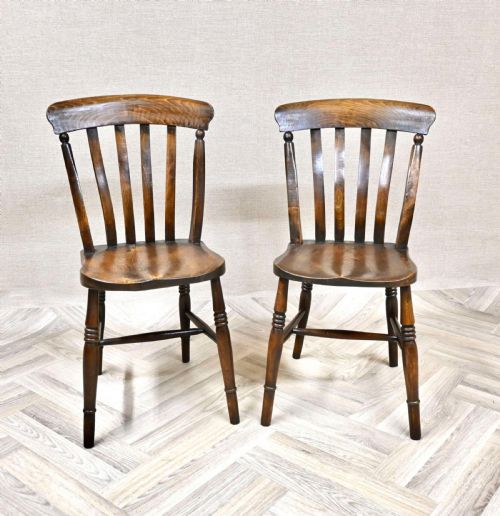
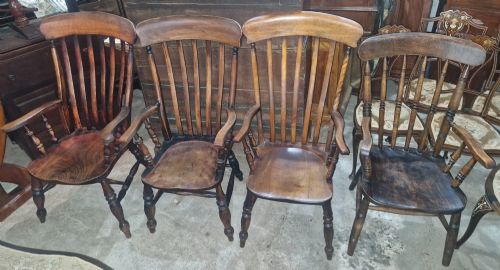
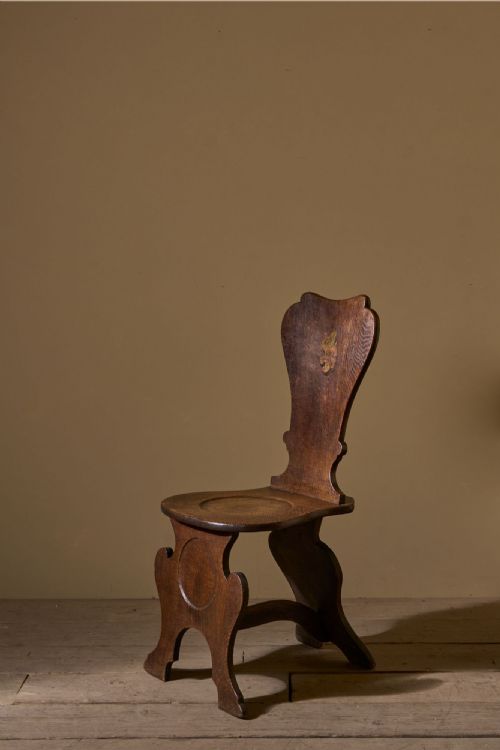
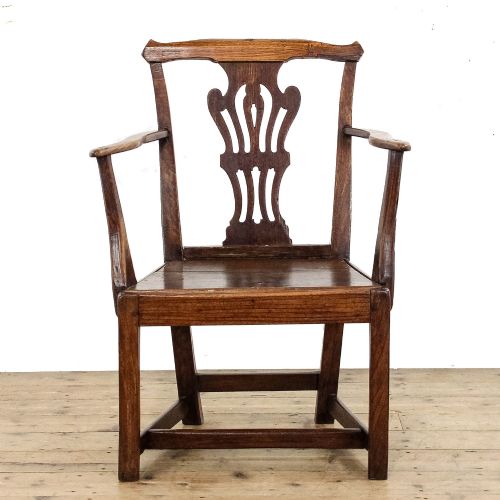
Dark oak country chairs encompass a diverse group of vernacular seating originating from provincial workshops across Britain and Ireland. When you search for dark oak country chairs, you encounter pieces designed for utility rather than formal parlour display, ranging from simple kitchen seating to substantial armchairs.
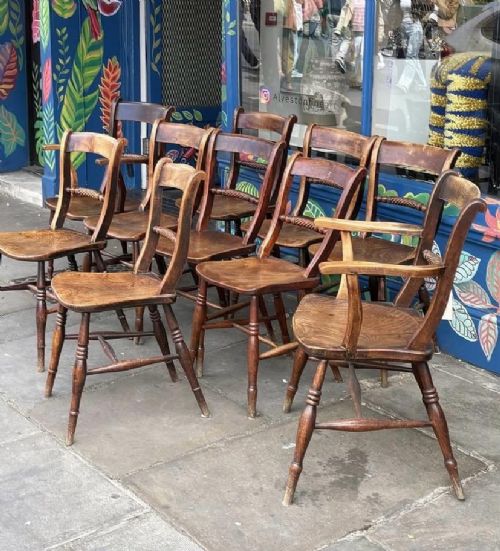
The selections span multiple centuries, with significant representation from the eighteenth and nineteenth periods. Forms vary widely from ladder backs and shield backs to Windsor chairs and settle benches, reflecting the practical needs of rural households.
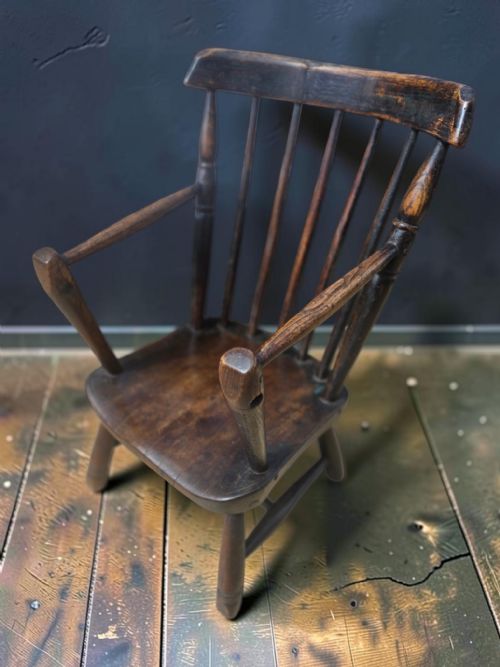
Regional variations emerge clearly across the inventory, including Thames Valley, West Country, Scottish, and Irish examples. Dining chairs, children's chairs, and rocking chairs populate the selection alongside individual armchairs.
Materials and construction methods
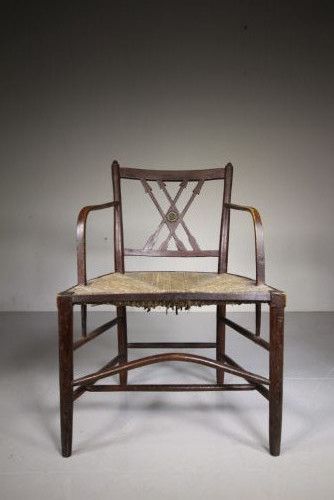
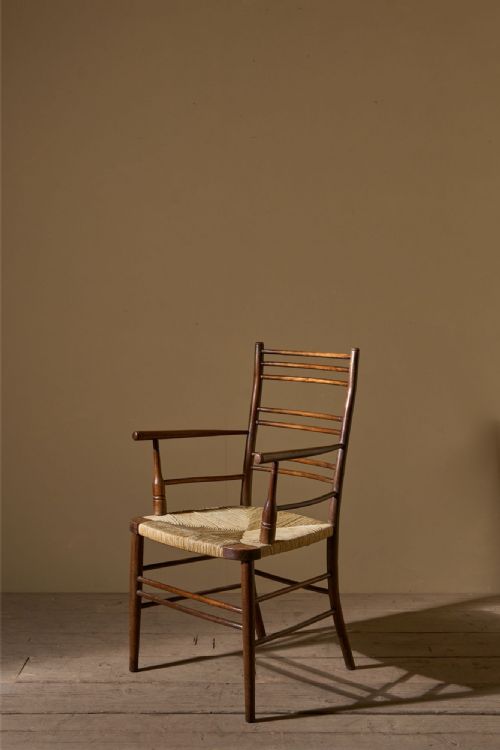
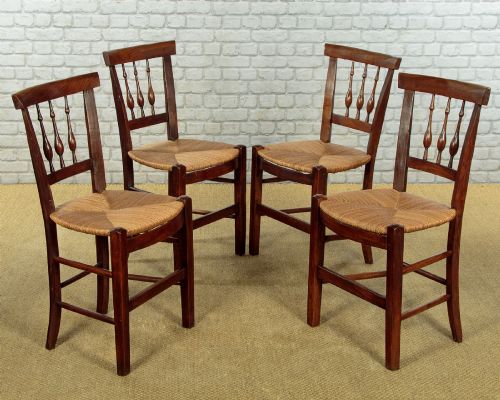
Makers utilised solid timbers native to the countryside, combining oak with elm, ash, beech, and fruitwood to construct robust frames. Rush and leather frequently provide the seating materials, integrated into ladder backs and armchairs through traditional web or cord methods.
Construction relies heavily on pegged joints, turned spindles, and steam-bent components typical of Windsor and vernacular furniture production. Original painted finishes and patinated surfaces remain visible on several pieces, showing the natural ageing of the timber over generations.
Listings feature timbers including oak, elm, ash, beech, fruitwood, and yew wood alongside rush and leather seating.
Differentiating quality in provincial seating
Quality rests upon the integrity of the timber selection and the retention of original structural components. Chairs displaying honest patination and minimal timber replacement hold greater appeal than heavily restored examples.
The finesse of the turning on legs and spindles separates standard utilitarian items from finer regional outputs. Balance, proportion, and the survival of original rush or wood seats further define the standing of each piece within the tradition.
The Dark Oak Country Chairs Glossary
- Windsor chair
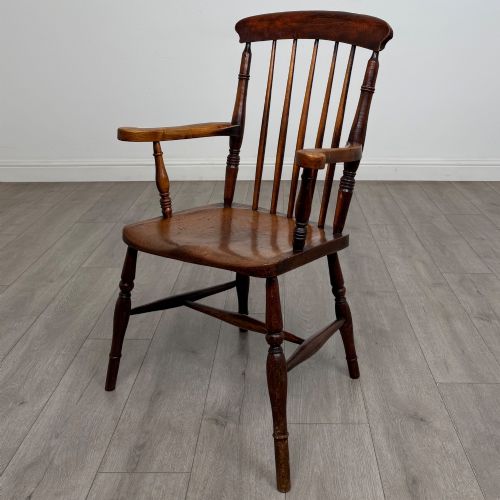
- A chair built with a solid wooden seat into which the legs and back spindles are directly inserted. This design relies on a combination of turned members and bentwood bows.
- Lambing chair
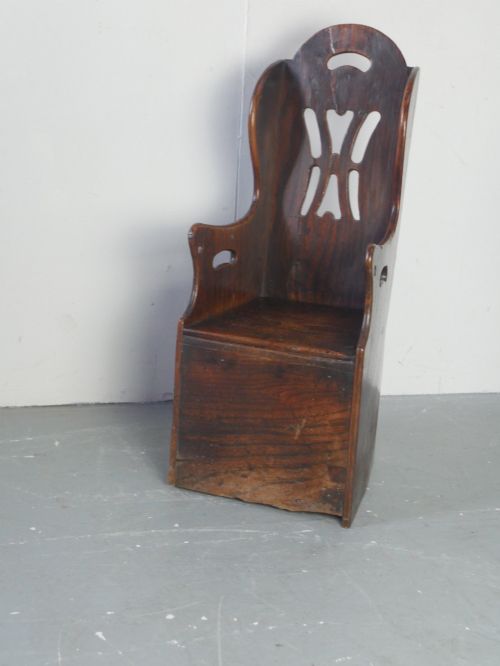
- A high-backed vernacular armchair featuring solid side panels designed to shield the sitter from draughts. These pieces often include storage compartments beneath the seat.
- Settle
- A wooden bench featuring a high back and solid arms, frequently incorporating a box base for storage. They served as communal seating beside farmhouse hearths.
- Ladder back
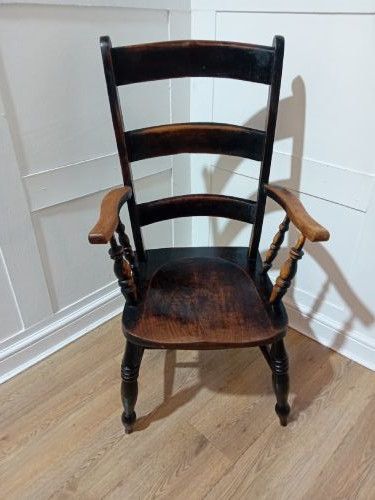
- A chair back constructed from horizontal slats set between two vertical uprights. This form appeared widely in vernacular dining and kitchen seating.
- Rush seat
- A seating surface woven from dried marsh rushes around a wooden frame. This technique creates a resilient and flexible platform for daily use.
Dark Oak Country Chairs: Frequently Asked Questions
How do I care for antique oak seating?
Maintain antique oak by keeping chairs away from direct heat sources and dramatic humidity fluctuations. Regular application of suitable beeswax helps nourish the historic timber.
Avoid modern liquid polishes that can degrade the surface patina over time. Gentle dusting with a dry cloth preserves the finish.
Where were these regional chairs made?
Rural workshops throughout England, Scotland, Ireland, and Wales produced these vernacular chairs. Distinct regional styles developed, such as the Thames Valley Oxford chair or West Country children's seats.
Local timber availability heavily influenced the choice of woods used in each workshop. Makers adapted traditional patterns to suit the requirements of local households.
Are ladder back chairs comfortable?
Ladder back chairs offer upright support suited for dining and kitchen tasks. The horizontal slats align with the spine to encourage an upright posture.
Many examples feature woven rush pads that soften the seat over time. Cushions can be added for extra comfort during prolonged sitting.