


Dark Oak Bedside Table
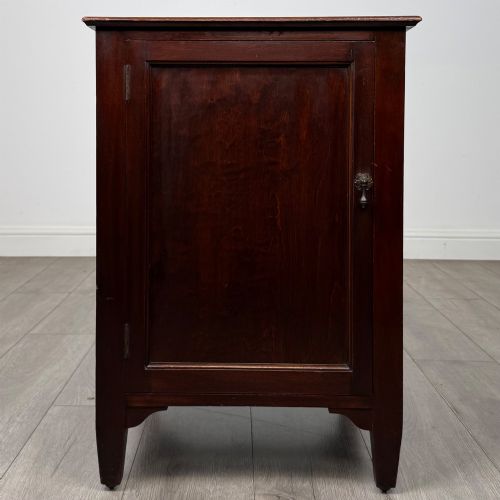
A dark oak bedside table brings rich grain and solid utility to a bedroom, anchoring the space with centuries of craft.
Dark Oak Bedside Table
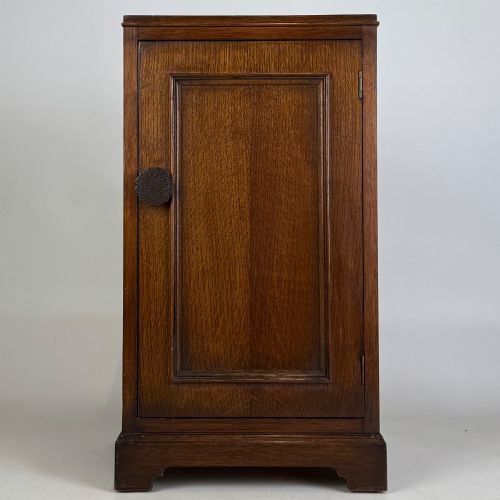
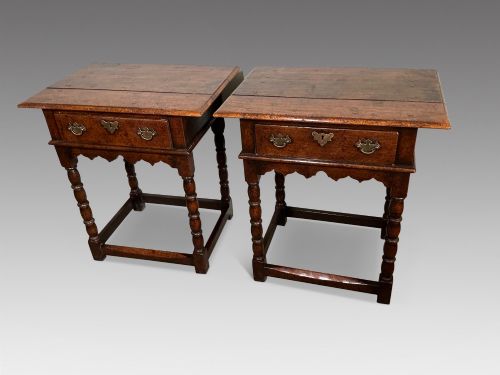
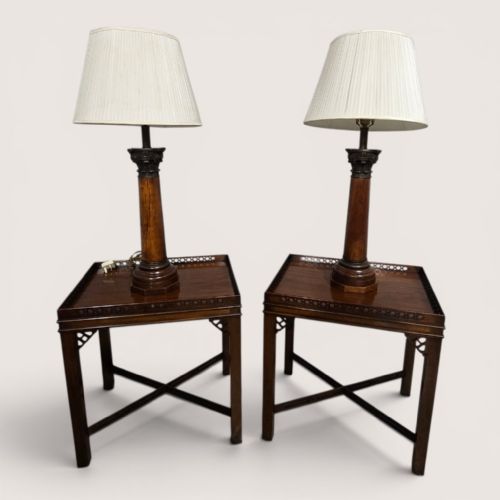
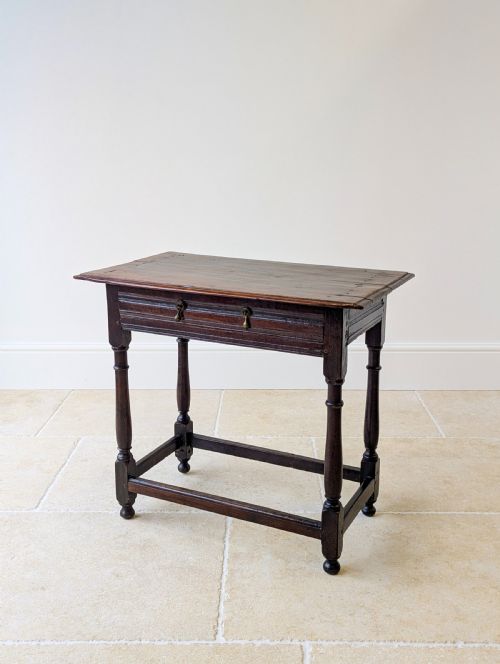
A dark oak bedside table serves as a sturdy surface and storage unit beside the bed, drawing on forms developed across the seventeenth, eighteenth, and nineteenth centuries. When searching for a dark oak bedside table, a buyer encounters pieces ranging from Edwardian cabinets and early twentieth-century cupboards to Georgian work tables and converted close stools.
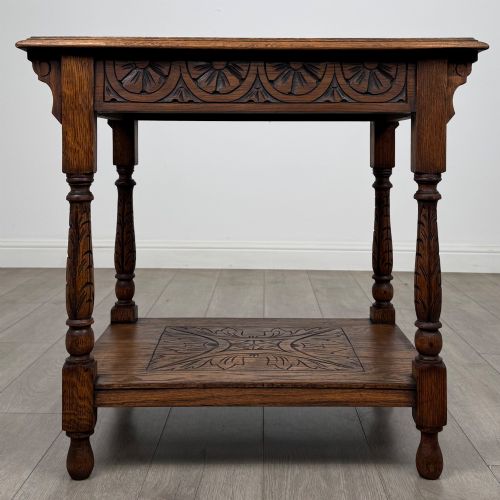
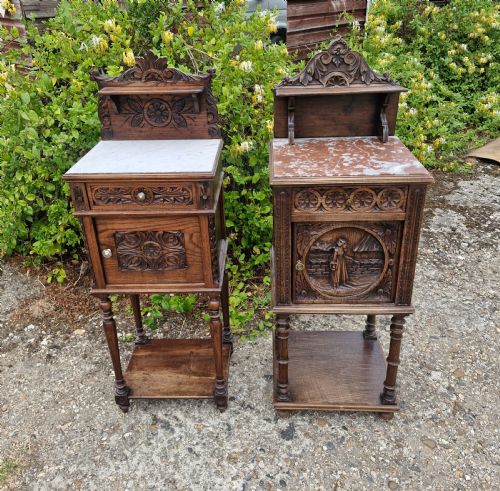
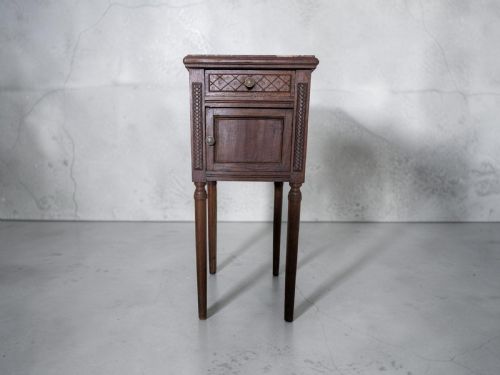
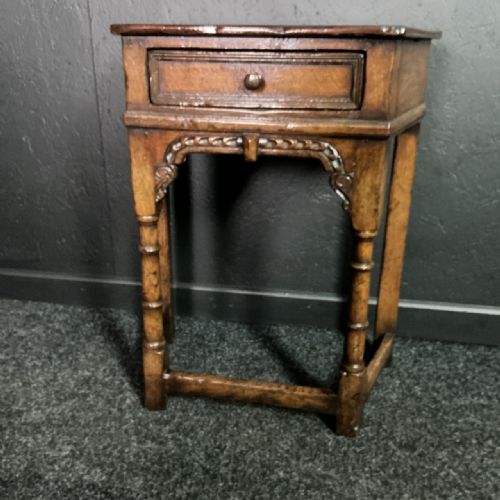
The selection includes dedicated bedside cabinets with single doors or carved friezes, alongside open side tables and compact cupboards in solid timber. Many examples reflect revival styles such as Jacobean and French Provincial, bringing substantial timber forms into domestic sleeping quarters.
How they were made
Construction relies primarily on solid oak, frequently paired with secondary timbers like pine and accented with brass handles, iron fittings, or marble tops. Joinery methods include traditional framing and panel work designed to accommodate the natural movement of dense timber over decades of use.
Surfaces receive various treatments, from dark polish and stained wood finishes to carved decorative details such as friezes and panels. Certain Victorian and Edwardian iterations incorporate contrasting materials like marble and canework alongside the foundational oak structure.
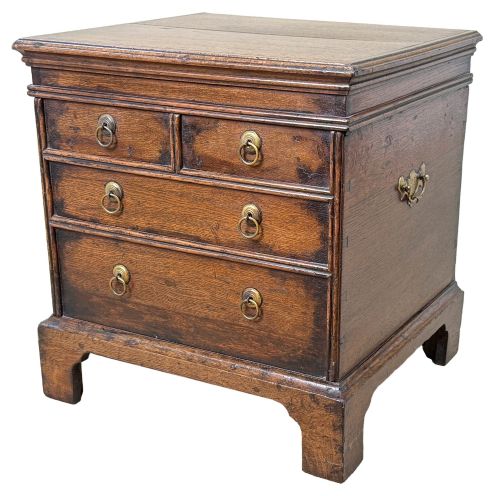
Several compact tables began life as eighteenth-century close stools before finding a quiet retirement holding bedside water jugs.
What varies in quality
Quality rests in the selection of the timber and the crispness of any carved ornamentation, distinguishing mass-produced twentieth-century items from earlier hand-joined examples. The integrity of the structure, the smooth operation of drawers and doors, and the preservation of original hardware dictate the standing of a piece.
Proportion and balance also separate standard items from superior specimens, particularly in converted forms like close stools or adapted side tables. Original surfaces and patination achieved through age hold greater appeal than heavily refinished or altered timber.
The Dark Oak Bedside Table Glossary
- Close stool
- A historic form of cabinet enclosing a chamber pot, often adapted today as a bedside chest or small cupboard.
- Frieze
- The decorative horizontal band situated beneath the top surface of a table or cabinet, frequently carved in oak pieces.
- Patina
- The surface sheen and depth of colour developed by wood over years of handling, exposure, and polishing.
- Jacobean Revival
- A nineteenth and twentieth-century style emulating seventeenth-century English furniture design through dark finishes and heavy carving.
Dark Oak Bedside Table: Frequently Asked Questions
How do I date an oak bedside table?
Dating relies on construction methods, timber characteristics, and style markers present in the piece. Hand-cut joints and distinct tool marks point to earlier periods, while machine-cut components indicate twentieth-century production.
Hardware styles, secondary woods such as pine, and specific revival motifs further help narrow down the decade of manufacture.
Are these tables solid oak?
Most examples utilise solid oak for the primary exterior surfaces and structural frame. Secondary timbers like pine often appear in concealed areas such as drawer linings and internal baseboards.
Some pieces combine oak with marble tops or brass fittings, particularly in nineteenth-century and continental designs.
How do I care for polished oak?
Regular dusting with a soft, dry cloth preserves the finish of polished oak surfaces. Avoiding direct sunlight and sustained moisture prevents the wood from warping or the polish from degrading.
Occasional application of appropriate wax feeds the timber and maintains the natural lustre of the grain.