




Dark Metal Bedstead
A dark metal bedstead brings robust Victorian and Edwardian character to a bedroom, offering a solid iron or brass framework that anchors the room.
Dark Metal Bedstead
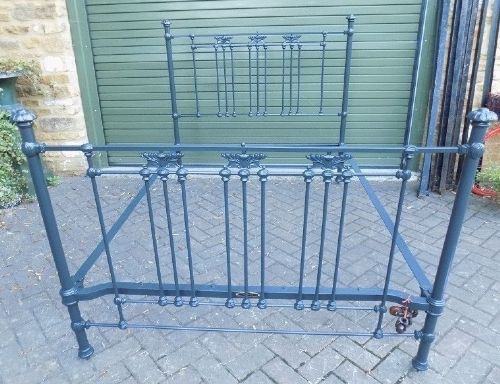
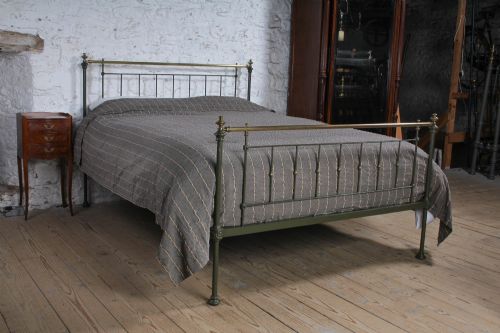
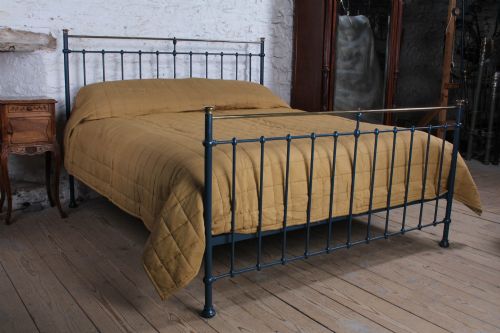
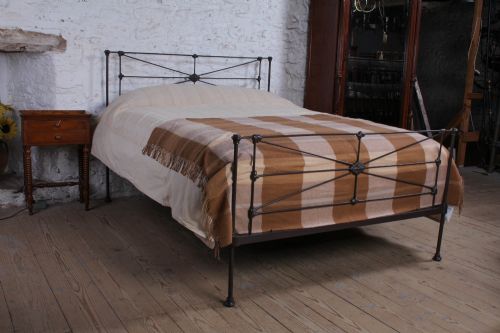
A dark metal bedstead is a durable sleeping frame typically constructed from cast iron, wrought iron, or painted metal, often detailed with brass or nickel components. These pieces emerge from periods spanning the late nineteenth century into the early twentieth century, including Victorian and Edwardian eras.
The items found here include king size, double, and single sizes, alongside specific configurations such as no end beds, four poster beds, and platform styles. Many examples originate from the Victorian period, whilst others date from 1880 through to 1920 with European or Irish provenance.
Buyers encounter single pairs that can be joined together, lower height formats, and pieces featuring original paint effects or charcoal and nickel finishes. Each configuration provides a sturdy alternative to modern wooden frames while retaining historic aesthetic appeal.
Construction and materials
Makers utilised heavy cast iron and wrought iron for the primary structural framework, ensuring lasting stability across single and king size proportions. These iron elements were frequently paired with polished brass or nickel fittings to provide visual contrast.
Surface treatments included painted finishes and unique original paint effects, sealing the metal beneath protective layers. Joints and structural joins relied on traditional metalworking techniques appropriate to late nineteenth and early twentieth century production.
Dark Metal Bedstead Retail Price Guide 2026
Typical asking prices for dark metal bedstead among the pieces listed under this phrase on Sellingantiques today, from the lower quarter to the upper quarter. They describe what is for sale here now, not the wider market.
Formats range from standard single and king sizes to four poster variants and platform styles with charcoal finishes.
Assessing craftsmanship and design
Quality rests in the intricacy of the shaping and the cleverness of the decorative ironwork, distinguishing standard utility frames from more ambitious designs. Pieces with balanced proportions and well-executed brass or nickel detailing command greater visual presence.
The integrity of the original paint effects and the condition of the metal components influence the character of each bedstead. Superior examples maintain their structural joinery intact while exhibiting harmonious combinations of iron and contrasting metals.
The Dark Metal Bedstead Glossary
- Cast iron
- A strong, heavy alloy poured into moulds to create rigid structural and decorative bed components. It forms the backbone of many nineteenth century sleeping frames.
- Wrought iron
- Iron beaten and worked into shape by hand, valued for its fibrous strength and resilience. This material appears across various supportive elements of the bedstead.
- No end bed
- A bed design featuring a standard headboard but lacking a high footboard. This configuration creates an open feel and suits rooms with limited space.
- Platform style
- A low-profile frame design that supports a mattress directly without traditional deep side rails. It offers a streamlined silhouette compared to standard high-standing models.
Dark Metal Bedstead: Frequently Asked Questions
How do I date a metal bed?
Dating relies on examining the construction methods, stylistic cues, and material combinations recorded across the Victorian and Edwardian eras. Pieces from the late nineteenth century often display heavier cast components, whilst early twentieth century examples lean towards simpler lines.
Changes in metal finishing and the presence of brass or nickel details further help narrow the decade of manufacture. Comparing the specific bedstead against documented period styles confirms its chronological place.
Are these beds standard sizes?
Many older metal frames do not conform precisely to modern metric mattress dimensions, varying across single, double, and king size formats. Checking exact internal measurements ensures that contemporary mattresses fit securely within the historic side rails.
Some configurations, such as European doubles or platform styles, require careful mattress selection to match the frame properly. Adapting modern bases to fit older frameworks is a common step for daily use.
Can single beds be joined together?
Certain pairs of single iron bedsteads are manufactured with matching dimensions and compatible frames designed to sit side by side. This arrangement allows two single beds to function visually as a larger sleeping unit.
Reviewing the specific hardware and side rail construction determines how securely the pair links together. Such pairs offer flexible guest room arrangements while preserving historic craftsmanship.
How do I care for painted iron?
Maintaining painted metal involves gentle dusting with a dry cloth and avoiding harsh chemical cleaners that might strip original surface treatments. Keeping the metal away from damp environments prevents corrosion and preserves the integrity of the paint.
Preserving original paint effects requires minimal intervention beyond basic environmental control. Regular inspection of joints ensures the metal remains stable under daily weight.