

Dark Marble Urn
A dark marble urn brings classical proportion and solid weight to a room, combining cool stone with patinated metal.
Dark Marble Urn
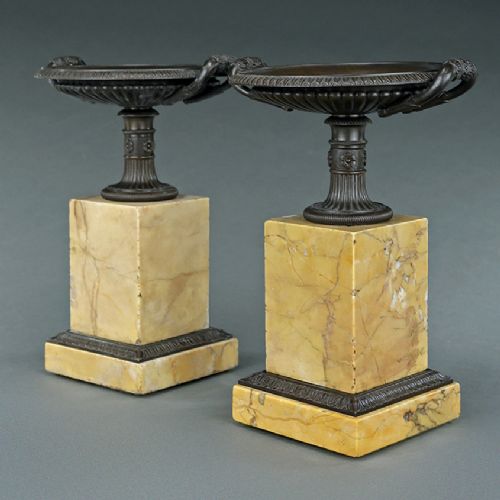
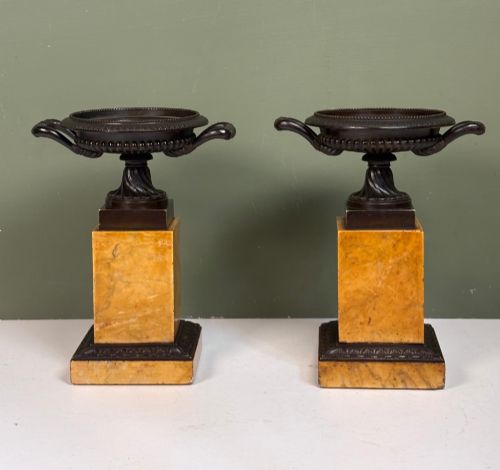
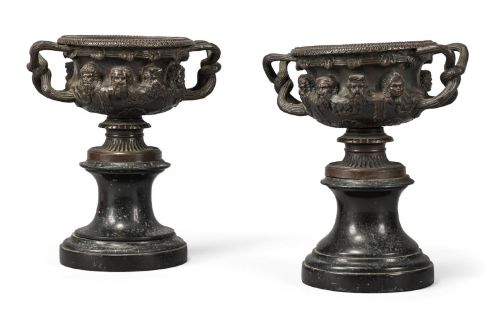
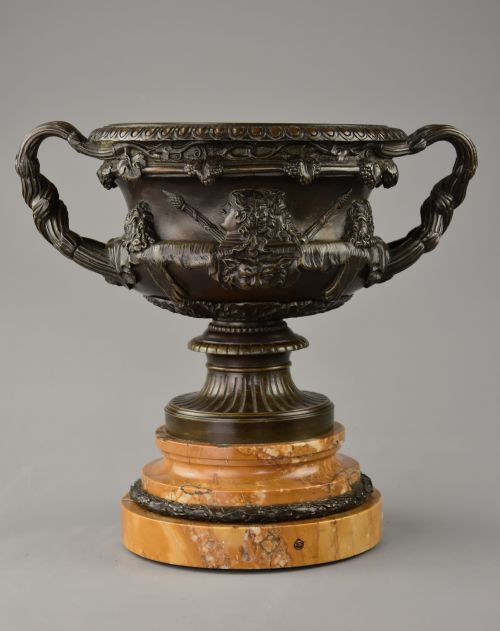
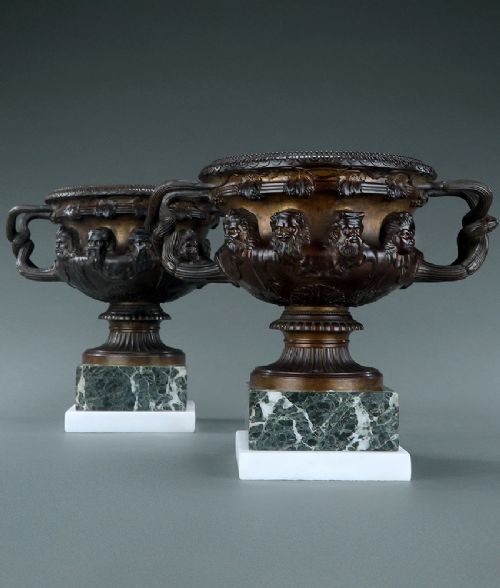
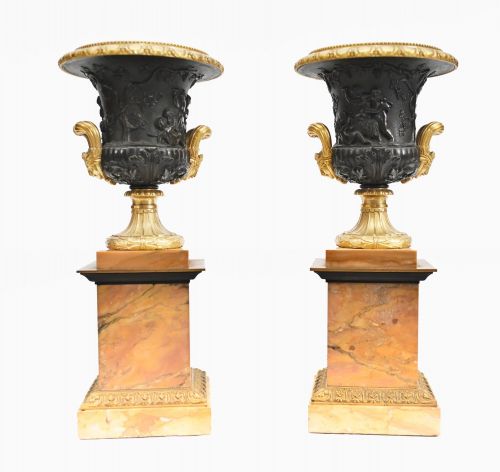
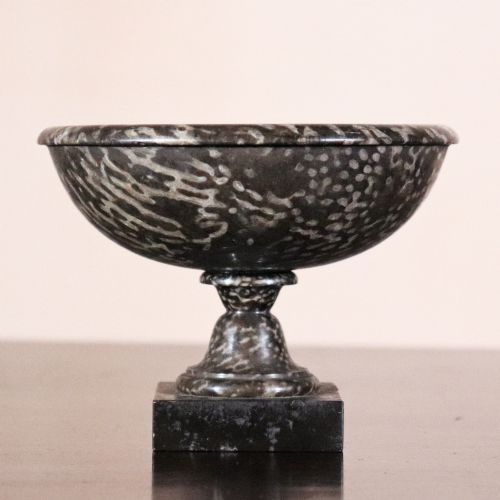
A dark marble urn takes many forms across the nineteenth century, appearing as grand tour reductions, campana vessels, and tazzas mounted on stone or bronze bases. Buyers searching for a dark marble urn will find pieces that double as sculptural objects and functional mountings for classical interiors.
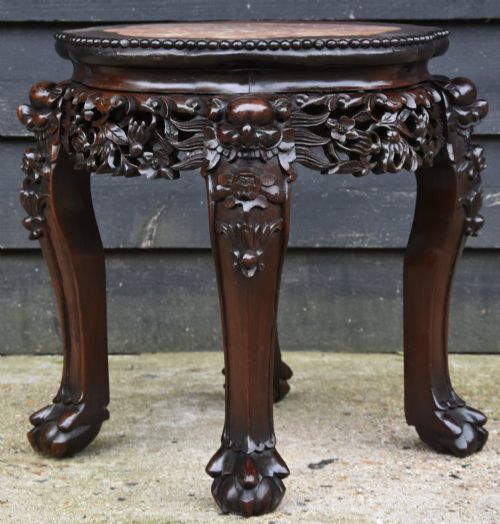
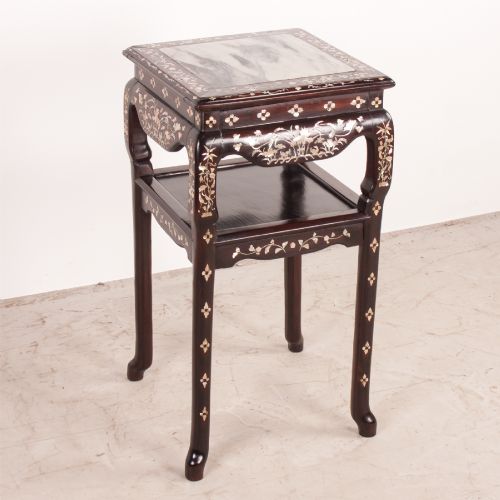
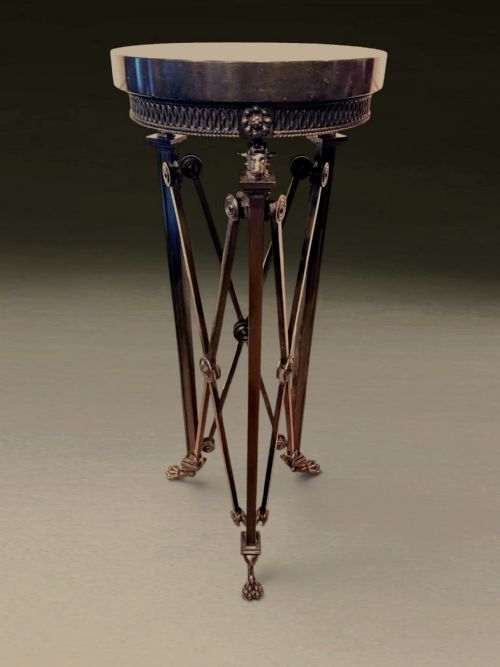
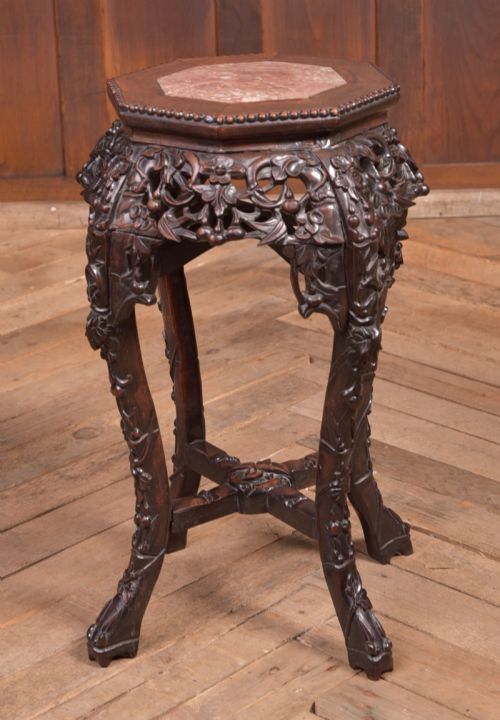
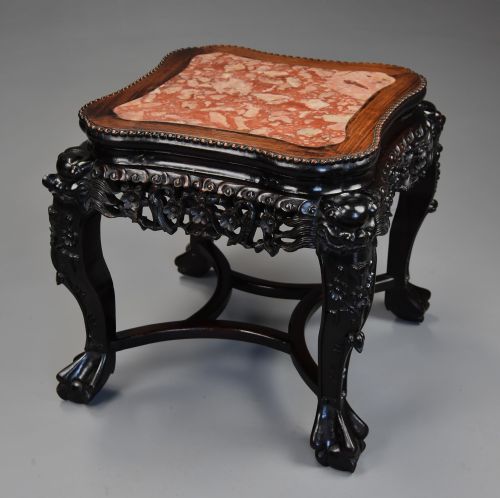
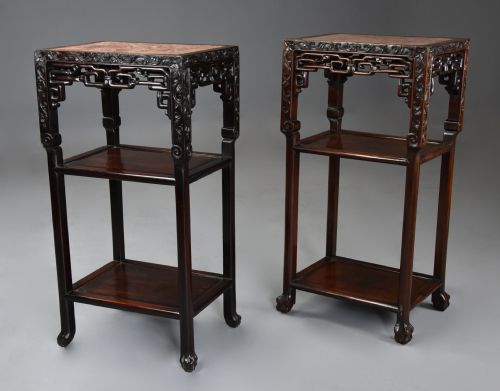
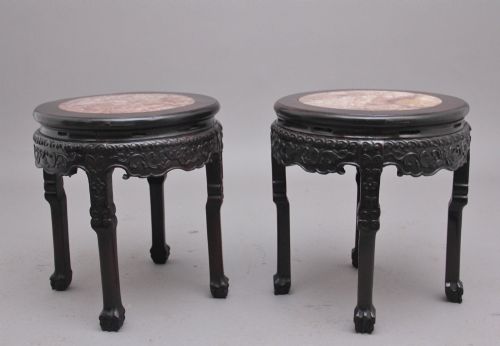
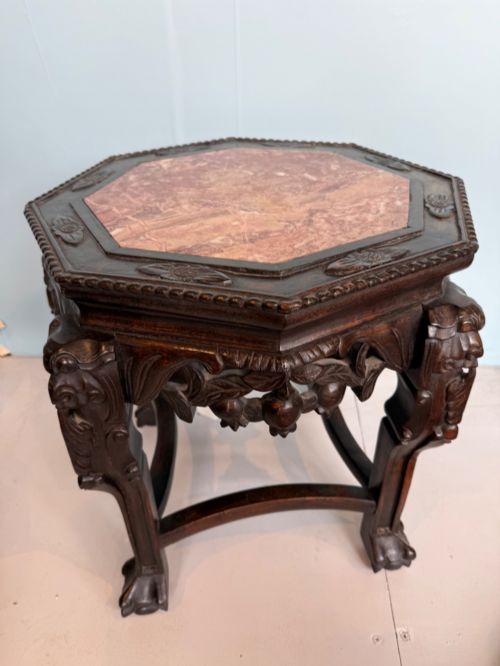
The selections recorded here lean heavily toward European grand tour pieces and Chinese export stands featuring inset stone tops, though the core remains the heavy mineral vessel. These items emerge from periods spanning the regency, victorian, and french empire eras, reflecting a nineteenth-century fascination with antiquity.
Makers paired the dark stone with contrasting materials such as patinated bronze, ormolu, and dense hardwoods like rosewood and padouk. This mix of media creates a balanced silhouette suitable for a mantlepiece, side table, or pedestal stand.
Materials and construction methods
The manufacture of a dark marble urn relies on turning stone on a lathe or carving dense mineral blocks by hand, followed by extensive polishing to achieve a deep lustre. Workshops combined these stone elements with cast bronze and gilt ormolu mounts, secured by threaded rods and hidden pins.
Chinese export examples pair carved hongmu and padouk frameworks with precisely fitted marble discs dropped into rebated tops. French and Italian ateliers utilised lost-wax casting for bronze handles, bases, and decorative friezes, finishing the metal with chemical patination or mercury gilding.
Listings combine nineteenth-century periods including Regency, Victorian, and French Empire with materials such as marble, bronze, and rosewood.
Distinctions in craftsmanship
Quality rests in the crispness of the bronze chasing and the density of the marble grain, where sharper relief work distinguishes superior workshop output from routine production. Weight distribution and the snugness of the fit between stone and metal components reveal the precision of the original maker.
Finer specimens display hand-finished details on hidden surfaces and careful selection of stone free from unnatural resin fills. The integration of materials, such as ormolu mounts sitting flush against carved marble surfaces, marks the division between standard decorative items and exceptional examples.
The Dark Marble Urn Glossary
- Campana urn
- A bell-shaped vessel with a flared rim and footed base, derived from classical pottery and metalwork found at archaeological sites. These forms were widely reproduced during the nineteenth century in bronze and marble.
- Grand tour
- A cultural journey undertaken by wealthy young Europeans to visit continental antiquities, which stimulated a market for miniature bronze and marble replicas. Such souvenirs form a significant portion of nineteenth-century decorative pieces.
- Ormolu
- Gilded brass or bronze applied to furniture and decorative objects through a mercury amalgamation process. This technique gives metal mounts a rich, warm yellow lustre that contrasts with dark stone.
- Tazza
- A shallow saucer-shaped vessel raised on a stem and foot, often utilised as a decorative centrepiece or stand. They appear frequently in bronze, marble, and coral stone configurations.
- Hongmu
- A traditional Chinese term for dense, dark hardwoods used in fine furniture and plant stands. The timber provides a stable, heavy chassis capable of supporting inset marble panels.
Dark Marble Urn: Frequently Asked Questions
What is a dark marble urn?
A dark marble urn is a classical decorative vessel fashioned from deep-toned stone, frequently paired with bronze or ormolu mounts. These objects originated as decorative centrepieces or nineteenth-century grand tour souvenirs.
They draw inspiration from ancient archaeological finds, bringing sculptural weight and classical proportion into domestic interiors.
How were these urns used historically?
Historically, such vessels served purely decorative functions on mantlepieces, side tables, and pedestals as symbols of classical learning and refined taste. Some larger examples were adapted later into lamp bases or paired with stands to display plants.
Their substantial weight made them stable focal points within formal nineteenth-century rooms.
How do I style a dark marble urn at home?
A dark marble urn anchors a room when placed on a sturdy surface like a hardwood side table, mantel, or pedestal. The cool mineral tones pair naturally with patinated bronze, timber, and neutral walls.
Allowing adequate space around the vessel highlights its silhouette and textural contrast against lighter surroundings.
How can I tell the age of a marble urn?
Dating relies on examining the tooling marks on the stone, the composition of the bronze or brass alloys, and the assembly methods of the base. Nineteenth-century pieces often exhibit hand-chased metal details and specific patination patterns consistent with grand tour manufacturing.
Comparing the turning quality and material density against documented period examples helps confirm the era of production.