
Dark Mahogany Storage
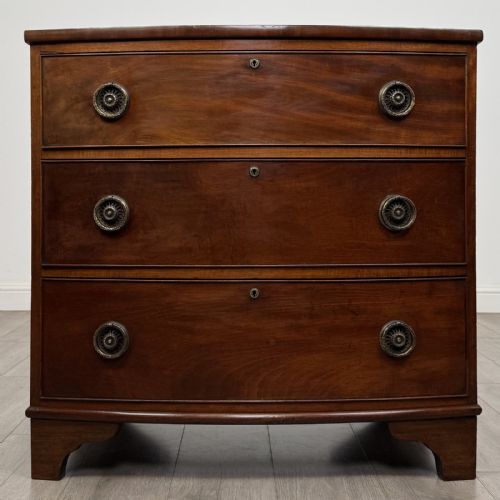
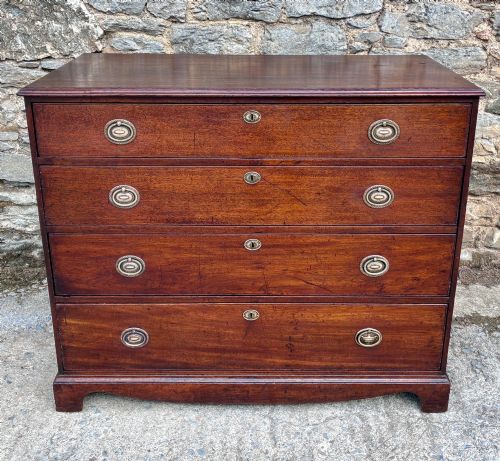
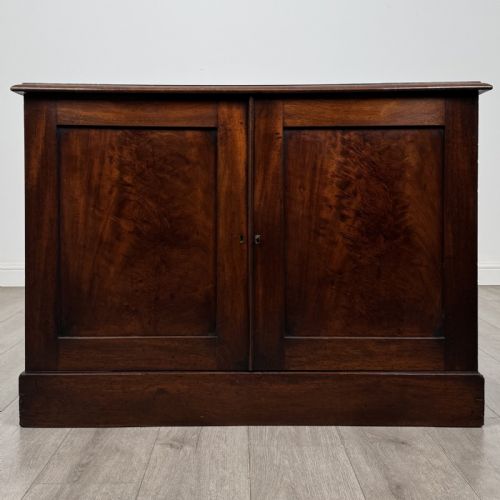
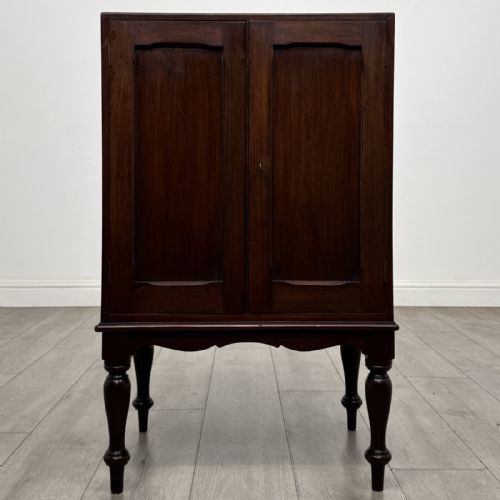
Dark mahogany storage encompasses timber chests, sideboards and cabinets built to hold household belongings while displaying a deep red-brown grain.
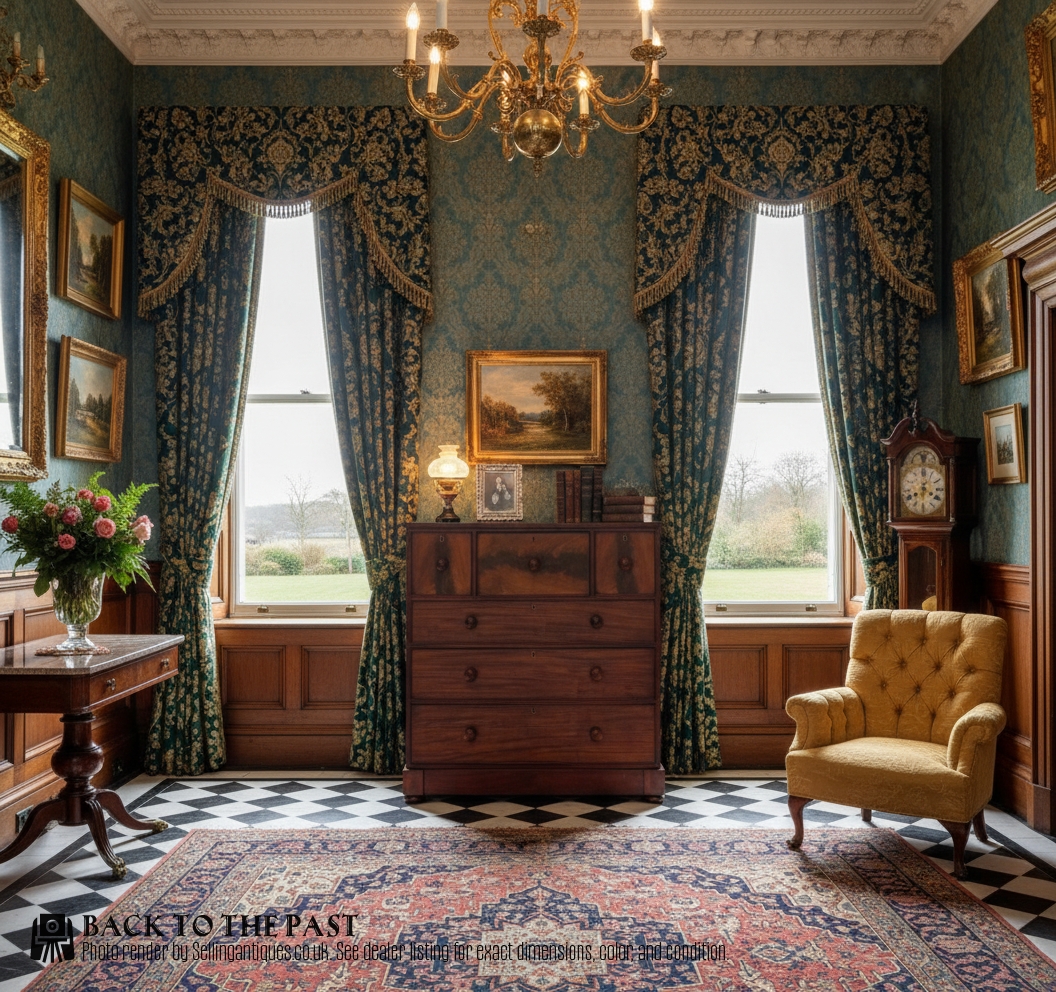
Dark Mahogany Storage
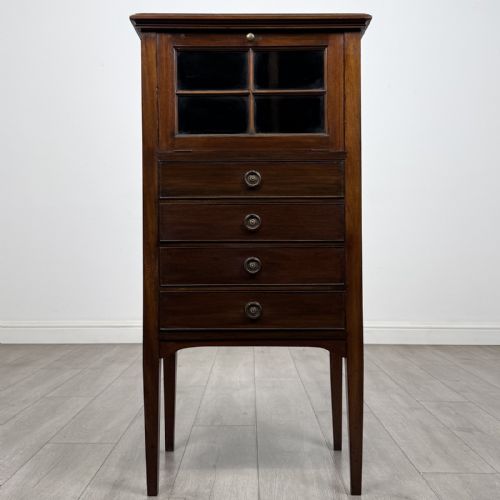
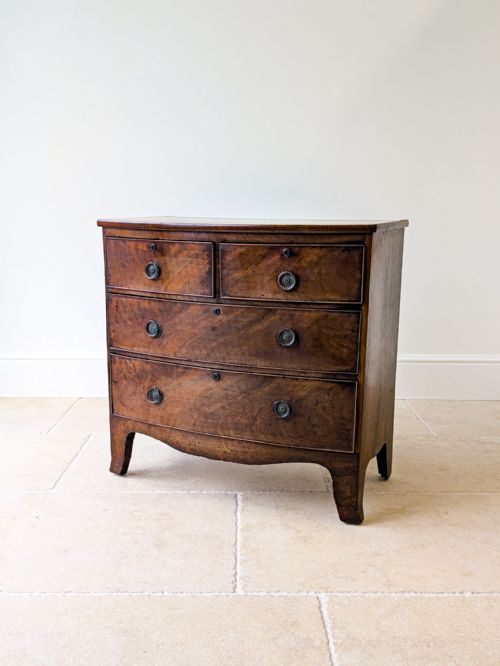
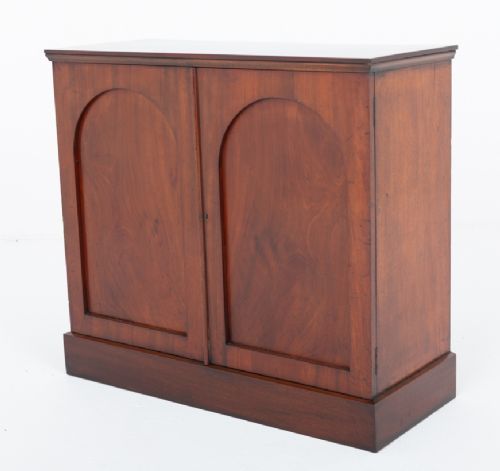
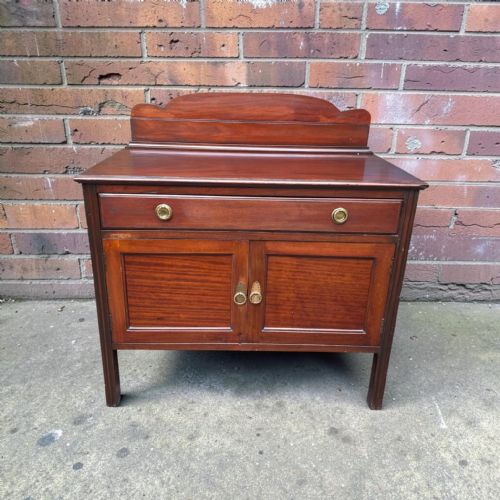
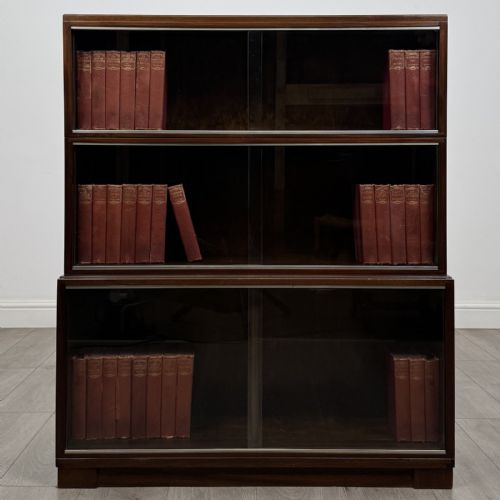
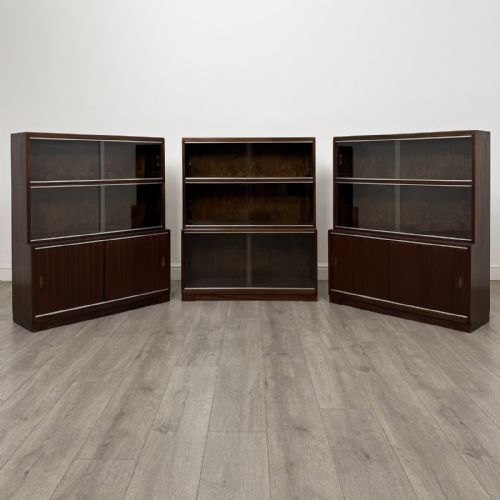
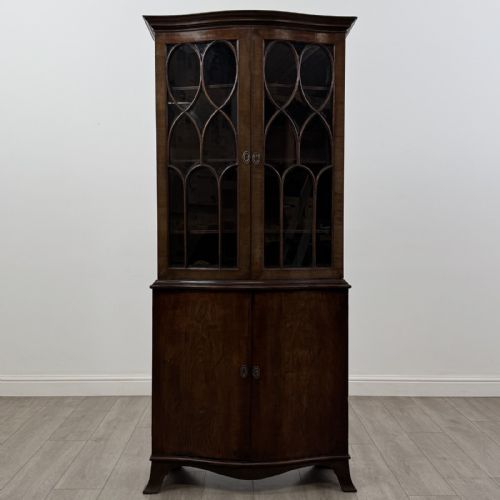
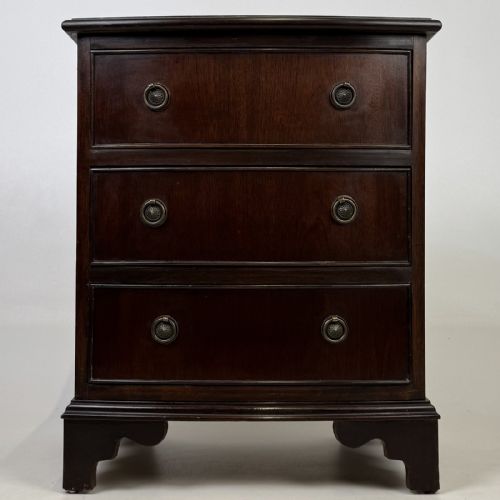
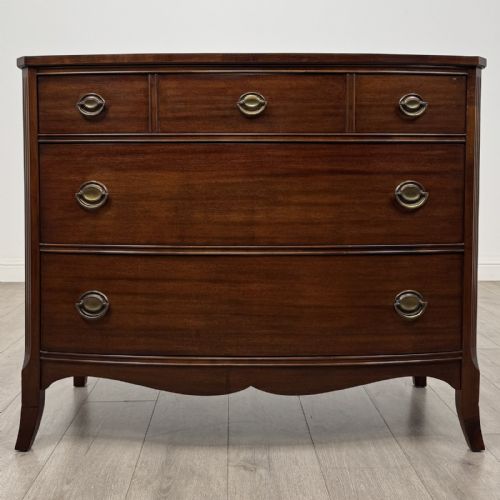
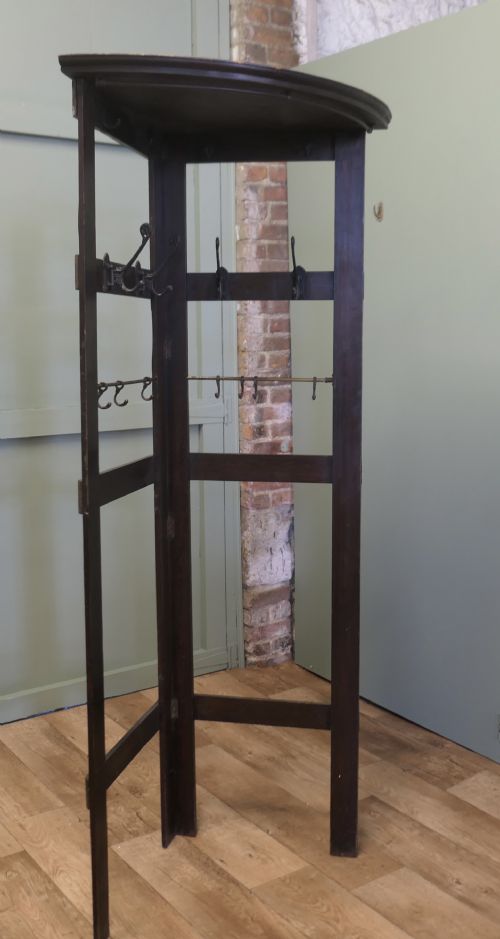
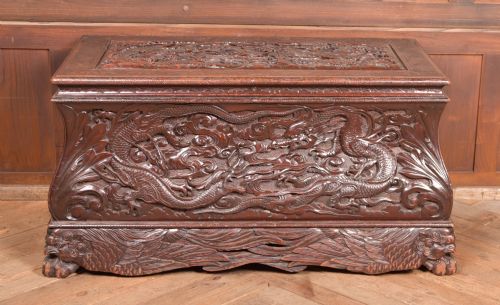
Dark mahogany storage spans chest of drawers, linen presses, cabinets, bookcases and sideboards originating from the Georgian, Victorian, Regency and Edwardian eras. These pieces provide functional storage for clothes, linens and books through deep drawers and enclosed shelving.
Origins stretch across the eighteenth, nineteenth and early twentieth centuries, capturing periods from George III through to Arts and Crafts workshops. Each piece reflects the dominant cabinetmaking priorities of its decade.
Materials and construction
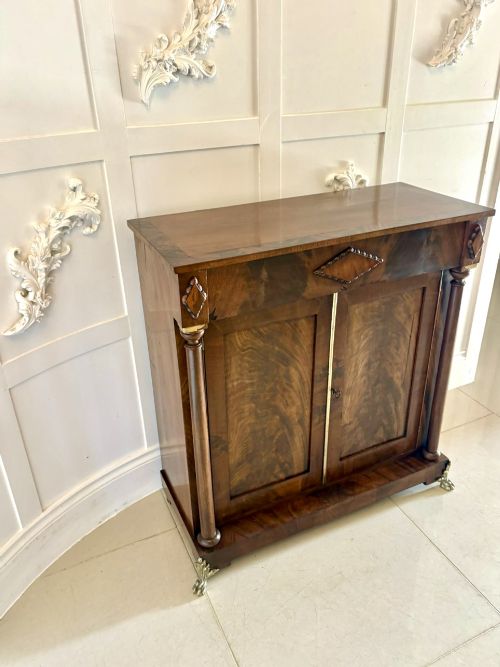
Makers utilised solid mahogany alongside flame mahogany veneers to build carcases and drawer fronts, often accented with satinwood banding, ebonised wood or brass hardware. Glass panels appear on bookcases and display cabinets.
Timber selection dictated the visual character, with figured grain patterns chosen for primary display surfaces. Secondary woods such as oak support interior drawer linings and structural framing.
Miniature apprentice chests gave young woodworkers a chance to prove their skills by scaling down every dovetail and drawer.
Craftsmanship and proportion
Quality rests in the selection of figured mahogany veneer, the crispness of brass mounts and the precision of dovetail joints on drawer construction. Superior examples maintain balanced proportions across complex shapes like bow fronts and serpentine curves.
The integration of secondary elements such as sliding shelves, brushing slides and original hardware separates standard utility items from masterwork cabinetmaking.
Whytock & Reid·GM Elwood for JS Henry·T & G Seddon·Denby & Spinks·Maples & Co
The Dark Mahogany Storage Glossary
- Brushing slide
- A pull-out shelf integrated into the upper section of a chest of drawers, originally used for folding clothes or writing. It sits just beneath the top board.
- Wellington chest
- A tall, narrow chest of drawers secured by a hinged vertical locking sidebar on one side. This design originates from the nineteenth century.
- Cellarette
- A fitted cabinet or box designed to hold bottles of wine, often lined with lead or metal. They sit low to the ground, sometimes on decorative feet.
- Teapoy
- A small box on a pedestal or legs used to store loose tea leaves, often featuring internal compartments. They date predominantly to the early nineteenth century.
- Linen press
- A tall cupboard featuring sliding trays or shelves in the upper section for storing textiles, above a base of wider drawers. They provide substantial vertical storage.
Dark Mahogany Storage: Frequently Asked Questions
How do I date a mahogany chest?
Dating relies on construction methods, drawer linings and exterior proportions. Earlier pieces from the Georgian era display hand-cut dovetails and solid timber carcases.
Later Victorian and Edwardian examples introduce machine-sawn elements and varied veneer applications while retaining traditional forms.
Where should I place a chiffonier?
A chiffonier works well in a dining room or hallway as a serving surface and enclosed storage unit. The lower cupboard holds tableware or household items.
These pieces offer a compact footprint compared to full sideboards while providing similar utility and display space on top.
How do I care for mahogany?
Protect mahogany surfaces by avoiding direct sunlight and maintaining stable humidity levels in the room. This prevents timber shrinkage and veneer lifting.
Clean the wood using a soft cloth and apply traditional beeswax periodically to nourish the grain without building up heavy residues.