
Dark Mahogany Music Stand
A dark mahogany music stand brings warm timber grain and functional design to any room, holding scores or reading material with quiet elegance.
Dark Mahogany Music Stand
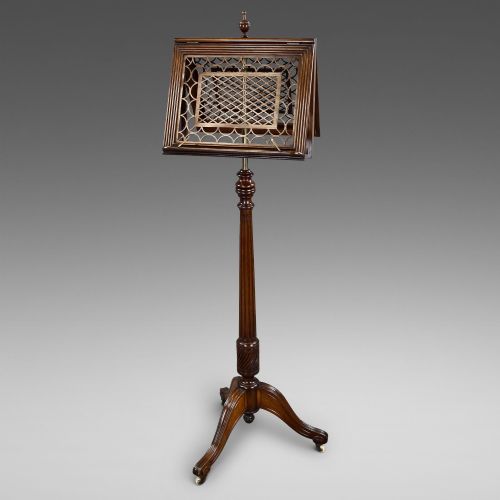
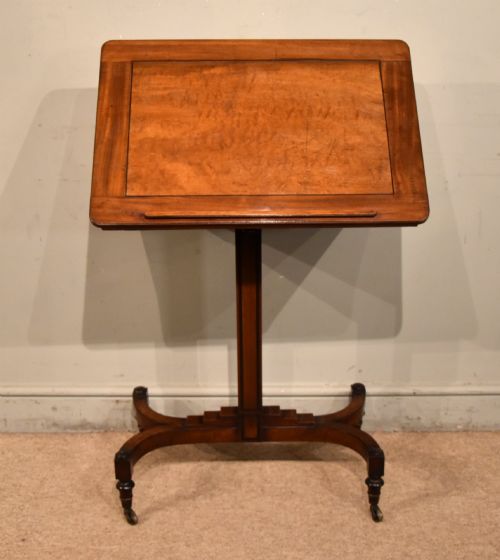
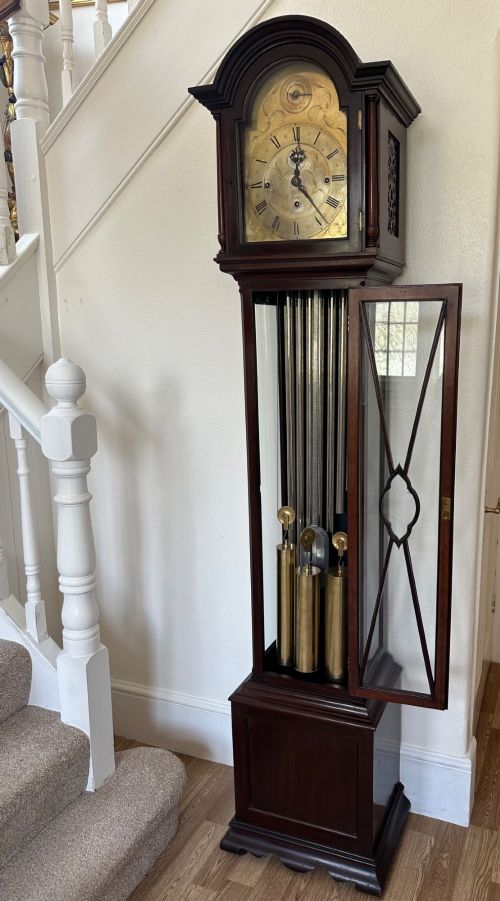
A dark mahogany music stand combines polished timber and adjustable supports for holding scores, books, or periodicals. The pieces on this page span several centuries, including Regency, Georgian, Victorian, and Edwardian eras, reflecting changing domestic habits.
The selection frequently includes canterburys, reading stands, duet stands, and music cabinets alongside magazine racks. Many examples feature compartmentalised bases or lyre forms, demonstrating the versatility of the timber in domestic furniture.
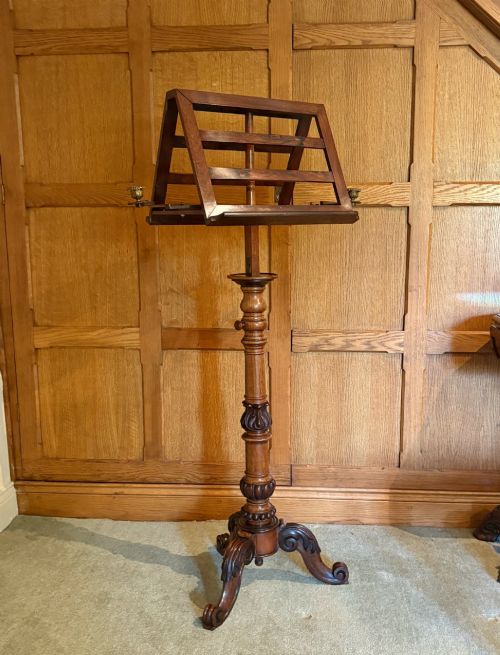
Makers and workshops utilised rich grain patterns, occasionally incorporating inlay, brass fittings, or glass. The forms range from freestanding pedestal designs to floor-standing reading tables tailored for musicians and readers.
Evaluating quality and proportion
Quality rests in the crispness of the timber carving, the choice of well-figured mahogany, and the robustness of any adjustable ratchets or brass fittings. Finer examples display harmonious proportions, tight joinery, and thoughtful detailing such as lyre supports or finely turned legs.
Lesser pieces may exhibit utilitarian construction with simpler joints and plainer timber selection lacking deep chatoyancy. The integration of functional elements, like smooth-running drawers or stable reading surfaces, distinguishes standard production from superior workshops.
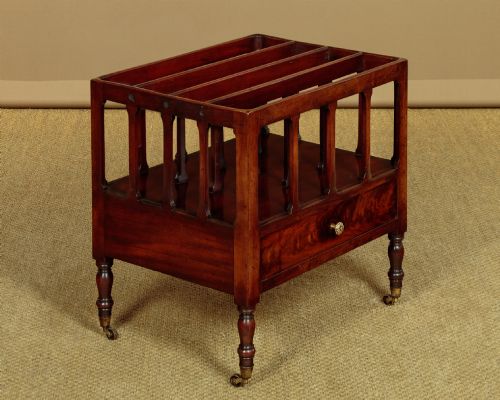
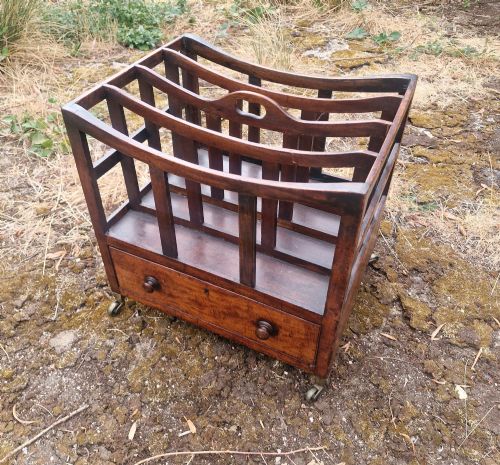
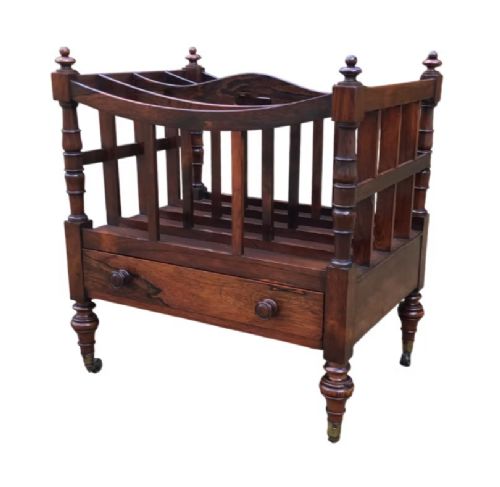
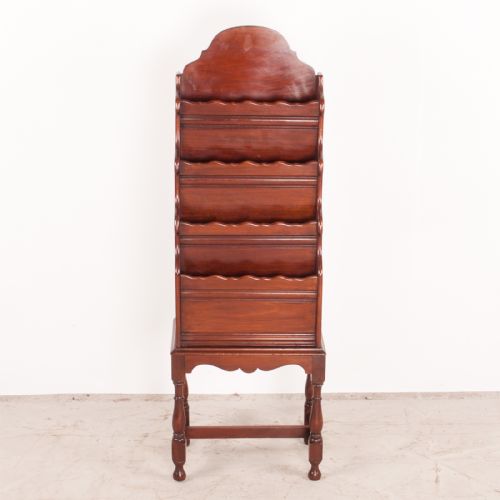
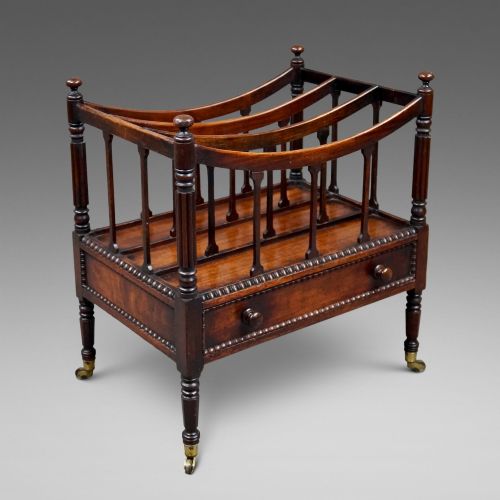
Some nineteenth-century musicians clearly possessed many scores, requiring canterburys divided into four distinct compartments.
GM Elwood for JS Henry·Denby and Spinks·Gillows
The Dark Mahogany Music Stand Glossary
- Canterbury
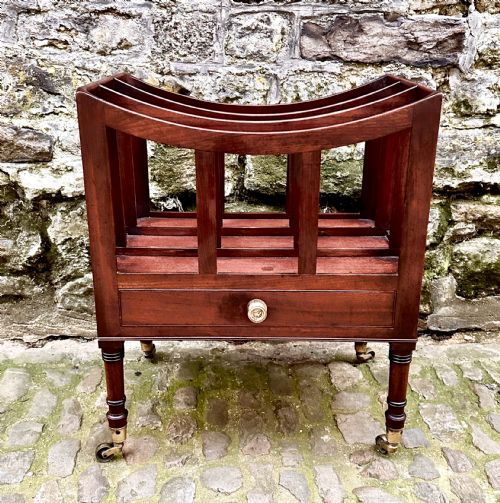
- A low stand with vertical divisions, originally designed for holding sheet music and later utilised for newspapers and magazines. It often incorporates a small drawer at the base.
- Duet stand
- A music stand wide enough to accommodate two musicians reading shared or separate scores simultaneously. These typically feature adjustable heights and dual reading desks.
- Lyre-form
- A decorative motif shaped like an ancient musical instrument, frequently incorporated into the central supports of music stands and reading tables. This design gained particular popularity during the Regency and William IV periods.
- Whatnot
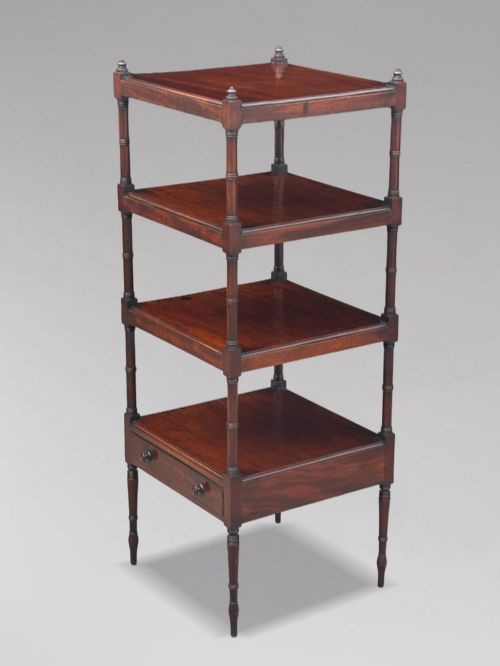
- An open set of freestanding shelves used for displaying or storing books, ornaments, or music folios. Examples frequently appear from the Georgian and Victorian eras.
- Cuban mahogany
- A dense, dark variety of timber sourced from the Caribbean, valued for its rich colour and exceptional durability in high-status furniture.
Dark Mahogany Music Stand: Frequently Asked Questions
What is the difference between a canterbury and a music cabinet?
A canterbury is an open stand featuring vertical slats or divisions designed to hold unbound sheet music and periodicals within easy reach. They often include low legs on castors and sometimes feature a single shallow drawer beneath the partitions.
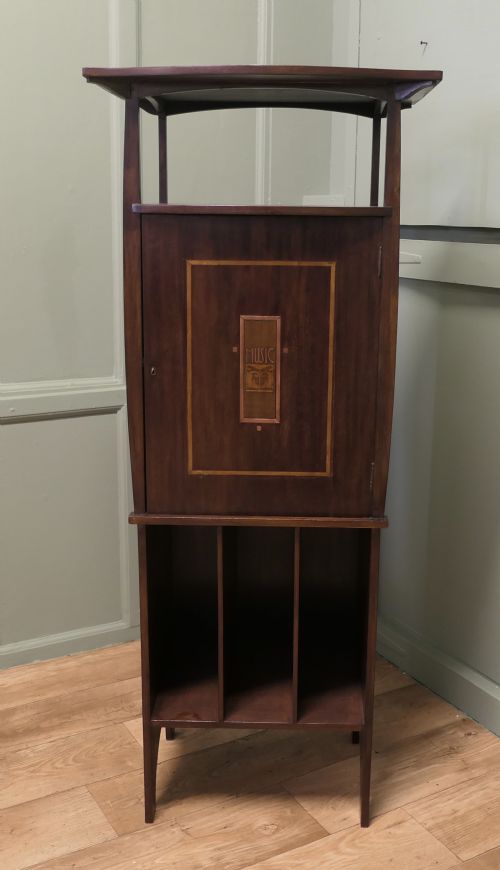
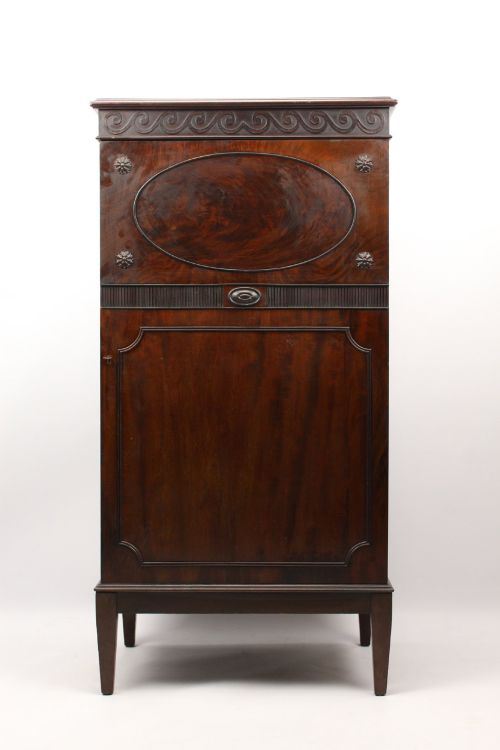
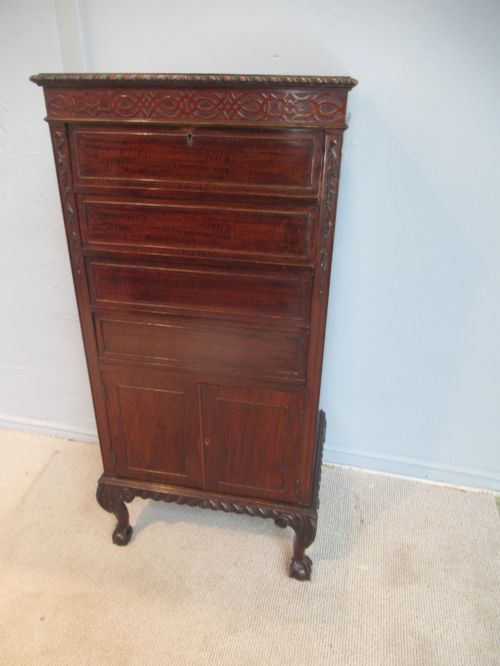
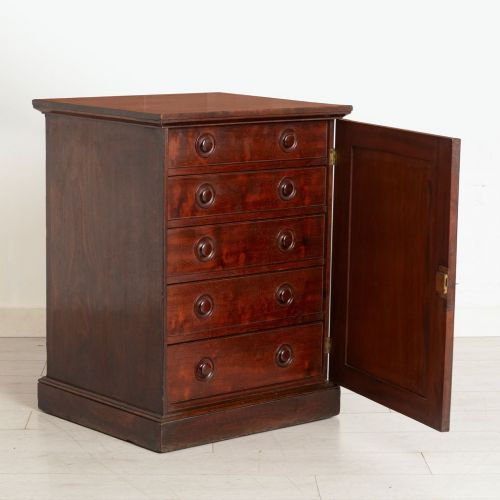
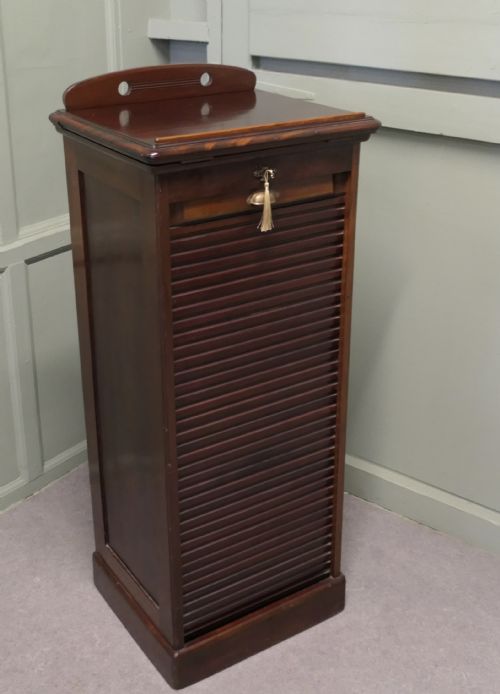
In contrast, a music cabinet is an enclosed piece of furniture with solid doors or drop-front drawers that protect scores from dust and light. Cabinets offer greater privacy and security for bound volumes and delicate manuscripts.
How do I use a reading stand in a modern room?
A reading stand provides an adjustable surface for heavy books, tablets, or sheet music, making it practical for studies, living rooms, or kitchens. Placed beside an armchair, it holds current reading material at an ergonomic angle.
Free-standing duet stands also function well as display ledges for open art books or framed prints. Their adjustable height allows them to adapt to different seating arrangements.
How do I identify a Regency music stand?
Regency pieces often display classical architectural influences, including reeded legs, brass inlay, and lyre-shaped central supports. The timber tends to be dark mahogany with a warm, polished patina.
Look for refined proportions and functional brass ratchets designed for adjusting the angle of the reading desk. These structural details point toward early nineteenth-century craftsmanship.
Can these stands support modern heavy books?
Most antique music and reading stands were built from dense solid mahogany, providing sturdy support for heavy folios and scores. The wooden ledges and internal bracing are engineered to bear considerable weight.
However, collectors should inspect the adjustable ratchets and pivot joints to ensure they remain stable. Gentle handling preserves the original mechanical components of older stands.