
Dark Mahogany Bedroom Drawers
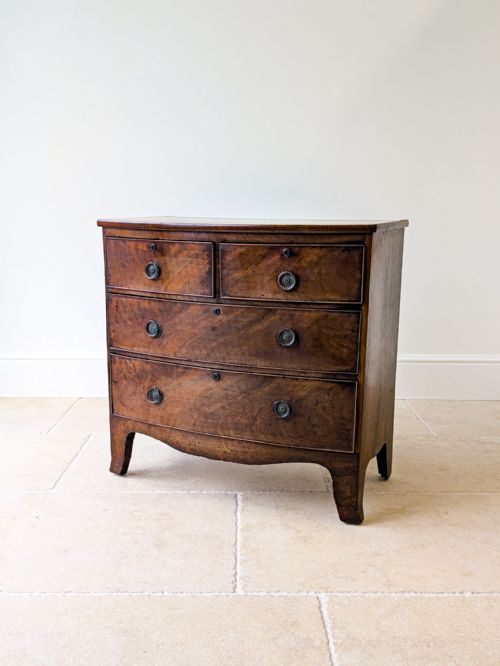
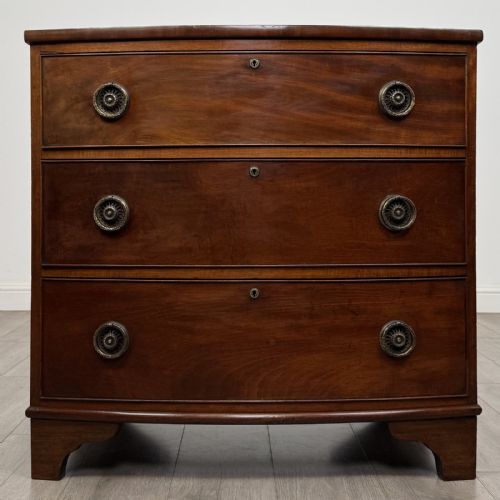
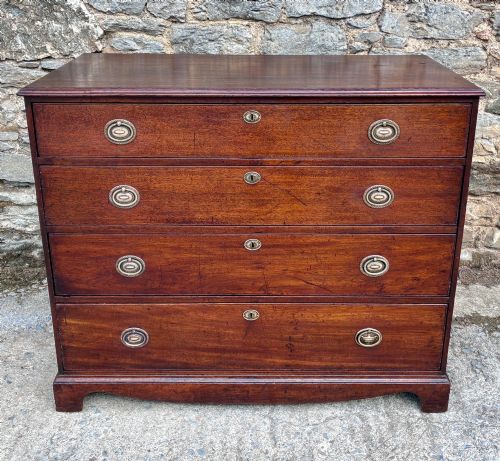
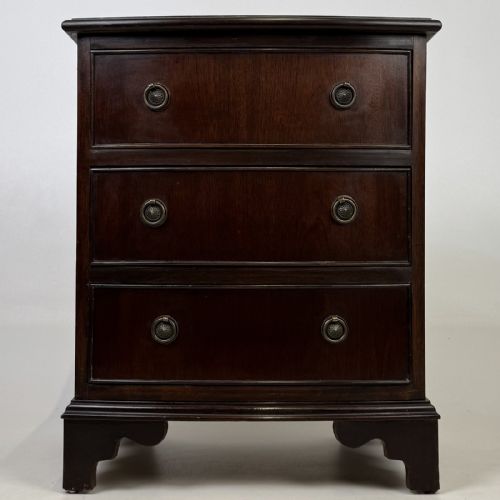
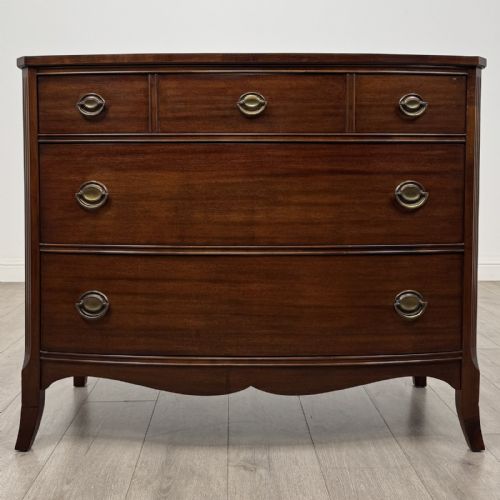
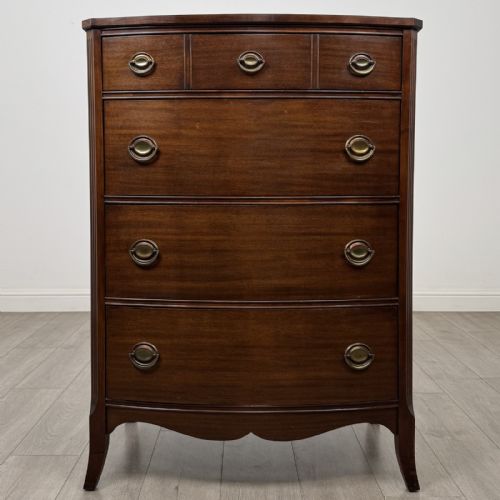
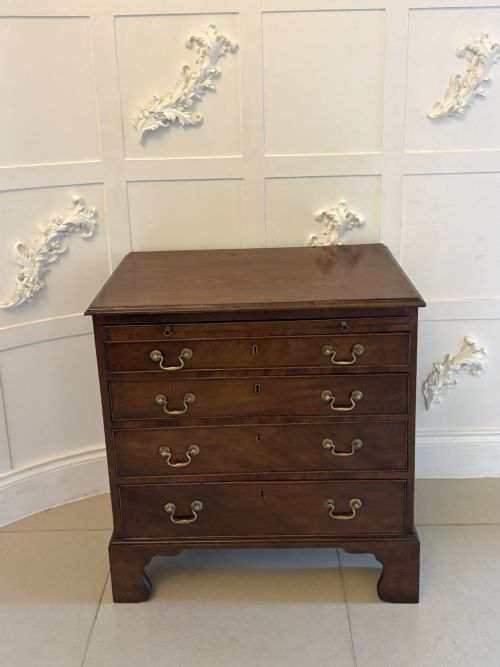
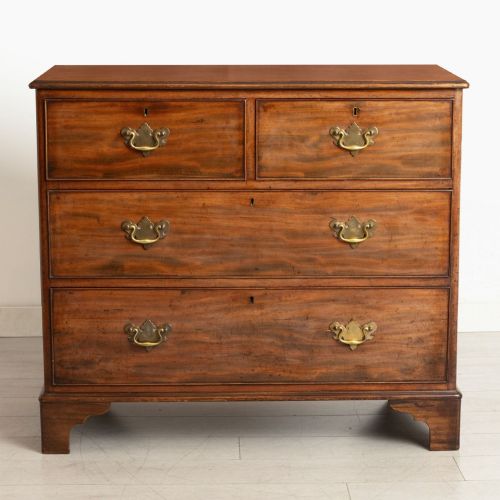
Dark mahogany bedroom drawers bring deep timber tones and traditional proportions to sleeping quarters, spanning Georgian craftsmanship through to Edwardian interpretations.
Dark Mahogany Bedroom Drawers
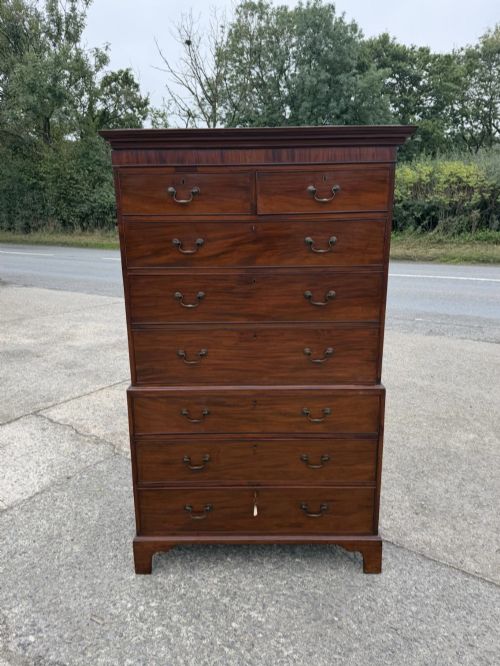
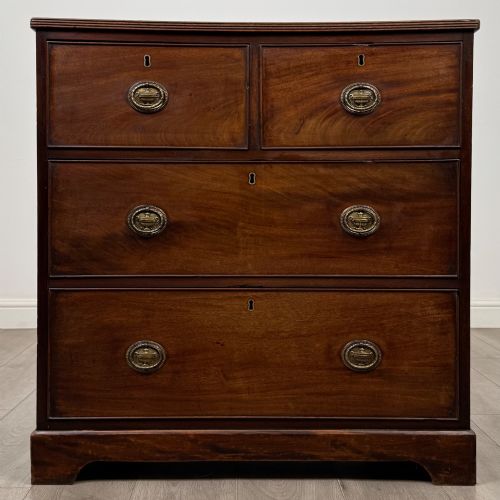
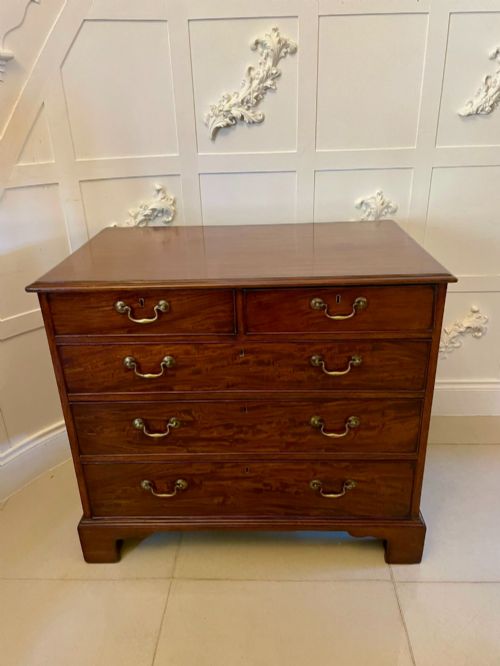
Dark mahogany bedroom drawers primarily manifest as chests of drawers, alongside tallboys, linen presses, wardrobes, and bedside tables. When searching for dark mahogany bedroom drawers, a buyer encounters pieces from the eighteenth century, the Regency period, the Victorian era, and the Edwardian epoch.
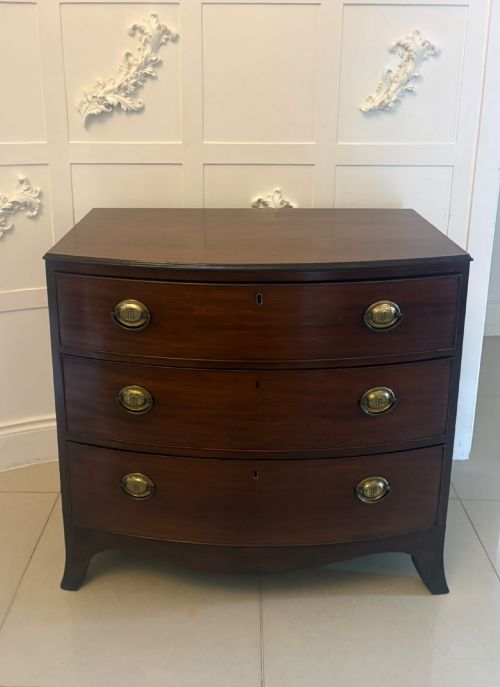
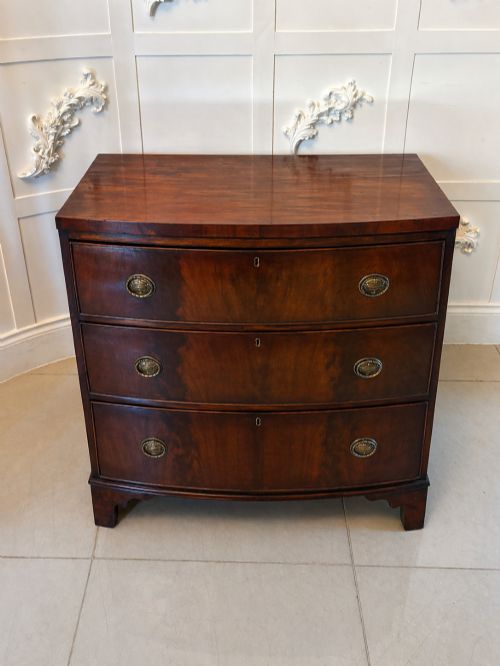
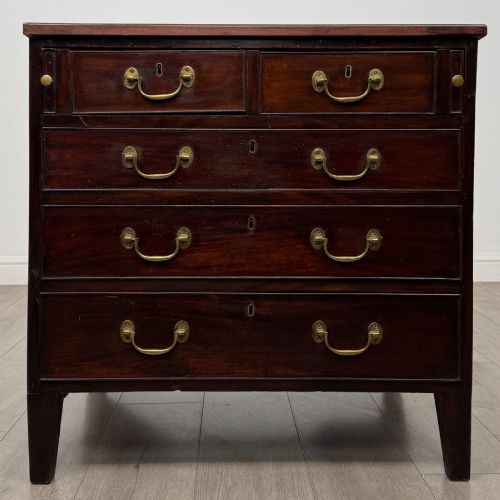
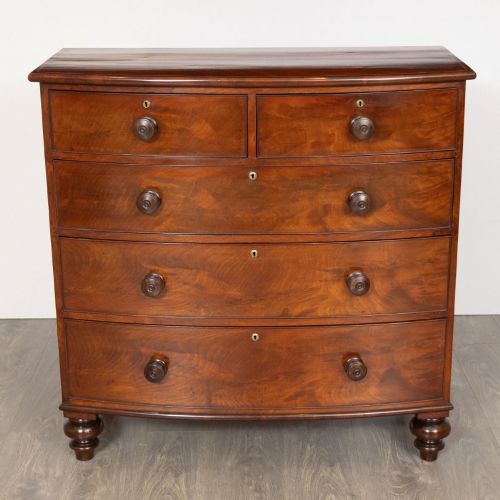
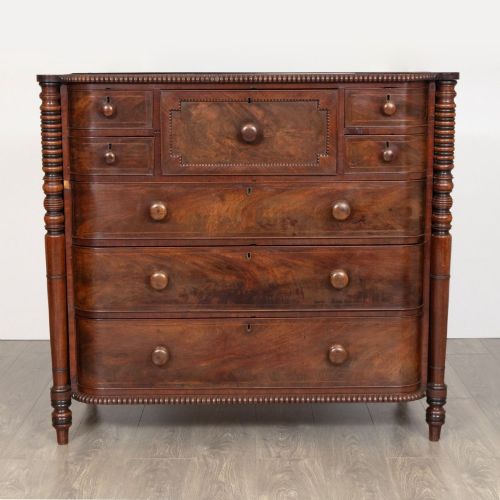
The selection ranges from George III period chests with brushing slides to bow front examples and Wellington chests featuring locking flaps. Pieces appear in various regional formats including Scottish chests and French commodes, alongside later Georgian Revival interpretations.
Assessing the pieces
Quality rests in the selection of timber veneers, such as figured mahogany and flame mahogany, paired with meticulous cabinetmaking traditions like hand-cut dovetailing. The presence of secondary timbers like oak for drawer linings indicates higher tier domestic production.
Proportion and decorative restraint separate standard examples from finer items, particularly where satinwood banding or serpentine fronts are executed with precision. Original brass hardware and intact locking mechanisms on pieces like Wellington chests further distinguish superior specimens.
Current listings feature mahogany alongside satinwood, oak, and brass across George III, Regency, and Edwardian periods.
Whytock & Reid·T & G Seddon
The Dark Mahogany Bedroom Drawers Glossary
- Bow front
- A convex curved cabinet front popular during the Georgian and Regency periods. This curved profile softens the linear appearance of a standard chest.
- Wellington chest
- A tall, narrow chest of drawers secured by a hinged locking flap on one side. The design originated in the nineteenth century for efficient storage.
- Brushing slide
- A pull-out shelf integrated into the upper section of a chest for folding clothes or writing. It sits discreetly above the topmost drawer.
- Tallboy
- A tall chest on chest where a smaller upper chest stacks upon a larger base. This vertical format maximises storage capacity while occupying minimal floor space.
- Crossbanding
- A strip of veneer applied perpendicularly to the grain of the primary surface. This decorative border frames drawer fronts and tabletops.
Dark Mahogany Bedroom Drawers: Frequently Asked Questions
What is a brushing slide used for?
A brushing slide functions as a pull-out shelf integrated into the upper section of a chest. It provides a temporary surface for folding garments or placing items without opening the main drawers.
Cabinetmakers incorporated these slides into Georgian and Regency pieces to add functional versatility to bedroom furniture.
How do I identify a Wellington chest?
A Wellington chest appears as a tall, narrow set of multiple drawers secured by a hinged vertical locking flap down one side. This flap fastens with a key to lock all drawers simultaneously.
Originating in the nineteenth century, this form provides substantial vertical storage within a compact footprint.
What is flame mahogany?
Flame mahogany describes timber cut from the fork of the tree where the branch meets the trunk, producing a distinctive fire-like grain pattern. Makers utilised this veneer on drawer fronts to create dramatic visual movement.
Pieces featuring this finish typically date from the Georgian and Regency periods.
What distinguishes a Scotch chest?
A Scotch chest is a regional nineteenth-century form characterised by a concealed top drawer above a deep cushion drawer or central hat drawer. These pieces often present robust proportions and rich mahogany veneers.
Scottish cabinetmakers favoured this specific arrangement for domestic storage.