



Dark Landscape Painting
When you search for a dark landscape painting, you find atmospheric works in oil on canvas, wood, and paper that capture evening scenes, moody waters, and shadowed terrain across several centuries.
Dark Landscape Painting
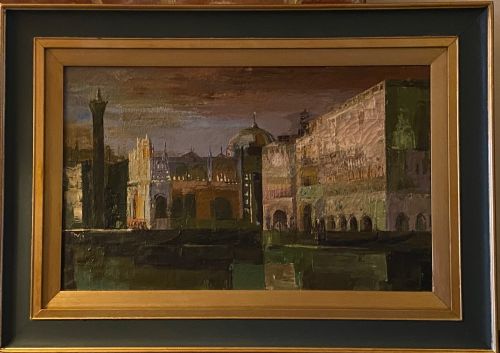
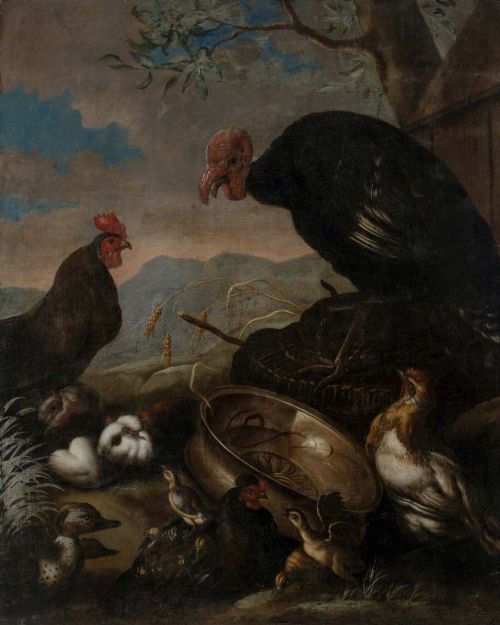
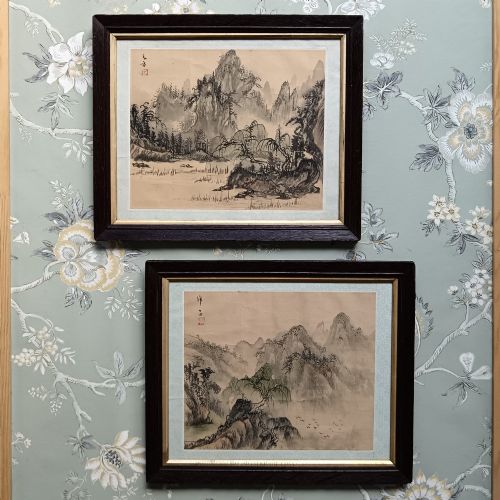
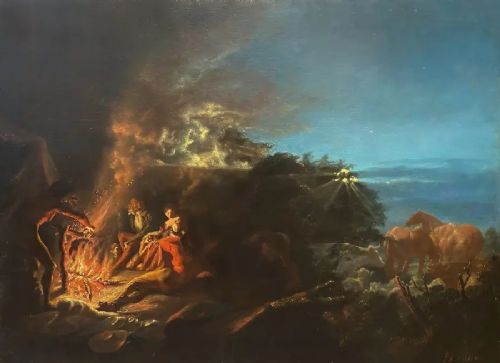
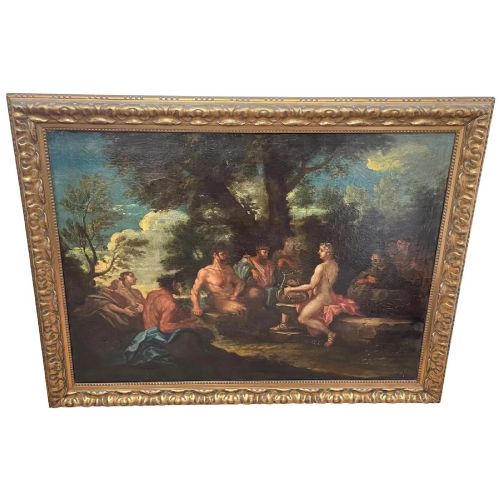
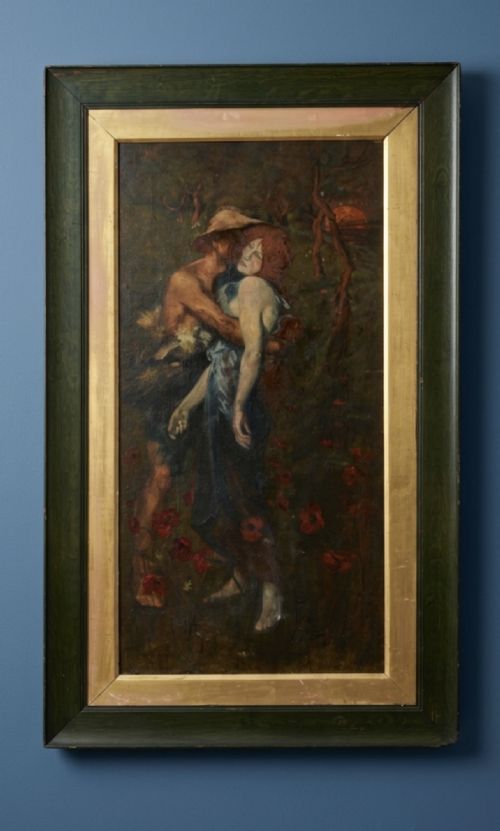
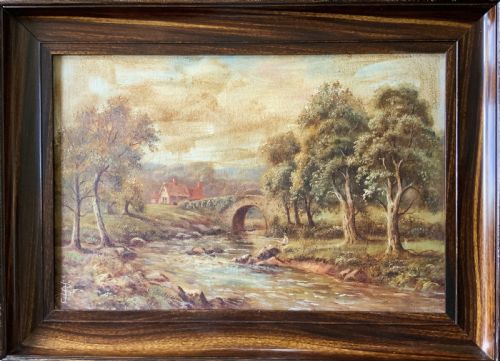
A dark landscape painting brings mood, shadow, and depth into a room, drawing the eye toward nocturnal views, heavy skies, and wooded depths. When you search for this style, you encounter oil paintings, watercolours, and silk works spanning from the 17th century through the Victorian and Edwardian eras into the mid-20th century.
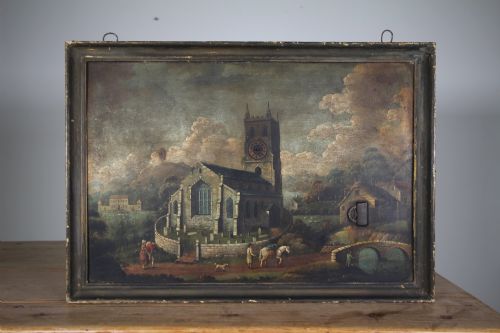
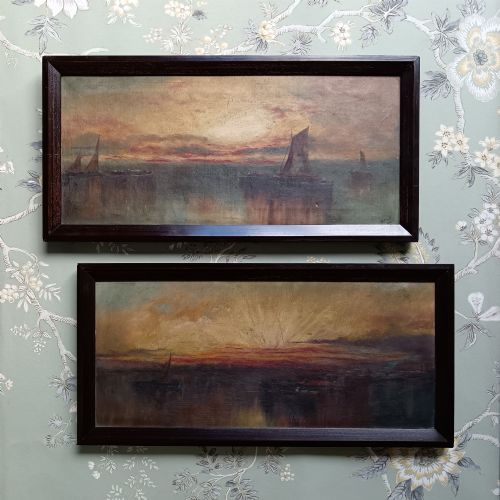
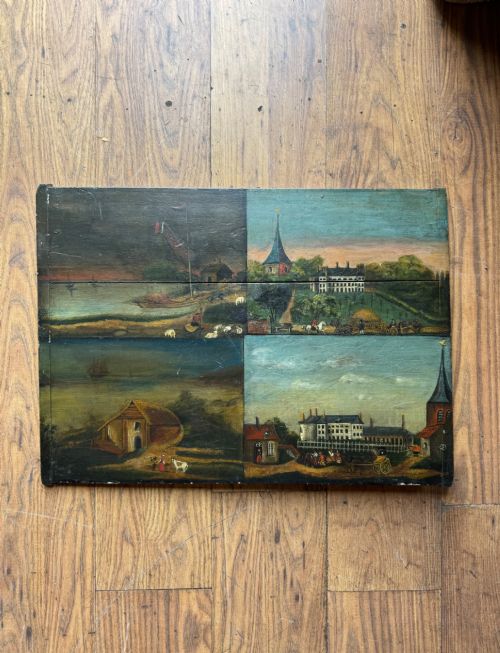
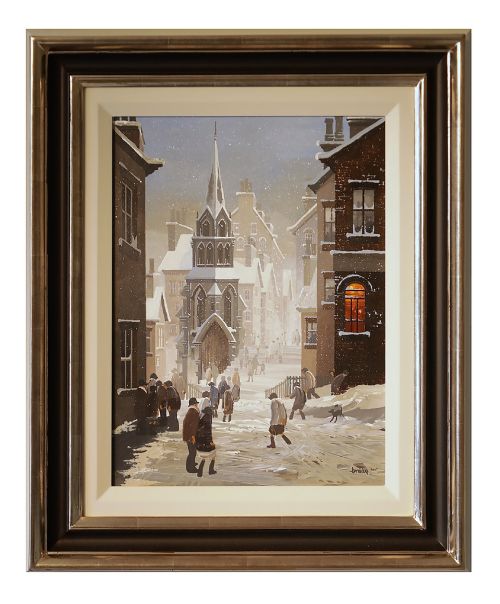
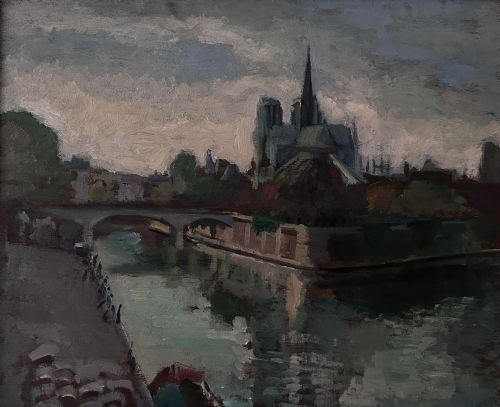
The pieces listed here include moonlit street scenes, Highland lochs under heavy shadows, harbour views at dusk, and wooded paths. British and European schools dominate, alongside provincial folk art and marine works depicting shipping by night or sunrise.
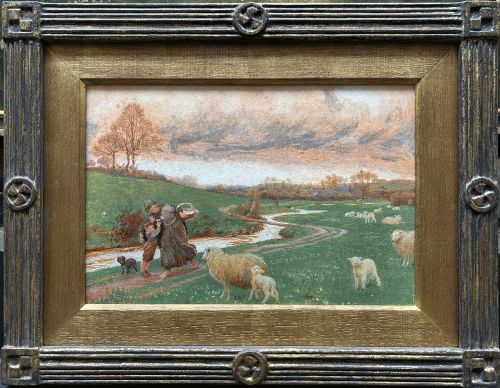
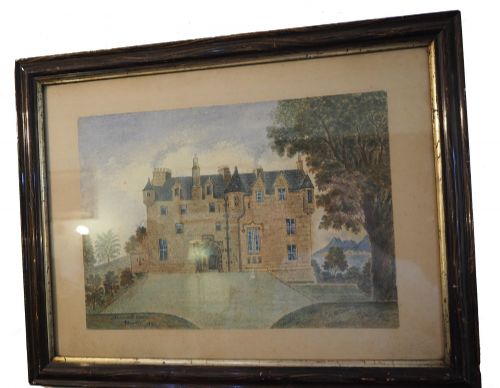
The most common formats on this page are oil on canvas and watercolour on paper, housed in original or period frames. They range from intimate watercolours to large canvases showing castle ruins, rivers, and mountains under muted lighting.
How They Were Made
Artists built these dark landscape painting examples using oil paint on stretched canvas, wood panels, or paper, often building up heavy layers of pigment to achieve deep shadows and nocturnal tones. Watercolour and gouache appear frequently in nineteenth-century works, utilising white paper reserves and careful washes to suggest moonlight.
Support materials vary from traditional woven canvas and timber panels to tin and silk, with many retaining their original gilt or carved wooden frames. Pigments were applied with brushes and palette knives, capturing texture in foliage, water, and architecture.
Dark Landscape Painting Retail Price Guide 2026
Typical asking prices for dark landscape painting among the pieces listed under this phrase on Sellingantiques today, from the lower quarter to the upper quarter. They describe what is for sale here now, not the wider market.
Materials across the selection include stretched canvas, oak panels, paper, silk, and porcelain plates decorated with hand-painted scenes.
What Varies in Quality
The distinction in a dark landscape painting lies in the handling of light and shadow, where skilled artists create genuine atmospheric depth rather than flat darkness. Brushwork control and the subtlety of tonal transition separate accomplished academy works from provincial or naive pieces.
Condition of the surface and survival of the original frame heavily influence the integrity of the piece. Works that retain stable paint layers without extensive overpainting or craquelure preservation represent the upper tier of surviving examples.
Sushila Singh·Angelo Maria Crivelli·B. Nash·Albert Bierstadt·Frederick Walker·Brian Shields Braaq·Sydney Yates Johnson·Pucher Deroche·William Manners·George Cole·Thomas Hollingsworth·Ernest Higgins Rigg·Hubert Thornley·Donald Wood·Annie L. Lee·William Huggins·Frank Moss Bennett·Thomas Rose Miles·Pierre Peltier·James G. Faulds
The Dark Landscape Painting Glossary
- Oil on Canvas
- Pigment mixed with drying oil, applied to a stretched woven fabric support. This combination allows for rich colour blending and deep tonal layers.
- Gouache
- An opaque water-based medium containing pigment and a binding agent, often used on paper to create solid areas of matte colour.
- Wood Panel
- A rigid flat wooden support used for paintings before and alongside canvas. It provides a stable surface that preserves fine detail.
- Gilt Frame
- A wooden picture surround covered with a thin layer of gold leaf or metallic powder. These frames protect the edges of the canvas and complement the artwork.
- Craquelure
- A fine network of small cracks appearing across the surface of old paint or varnish. It forms naturally as oil paint hardens and ages over decades.
- Provenance
- The documented history of ownership of an artwork. Clear records help verify the origin and authenticity of older pieces.
Dark Landscape Painting: Frequently Asked Questions
How do I date a dark landscape painting?
Dating relies on examining the stretcher frames, canvas preparation, pigments, and style of clothing or architecture depicted in the scene. Signatures and gallery labels on the reverse also provide clues.
Comparative analysis with known works by the same school or artist helps narrow the decade of creation.
Where should I hang a dark landscape painting?
These works suit rooms with controlled lighting where the moody tones and subtle highlights can be appreciated up close. Avoid placing them in direct sunlight to protect the pigments.
Pairing them with neutral walls allows the deep greens, browns, and blacks of the landscape to stand out clearly.
Are watercolours as durable as oils?
Watercolours require glass protection and careful placement away from direct light because paper and water-based pigments are sensitive to fading. Oil paintings on canvas or wood are more resilient to environmental changes.
Both mediums survive centuries when kept in stable, dry conditions.
What is the difference between a school and a named artist?
A named artist refers to a specific painter whose signature or documented career is known. A school denotes a group of artists working in a similar region or style during a specific era.
Paintings attributed to a school often reflect the dominant techniques of a particular academy without carrying an individual signature.