





Dark Elm Hall Table
These dark elm hall tables bring rich grain and sturdy vernacular craftsmanship straight into an entryway.
Dark Elm Hall Table
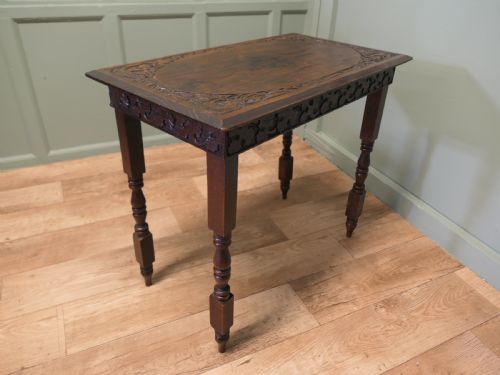
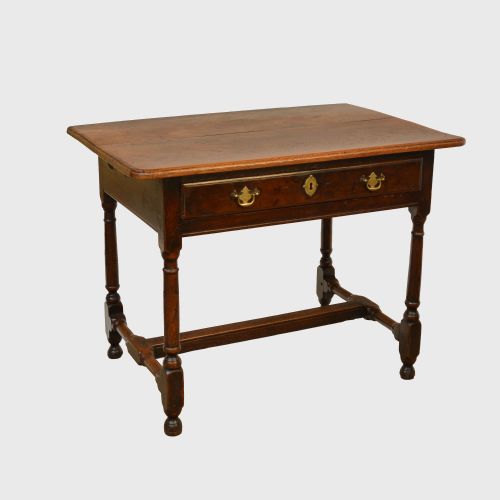
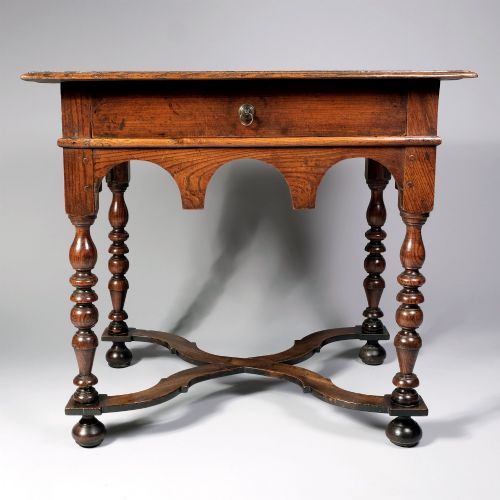
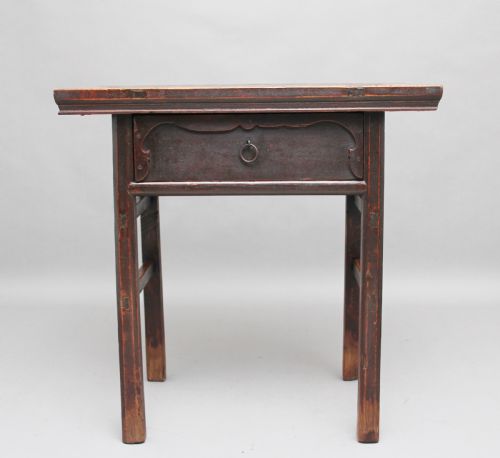
A dark elm hall table serves as a practical surface for an entrance, balancing deep timber tones with useful proportions. When searching for a dark elm hall table, buyers encounter side tables, console tables, and altar tables spanning several centuries.
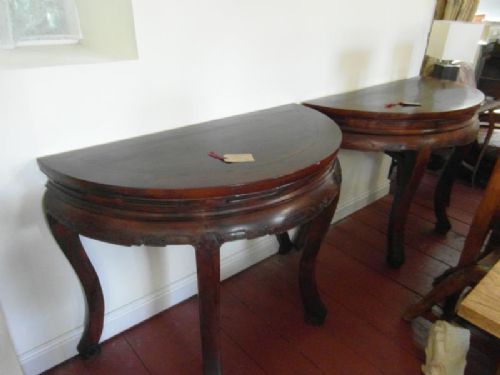
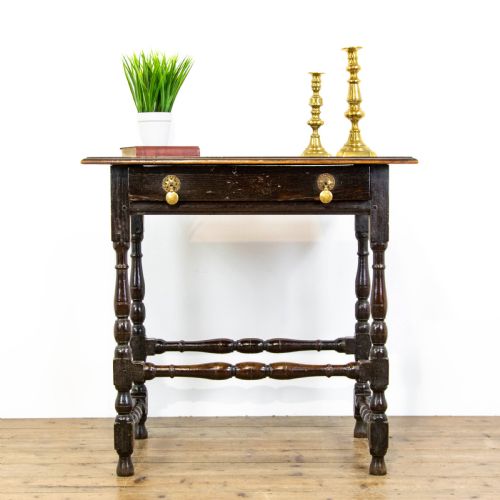
The selection ranges from English provincial pieces of the seventeenth and eighteenth centuries to traditional Chinese provincial and Qing Dynasty forms. English examples include low boys and side tables incorporating oak or yew, whilst Asian pieces feature altar tables and demi-lune designs.
Materials and construction
Construction relies heavily on solid elm, often paired with secondary woods like oak, yew, and general hardwood for structural integrity. Elm provides a strong, interlocking grain that resists splitting, making it durable for daily use in busy hallways.
Metal elements appear in brass and iron fittings, whilst certain pieces display traditional lacquer finishes. These materials work together to create robust furniture designed to withstand generations of handling.
Dark Elm Hall Table Retail Price Guide 2026
Typical asking prices for dark elm hall table among the pieces listed under this phrase on Sellingantiques today, from the lower quarter to the upper quarter. They describe what is for sale here now, not the wider market.
Current listings feature materials including elm, brass, hardwood, oak, lacquer, yew, and iron across side tables, console tables, and altar tables.
Assessing quality and character
Quality rests in the depth of the timber's patina and the integrity of the original construction methods. Finer examples display harmonious proportions and careful timber selection, where the rich figuring of the elm takes centre stage.
The distinction between ordinary and superior pieces often lies in the subtlety of the joinery and the preservation of surface texture over centuries of use.
The Dark Elm Hall Table Glossary
- Elm
- A dense, durable timber known for its twisting grain pattern and rich brown colour. It forms the primary material for the majority of these tables.
- Altar table
- A long, narrow table originating from traditional Chinese interiors, featuring distinctive recessed legs and upturned flange ends. They suit modern hallways well due to their slender depth.
- Low boy
- A small English table with drawers, typically raised on four tall legs, dating from the late seventeenth and eighteenth centuries. These function effectively as compact hall surfaces.
- Provincial
- Describing furniture made in the regions rather than metropolitan centres, prioritising utility and local materials over courtly ornamentation.
Dark Elm Hall Table: Frequently Asked Questions
Where should I place a hall table?
These tables fit naturally in narrow entryways, corridors, or behind living room sofas where surface space is needed without blocking foot traffic.
Their slender depths allow them to sit flat against walls while holding everyday items like keys and post.
How do I clean elm wood?
Dust the surface regularly with a soft, dry cloth to prevent dirt from settling into the grain. Avoid chemical sprays or excessive water, which can damage the aged finish and dry out the timber.
Apply a traditional beeswax occasionally to nourish the wood and maintain its natural lustre.
Are these tables sturdy enough for daily use?
Elm is a famously tough hardwood with an interlocking grain that absorbs knocks and resists splitting. This makes historical elm tables remarkably robust for contemporary hallways.
Properly maintained joints ensure the structure remains firm even after centuries of household activity.
How do I distinguish English from Chinese pieces?
English examples typically follow European periods like William and Mary or Queen Anne, often incorporating oak or yew alongside elm. They feature styles reminiscent of country houses and provincial workshops.
Chinese pieces generally display traditional altar forms, floating panel tops, or distinct joinery methods tied to Qing Dynasty and provincial traditions.