

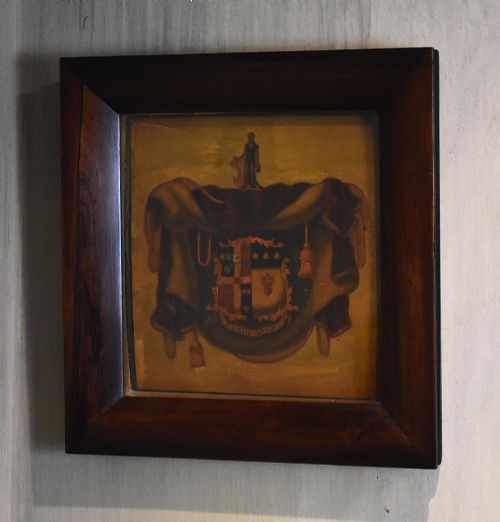


Dark Coat Oil Painting
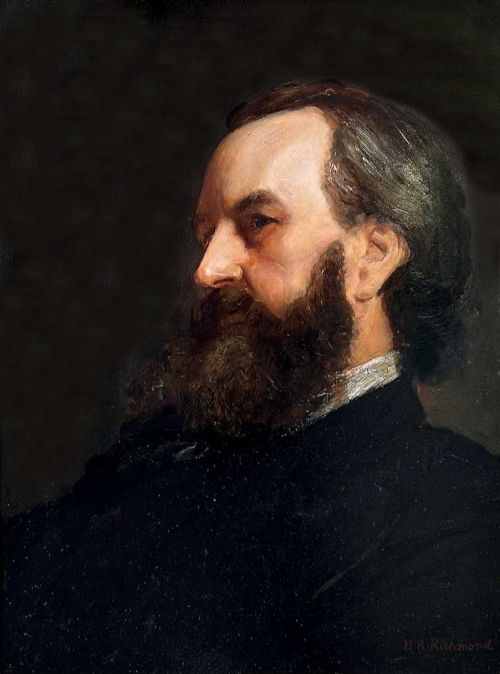
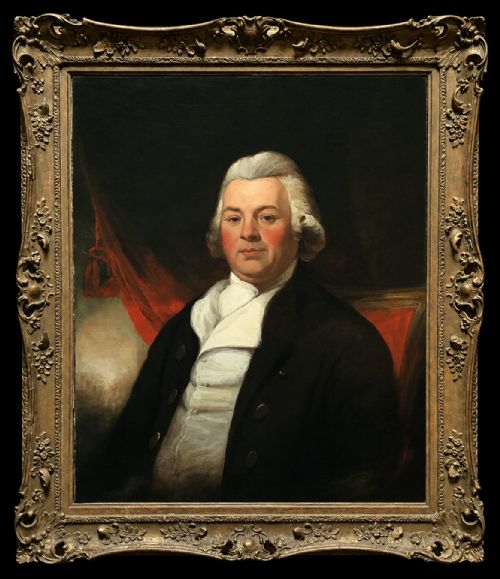
When you search for a dark coat oil painting, you are looking at historical portraiture dominated by sombre garments set against deep backgrounds.
Dark Coat Oil Painting
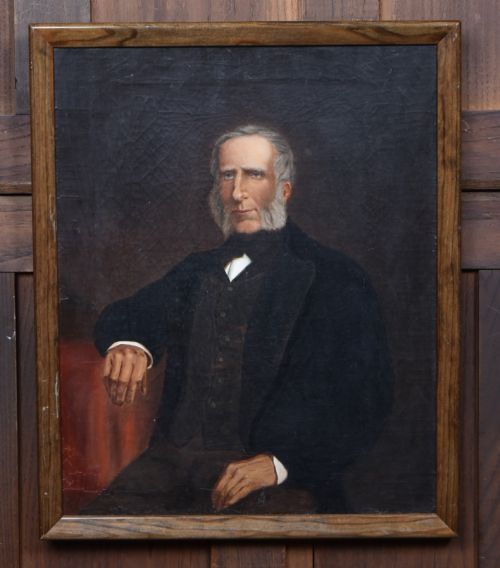
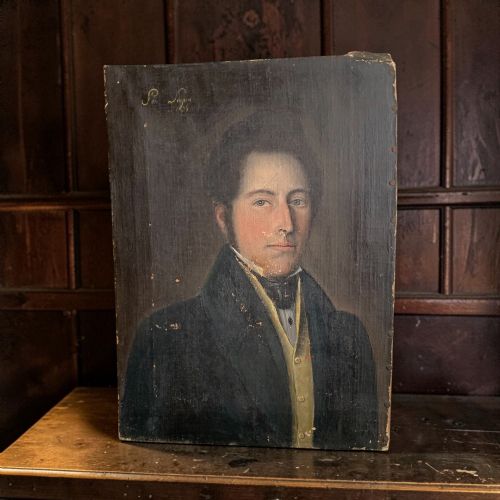
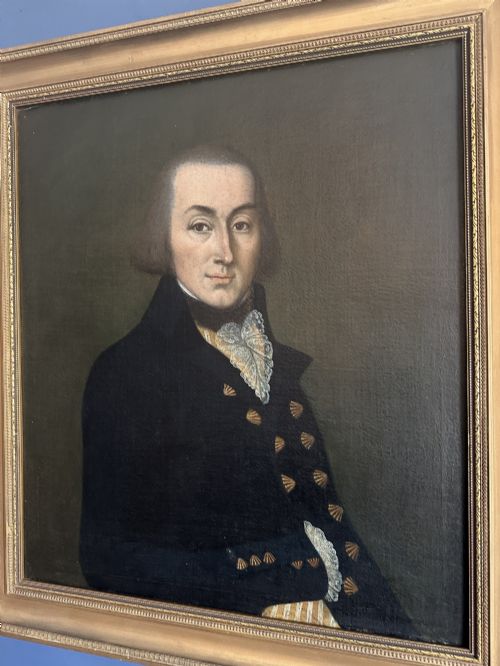
A dark coat oil painting depicts sitters from the eighteenth and nineteenth centuries, often captured in formal attire such as black suits, frocks, or religious habits. These works span English, Scottish, French, and Austrian schools, recording merchants, politicians, ministers, and gentlemen.
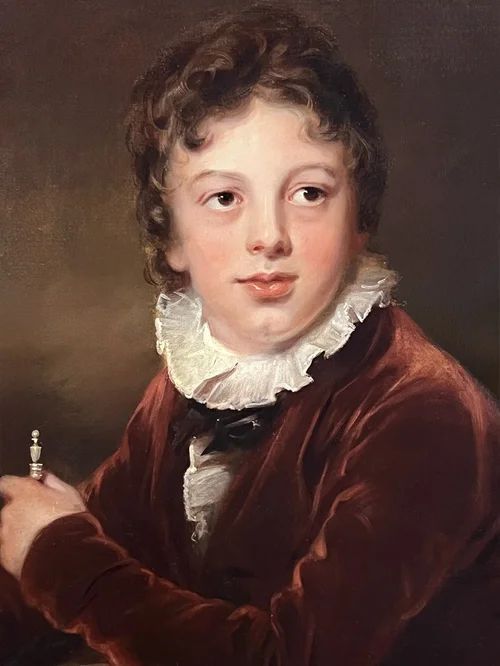
The dominant version met on this page is the nineteenth-century canvas portrait, though eighteenth-century examples and seventeenth-century Dutch pieces also appear. Subjects range from named historical figures to anonymous gentlemen, boys, and sporting subjects like dogs.
Formats vary from standard canvas paintings to miniature portraits and painted coach panels. The common thread across the selection remains the sombre tonal palette of the sitter's outerwear against muted interior or dark backgrounds.
How they were made
These works utilise oil paint applied to stretched canvas, wood panels, or copper in the case of miniatures. Artists built up the dark coats through rich, layered glazes to achieve depth in the shadows of heavy fabric.
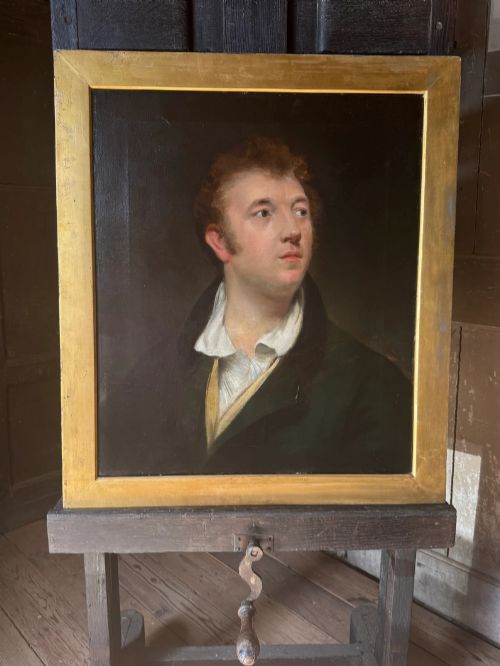
Frames often incorporate wood with gold leaf or giltwood finishes to complement the deep tones of the painted surface. Support structures rely on traditional joinery for panels and hand-stretched linen secured with tacks for canvases.
Materials recorded across the selection include oil paint, canvas, wood, gold leaf, and giltwood frames.
What varies in quality
Quality rests in the handling of facial expression and the luminosity of the dark pigments, where superior hands capture the subtle texture of heavy wool and velvet without losing the subject into muddy shadow. Lesser works rely on stiff formulae with flat areas of black paint that lack tonal variation.
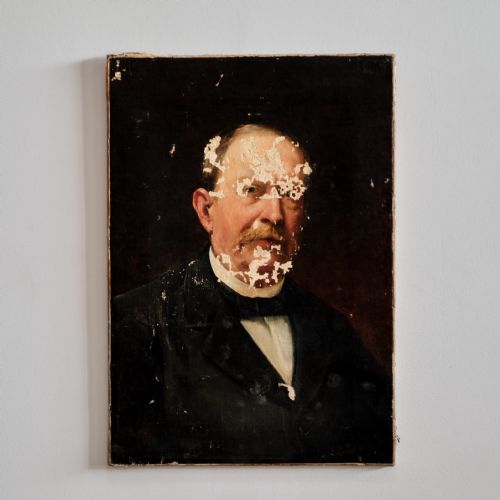
The distinction also lies in the anatomical precision of the hands and face, alongside the preservation of the original canvas and ground layer. Finer pieces demonstrate confident brushwork in the lace, cravats, and background details that frame the dark coat.
SIR WILLIAM BEECHEY R.A·MARGARET SARAH CARPENTER·JAMES HOWE·William Blake Richmond·George Watson·Richard Baxter·Alan Ramsay·Sir Thomas Lawrence PRA·Richard Cosway RA·Thomas Hudson·John Raphael Smith·Rudolph Lehmann·Francesco Renaldi·Sir James Guthrie·George Francis Joseph·John Russell RA·Joseph Clover·James Latham·Lemuel Francis Abbott·Sir Joshua Reynolds·Frans Pourbus the Elder·Sir William Charles Ross
The Dark Coat Oil Painting Glossary
- Canvas
- A heavy woven fabric, usually linen, stretched across a wooden frame to form the foundation for oil painting. It provides a flexible and durable surface that holds layered pigments well.
- Giltwood
- Wood, typically carved timber, coated with a thin layer of gold leaf or gold paint. This material is standard for period frames designed to enhance dark oil paintings.
- Glaze
- A thin, transparent or semi-transparent layer of oil paint applied over a dry underlayer. This technique deepens the rich dark tones of a sitter's coat.
- School
- A group of artists working in a particular region, period, or under a specific stylistic influence. Listings often attribute anonymous works to a broader national school.
- Miniature painting
- A small-scale portrait executed with fine detail, often created on ivory, vellum, or panel. These compact works require specialised brushes and intense precision.
Dark Coat Oil Painting: Frequently Asked Questions
How do I hang a heavy oil painting safely?
Support the weight using wall studs and appropriate fixings rather than relying solely on plaster. Ensure the wire or D-rings on the frame match the load capacity of the chosen hardware.
Position the work away from direct sunlight and heat sources to protect the canvas and the giltwood frame from temperature fluctuations.
What is the difference between a school attribution and a signed work?
An attribution to a specific school indicates the painting shares stylistic traits and techniques with a known regional group during a specific period. It means the exact hand is unverified.
Signed works carry the maker's mark or signature, though historical signatures sometimes require specialist authentication to confirm their period accuracy.
How do I date a portrait by its clothing?
Examine the cut of the coat, lapels, cravats, and neckwear, which shifted distinctly across the eighteenth and nineteenth centuries. Frock coats, high collars, and specific button arrangements offer reliable chronological clues.
Compare the sitter's attire with documented fashion plates and dated examples from the same regional school to narrow the decade.