
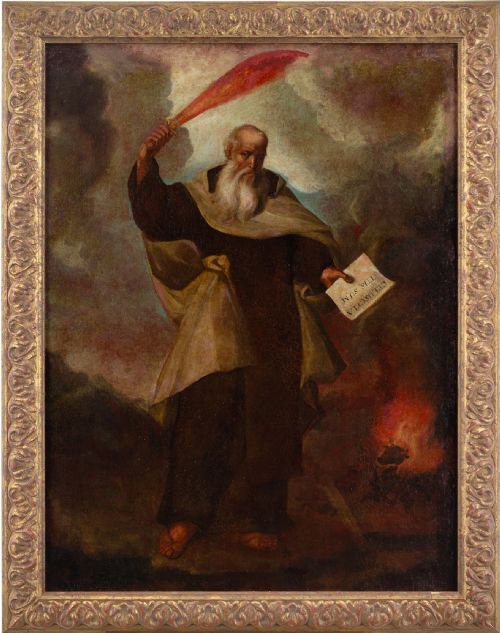


Dark Toned Oil Painting
A dark toned oil painting brings shadowed depth and centuries of atmosphere into a room.
Dark Toned Oil Painting
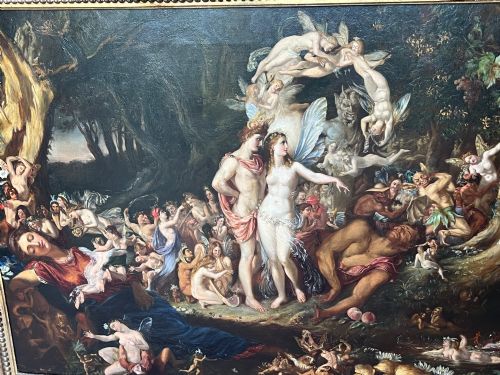
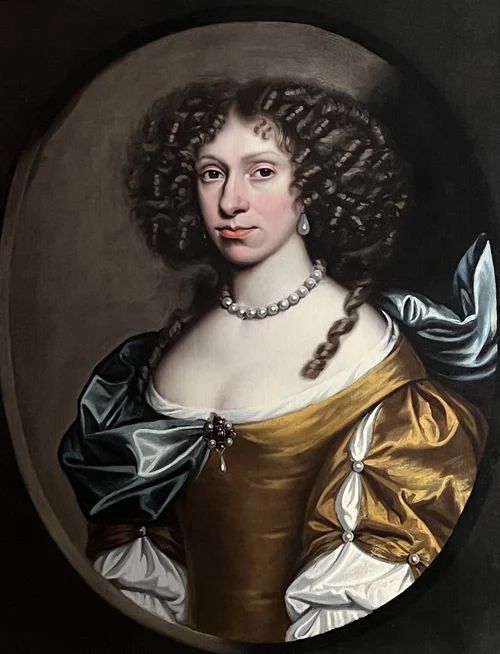
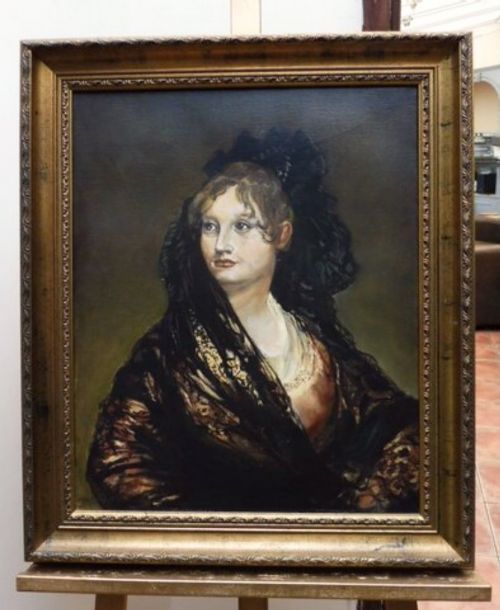
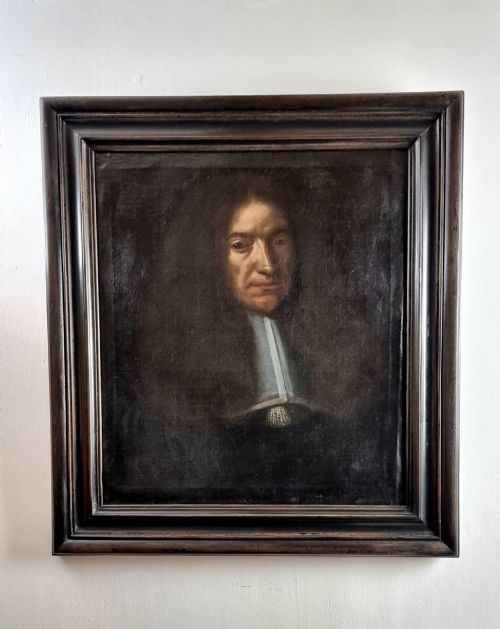
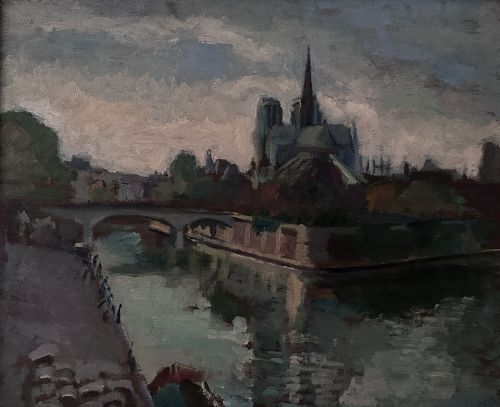
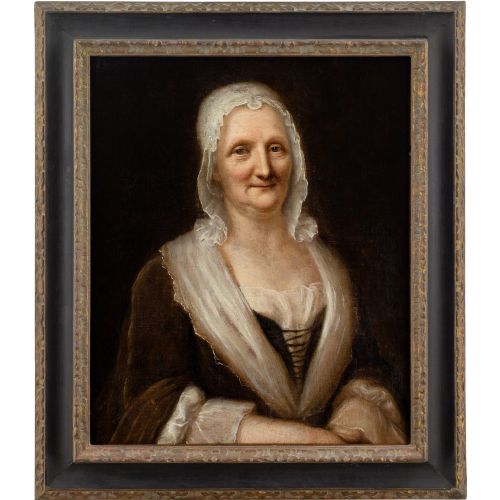
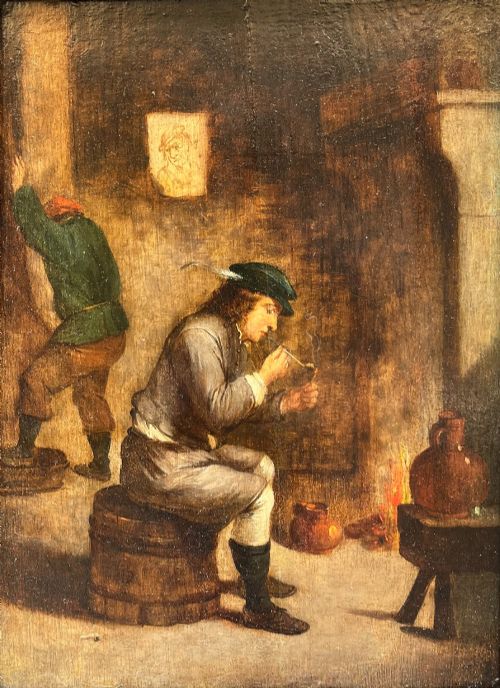
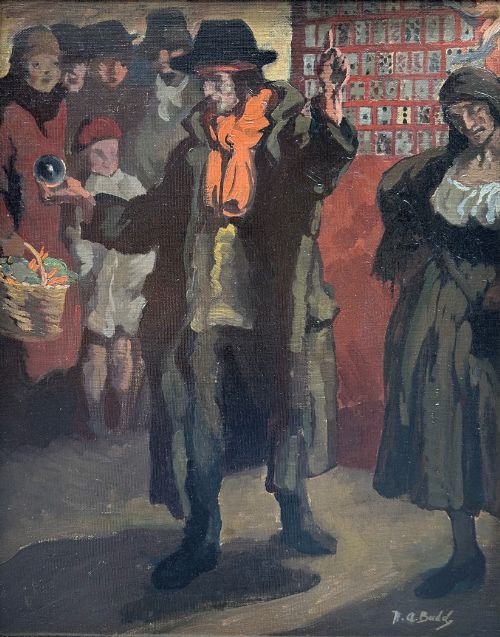
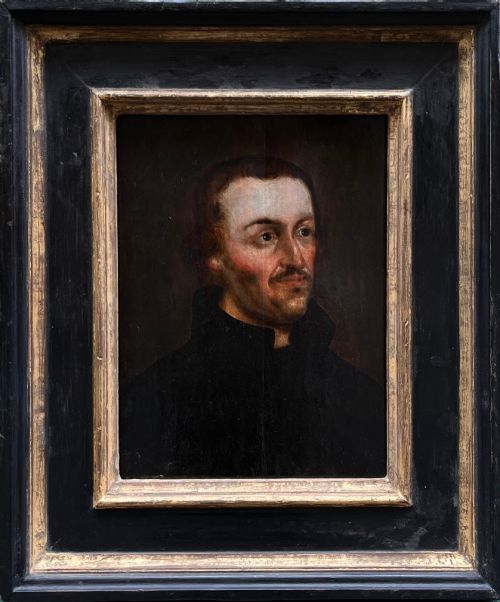
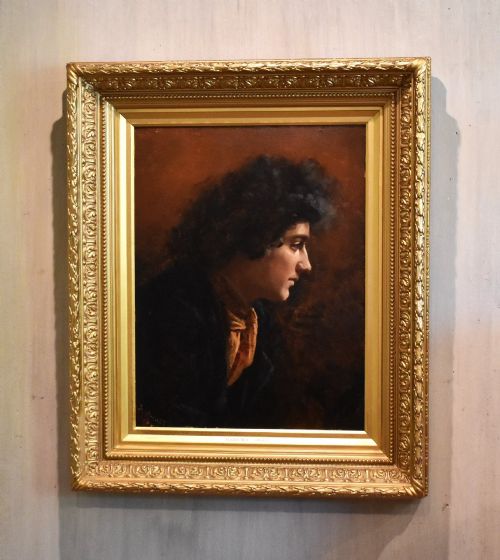
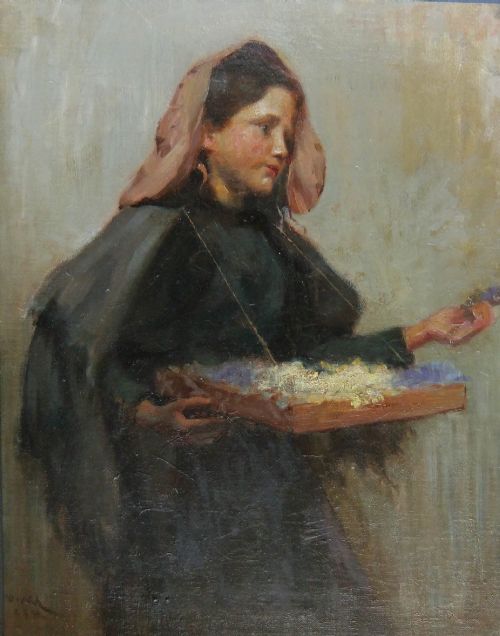
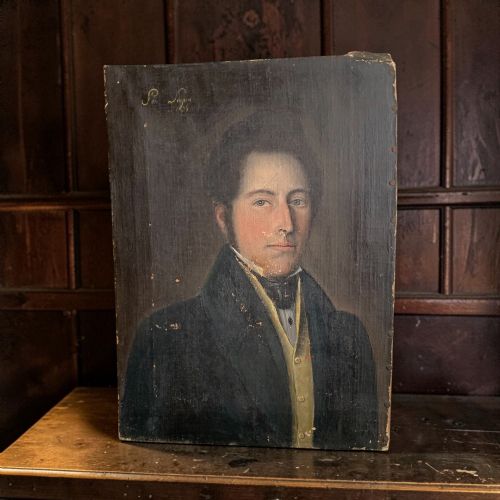
A dark toned oil painting captures the restrained palettes and dramatic shadows characteristic of earlier European schools. When searching this phrase, a buyer examines portraits, still lifes and genre scenes originating from the seventeenth century through to the Victorian era.
The selections on this page lean heavily towards historical portraiture and sombre interior studies executed on canvas or wood panels. These works draw the eye through deep chiaroscuro and muted earthen pigments rather than bright modern hues.
The origins span British, French, Spanish and Dutch hands, offering varied interpretations of shadow and light. Buyers encounter both signed works by known historical painters and accomplished pieces from regional European schools.
Materials and technique
Artists built these works using oil paint applied to stretched canvas or prepared wooden panels, often layering translucent glazes over dark priming coats to achieve depth. This traditional method of building tone gradually creates the characteristic rich shadows seen across the centuries.
Frames play an integral role in the physical structure of these works, frequently employing heavy giltwood to complement the sombre palettes within. The combination of dense oil pigments and substantial wooden supports ensures longevity when properly maintained.
The listings span multiple centuries, incorporating seventeenth-century portraits alongside Victorian genre scenes and twentieth-century interpretations.
Distinctions in quality
The distinction between ordinary and exceptional works rests on the handling of light within the shadow and the confidence of the brushwork. Master painters manipulated limited palettes to convey complex textures in fabric and skin despite the deep tonality.
Condition and originality dictate much of the standing among surviving examples, particularly the stability of the canvas and the minimal presence of historical overpainting. Works that retain their original integration of pigment and support hold greater visual coherence.
DAVID SCOUGALL·Thomas Sidney Cooper·Frank Moss Bennett·Ralph Hedley·George Hayter
The Dark Toned Oil Painting Glossary
- Chiaroscuro
- The treatment of light and shade in drawing and painting, especially where strong contrasts are used. This technique defines the moody atmosphere found in seventeenth-century canvases.
- Canvas
- A closely woven heavy fabric used as a support for oil painting. It replaced wooden panels as the preferred medium for many artists from the Renaissance onward.
- Giltwood
- Wood that has been covered with a thin layer of gold leaf or powder. Elaborate frames made from this material often accompany historical portraits.
- Provenance
- The chronology of the ownership or location of a historical object. A documented history adds significant context to antique fine art.
- Old Master
- A term for a European painter of skill who worked before about eighteen hundred. These artists established the conventions of deep tonal painting.
Dark Toned Oil Painting: Frequently Asked Questions
Where should I hang a dark painting?
These works benefit from walls with neutral or lighter backgrounds that allow the deep tones to stand out.
Avoid placing them in direct sunlight or above active heat sources to protect the canvas and oil pigments.
How do I date a historical canvas?
Dating relies on examining the stretcher frames, weave of the canvas, nail types, and stylistic markers of the period.
Pictorial evidence often aligns with the costume and framing conventions of specific centuries.
What is a genre painting?
Genre paintings depict scenes from everyday life, such as domestic interiors, market scenes, or street sellers.
Unlike formal portraits, these works capture ordinary people engaged in daily routines.