

Dark Carved Candle Stand
These dark carved candle stand pieces bring rich timber pedestals and low-slung tripod forms directly into traditional interiors.
Dark Carved Candle Stand
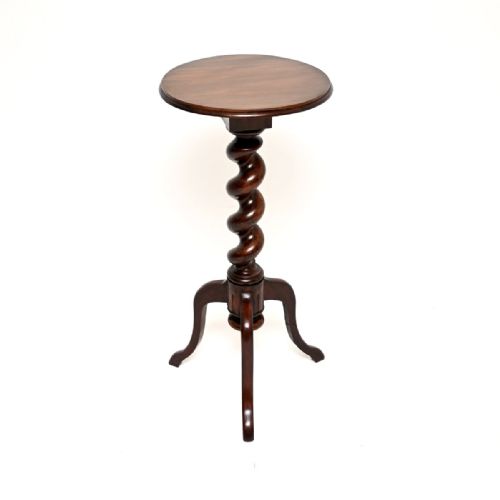
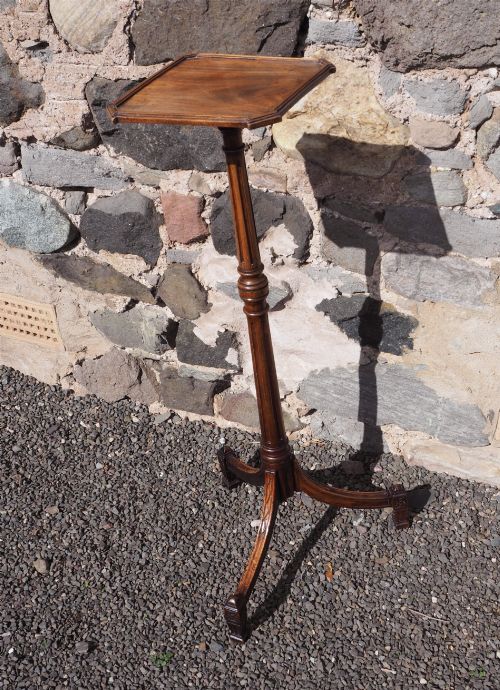
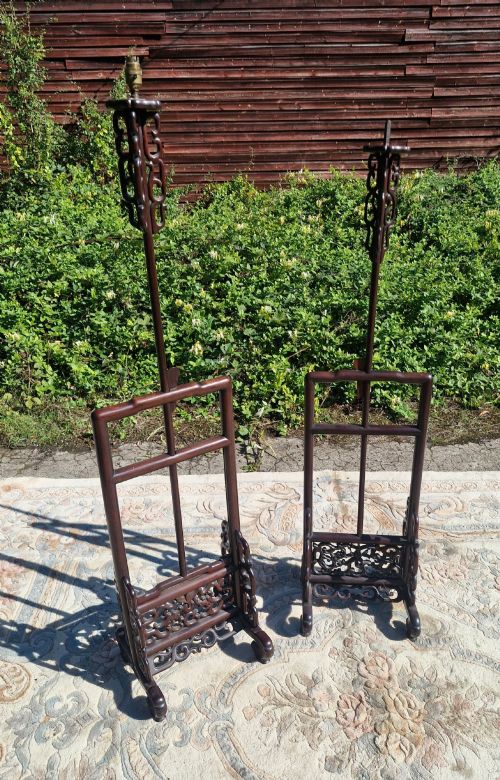
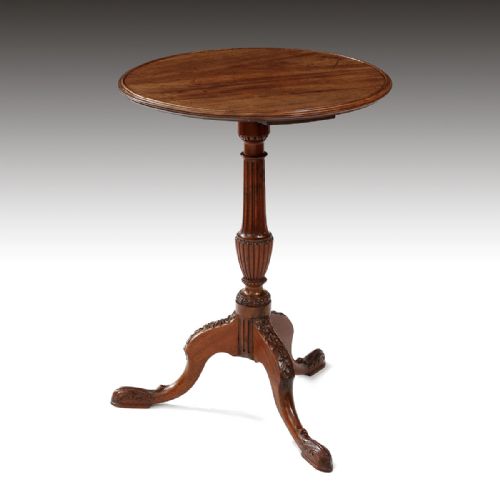
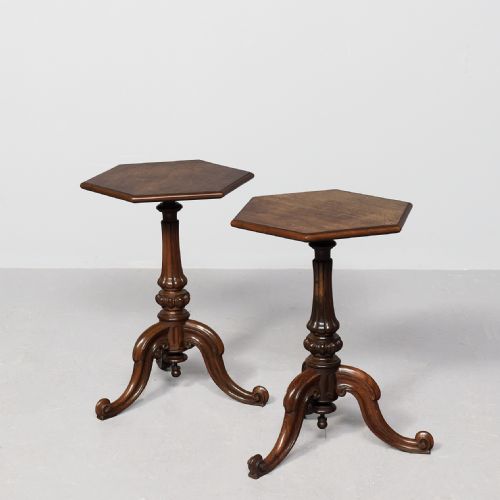
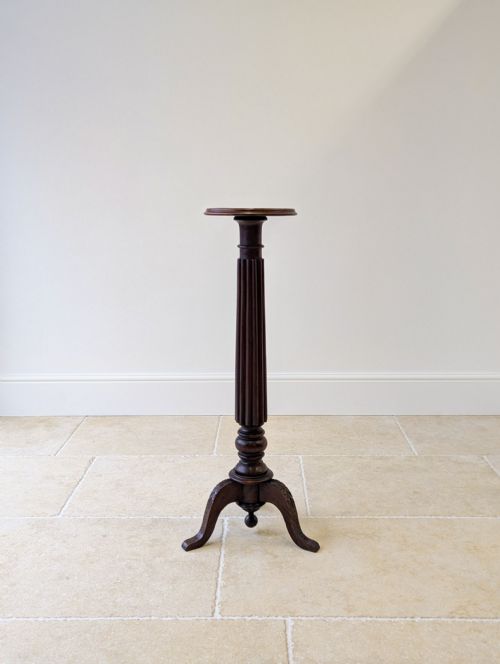
A dark carved candle stand covers a variety of elevated wooden supports including torcheres, plant stands, tripod tables, and wine tables. These pieces emerge primarily from the eighteenth and nineteenth centuries, spanning Georgian, Regency, William IV, and Victorian periods.
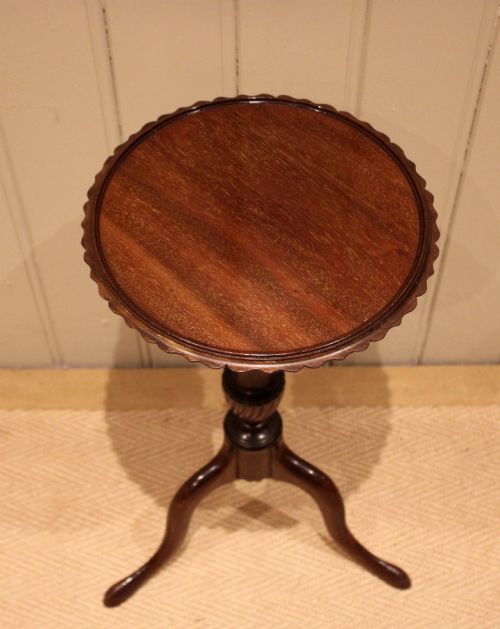
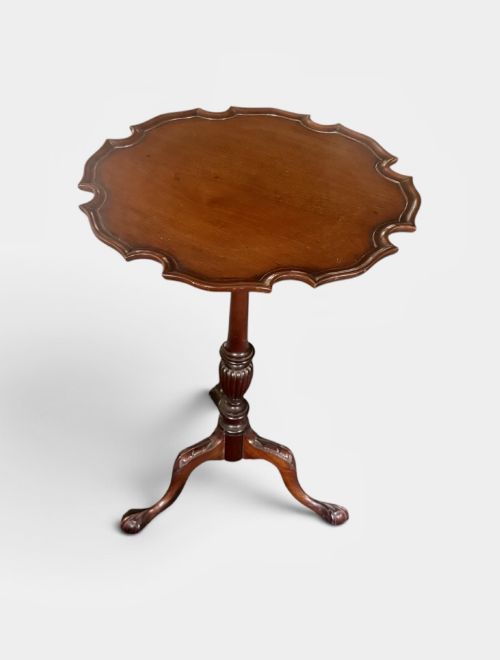
The selection frequently includes small occasional tables and specialised stands shaped with circular, clover, octagonal, or pie crust tops. Regional variations extend from British workshops to Italian, Dutch, and Anglo-Indian origins, utilising sturdy pedestals for steady illumination.
Materials and Construction
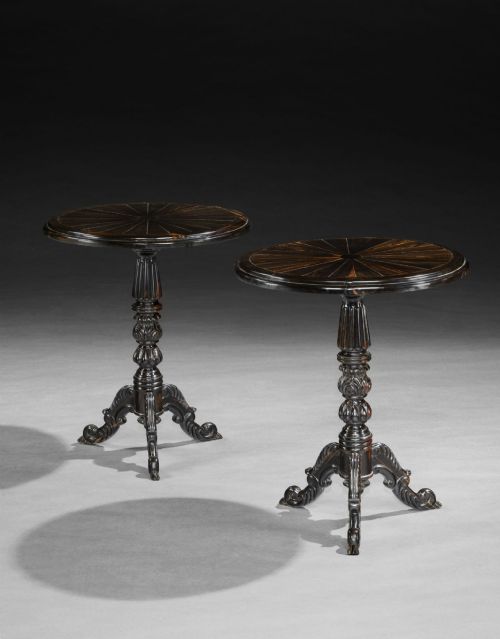
Cabinetmakers constructed these pieces from dense dark timbers like mahogany, oak, walnut, rosewood, ebony, and fruitwood. Selected hardwoods allowed artisans to execute deep relief carving, barley twists, and open twist stems.
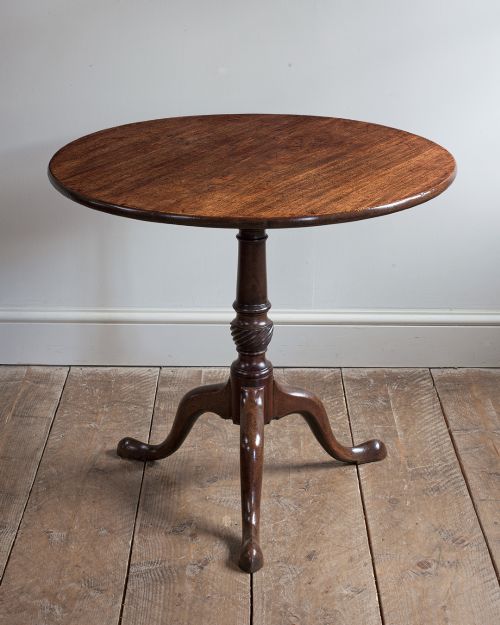
Tripod bases and turned pedestals provide structural balance beneath dishtop, pie crust, and adjustable tops. Joinery methods rely on sturdy central tenons and secure leg fittings to support heavy lamps and candles.
Object forms include occasional tables, side tables, wine tables, candlesticks, torcheres, and plant stands.
Craftsmanship and Proportion
Distinction across the range lies in the depth and precision of the carving upon the shaft and legs, alongside the selection of finely figured timber veneer. Superior examples display balanced tripod proportions where the spread of the feet matches the weight of the top.
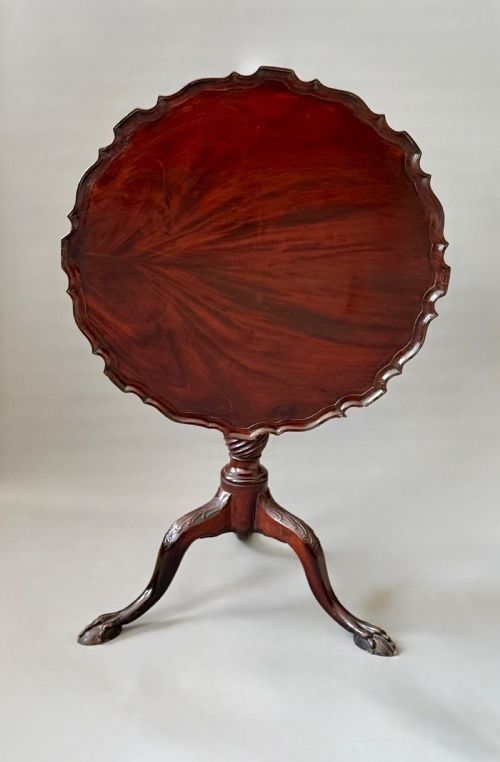
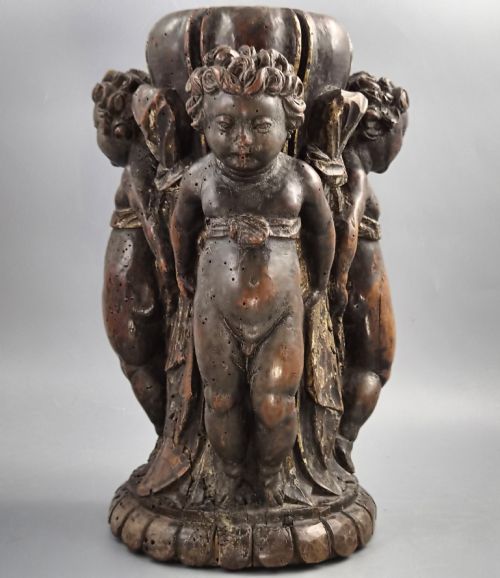
Execution of complex elements such as pie crust rims, claw and ball feet, or detailed putti motifs indicates the level of workshop skill involved. Timbers showing rich natural grain without heavy artificial disguise distinguish the finer items.
Gillow
The Dark Carved Candle Stand Glossary
- Torchere
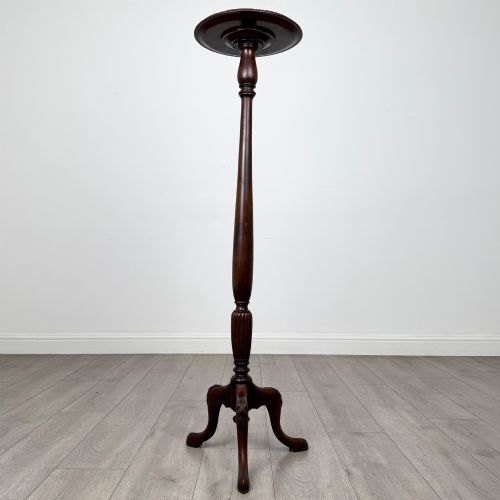
- A tall stand designed to support a candle or lamp. These vertical supports often feature slender turned columns and elaborate carved bases.
- Tripod table
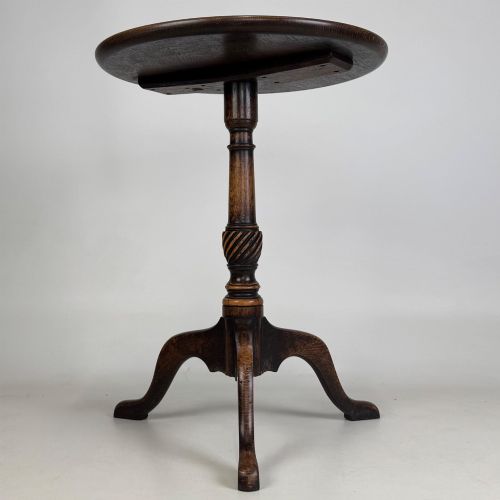
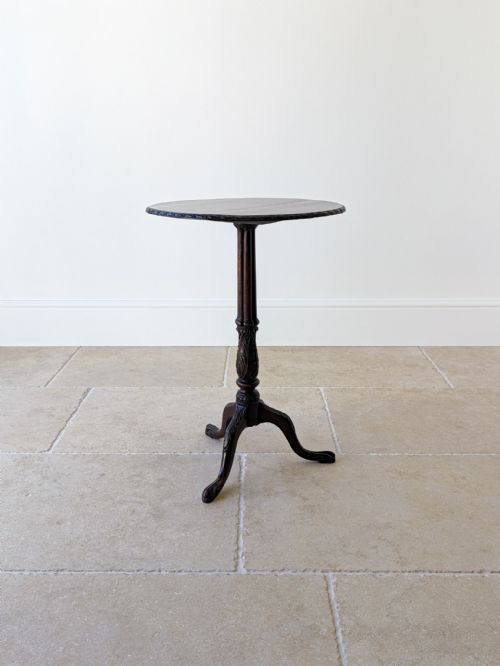
- A small freestanding table supported by three legs radiating from a central pillar. This form allows the table to remain stable on uneven floors.
- Pie crust rim
- A raised, decoratively scalloped edge carved directly into the solid timber top of a table. It mimics pastry crimping and prevents items from slipping.
- Barley twist
- A spiral turning technique resembling a twisted rope. Artisans cut this motif into table pedestals and candlestick shafts during the seventeenth and nineteenth centuries.
- Wine table
- A compact occasional table designed to hold glassware and bottles near seating areas. They typically feature small circular or shaped tops.
Dark Carved Candle Stand: Frequently Asked Questions
How were tripod wine tables used?
These compact tables served historically to hold wine bottles, glasses, or small personal items near seating areas. Their lightweight three-legged design allowed servants to move them easily around a drawing room.
In modern rooms, they work well beside armchairs or sofas as convenient resting surfaces for drinks and books. Their small footprint suits them to narrow spaces.
How do I date an antique wooden stand?
Dating relies on examining the timber species, joinery methods, and stylistic revival markers like Jacobean or Chippendale influences. Eighteenth-century pieces typically show hand-cut joinery and native hardwoods, while nineteenth-century items often incorporate machine assistance or exotic veneers like rosewood and ebony.
Comparing the turning patterns on the central pedestal against known period styles helps narrow down the decade of production. Secondary wood analysis inside the structure also clarifies the region of origin.
Are these stands stable enough for lamps?
Most tripod and pedestal stands provide a secure base for moderate weights, provided the leg spread is wide enough to balance the top. Heavier marble or metal lamp bases require careful placement to ensure the centre of gravity remains central.
Adjustable standards and fixed wine tables distribute weight evenly through a central column down to three feet. Checking the tightness of the central fixing block ensures long-term stability.