


Dark Canvas Wall Art
Dark canvas wall art brings centuries of moody portraits and dramatic maritime scenes into modern rooms through rich oil paintings on canvas.
Dark Canvas Wall Art
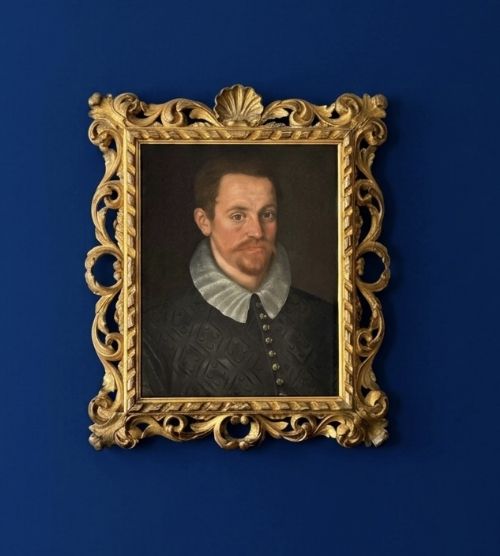
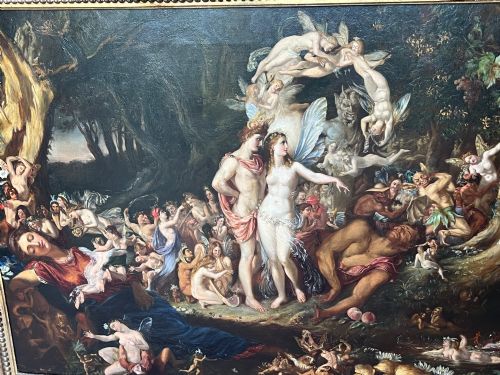
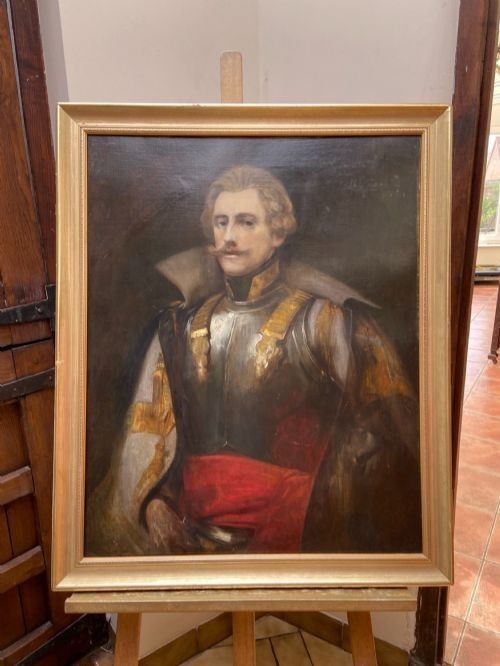
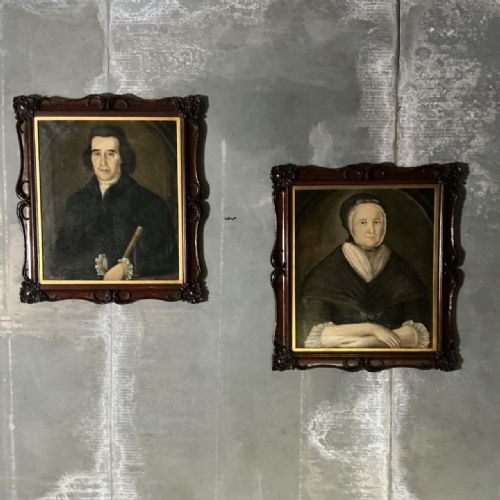
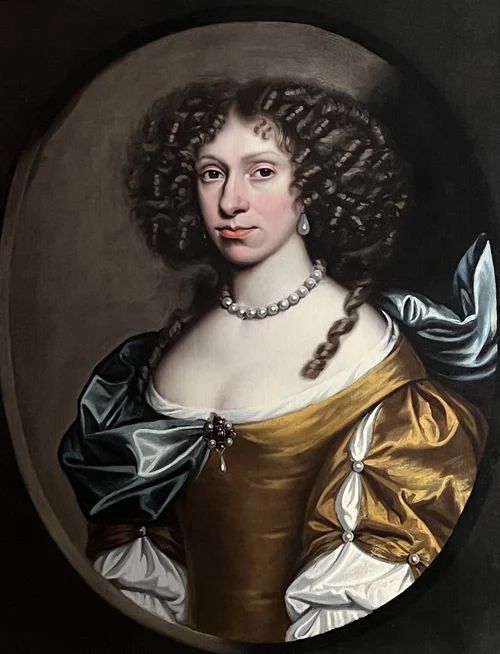
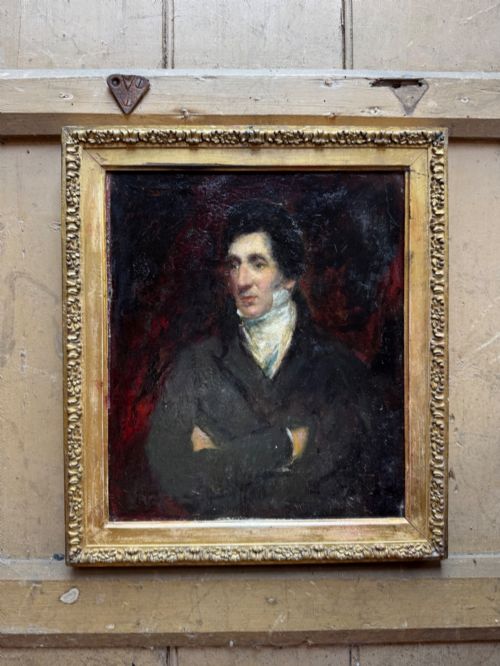
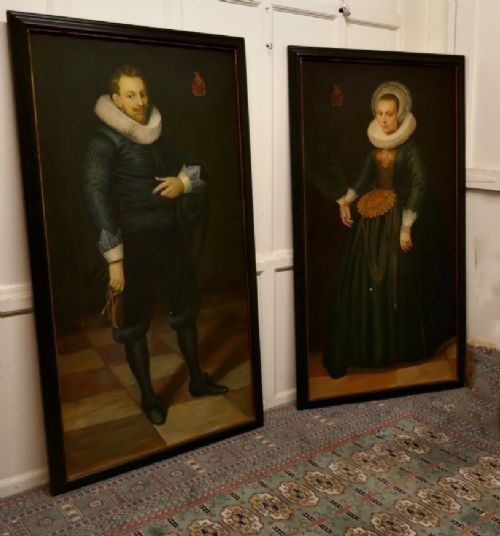
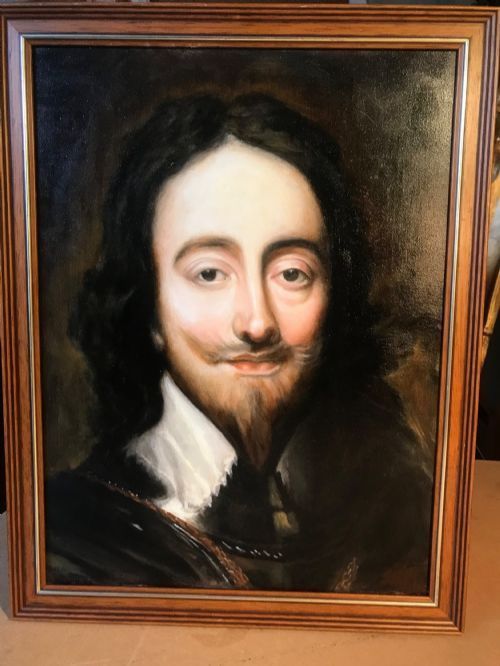
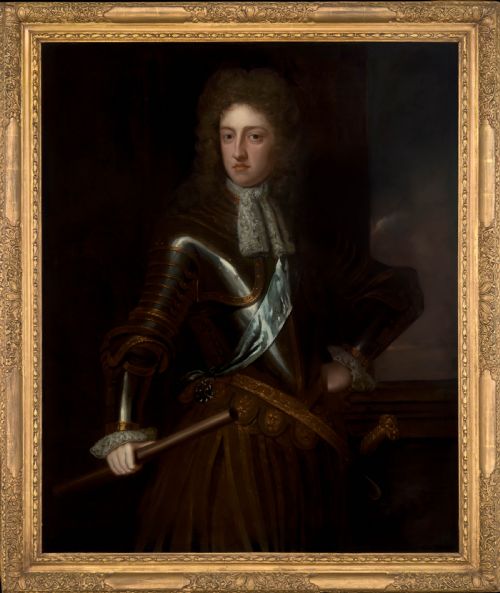
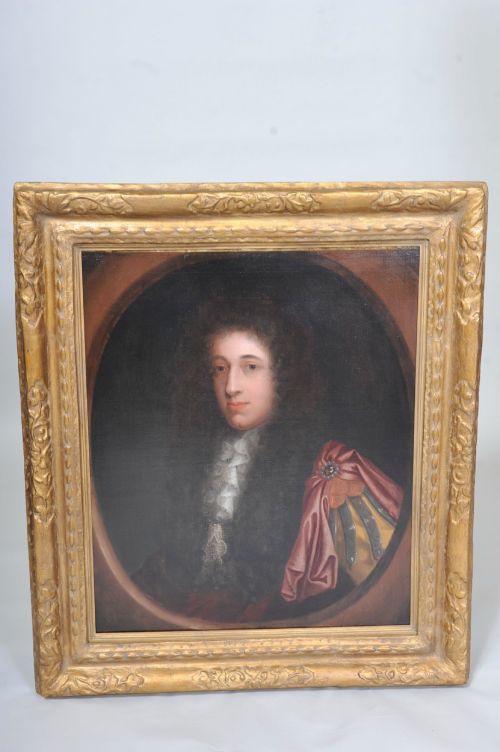
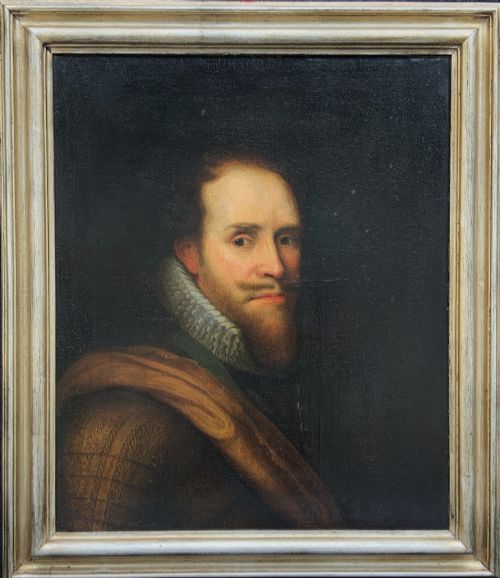
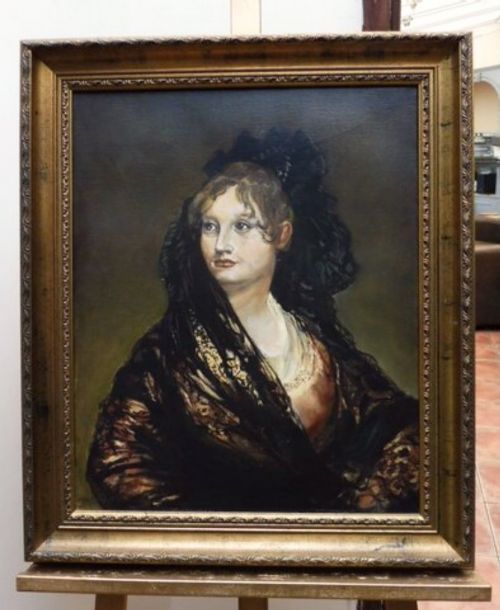
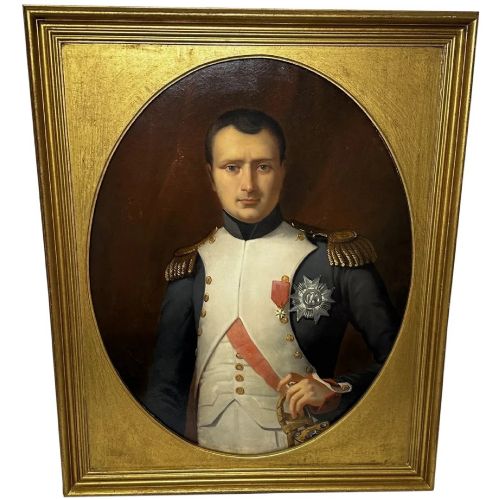
Dark canvas wall art encompasses historical oil paintings and fine art paintings dominated by deep, atmospheric tones. These pieces primarily take the form of portraits, maritime scenes, and still lifes created across the seventeenth, eighteenth, and nineteenth centuries. Buyers searching this phrase meet works rendered in styles ranging from the Dutch Golden Age and Baroque to Victorian and Edwardian periods.
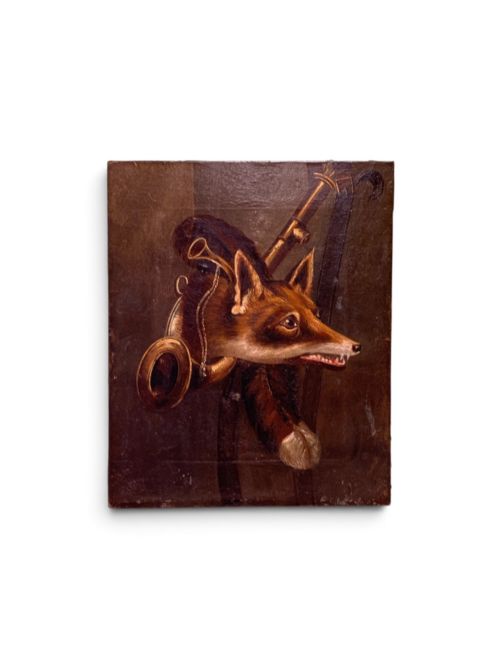
Framed typically in wood and giltwood, these artworks carry the heavy presence of earlier domestic interiors. Subjects range from individual sitters in heavy armour to complex allegorical pairs and detailed still life compositions. The common thread uniting these works is the canvas support combined with an aged, light-absorbing oil medium.
Materials and technique
The foundation of these works relies on woven canvas stretched over wooden frames, providing a textured ground for the application of oil paint. Artists built up their compositions using rich oil pigments mixed with traditional binders, allowing for deep shadows and layered glazes. Giltwood and gold leaf frequently frame the finished paintings, adding a reflective border to the sombre tones within.
Techniques span the meticulous glazing methods of seventeenth-century Old Masters to the broader, more expressive brushwork of nineteenth-century maritime and still life painters. The ageing process of the oil medium and varnishes over centuries naturally deepens the tonal range, creating the characteristic dark aesthetic. Supporting wooden stretchers and panels provide the structural rigidity necessary to preserve these textiles over generations.
Listings feature canvases spanning from the seventeenth century through the 1960s, executed primarily in oil on canvas with wood and giltwood frames.
Assessing quality and execution
Execution in portraiture and figurative work depends upon the artist's command of anatomy, light, and expression, distinguishing masterworks from routine studio output. The handling of drapery, skin tones, and subtle shadow transitions reveals the level of training behind each brushstroke. Finer paintings maintain structural integrity in the canvas weave and show minimal disruption from historical relining.
The depth of the composition and the preservation of the original paint layer heavily influence the visual impact of the piece. Superior examples retain their intended contrast without excessive darkening obscuring the primary subject. The quality of the accompanying wood frame, particularly original period giltwood mouldings, contributes to the overall integrity of the artwork.
David Scougall·John Hayls·Sir Godfrey Kneller·Margaret Sarah Carpenter·James Howe
The Dark Canvas Wall Art Glossary
- Oil on Canvas
- A painting medium where pigments are suspended in a drying oil, applied to a stretched woven fabric support. This combination allows for rich blending and deep tonal variations.
- Giltwood
- Wood that has been coated with a thin layer of gold leaf or powder. It frequently surrounds historical paintings to create a luminous boundary.
- Old Master
- A European artist of high skill working before about eighteen hundred. These painters set the technical standards for portrait and landscape traditions.
- Stretcher
- A wooden framework that holds a piece of canvas taut. It provides the internal structural support for the painted fabric.
- Provenance
- The chronological documentation of the ownership history of a work of art. It establishes authenticity and traces the path of the piece through time.
Dark Canvas Wall Art: Frequently Asked Questions
How should I hang a heavy oil painting safely?
Ensure the wall fixings engage directly with structural studs or use heavy-duty wall anchors rated well above the weight of the canvas and frame. Hanging the piece at eye level protects it from accidental bumps and places the centre of the composition in optimal view.
Keep the artwork away from direct heat sources and strong sunlight to prevent the canvas and oil medium from drying out or cracking prematurely.
What is the best way to clean an antique oil painting?
Dust the surface very gently using a soft, dry brush, taking care around any areas of flaking paint or vulnerable edges. Avoid using water, household cleaners, or chemical solvents on the canvas or the giltwood frame.
Professional conservation is required for deep cleaning or removing aged, discoloured varnish to prevent permanent damage to the original pigment layers.
How do I identify the period of an oil portrait?
Examine the sitter's clothing, hairstyle, and collar style, as historical fashion shifted noticeably between the seventeenth, eighteenth, and nineteenth centuries. Portrait framing conventions and the preparation of the canvas reverse also provide strong clues regarding the era.
Signatures, dates, or historical inscriptions on the back of the canvas or stretcher often confirm the exact timeframe of creation.
Why do these historical paintings appear so dark?
Centuries of oxidation in traditional oil paints and natural resin varnishes cause the transparent layers to yellow and darken over time. Artists also deliberately utilised chiaroscuro techniques, employing strong contrasts between light and dark to create drama and focus.
Lighting the artwork with a dedicated picture light helps reveal the subtle shadow details that are obscured in low ambient room conditions.