

Dark Canvas Male Portrait
A dark canvas male portrait captures the serious dignity of gentlemen, scholars and noblemen across centuries of oil painting.
Dark Canvas Male Portrait
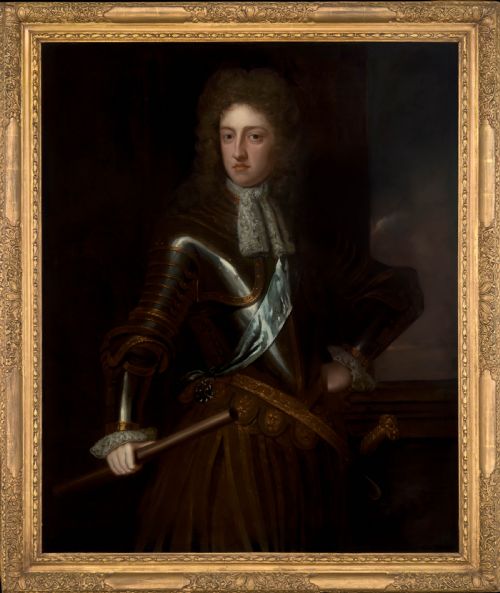
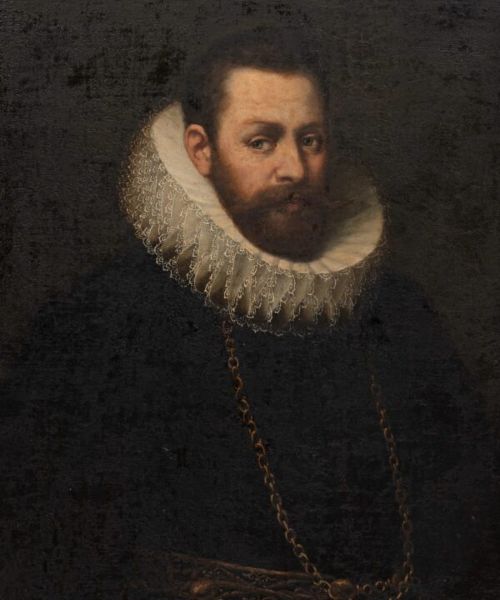
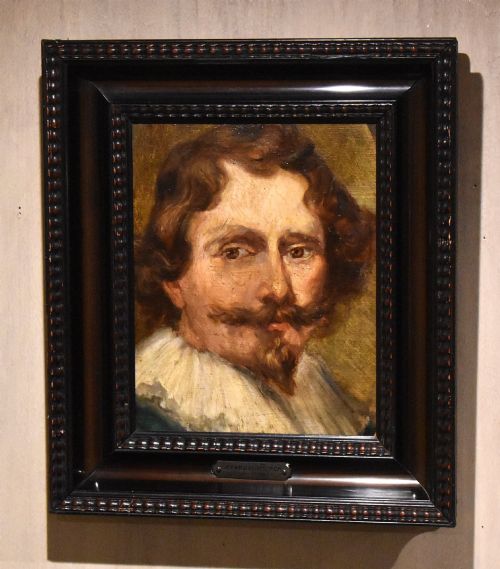
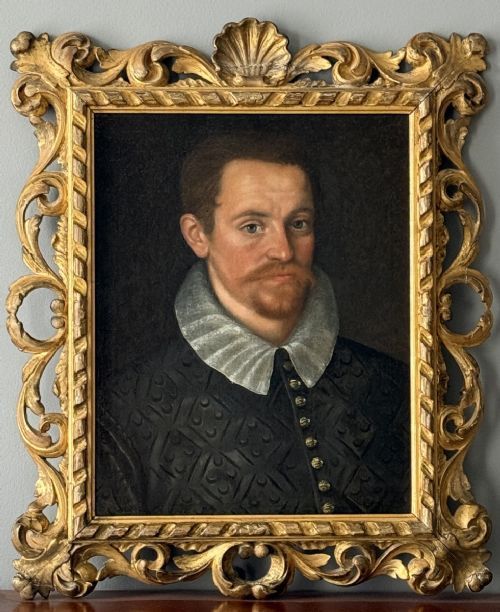
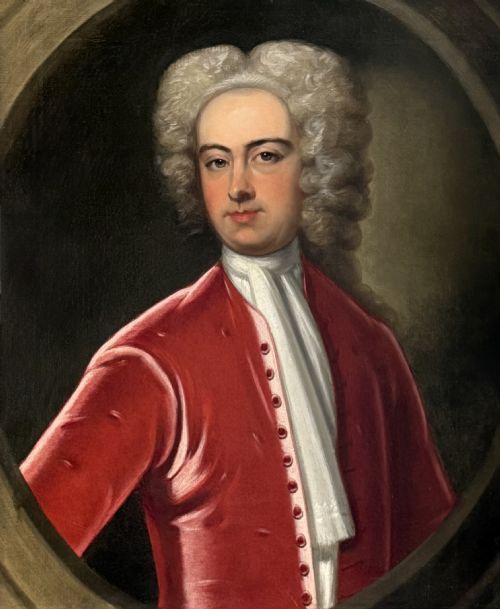
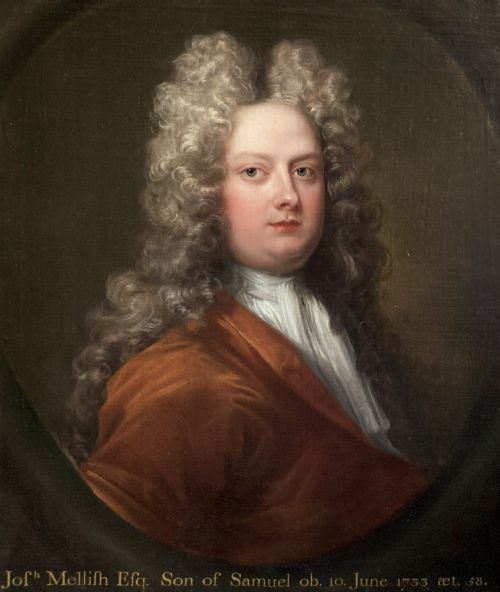
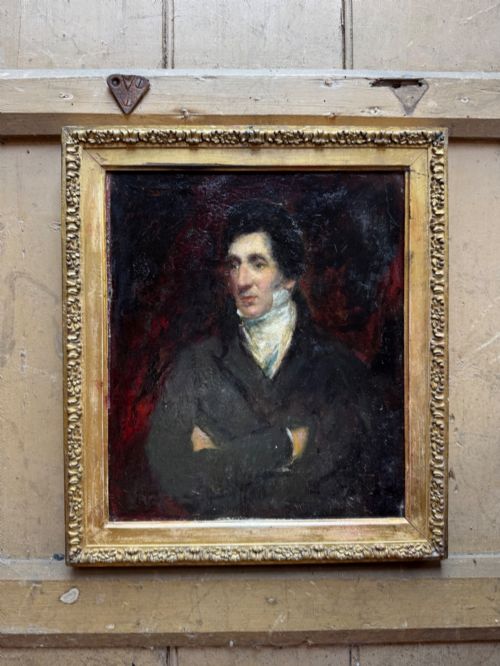
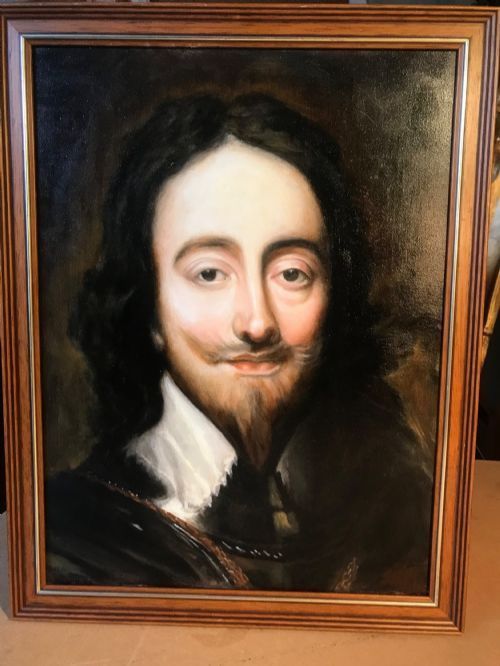
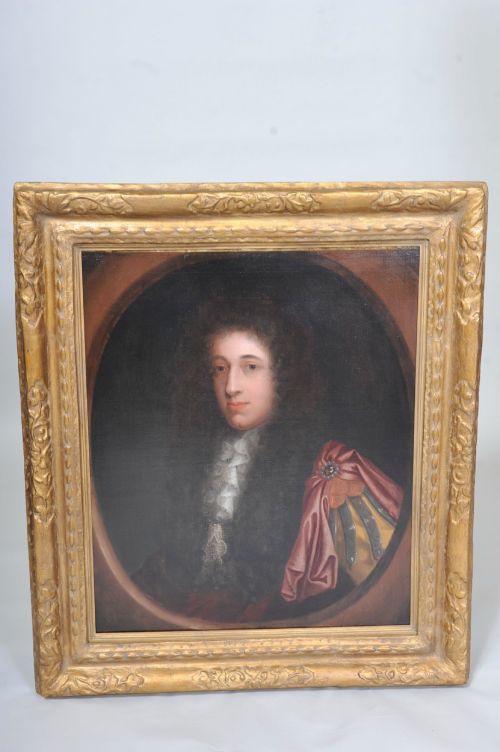
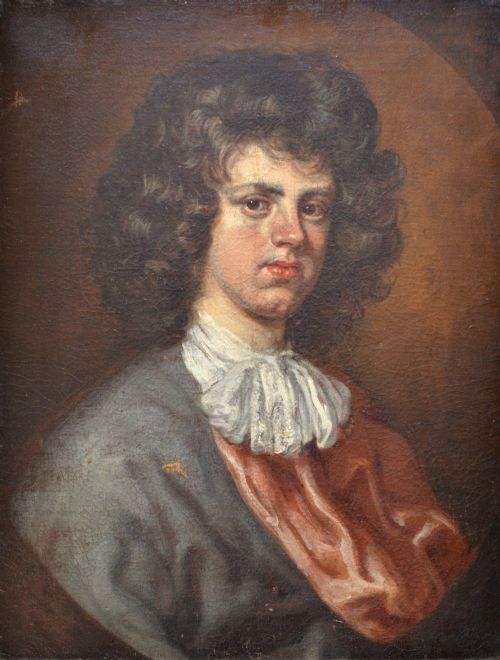
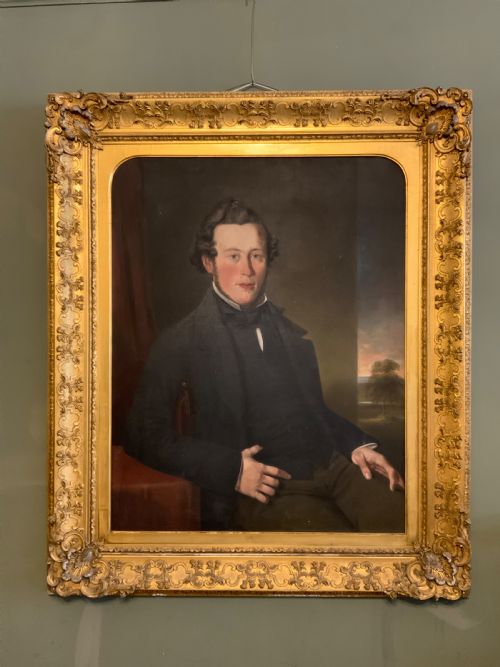
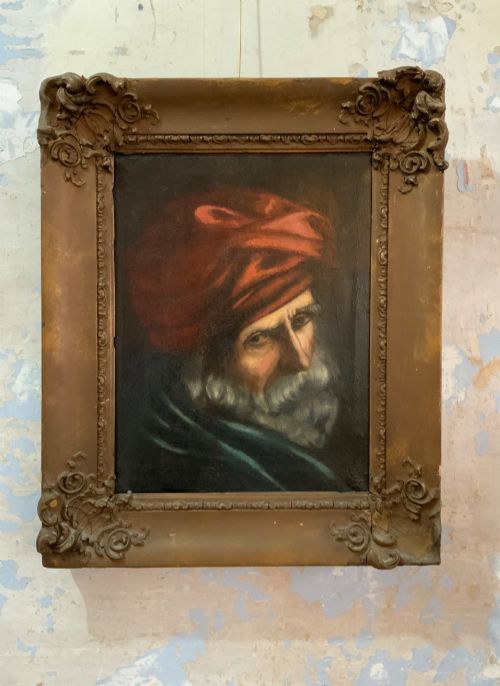
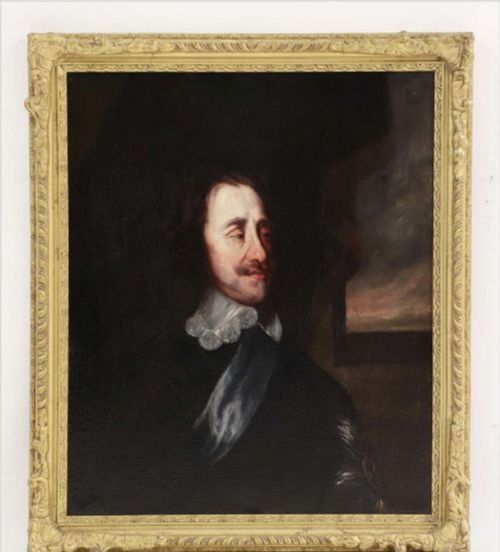
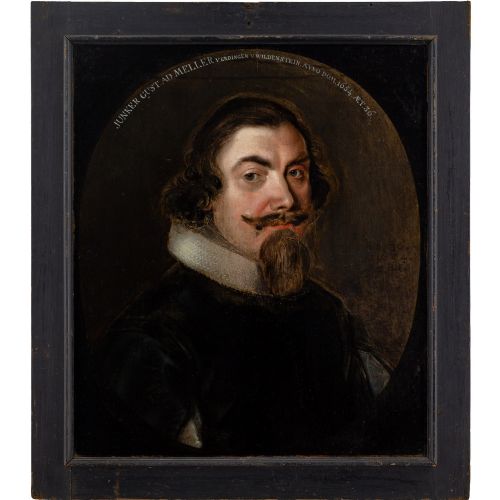
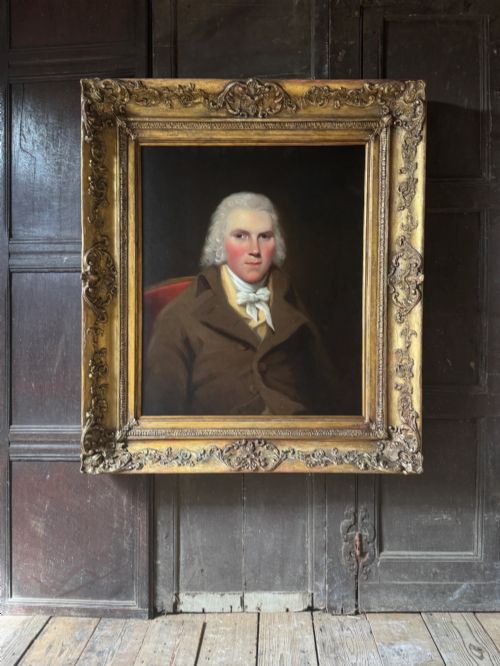
A dark canvas male portrait represents historical sitters ranging from seventeenth-century noblemen to Victorian gentlemen rendered in oil paint. These paintings frequently depict subjects in sombre attire, such as dark embroidered doublets or formal coats, set against deep, shadowy backgrounds.
The version most likely to be met on this page is the nineteenth-century oil portrait of an unidentified or distinguished gentleman on canvas. Seventeenth-century examples, including Dutch Old Master works and English school paintings, also appear frequently among the listings.
The selections span distinct historical eras including the Regency and Victorian periods, alongside earlier seventeenth-century baroque pieces. Each work offers a direct visual record of male attire, status and portraiture conventions from its respective time.
Materials and technique
Artists painted these works primarily using oil paint applied to stretched canvas supports made from woven textile. This combination allowed painters to build deep shadow and subtle tonal gradations characteristic of darker compositions.
Frames form an integral part of the construction, utilising carved wood, gesso, and gold leafing. These giltwood and gesso frames provided structural support and decorative containment for the canvas.
Preparation of the ground involved applying layers of gesso to wooden panels or preparing primed canvas surfaces before the application of oil pigments. This technique ensured the longevity of the paint layers over centuries.
The selection includes works from English, Scottish, German, Dutch, and French schools across multiple centuries.
Assessing quality in historical portraits
Quality rests significantly upon the skill of the brushwork and the anatomical precision demonstrated in rendering the sitter's hands, face, and fabric folds. Superior works display confident handling of light and shadow, capturing a lifelike presence within a dark palette.
The historical attribution and documentation of the sitter or artist elevate the standing of a piece. Works linked directly to established schools or named painters demonstrate higher artistic accomplishment.
The integrity of the original canvas and the preservation of the paint surface dictate the condition grade. Paintings retaining their early or original giltwood and gesso frames command greater appreciation among collectors.
SIR WILLIAM BEECHEY R.A·Charles Jervas·Sir Godfrey Kneller·Mary Beale·James Howe·Guillaume Courtois·Michael Dahl·Bertram Priestman RA
The Dark Canvas Male Portrait Glossary
- Oil on Canvas
- A painting medium where pigments bound in oil are applied to a woven fabric support stretched over a wooden frame. This method became the dominant technique for European portraiture from the seventeenth century onward.
- Gesso
- A plaster mixture used as a smooth base for painting or as a sculptural material moulded onto wooden frames before gilding. It provides a durable surface for the application of gold leaf.
- Giltwood
- Wood that has been covered with a thin layer of gold leaf or gold paint for decorative effect. It is commonly found on antique picture frames surrounding historical portraits.
- Doublet
- A close-fitting man's jacket worn during the Renaissance and seventeenth century. Its presence in early portraits helps date the sitter's costume.
- Baroque
- An ornate artistic style prevalent from the early seventeenth century to the mid-eighteenth century, characterised by drama, deep shadow, and rich detail. Portraits from this era often feature intense contrasts between light and dark.
Dark Canvas Male Portrait: Frequently Asked Questions
How do I date a dark canvas male portrait?
Dating relies heavily on the sitter's clothing, hairstyle, and collar style, such as ruffs or cravats. Examining the canvas weave, stretcher frames, and the style of the giltwood frame also provides reliable clues to the period.
Historical inscriptions on the reverse of the canvas or stretcher bars frequently record the sitter's name and dates. Comparing the painting technique to known works from specific centuries helps narrow down the origin.
What does a dark background indicate in these portraits?
A dark or shadowy background was a deliberate artistic choice designed to make the sitter's face and hands emerge with striking clarity. This technique, often associated with seventeenth-century baroque traditions, focused the viewer's attention entirely on the subject's character and status.
Dark grounds also helped create a sense of depth and solemnity appropriate for formal, official, or memorial portraits. Over time, darkened varnish layers can further deepen these background tones.
Where were these historical portraits originally displayed?
These portraits hung primarily in the panelled rooms, libraries, and galleries of country houses, town residences, and civic institutions. They served as ancestral records, commemorations of public figures, or displays of academic and professional achievement.
Many remained in private collections for generations before entering the art market. Their institutional or domestic origins often determined the style and grandeur of their original frames.
How should I care for an antique oil portrait?
Keep antique oil paintings away from direct sunlight, extreme temperature fluctuations, and high humidity to prevent canvas warping and paint cracking. Gentle dusting with a soft, dry brush is generally sufficient for routine maintenance.
Avoid using water, chemical cleaners, or modern cleaning solutions on the paint surface or giltwood frame. Professional conservation should be sought for any structural repairs or cleaning of discoloured varnish.