
Dark Brown Wooden Shelves
Dark brown wooden shelves combine utility and warmth, bringing rich timber tones and practical storage to any room.
Dark Brown Wooden Shelves
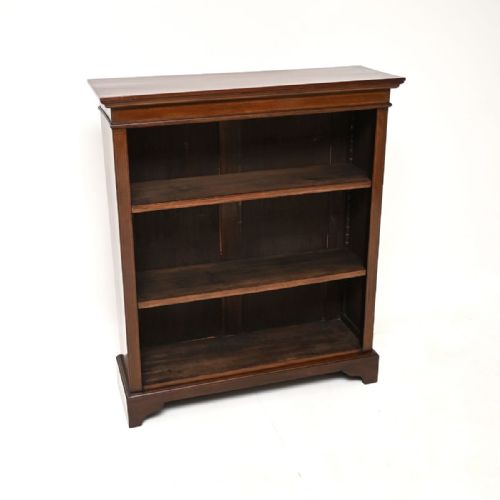
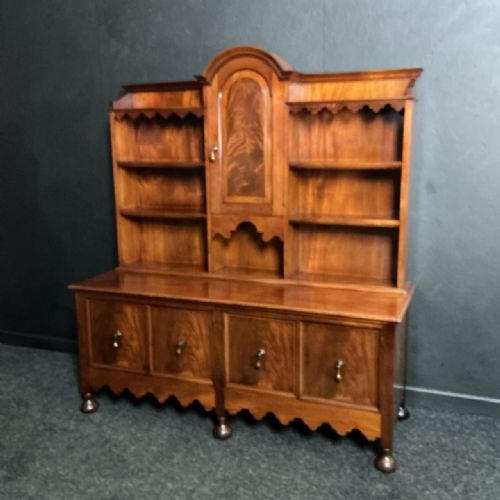
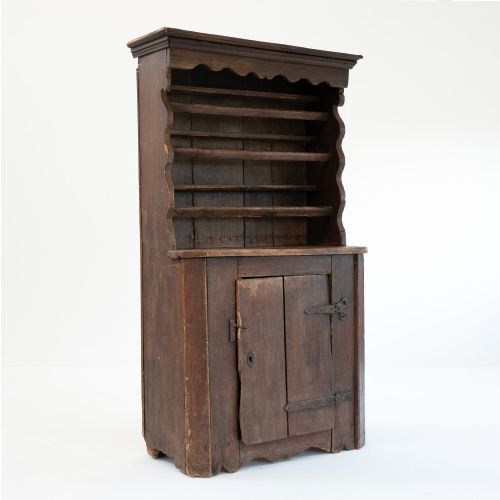
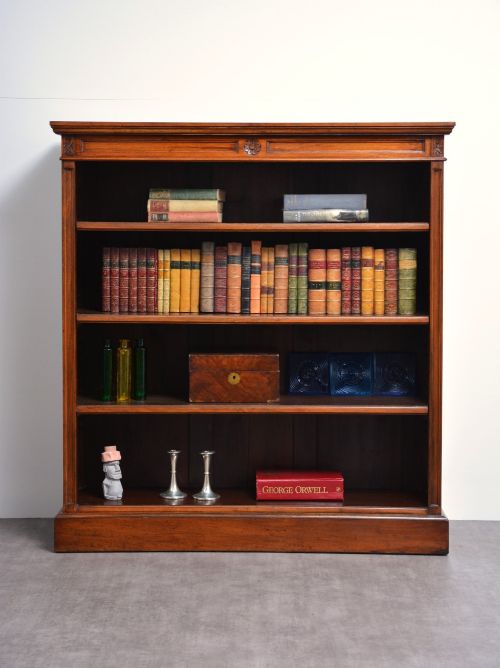
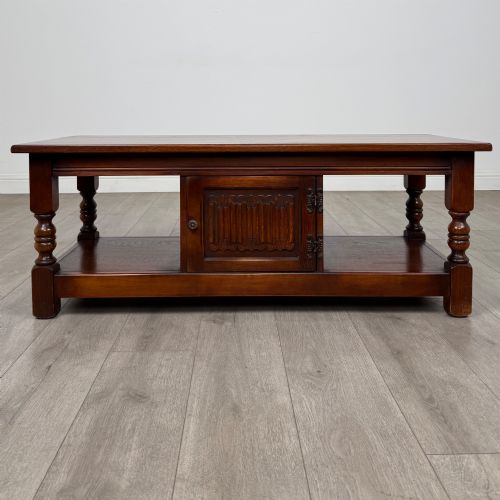
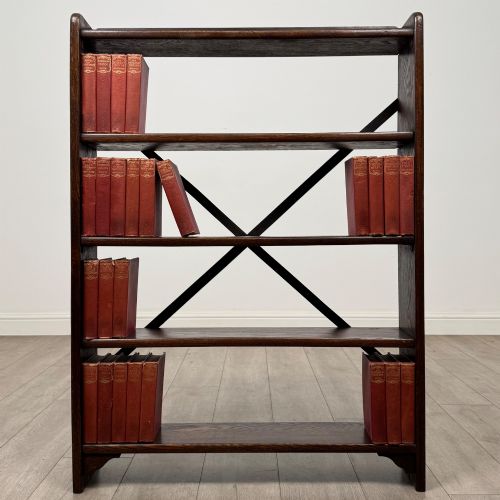
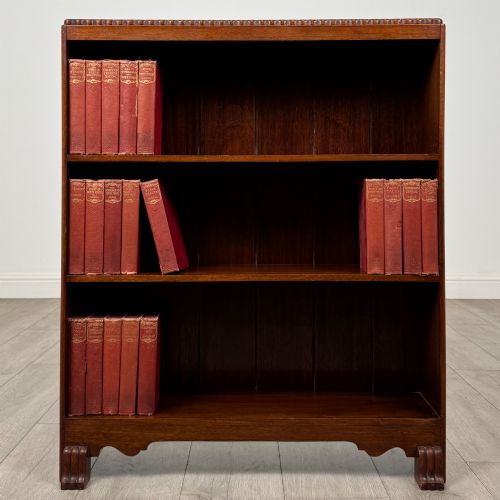
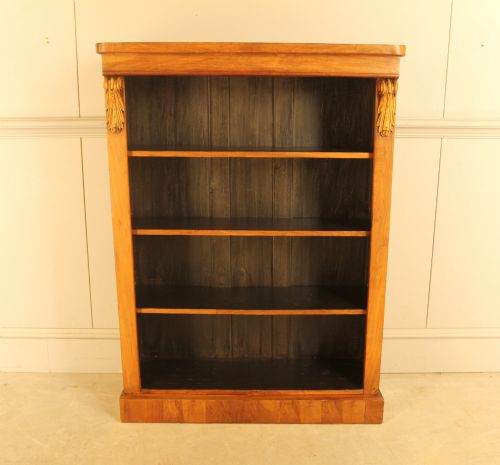
Dark brown wooden shelves encompass a range of functional storage furniture, including open bookcases, wall shelves, plate racks, and dressers. These pieces originate from periods spanning the eighteenth, nineteenth, and early twentieth centuries, reflecting diverse cabinet-making traditions. Buyers seeking these items typically want robust timber storage solutions with period character and practical utility.
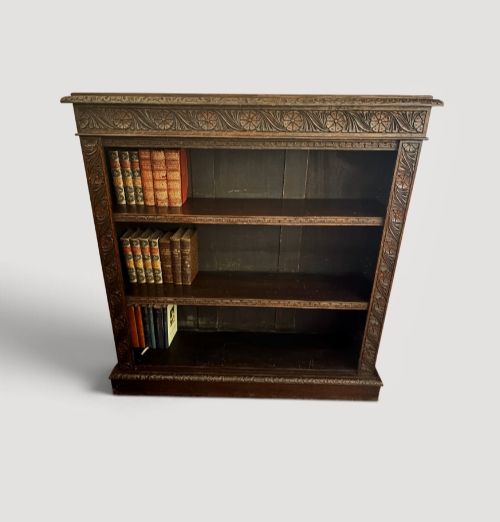
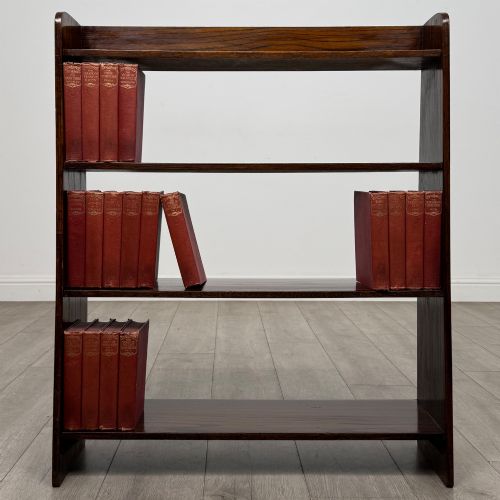
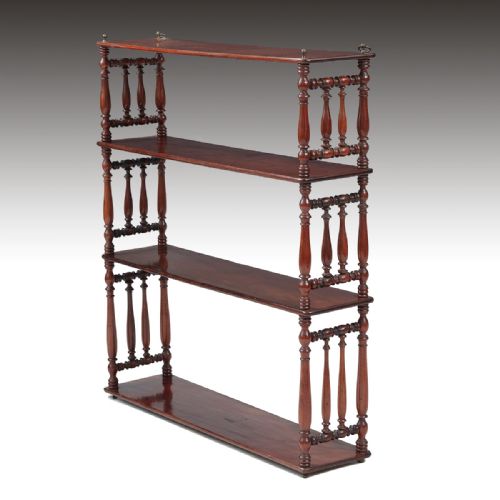
The pieces appearing most frequently take the form of open bookcases and wall shelves constructed from darker timbers. Examples range from compact Edwardian and Victorian oak or mahogany bookcases to larger Georgian delft racks and Welsh dressers. These variations provide options suited to both small domestic spaces and larger library settings.
How they were made
Makers constructed these shelves using dense, resilient hardwoods such as oak, mahogany, and walnut. These timbers provided the structural integrity required for weight-bearing shelving units and large dressers.
Joinery techniques relied on traditional methods of assembly, incorporating fitted panels, adjustable shelving mechanisms, and occasional carved detailing or inlaid decoration. Metal elements such as brass or iron appeared chiefly on hardware, hinges, and coat hooks.
What varies in quality
The caliber of a piece rests heavily on the selection of timber and the precision of its construction. Solid hardwoods with well-figured grain and stable joints distinguish superior items from simpler utilitarian versions.
Refinements such as adjustable shelving mechanisms, crisp carved ornamentation, and integrated panel work elevate the standard of manufacture. Pieces retaining their original timber surfaces and structural hardware display greater integrity than heavily altered examples.
The Dark Brown Wooden Shelves Glossary
- Open bookcase
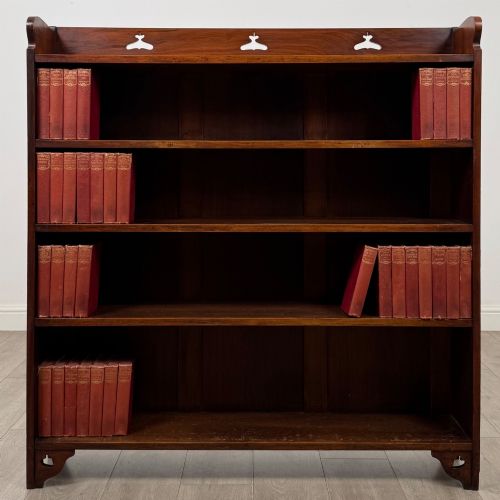
- A bookcase lacking glazed or solid doors, designed for the immediate display and retrieval of books. These units frequently feature fixed or adjustable timber shelves.
- Delft rack
- A wall-mounted or dresser-top shelving unit specifically intended for the display of plates and ceramics. These racks often incorporate small grooves to secure plates upright.
- Dresser
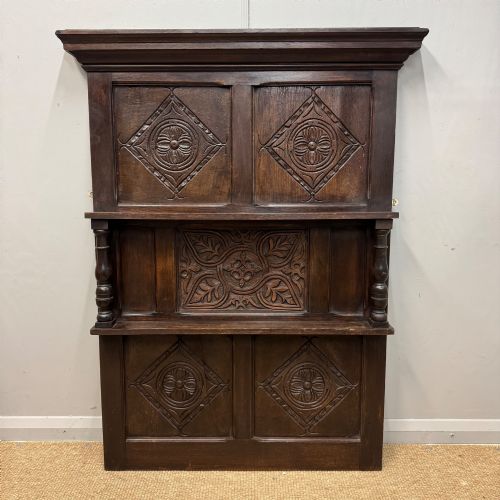
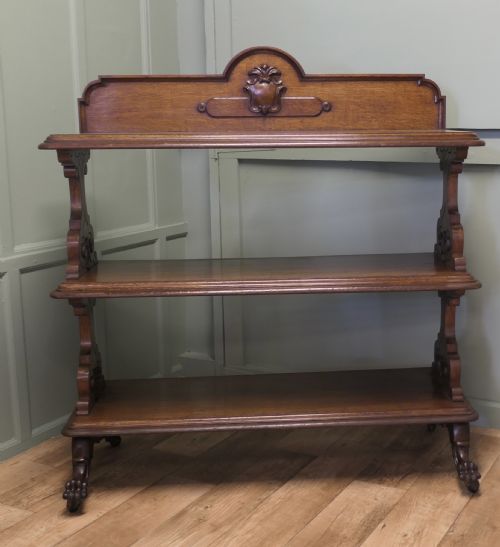
- A large storage item combining lower cupboards or drawers with upper shelving or plate racks. Welsh dressers are a traditional form typically constructed from oak.
- Whatnot
- A piece of freestanding furniture consisting of several open shelves tiered one above another, used for displaying ornaments or books. They gained popularity during the Regency and Victorian periods.
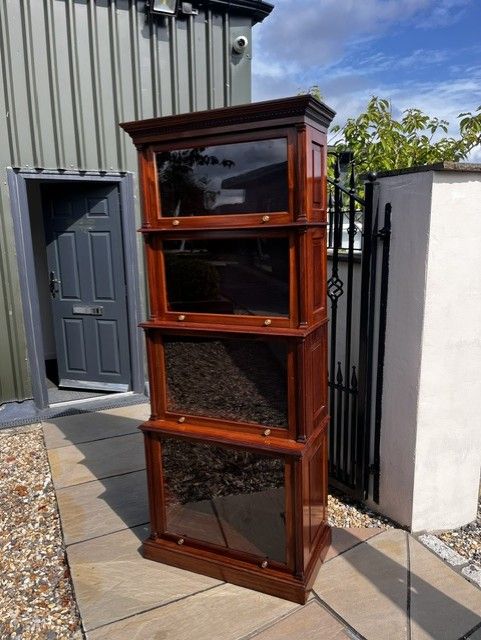
- Barristers stacking bookcase
- A specialised bookcase comprising multiple modular shelving sections with glazed upward-lifting doors. These units allow individual tiers to stack vertically.
Dark Brown Wooden Shelves: Frequently Asked Questions
How do I style dark brown wooden shelves?
Dark brown wooden shelves anchor a room by providing a dark, grounding visual element against lighter walls. Pair them with books, ceramics, and metal accents to balance the heavy timber tones.
Allow negative space on the shelves to prevent overcrowding, letting the grain and construction of the wood remain visible.
Are these shelves suitable for heavy books?
Many period bookcases and library shelves utilise solid hardwoods like oak and mahogany, which naturally support substantial weight. Adjustable shelving systems allow you to alter shelf heights to accommodate larger volumes.
Inspect the shelf thickness and support fixings to ensure they can manage heavier loads over extended periods.
What is the difference between an open bookcase and a cabinet?
Open bookcases provide direct, unobstructed access to their contents without doors. Cabinets feature enclosed storage behind wooden, glazed, or mirrored doors to protect items from dust.
Open variants suit daily reading and decorative display, whereas enclosed furniture offers concealed storage.
How do I identify Edwardian shelving?
Edwardian pieces often display lighter decorative touches, such as subtle inlay work or simpler carved motifs applied to oak or mahogany frameworks. These items frequently date from the early twentieth century and balance period craftsmanship with domestic utility.
Compare the timber finish and hardware style with known nineteenth-century pieces to spot the transition into Edwardian design.