


Dark Brown Portrait Art
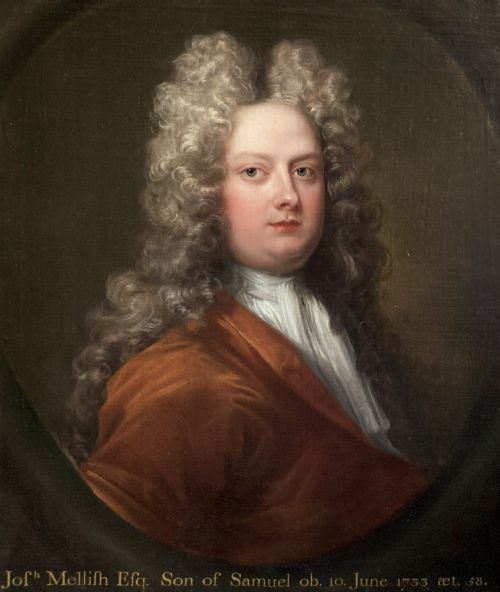
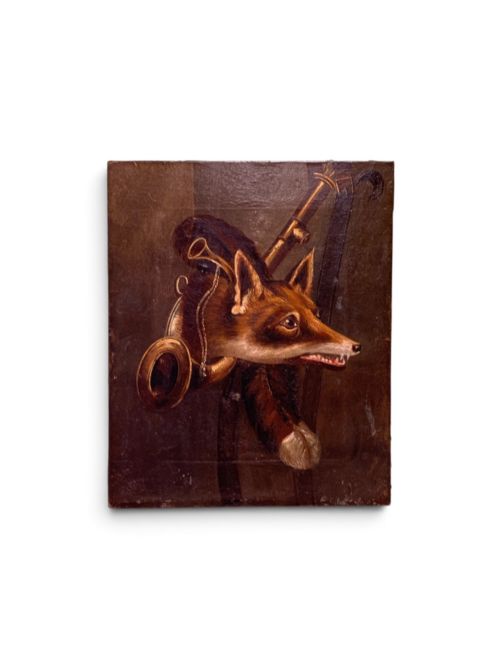
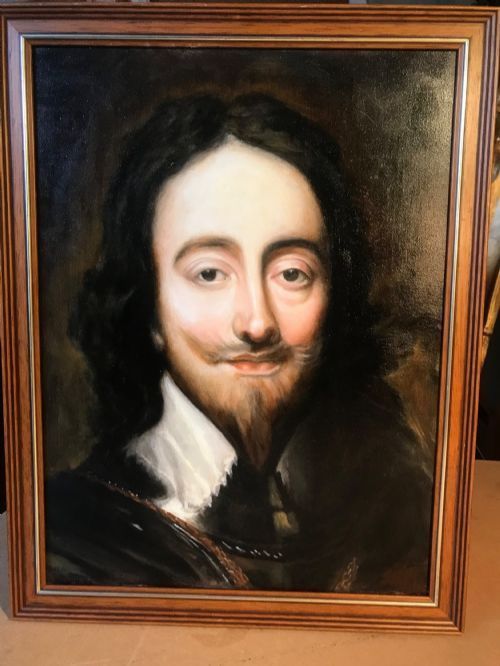
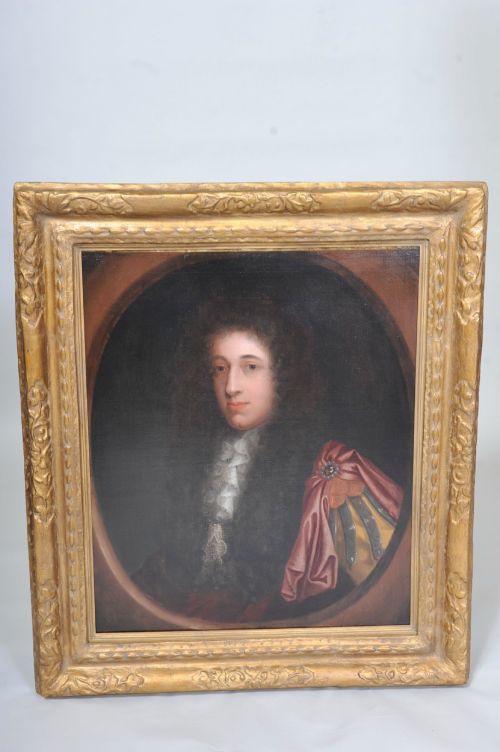
Dark brown portrait art gathers centuries of oil paintings and portrait works distinguished by rich, deep earthy tones.
Dark Brown Portrait Art
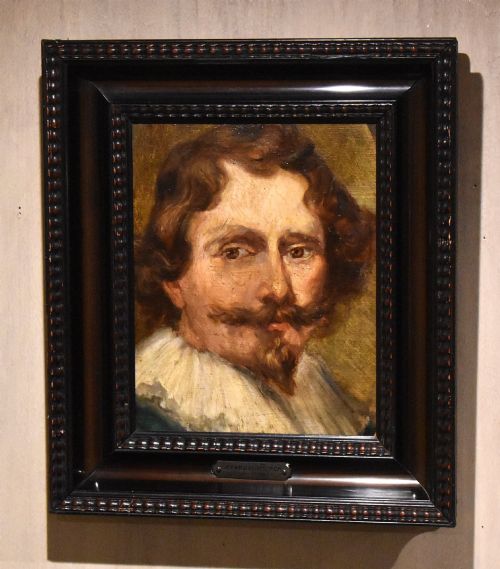
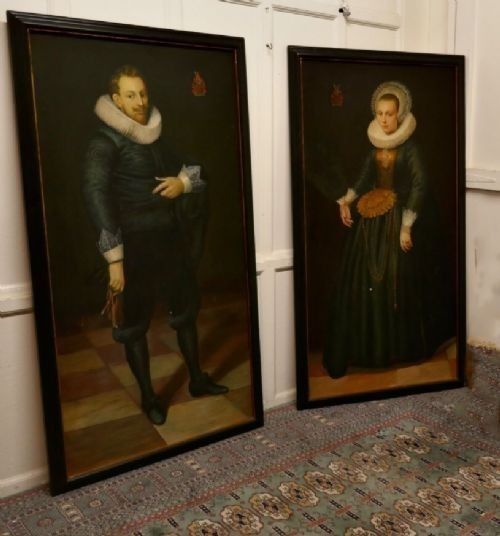
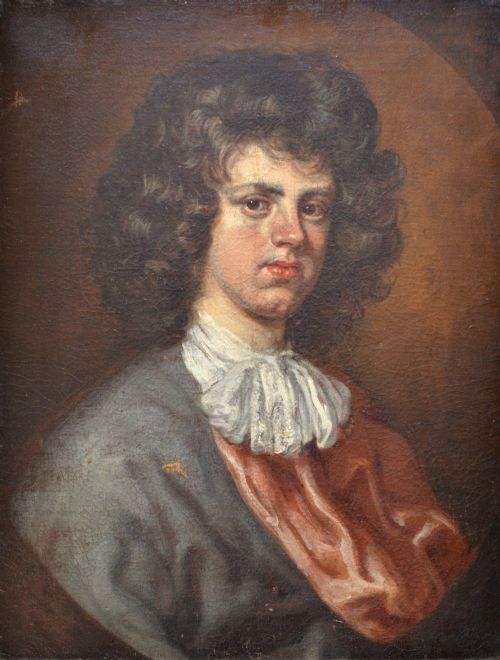
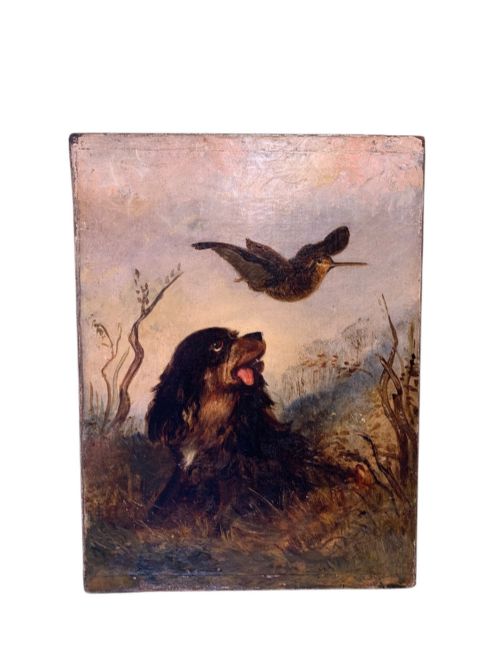
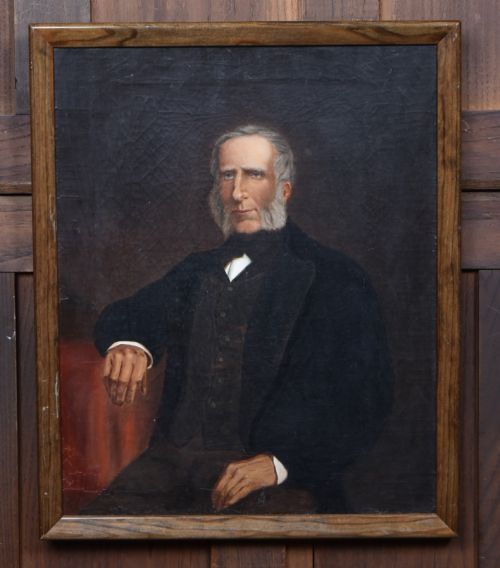
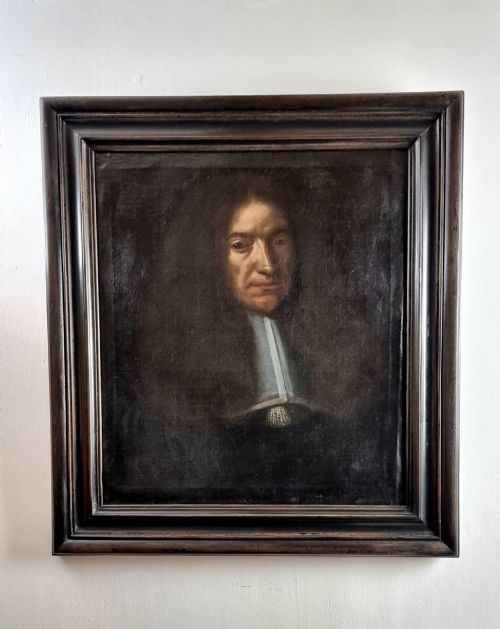
Dark brown portrait art comprises oil paintings, canvas works, and portrait pieces originating predominantly from the seventeenth, eighteenth, and nineteenth centuries. These works feature notable figures, gentlemen, ladies, and Dutch school subjects rendered in sombre, atmospheric palettes.
Buyers encounter seventeenth-century oils alongside Victorian pieces and Edwardian canvases. The selection spans formal aristocratic depictions, regional British and European schools, and quieter domestic character studies.
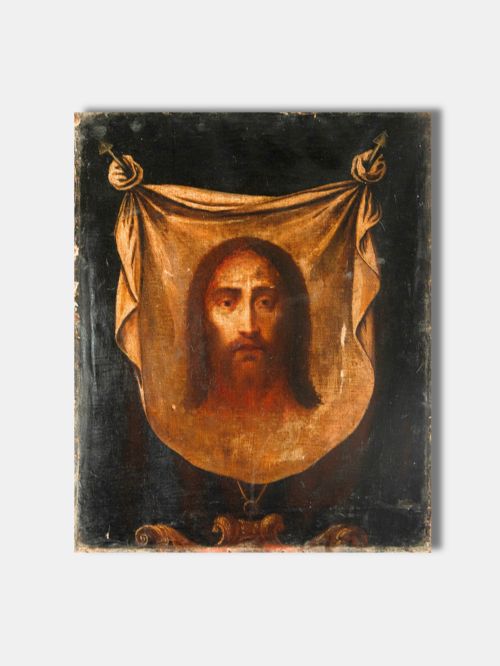
The aesthetic relies heavily on chiaroscuro and deep umber grounds, creating a moody, contemplative presence suited to traditional interiors.
Materials and methods
The primary ground is oil paint applied to woven canvas or wood panels, often supported by period frames in giltwood and gold leaf.
Layers of translucent oil glazes build depth within the darker pigments, creating the characteristic shadows and subdued facial modelling observed across the periods.
Listings feature canvases spanning the seventeenth, eighteenth, and nineteenth centuries, utilising oil paint, canvas, wood, and giltwood frames.
Assessing quality
Condition plays a central role, particularly the integrity of the canvas, the stability of early oil layers, and the presence of original or period-appropriate gilt frames.
Charles Jervas·Sir Godfrey Kneller·Mary Beale·John Greenhill·Florence Small·William Watt Milne·Herbert Ashwin Budd·Stephen Pearce
The Dark Brown Portrait Art Glossary
- Oil on canvas
- Pigments bound in a drying oil medium applied directly onto stretched woven fabric. This combination allows for smooth blending and deep tonal graduation.
- Giltwood
- Wood carved and surfaced with a thin layer of gold leaf or metallic powder. It provides a reflective border that contrasts with dark canvas tones.
- Old Master
- A European painter of skill working before the nineteenth century. These works often display restrained palettes and formal composition.
- Chiaroscuro
- The strong contrast between light and dark within a painting. It directs the viewer's attention toward the subject's face.
- School
- A group of artists working in a particular region, period, or under a specific master's influence. It denotes stylistic similarities rather than a single creator.
Dark Brown Portrait Art: Frequently Asked Questions
What periods do these portraits cover?
The available selection spans from the seventeenth century through the eighteenth and nineteenth centuries, extending into the Edwardian era. Earlier examples often feature baroque or Dutch Golden Age influences.
Later works bridge Victorian and Edwardian portrait traditions, maintaining the sombre palette characteristic of the genre.
How should I hang these dark portraits?
These pieces suit spaces with neutral or muted wall colours where the deep brown tones can create a focal point. Adequate directional lighting helps reveal the subtle details hidden within the shadowed areas.
Pairing them with period wood furniture or simple architectural walls enhances their historical character.
Are these portraits original oil paintings?
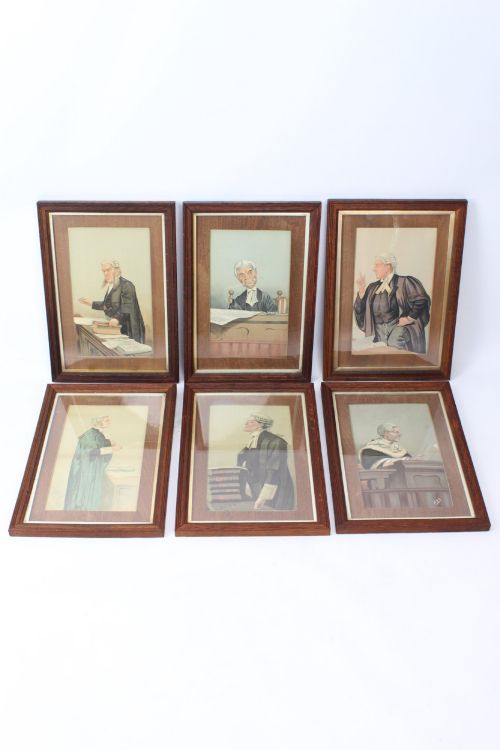
The majority are period oil paintings executed on canvas or wood panels by British and European schools. Some listings include framed prints or silhouette works alongside the paintings.
Each listing specifies the primary medium and the estimated period of creation.
How do I identify a seventeenth-century portrait?
Seventeenth-century portraits typically exhibit rigid posture, formal attire such as armour or ruff collars, and heavy use of dark earth pigments. Attribution notes often reference specific regional schools or followers of prominent masters.
Frame styles and canvas characteristics also offer clues to the age of the work.