





Dark Brown Oak Wardrobe
A dark brown oak wardrobe delivers solid timber construction and ample storage, making it a practical choice for traditional bedroom organisation.
Dark Brown Oak Wardrobe
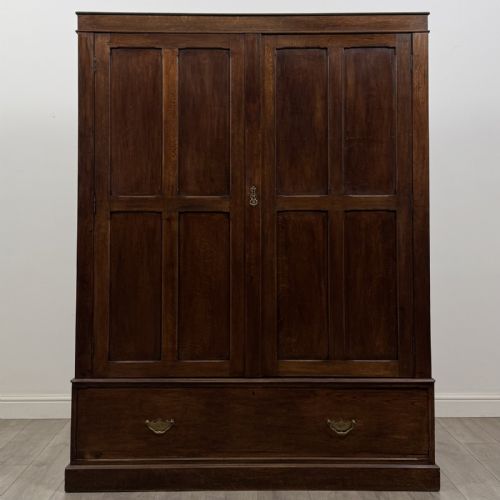
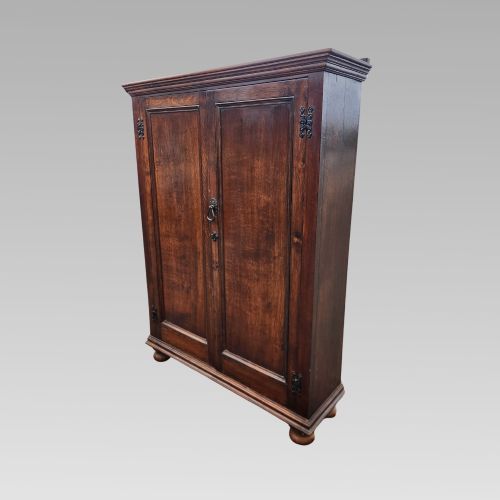
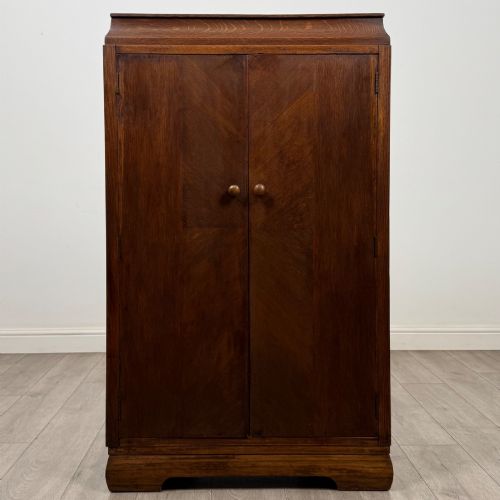
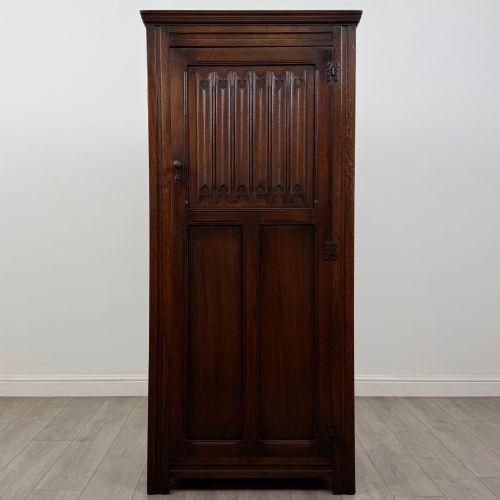
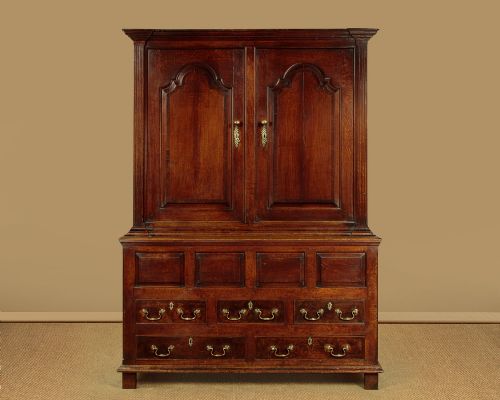
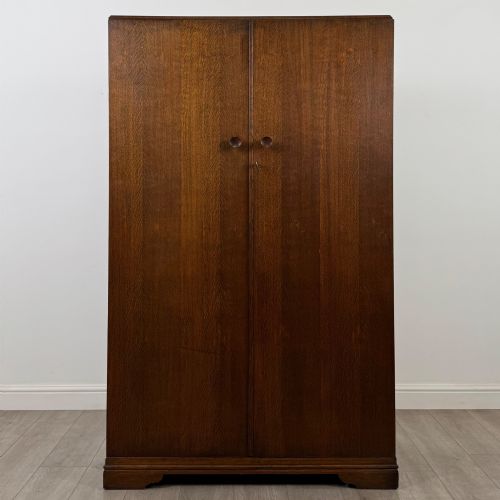
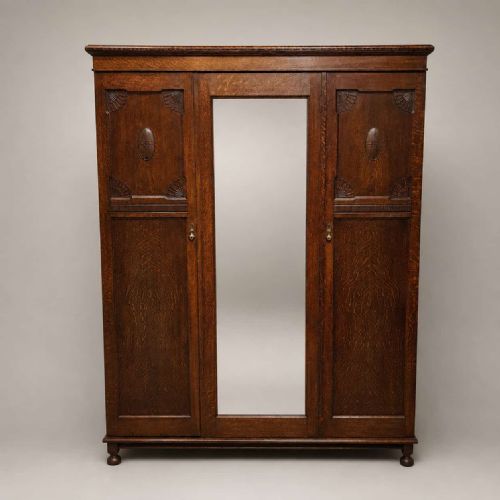
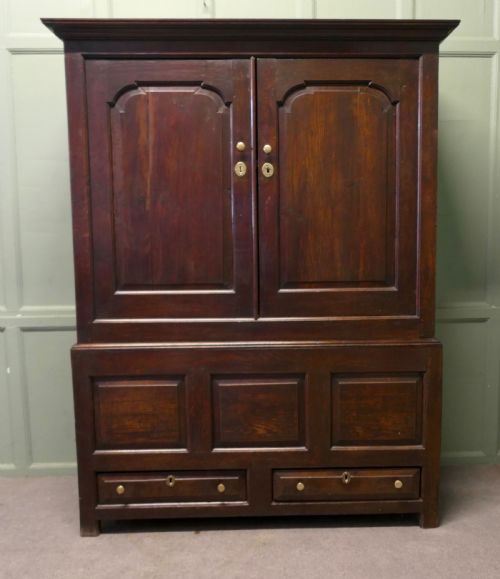
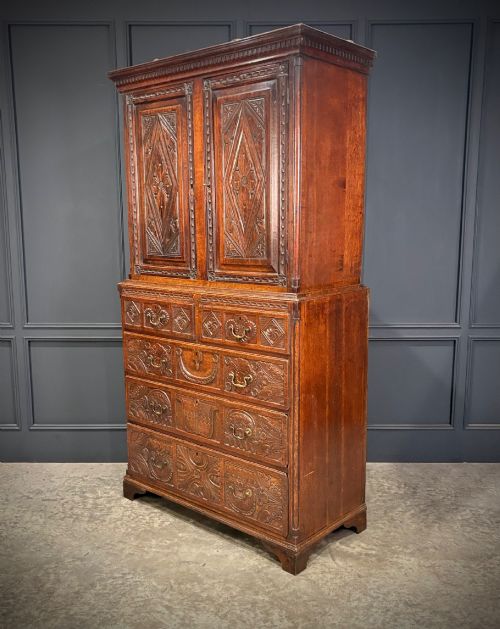
A dark brown oak wardrobe provides substantial timber storage, appearing in various forms from early housekeeper cupboards to fitted Edwardian designs and later 1920s double units. Buyers searching for a dark brown oak wardrobe often encounter related storage formats such as linen presses, armoires, and panelled cupboards originating across the seventeenth, eighteenth, nineteenth, and early twentieth centuries.
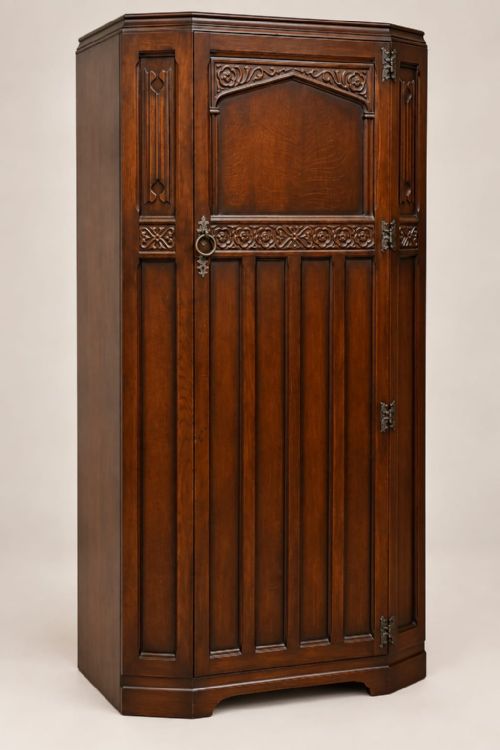
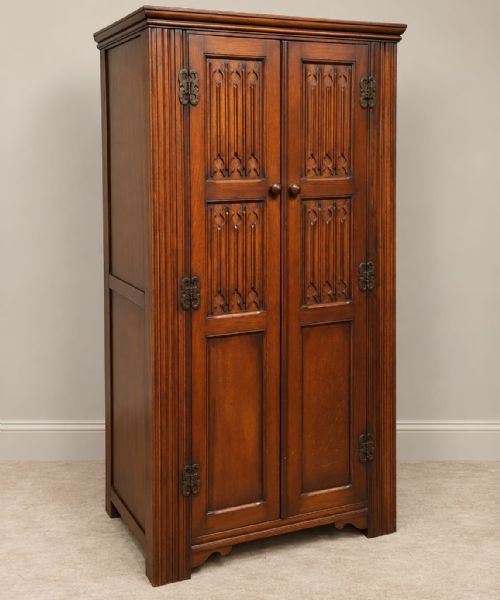
Edwardian and 1920s examples dominate current listings, often featuring panelled doors, linenfold carving, or fitted interiors with hanging space and long drawers. Earlier pieces from the Georgian and 17th-century periods skew towards housekeepers cupboards, tack cupboards, and press cupboards constructed with deep brown natural patination.
Regional styles vary from English country and French provincial to Gothic Revival, Jacobean Revival, and Art Deco interpretations. The structural formats span single, double, and triple door configurations alongside corner cabinets and hall seat cupboards.
How they were made
Construction relies primarily on solid oak timber complemented by oak veneer in later twentieth-century interpretations, exhibiting rich dark brown tones developed through natural ageing and polishing. Frameworks incorporate traditional joinery techniques such as panelled doors and carved detailing.
Hardware components integrate brass, iron, and mixed metals for hinges, handles, and hanging hooks. Selected pieces incorporate glass panels or decorative marquetry inlay to enhance the primary oak structure.
Dark Brown Oak Wardrobe Retail Price Guide 2026
Typical asking prices for dark brown oak wardrobe among the pieces listed under this phrase on Sellingantiques today, from the lower quarter to the upper quarter. They describe what is for sale here now, not the wider market.
Listings span eight distinct periods from the 17th century through the 1930s, uniting oak, brass, iron, glass, and marquetry inlay.
What varies in quality
Quality differences emerge in the selection of timber and the depth of the dark brown natural finish, where dense grain patterns and heavy carved detailing indicate superior craftsmanship. The integrity of the original joints, panel construction, and internal fittings such as drawers and shelves further separates standard utility pieces from finer examples.
Hardware authenticity and metalwork execution also differentiate pieces, with hand-forged iron or cast brass mounts reflecting higher period standards than later replacements. The balance between structural robustness and decorative carving defines the overall calibre of each cabinet.
Crown Furniture
The Dark Brown Oak Wardrobe Glossary
- Linen Press
- A tall storage cabinet designed for folding and storing textiles, typically featuring sliding trays or shelves in the upper section above drawers below. These pieces often utilise deep brown oak construction.
- Marquetry Inlay
- Decorative patterns formed by inserting contrasting pieces of wood veneer into the primary timber surface. This technique adds visual complexity to select cupboard doors.
- Linenfold
- A style of wood carving resembling folded parchment or linen, frequently seen on panelled doors of period wardrobes. It provides distinct textural detail.
- Housekeeper Cupboard
- A large utility storage piece historically used for household provisions and linens, constructed from robust oak with multiple doors and shelving.
- Corner Cabinet
- A specialised storage unit designed to fit neatly into room angles, maximising floor space while offering enclosed shelving behind panelled doors.
Dark Brown Oak Wardrobe: Frequently Asked Questions
How do I date a dark brown oak wardrobe?
Dating relies on examining construction methods, hardware types, and stylistic indicators such as linenfold carving or geometric panelling. Seventeenth and eighteenth-century pieces typically display hand-planed surfaces and pegged joints.
Later Edwardian and 1920s examples incorporate standardised hinges, fitted internal compartments, and machine-finished oak veneers while retaining deep brown polish.
Can I fit modern hangers inside an antique oak wardrobe?
Many antique oak wardrobes feature shallower internal depths than modern equivalents because older garments were folded or hung on peg rails rather than broad shoulder hangers. Deeper Edwardian and 1920s double or triple wardrobes usually accommodate standard hangers.
Earlier cupboards may require alternative hanging solutions or function best for folded storage as originally intended.
How do I care for the dark brown finish on antique oak?
Maintaining the finish requires regular dusting with a dry, soft cloth to prevent particulate accumulation on the dark brown timber surface. Avoid direct sunlight and extreme humidity fluctuations to protect the natural oak structure.
Applying a traditional beeswax polish occasionally helps nourish the wood grain without building up artificial sheen.