

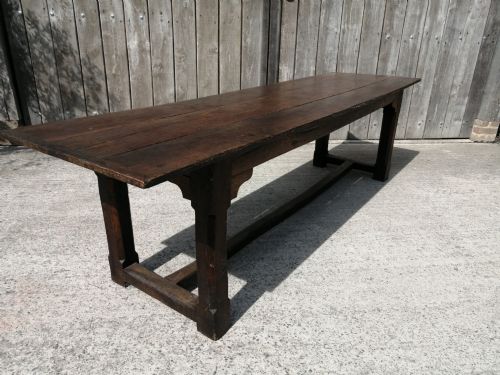
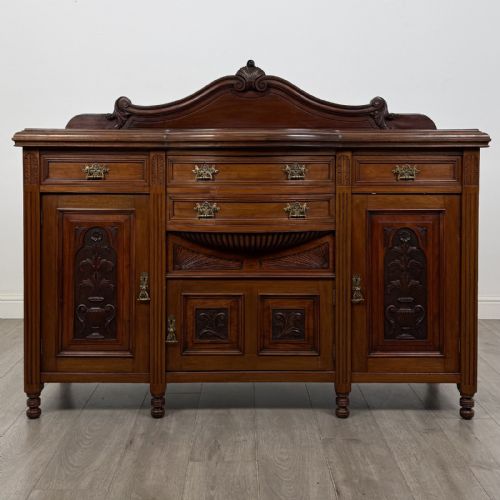
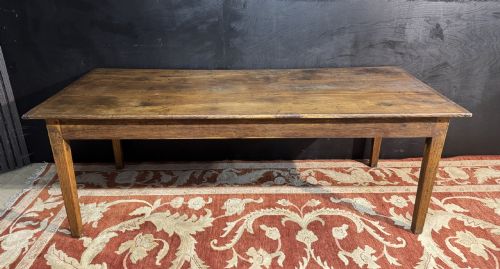
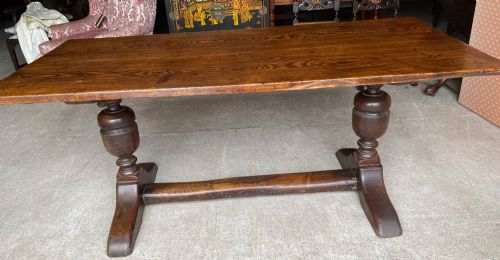
Dark Brown Oak Dining Table
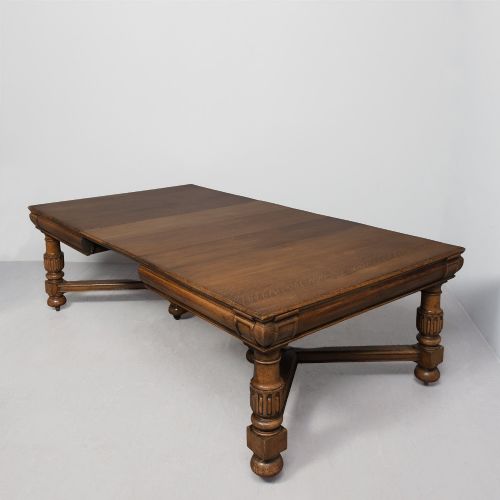
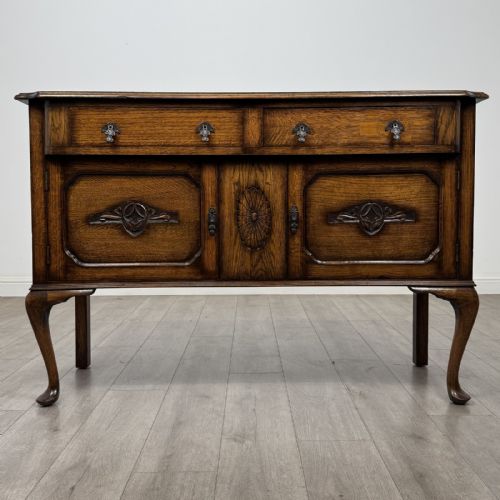
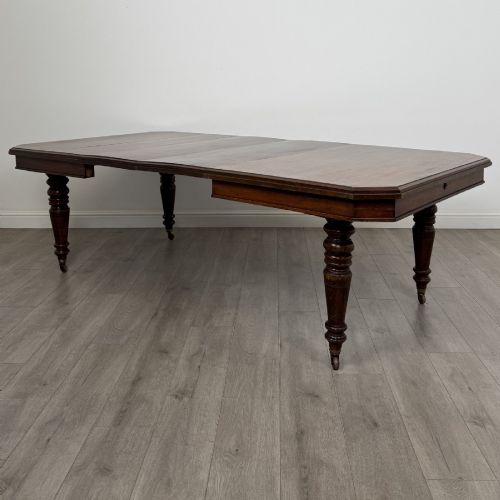
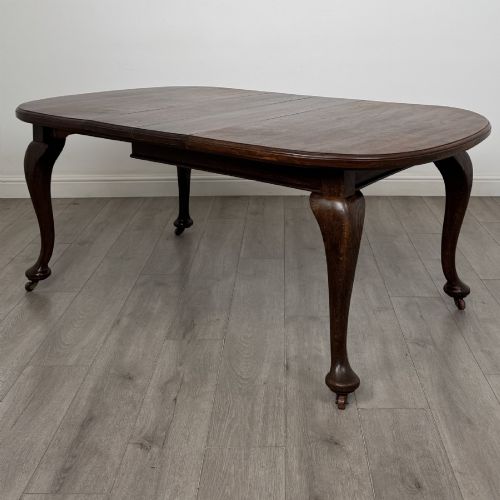
A dark brown oak dining table anchors a room with deep timber tones and enduring centuries of shared meals.
Dark Brown Oak Dining Table
A dark brown oak dining table brings centuries of British and continental woodworking tradition directly into a modern dining space. These sturdy pieces serve as the functional heart of a home, designed to accommodate family meals and large gatherings alike.
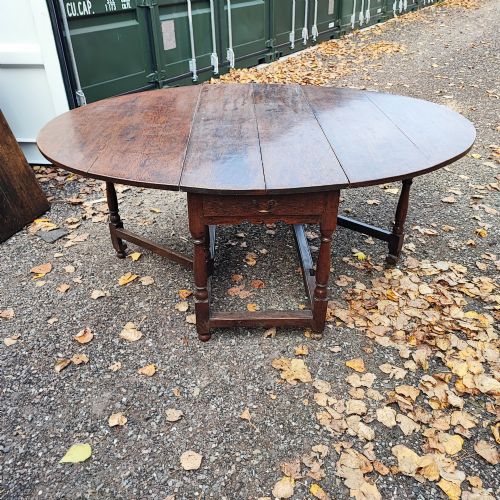
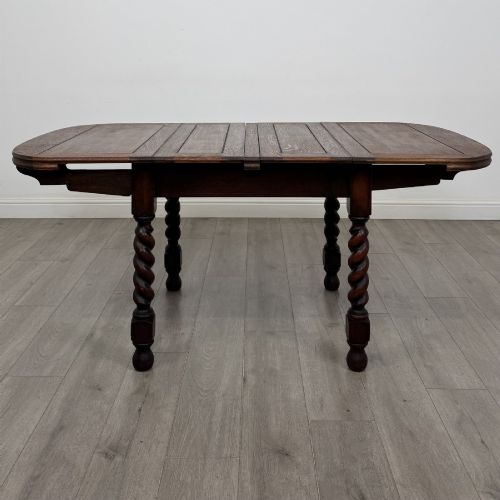
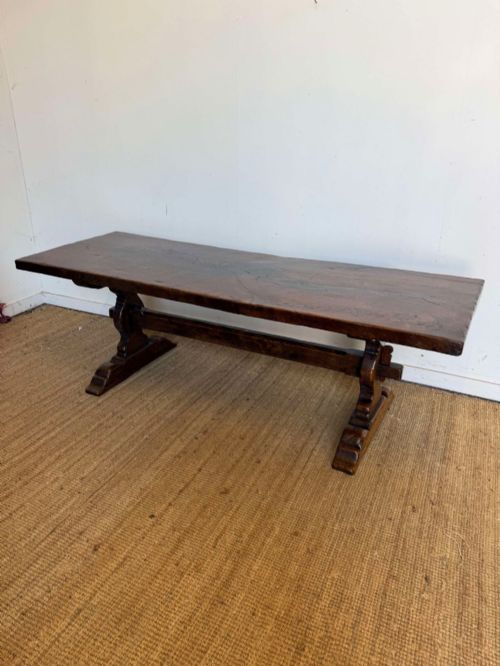
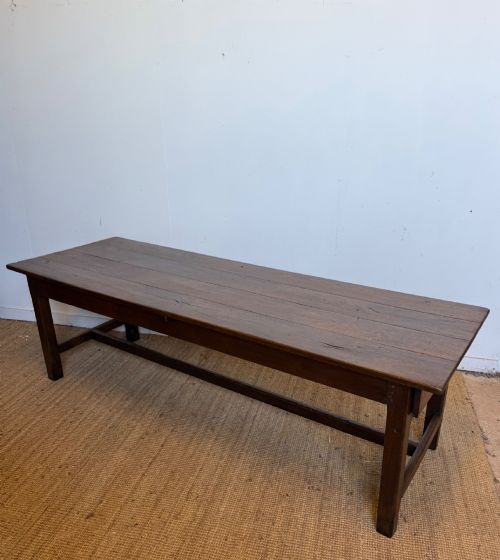
The selections available here span from seventeenth-century gateleg and wake tables to eighteenth-century refectory designs and Victorian extending formats. Buyers will frequently encounter solid oak construction shaped by Jacobean, Georgian, and rustic farmhouse influences.
Earlier examples often utilise drop leaves or swing legs to conserve space, while nineteenth-century iterations introduce sophisticated mechanical systems for extending lengths. Elm and walnut occasionally appear alongside the primary oak timber, offering subtle variations in grain and colour.
Materials and construction methods
Carpenters relied primarily on solid oak, selected for its density, strength, and rich figuring. Planks were joined using traditional mortise and tenon methods, secured with wooden pegs rather than modern fasteners.
Metal components appear sparingly, generally restricted to brass hinges on drop leaf leaves or iron mechanisms within nineteenth-century extending tables. Secondary timbers such as elm sometimes form the less visible structural boards beneath the main surface.
Surface finishing involved hand planing and oiling or waxing, which deepens the natural grain into the dark brown tones seen today. Carved details on legs and friezes were executed entirely by hand using gouges and chisels.
Dark Brown Oak Dining Table Retail Price Guide 2026
Typical asking prices for dark brown oak dining table among the pieces listed under this phrase on Sellingantiques today, from the lower quarter to the upper quarter. They describe what is for sale here now, not the wider market.
Current listings feature pieces spanning the seventeenth century through the early twentieth century, with oak as the dominant material alongside occasional elm and walnut.
Factors that define quality
The integrity of the timber forms the primary distinction between standard examples and superior pieces. Single-plank surfaces and quarter-sawn oak displaying prominent medullary rays command greater regard among collectors.
Construction details reveal the maker's competence, particularly the tightness of joinery and the smoothness of operating mechanisms on extending or gateleg tables. Original hardware and minimal structural replacement maintain the historical value of older items.
Proportion and carving depth separate utilitarian workshop output from ambitious cabinet work. Crisp relief work on friezes and balanced turnings indicate a higher grade of craftsmanship.
The Dark Brown Oak Dining Table Glossary
- Gateleg table
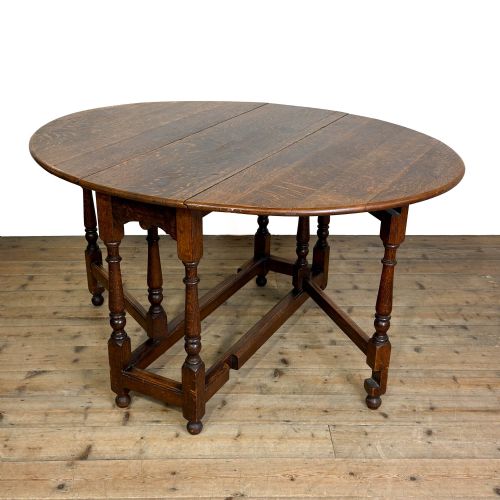
- A table with hinged leaves supported by swing-out legs that pivot from the frame. This clever format allows a large surface area to fold down compactly when not in use.
- Refectory table
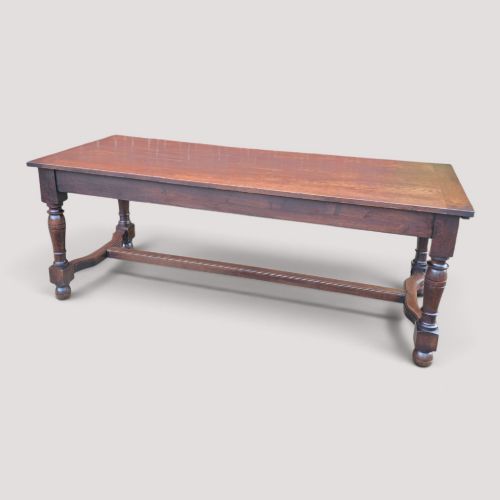
- A long, narrow dining table traditionally used in monastic dining halls. These sturdy forms typically feature strong stretcher bases and substantial timber tops.
- Draw leaf table
- An extending table where two concealed leaves slide out from beneath the main top. This mechanism lengthens the surface smoothly without requiring separate stored leaves.
- Barley twist
- A turning style resembling a twisted rope, carved into table legs and stretchers. This decorative detail gained immense popularity during the seventeenth century and saw revivals later.
- Wake table
- An exceptionally large drop-leaf table designed to seat numerous guests for community feasts and gatherings. Their generous proportions accommodate large households easily.
Dark Brown Oak Dining Table: Frequently Asked Questions
How do I clean a dark brown oak dining table?
Wipe surfaces gently using a soft, damp cloth to remove everyday dust and debris. Avoid harsh chemical cleaners that strip the protective wax or oil finish from the timber.
Apply a quality beeswax periodically to nourish the wood and maintain its deep lustre. Buff the surface thoroughly after application to prevent dust accumulation.
How do I seat ten people comfortably?
Look for refectory formats or Victorian extending tables specifically designed with generous lengths. These options provide adequate legroom and clearance along the table sides.
Check the placement of stretcher bases or legs to ensure chairs slide underneath without obstruction. Gateleg tables can also accommodate larger groups if the drop leaves offer sufficient span.
How do I date an antique oak table?
Examine the underside and joints for tool marks left by hand planes, pit saws, or adzes. Hand-cut peg construction and irregular board widths generally point towards earlier centuries.
Compare the overall style, such as Jacobean turnings or Georgian cabriole legs, with known historical periods. Subtle wear patterns around the edge of the top also indicate age and regular use.
Will these tables fit in modern kitchens?
Measure your available floor space carefully, accounting for the room needed to pull out chairs. Drop-leaf and gateleg variants offer flexibility because you can lower the flaps in tighter rooms.
Consider the visual weight of dark timber in relation to your existing interior decor. Refectory tables provide substantial presence, whereas slender legs create an open feel.