
Dark Brown Nightstands
Dark brown nightstands bring warmth and practical bedside storage to a bedroom through rich timber tones.
Dark Brown Nightstands
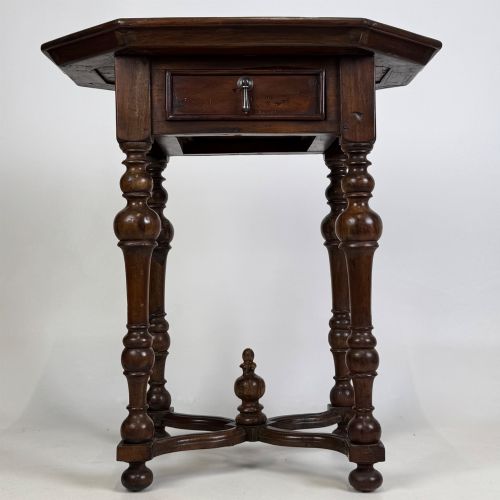
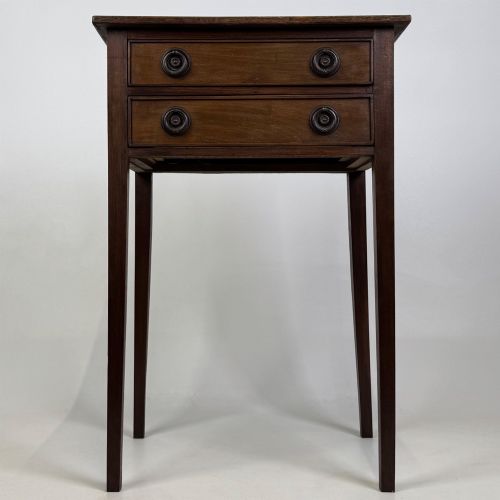
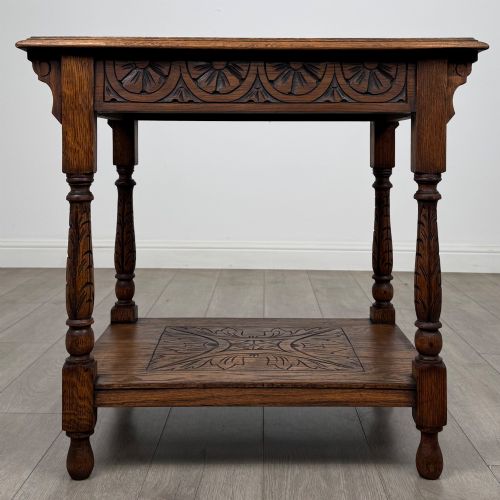
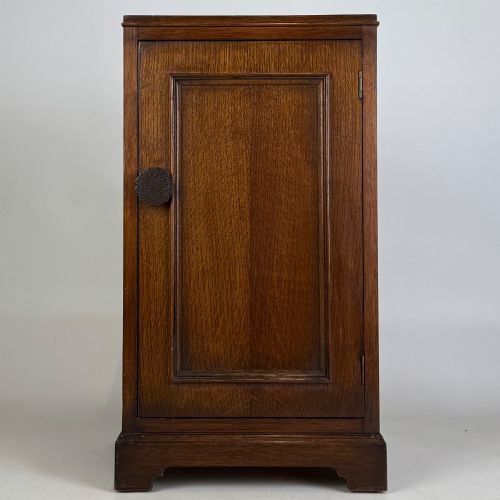
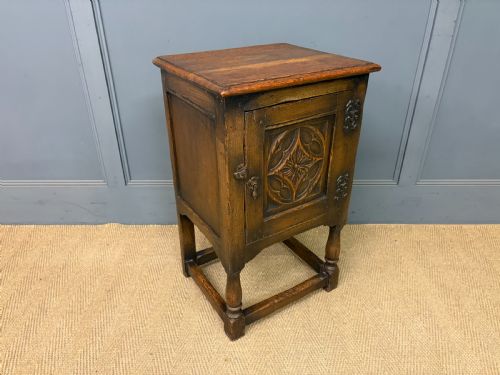
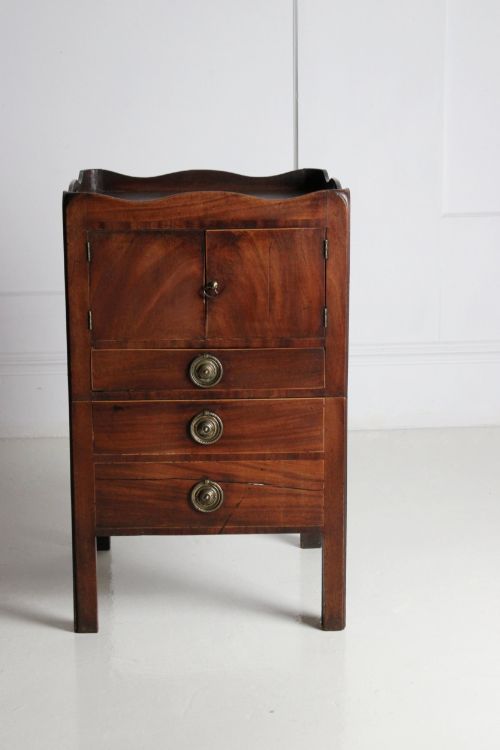
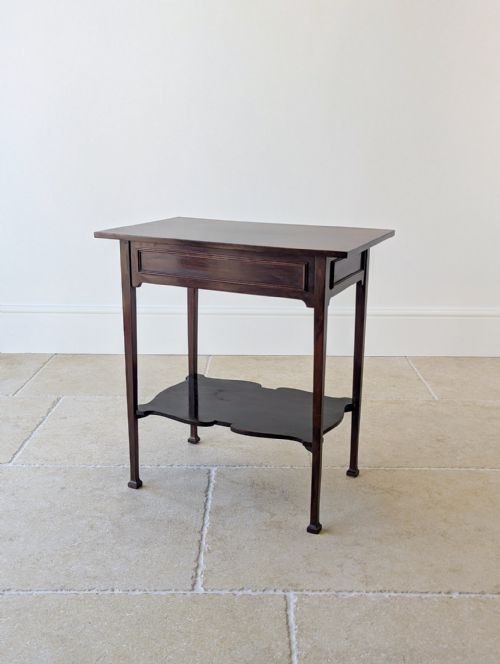
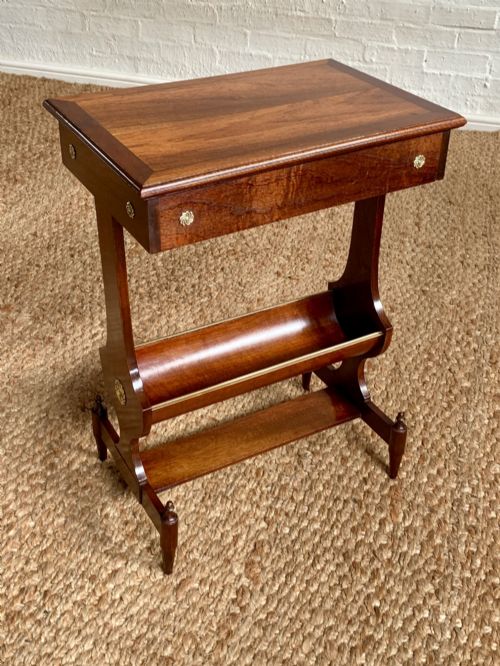
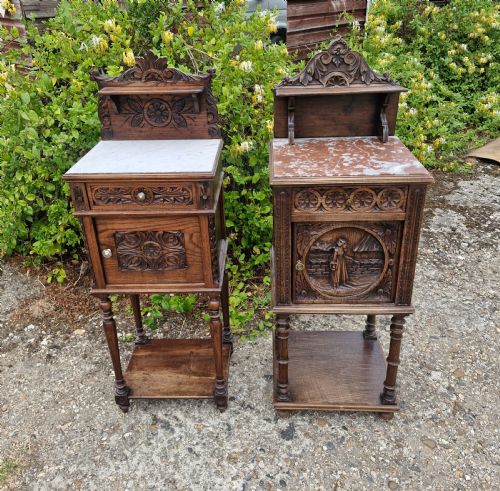
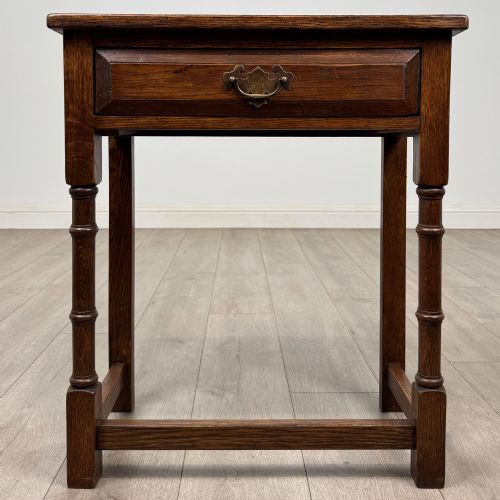
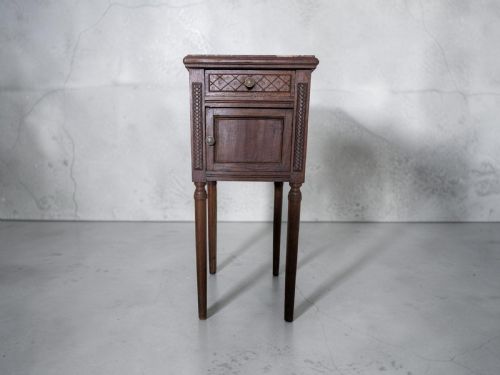
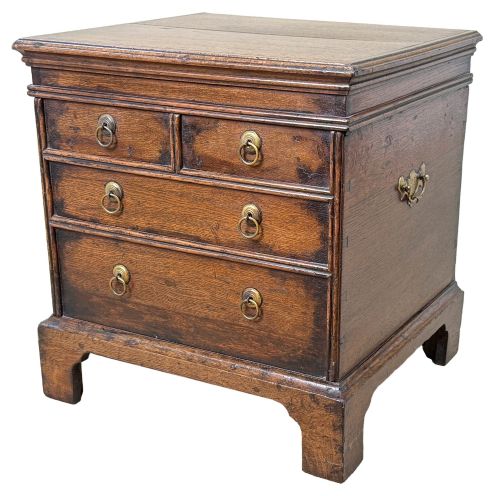
Dark brown nightstands encompass a variety of small bedside furniture pieces designed to sit beside a bed for convenient surface space and concealed storage. When searching for dark brown nightstands, buyers encounter multiple traditional forms including bedside cupboards, pedestal cabinets, side tables, and small chests dating from the eighteenth century through to the early twentieth century.
The selection ranges from Georgian mahogany pot cupboards to Edwardian carved oak bedside cabinets and Victorian mahogany lamp stands. Many examples emerge from the nineteenth century and the 1920s, reflecting diverse historical periods such as the Georgian, Victorian, and Edwardian eras.
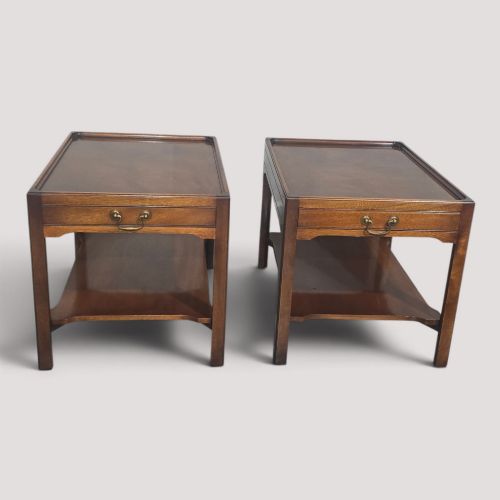
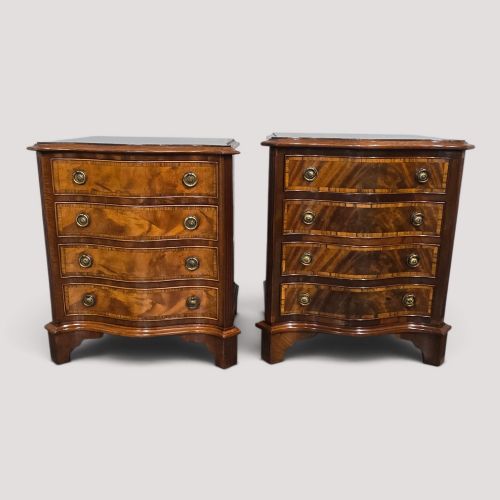
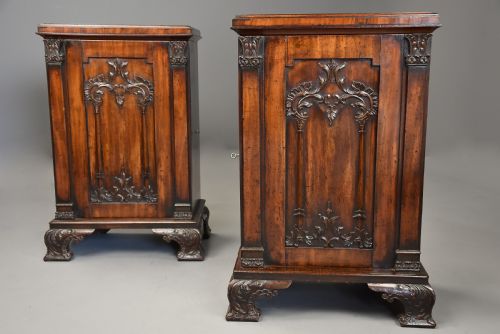
Buyers frequently find pairs of matching tables alongside singular pieces utilised for bedside placement. The forms adapt traditional domestic utility into compact items suited for contemporary sleeping quarters.
Materials and construction
Cabinetmakers constructed these pieces primarily using dense hardwoods such as mahogany and oak, occasionally incorporating secondary timbers alongside brass hardware and marble tops. Timber selection dictated the structural integrity and the depth of the natural brown colour achieved through polishing and ageing.
Joinery techniques relied on traditional cabinetmaking methods appropriate to each period, from eighteenth-century dovetailing to early twentieth-century framing. Surfaces often received hand-carved detailing, particularly on oak friezes and panels associated with revival styles.
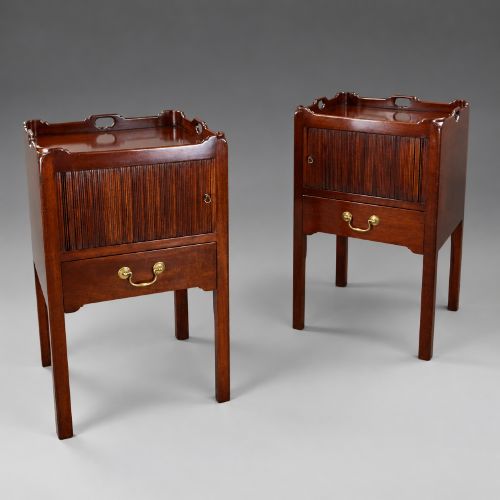
Makers utilised drop leaves, tambour doors, and fitted drawers to maximise utility within restricted footprints. Brass handles, knobs, and working keys completed the functional hardware of the cabinets and tables.
Several ingenious tables hide removable sewing baskets or chamber pots behind innocent-looking cabinet doors.
Assessing craftsmanship and character
Quality separates simple utility furniture from master cabinetwork through the selection of timber grain and the precision of the proportions. Superior pieces display finely figured mahogany or richly patinated oak selected by makers who understood how timber matures over centuries.
The Dark Brown Nightstands Glossary
- Pot cupboard
- A small bedside cabinet originally designed to enclose a chamber pot. These enclosed stands typically feature a single door above a concealed interior space.
- Pembroke table
- A small occasional table featuring hinged drop leaves on two opposing sides. Many examples include a fitted drawer for small accessories.
- Tambour
- A sliding door constructed from narrow vertical strips of timber glued to a canvas backing. This mechanism allows access to curved or compact cabinet interiors.
- Close stool
- A piece of furniture disguised as a small chest or cabinet to conceal a sanitary pan. They often resemble miniature bedside storage chests.
- Pedestal cabinet
- A freestanding columnar cupboard standing on a plinth or feet. They offer enclosed vertical storage with a compact footprint.
Dark Brown Nightstands: Frequently Asked Questions
What periods do these dark brown nightstands come from?
The pieces span from the eighteenth century through the Georgian and Victorian eras up to the Edwardian period and the 1920s. This includes Georgian styles, Victorian manufacturing, and later revival pieces.
Each era brings distinct proportions and timber treatments that reflect the prevailing domestic fashions of the time.
Are pairs commonly available?
Matching pairs appear frequently among listings, often taking the form of twin bedside cupboards or lamp chests. These matched sets suit symmetrical bedroom layouts.
Single tables and cabinets also feature prominently for mixed arrangements.
What timber types should I expect?
Mahogany and oak dominate the selection, providing the characteristic dark brown tones seen across the pieces. Hardwood, rosewood, and occasional brass or marble elements also appear.
These natural materials develop deep patinas over decades of use.
How were these cabinets originally used?
Earlier examples served specific domestic functions such as holding washing basins, chamber pots, or bedside lamps and night candles. Drawers often housed personal items or reading materials.
Today they function primarily as bedside tables supporting lamps and nighttime essentials.