




Dark Brown Library Chairs
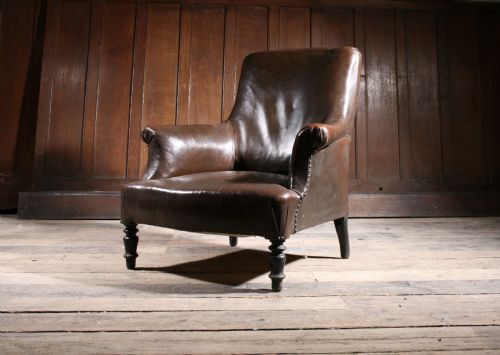
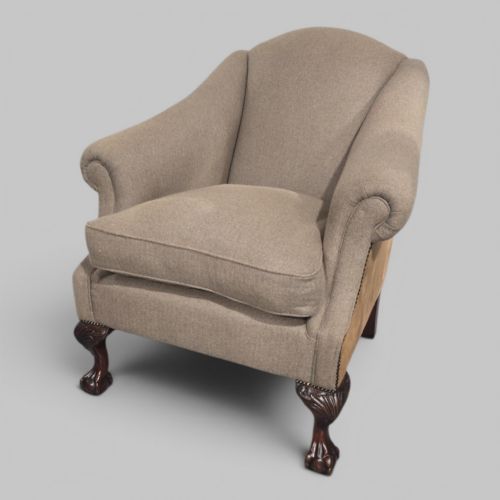
Dark brown library chairs bring solidity and rich hide to a room, offering heavy timber frames and deep seats built for hours of reading.
Dark Brown Library Chairs
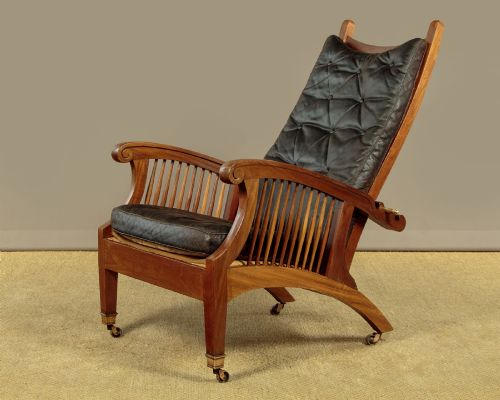
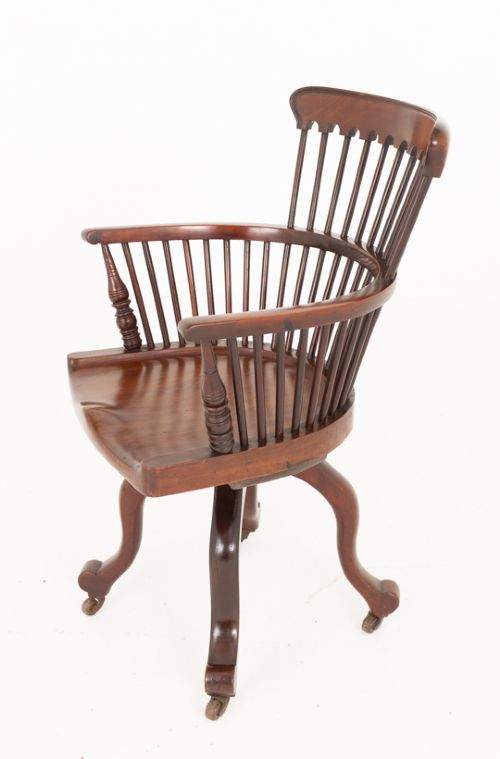
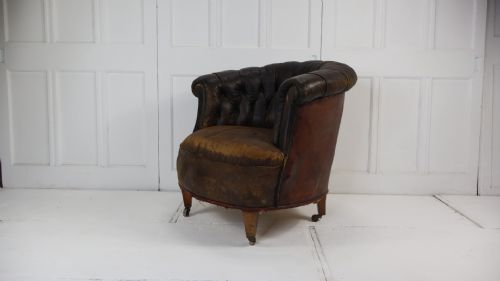
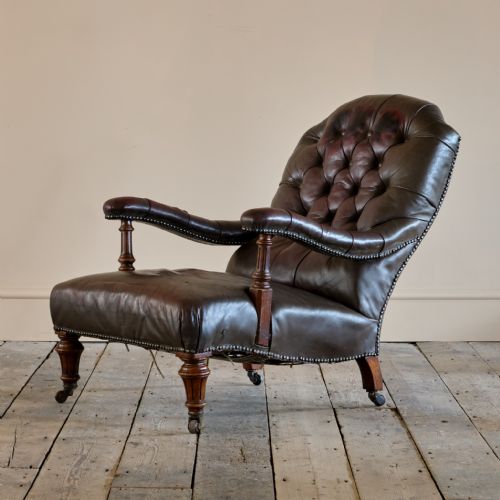
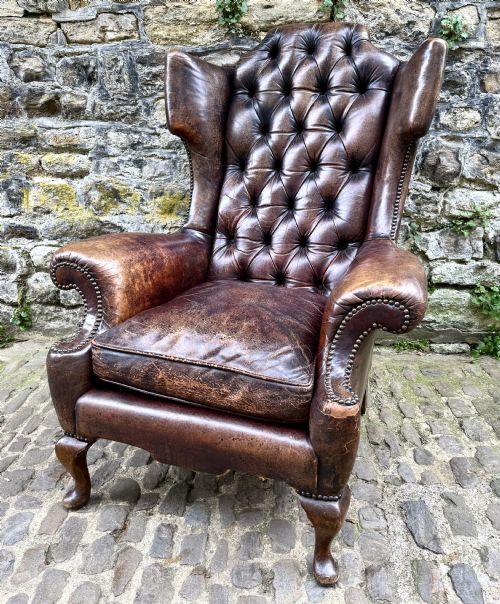
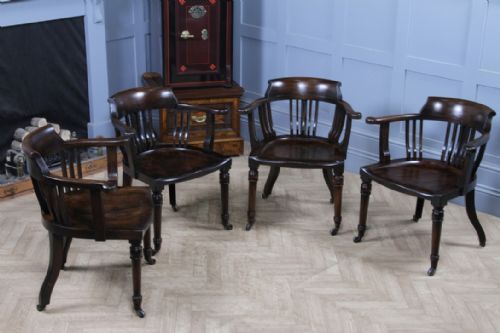
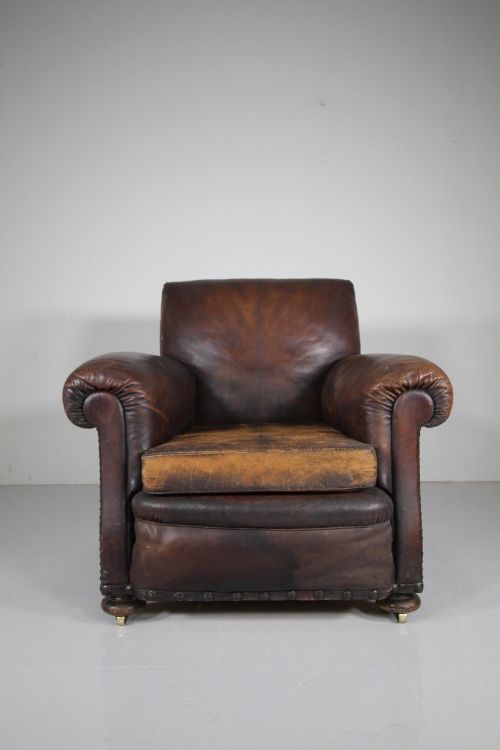
Dark brown library chairs encompass sturdy armchairs, swivel desk seats, and clever metamorphic step chairs designed for studies and reading rooms. These heavy timber seats frequently feature dark hide upholstery, buttoning, and brass nail detailing suited to traditional interiors.
The selections span the Victorian, Edwardian, and Regency periods, alongside later 1920 pieces and 17th-century revival forms in oak and mahogany. Buyers encounter both substantial leather wing chairs meant for firesides and compact swivel versions built for writing desks.
Makers and designers of the era utilised robust woods like walnut, rosewood, and oak to construct these enduring frames. Pieces range from formal Regency designs to rustic ladder steps and Gothic revival armchairs.
How they were made
Cabinet makers constructed the frames primarily from dense hardwoods such as mahogany, oak, and walnut, often employing turned or carved woodwork. Iron mechanisms sometimes appear in adjustable campaign seats and swivel office chairs.
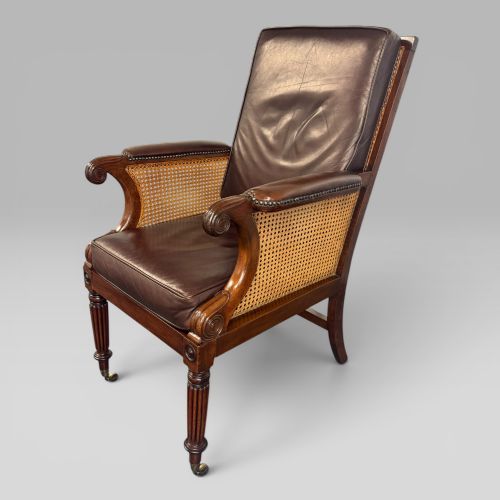
Upholsterers stretched dark leather over sprung or stuffed interiors, securing the edges with brass metal studs. Caning and woven leather also surface on lighter framework variants.
Listings feature oak, mahogany, walnut, rosewood, and iron, alongside leather, brass, and metal studs.
What varies in quality
The distinction rests in the handling of the timber and the depth of the hide. Superior examples display crisp joinery, rich natural grain in the mahogany or oak, and heavy, pliable leather that holds its colour.
Execution of secondary details dictates the tier of the piece. Fine brass studwork, well-turned bobbin legs, and intact internal webbing separate standard workshop output from exceptional commissions.
Holland & Son·A.W.N. Pugin
The Dark Brown Library Chairs Glossary
- Bergère
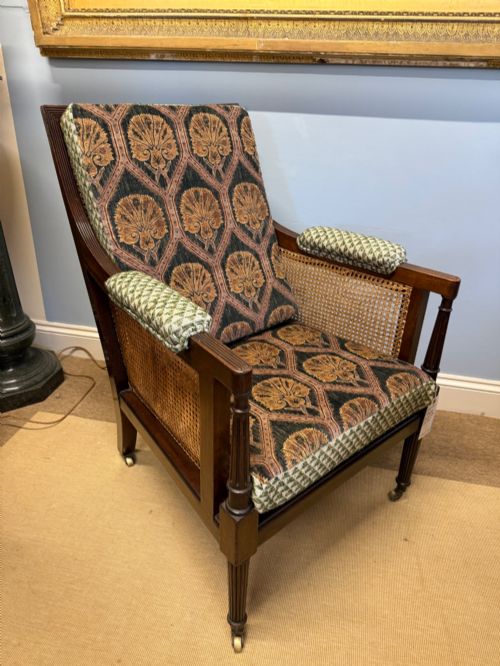
- An enclosed upholstered armchair with wooden framing exposed around the sides and back. This French form often incorporates cane panels into the structural design.
- Metamorphic
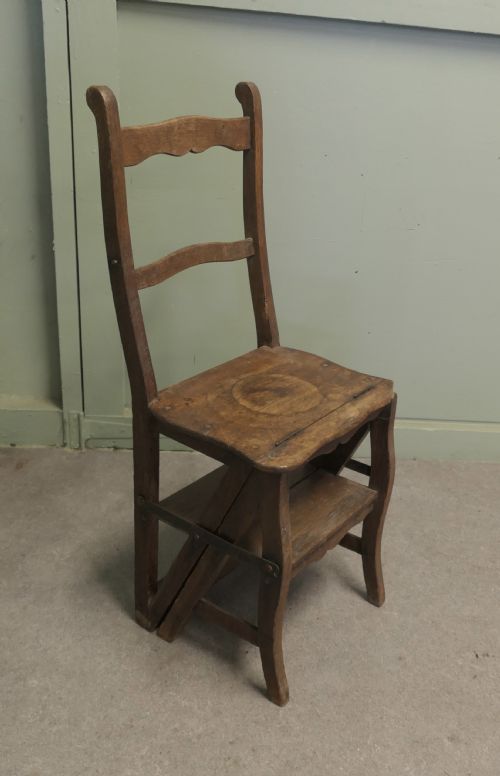
- Furniture designed to transform from one object into another, such as an armchair that folds out into library steps. These clever pieces served practical space-saving functions in period rooms.
- Wing armchair
- A high-backed seat featuring protective side panels designed to shield the sitter from draughts. They frequently appear upholstered in dark leather with deep buttoning.
- Campaign chair
- A portable, folding seat constructed for travel during military campaigns abroad. They utilise sturdy timber and metal fastenings for rapid assembly and dismantling.
Dark Brown Library Chairs: Frequently Asked Questions
What defines dark brown library chairs?
These pieces are heavy wooden seats, typically armchairs or desk chairs, upholstered in dark leather. They were built for studies, offices, and reading rooms using timbers like mahogany and oak.
Period examples date from the Regency era through to the early twentieth century. Their dark tones and robust construction distinguish them from lighter dining or drawing room seating.
How were metamorphic library chairs used?
Metamorphic chairs functioned simultaneously as a seat and a set of library steps. Owners used them to reach high bookshelves before folding them back into a chair.
They represent Victorian and nineteenth-century ingenuity, combining practical utility with fine cabinet making.
How do I care for leather upholstery?
Leather upholstery requires regular dusting and occasional treatment with appropriate conditioning balms to prevent drying. Keeping the hide away from direct heat sources preserves its suppleness.
Good quality leather develops a rich patina over decades of use, rewarding gentle maintenance.
How can I tell Victorian chairs apart from Edwardian ones?
Victorian dark brown library chairs generally feature heavier proportions, darker woods like rosewood or dense mahogany, and deep buttoning. Edwardian versions often display lighter oak or inlaid mahogany frames with simpler lines.
Examining the construction methods underneath and the style of the turned legs helps clarify the period of manufacture.