
Dark Brown Framed Picture
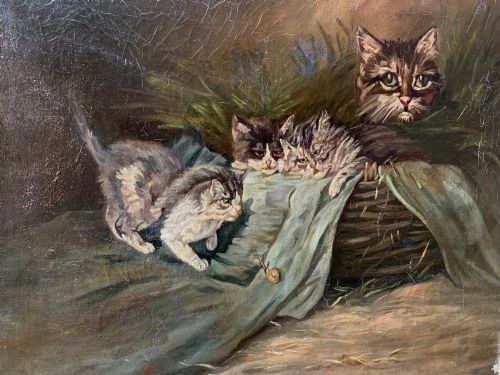
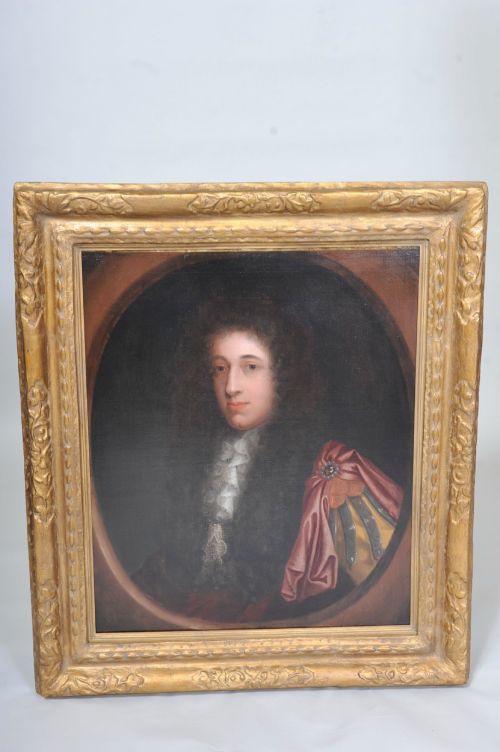
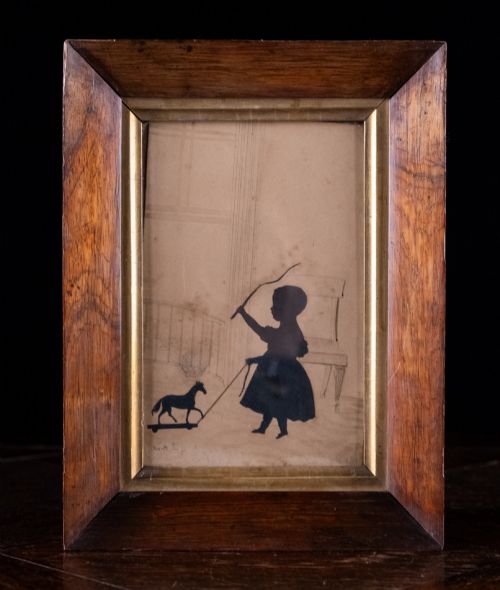
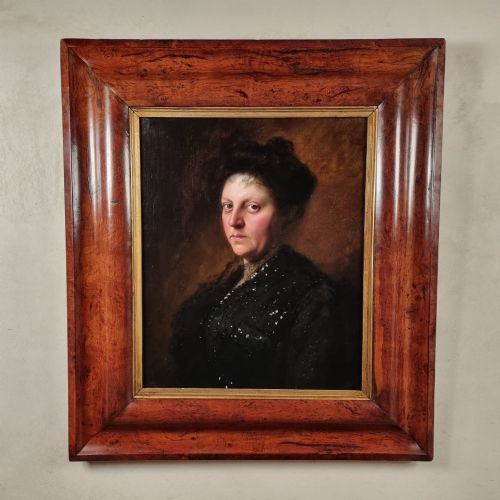
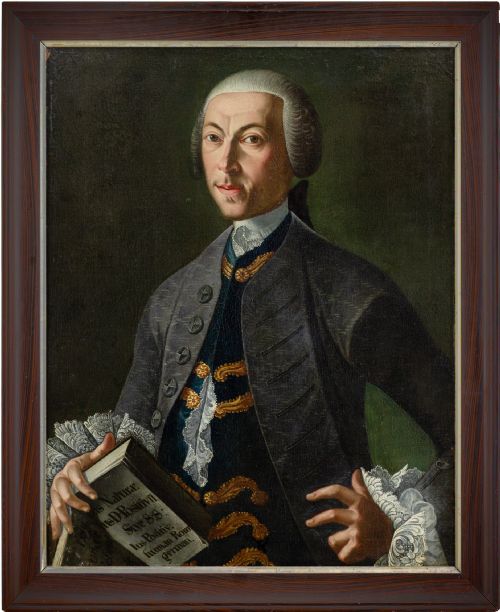
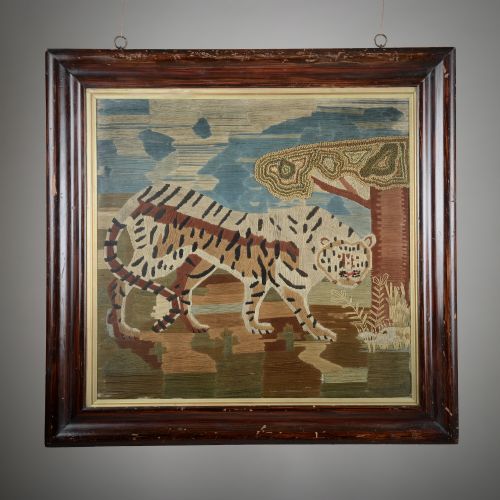
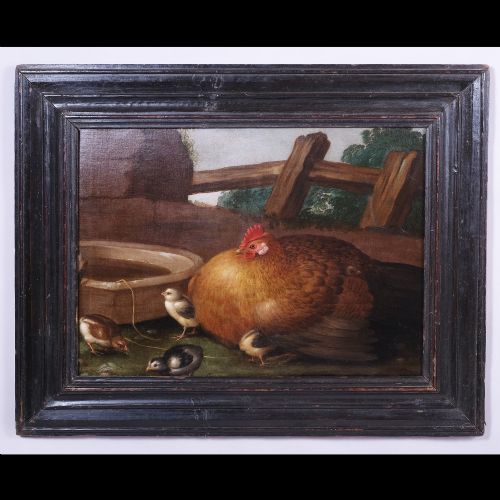
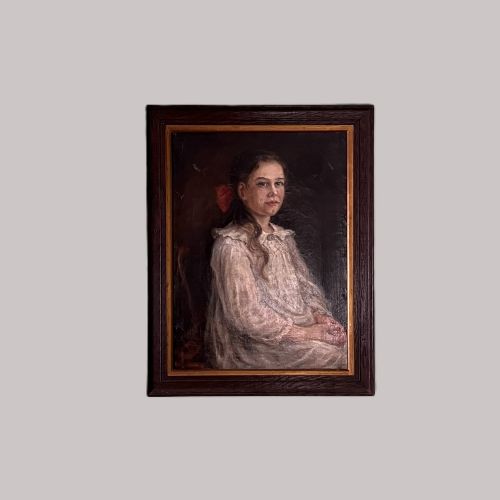
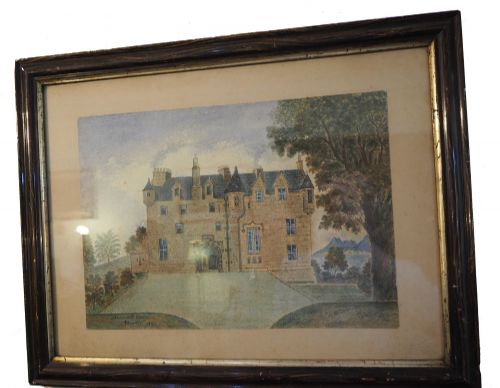
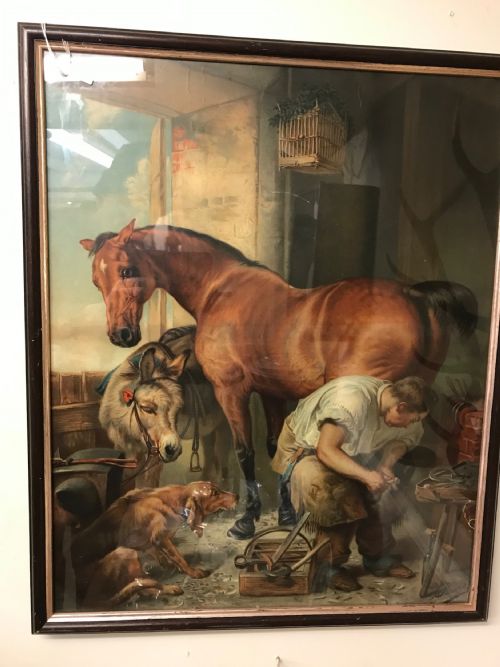
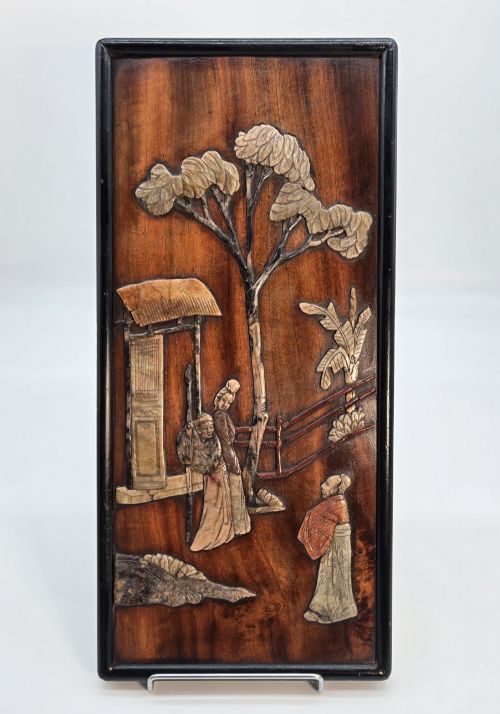
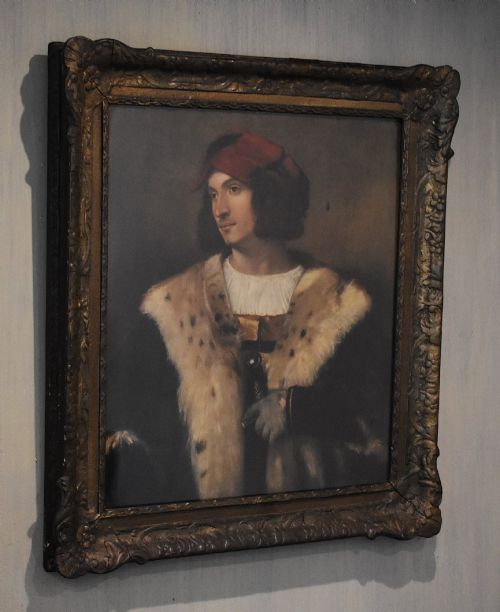
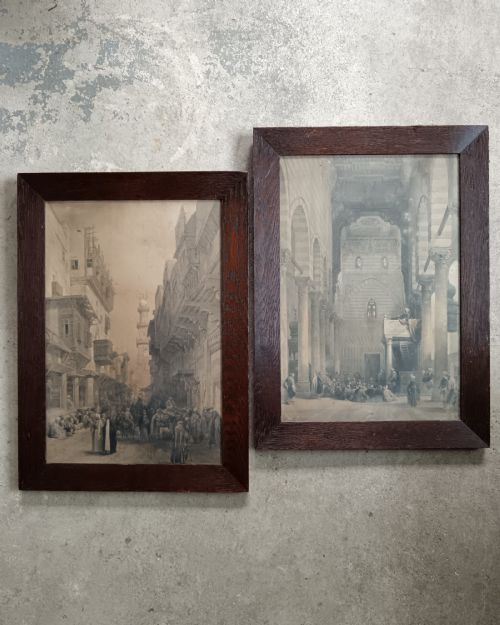
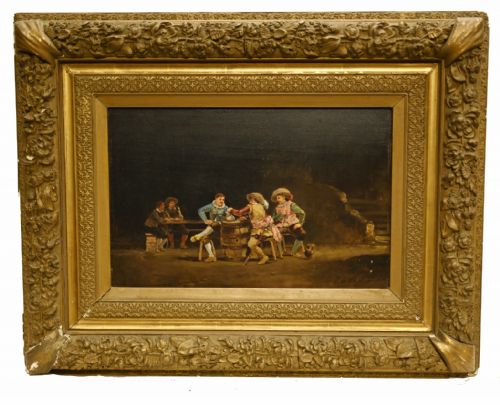
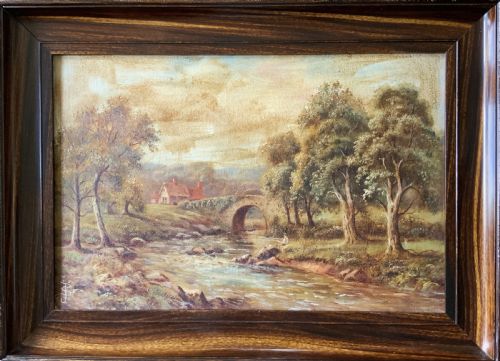
A dark brown framed picture brings depth and historical character to a wall, enclosing oil paintings, watercolours, prints and wool work.
How they were made
Makers utilised traditional woodworking techniques to construct the enclosures, employing timbers such as oak and walnut alongside carved elements. Canvases and wooden panels received oil paint, gouache or watercolour pigments applied by hand.
Printmakers employed lithography and engraving processes to produce works on paper, which were subsequently mounted beneath protective glass. Gilt gesso and gold leaf occasionally accent the timber surrounds of finer paintings.
What varies in quality
The standard of an artwork depends upon the skill of the execution, from naive folk art pieces to finely detailed academic portraits and landscapes. Originality plays a significant part, with pieces retaining their period frames holding greater integrity.
The complexity of the framing influences the overall character, distinguishing simple moulded wooden borders from deeply carved or specialist surrounds such as Black Forest work or Kashmiri walnut.
The selection includes items from the 18th Century, 19th Century, Victorian, Edwardian and Georgian periods.
Augustin Edouart·David Roberts RA·Louis Haghe·Sydney Yates Johnson
The Dark Brown Framed Picture Glossary
- Oil on canvas
- Pigment mixed with drying oil applied to a stretched fabric support. This technique allows for rich blending of colour and texture.
- Lithography
- A planographic printing process using a stone or metal plate. It enables the reproduction of detailed graphic works and illustrations.
- Gouache
- An opaque water-based paint medium consisting of pigment and binder. It produces a flat, matte finish with strong colour opacity.
- Chiaroscuro
- An artistic effect utilising strong contrast between light and dark. It defines three-dimensional volumes in paintings.
- Reverse painting on glass
- An application of pigment directly to the rear side of a glass panel. The image is viewed from the front through the glass.
Dark Brown Framed Picture: Frequently Asked Questions
How do I date a framed picture?
Dating relies upon examining the materials of the enclosure, the backing boards, fixings and the style of the artwork itself. Period characteristics in dress, painting technique and framing methods offer reliable chronological clues.
Evidence from the listings points to eras spanning the eighteenth century through to the Edwardian period, each demonstrating distinct manufacturing traits.
Are these pictures in original frames?
Many pieces survive with their original surrounds, which may include period wood, carved walnut or iron frames. Original pairings provide context and historical continuity between the artwork and its enclosure.
Surrounds often reflect the prevailing style of the manufacturing period, such as Victorian or Georgian design aesthetics.
What types of art are included?
The selection comprises oil paintings, watercolours, gouache works, lithographic prints, silhouettes and embroidered wool work. Subjects range from portraits and animal studies to architectural scenes and landscapes.
Works originate from various European and international schools across multiple centuries.
How should I hang a heavy framed picture?
Heavy pieces require appropriate wall fixings suited to the weight of the timber and glass. Using picture hooks fastened securely into wall studs or solid masonry ensures safe suspension.
Checking the cord, wire or D-rings on the rear of the frame guarantees the hanging hardware remains secure.