

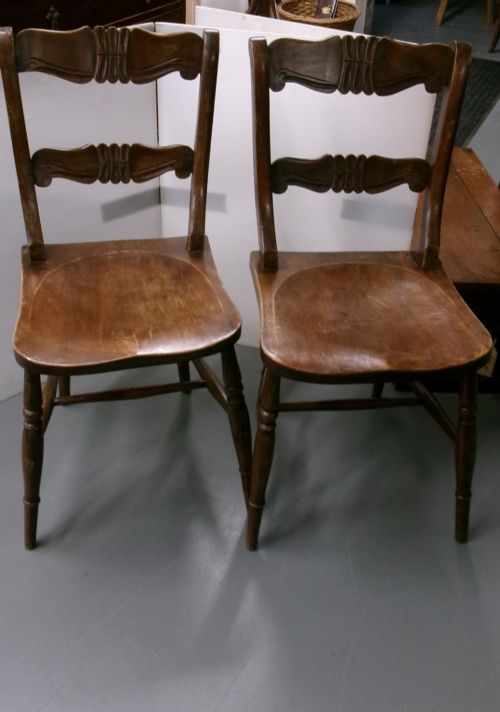
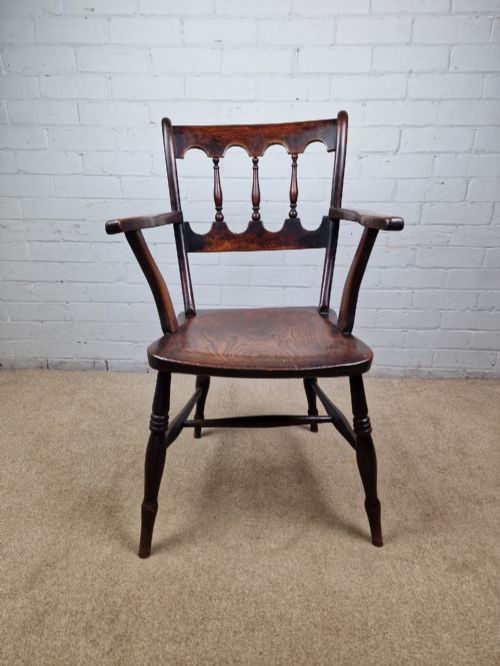


Dark Brown Beech Seating
Dark brown beech seating offers robust utility and rich grain, spanning Victorian country forms and Austrian bentwood.
Dark Brown Beech Seating
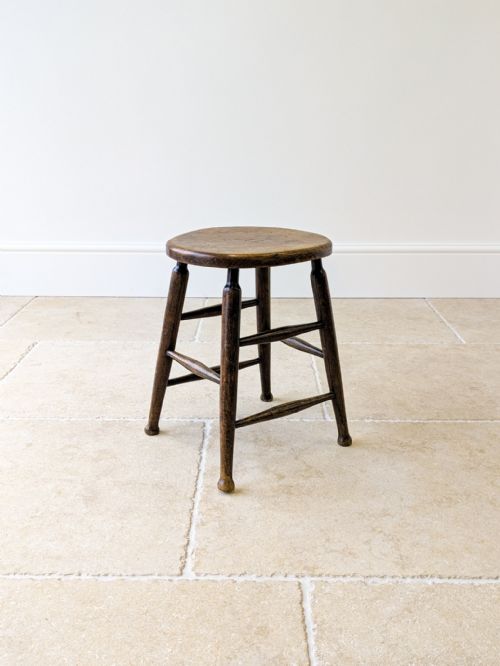
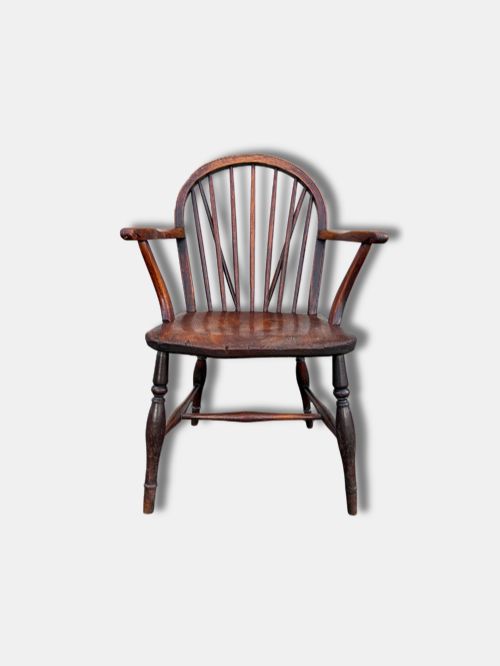
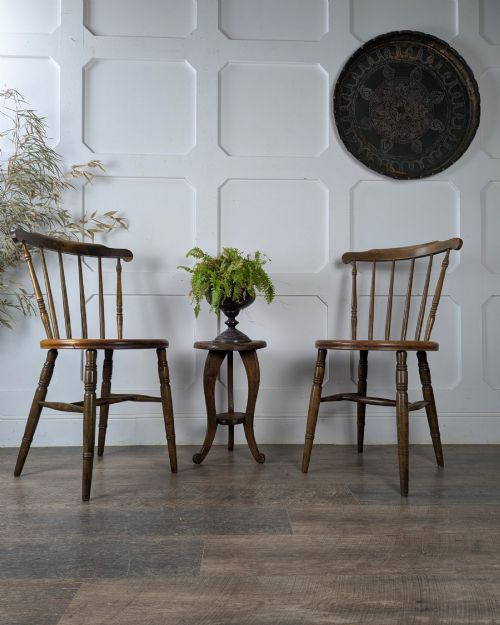
Dark brown beech seating covers a broad spectrum of utility, ranging from simple kitchen chairs and clerk's stools to sophisticated dining sets and armchairs. Buyers searching for dark brown beech seating encounter sturdy domestic forms shaped by centuries of regional vernacular and industrial output.
The pieces on this page lean heavily into Victorian and Edwardian domestic and commercial life, alongside Austrian bentwood designs. You will frequently find dining chairs, occasional chairs, and stools fashioned from this resilient timber, often paired with elm or rush.
Origins vary from English country workshops to major continental manufacturers like Thonet and J & J Kohn. These works serve both utilitarian and decorative roles, crossing from kitchen settings to formal reception rooms.
Materials and construction methods
The primary material is beech or beechwood, frequently chosen for its density and responsiveness to steam-bending techniques. Makers often combined beech with elm for seats or incorporated woven rush and plywood to provide contrasting textures and support.
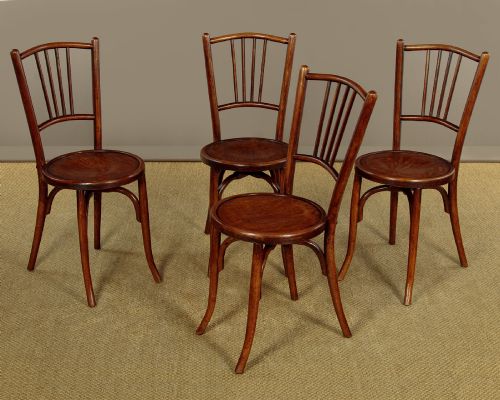
Steaming allowed manufacturers to shape solid timber into curves for bentwood bistro chairs and armchairs, a technique mastered by Austrian and continental makers. Traditional joinery such as turning and bar-back construction dominated English Victorian and Edwardian workshop production.
Dark Brown Beech Seating Retail Price Guide 2026
Typical asking prices for dark brown beech seating among the pieces listed under this phrase on Sellingantiques today, from the lower quarter to the upper quarter. They describe what is for sale here now, not the wider market.
Listings feature beech combined with elm, rush, and plywood across Victorian, Edwardian, and 1920s periods.
Distinctions in construction and origin
Quality rests upon the integrity of the joinery and the clarity of the timber's figured grain. Pieces featuring stamped manufacturer attribution command greater attention than anonymous workshop output.
The finesse of the steam-bending and the preservation of original surface patination determine the standing of an individual chair or stool within its respective period.
Codina·Thonet·J & J Kohn
The Dark Brown Beech Seating Glossary
- Bentwood
- Wood shaped by applying steam to soften the fibres before bending them into curved forms. This technique created lightweight, durable chairs popular in cafes and homes.
- Bar Back
- A chair design featuring a horizontal wooden slat across the upper backrest, often shaped for lumbar support. This style appears frequently in vernacular Windsor and kitchen seating.
- Ladderback
- A chair back constructed with horizontal rails resembling the rungs of a ladder. This traditional form provided sturdy support in vernacular furniture.
- Metamorphic
- Furniture designed to transform from one object into another, such as a child's high chair converting into a low play table. These ingenious pieces combined utility with domestic economy.
- Turned
- Wood shaped on a lathe by rotating it against cutting tools to create cylindrical or decorative profiles. This method formed the legs and spindles of many traditional stools and chairs.
Dark Brown Beech Seating: Frequently Asked Questions
What periods do these chairs cover?
The selection spans from the nineteenth century through the Edwardian era and into the 1920s.
Most pieces reflect Victorian and early twentieth-century manufacturing methods, including both English vernacular joinery and Austrian bentwood production.
How were bentwood chairs made?
Makers steamed solid beechwood until pliable, then bent it into curves using metal straps and wooden forms.
This innovative process produced strong, lightweight frames suitable for both commercial bistros and domestic dining rooms.
Where were these chairs used originally?
They served in various settings, ranging from English farmhouse kitchens and clerks' offices to Viennese coffee houses and formal dining rooms.
Sturdier models suited commercial reception spaces, while refined occasional chairs occupied domestic parlours.
What woods besides beech are used?
Elm frequently appears in chair seats where its interlocking grain resisted splitting under heavy domestic use.
Other materials include woven rush for seating pads and occasional touches of oak or plywood.