



Solid Wood Dining Seats
Solid wood dining seats bring honest timber and practical craft straight to the table, offering lasting utility for daily meals.
Solid Wood Dining Seats
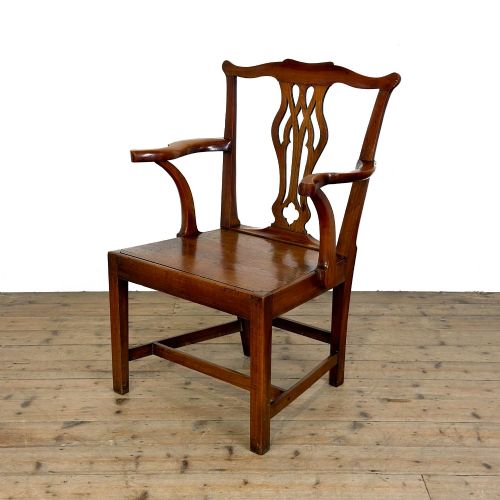
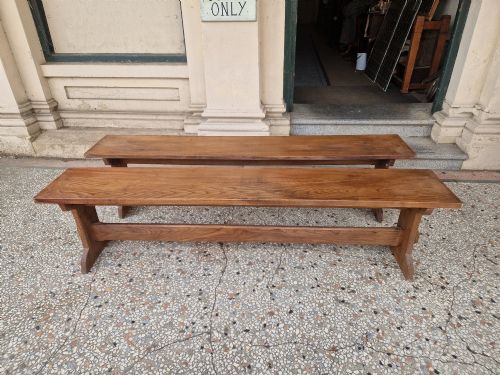
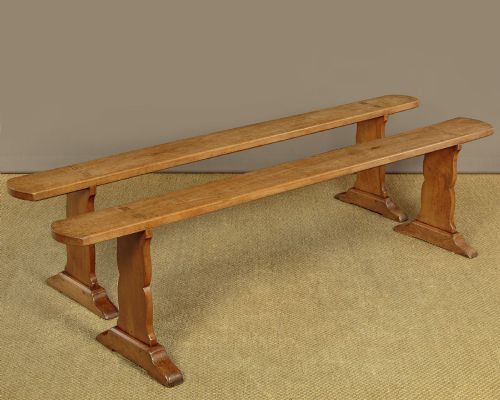
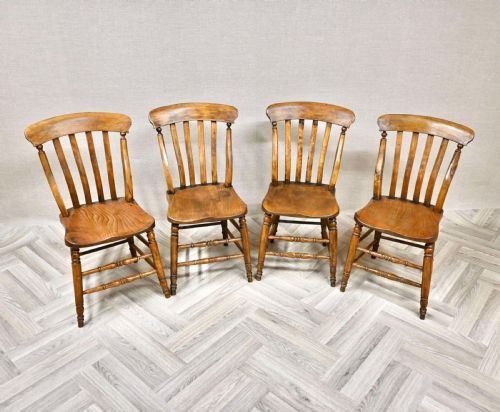
Solid wood dining seats cover a sturdy range of timber furniture designed for gathering around the table, drawing primarily from nineteenth-century English country and Victorian traditions. When buyers search for solid wood dining seats, they encounter everything from single farmhouse armchairs to matched sets of six or eight kitchen chairs.
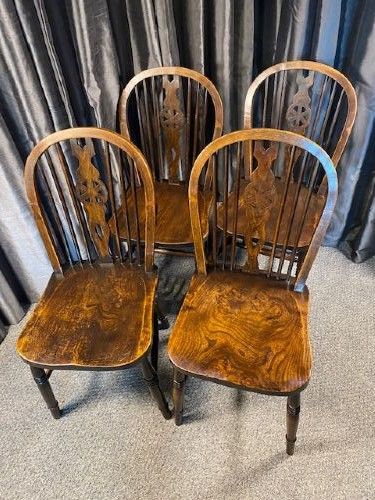
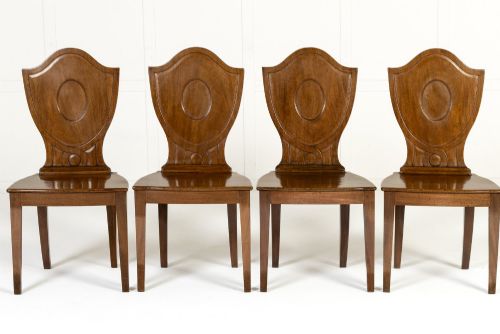
The selections on this page lean heavily towards regional vernacular forms, such as elm Windsor chairs and oak lathe backs, alongside more formal Regency mahogany hall chairs. Sets frequently appear in groups of four, six, or eight, fashioned from native hardwoods for everyday household use.
Materials and construction methods
Cabinet makers and bodgers built solid wood dining seats utilising timber such as oak, elm, beech, fruitwood, and ash, often combining woods within a single frame for structural strength. Elm frequently formed the saddle seats due to its resistance to splitting, while ash and beech provided resilient bent spindles and legs.
Joinery relied on traditional techniques like mortise and tenon joints and wedged spindles, ensuring the timber held firm under constant strain. Surfaces were left to age naturally or finished simply with wax, highlighting the grain of the wood.
Solid Wood Dining Seats Retail Price Guide 2026
Typical asking prices for solid wood dining seats among the pieces listed under this phrase on Sellingantiques today, from the lower quarter to the upper quarter. They describe what is for sale here now, not the wider market.
Judging the quality of the timber and frame
Quality in solid wood dining seats rests upon the integrity of the timber selection and the tightness of the original joinery. A superior example displays well-figured grain, matching timber tones across a set, and minimal replacement parts over the centuries.
Heavier scaling in the legs and deep-dished wooden saddle seats indicate careful execution by regional makers. Conversely, excessive dryness, loose joints, or mismatched replacement stretchers detract from the structural harmony of the piece.
H. Samuel London
The Solid Wood Dining Seats Glossary
- Windsor chair
- A wooden chair built with a solid saddle-shaped seat into which the back and legs are bored directly. These seating forms developed deep regional variations across the countryside.
- Lathe back
- A chair back featuring turned spindles or vertical wooden slats secured into a curved top rail. This construction method offered both comfort and reliable back support.
- Hall chair
- A rigid, often wooden-seated chair designed for occasional use in entrance halls rather than long dining sessions. They frequently display carved wooden back panels and slender legs.
- Vernacular furniture
- Domestic objects made by local craftspeople using regional materials and traditional methods rather than following high-style metropolitan fashions. These pieces prioritise utility and local character.
- Fruitwood
- Timber sourced from fruit-bearing trees such as cherry or pear, prized by makers for its smooth texture and warm colour. It appears frequently in nineteenth-century country seating.
Solid Wood Dining Seats: Frequently Asked Questions
What woods were used for solid wood dining seats?
Makers utilised native hardwoods suited to structural demands, frequently combining oak, elm, beech, ash, and fruitwoods within a single piece or set. Elm was commonly selected for carved seats because of its interlocking grain.
Secondary timbers provided flexible strength for turned spindles, while denser woods formed heavy legs and top rails for daily domestic endurance.
How do I care for antique wooden seats?
Protect antique wood by maintaining stable room humidity and applying occasional natural beeswax to nourish the dry timber. Avoid placing solid wood furniture near direct heat sources.
Routine dusting with a soft dry cloth preserves the aged patina without stripping the historic surface finish built up over generations.
Are matched sets common for antique dining chairs?
Many sets found today are assembled or matched variations rather than original factory sets produced together. Country dining chairs were often gathered over time or expanded as households grew.
Slight variations in turning or timber tone are normal characteristics of vernacular furniture built by regional hands.