


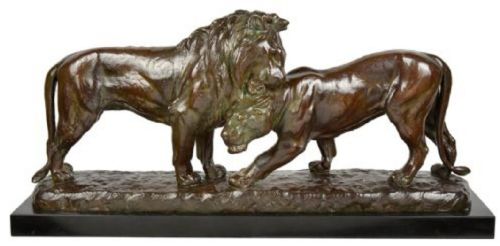


Dark Bronze Lion Figure
A dark bronze lion figure brings sculptural weight and historic presence to a desk or mantelpiece.
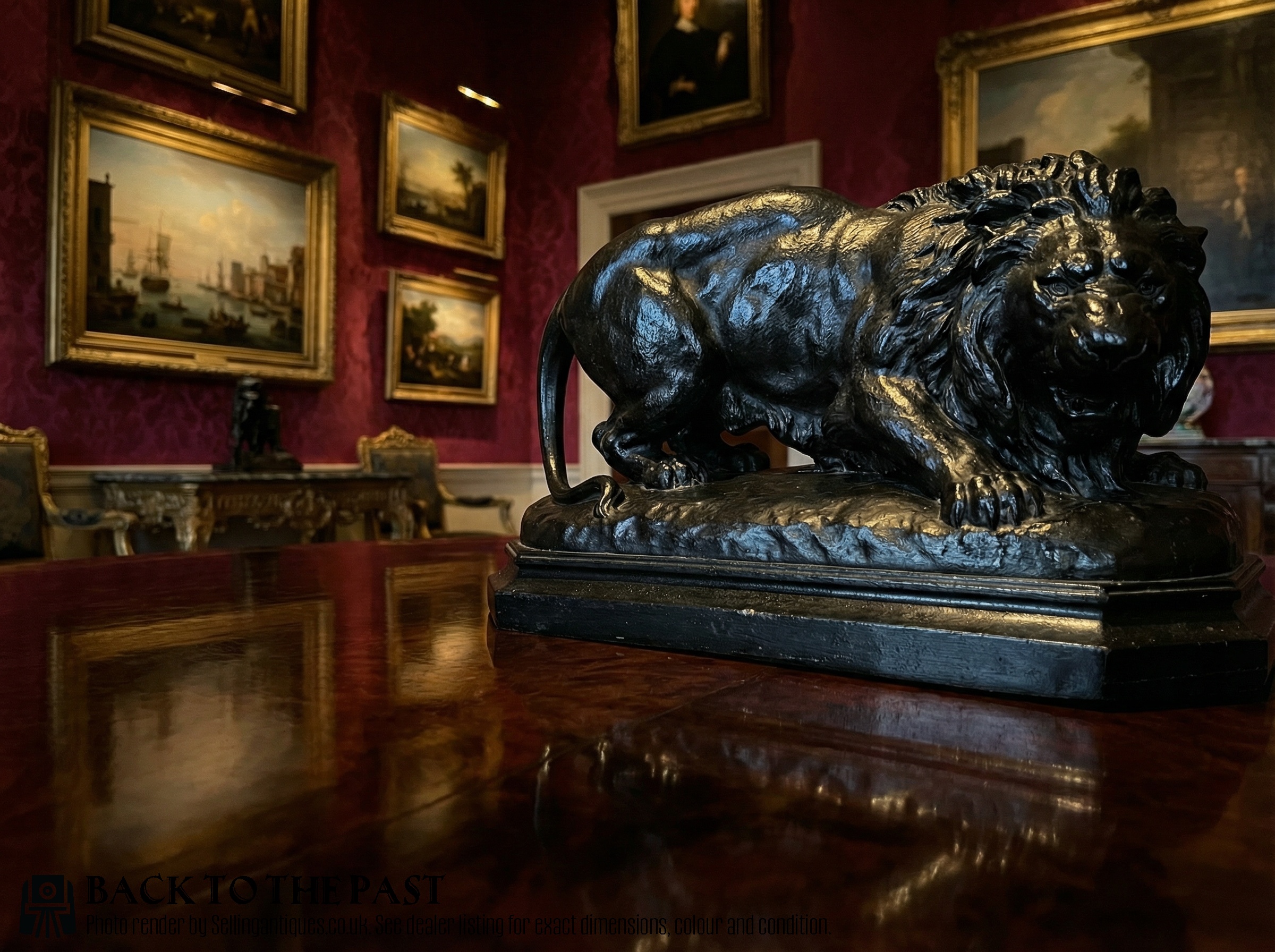
Dark Bronze Lion Figure
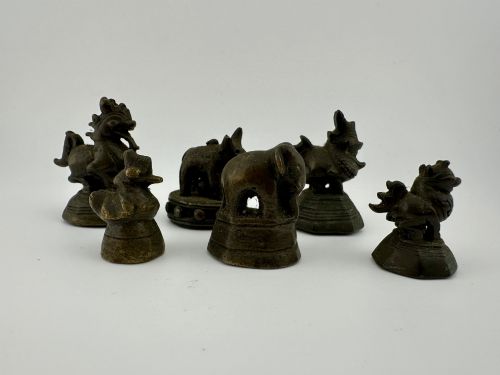
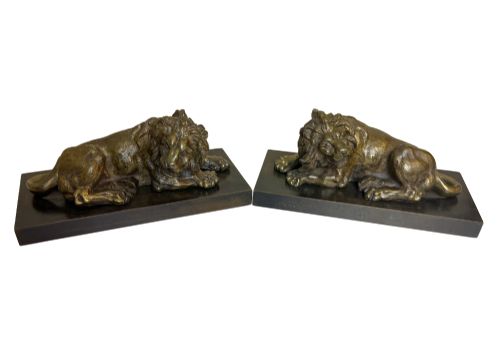
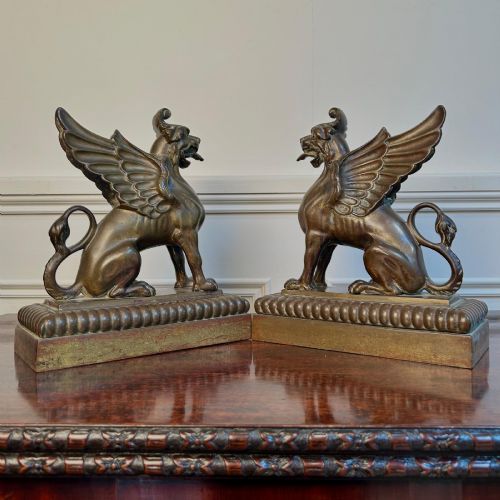
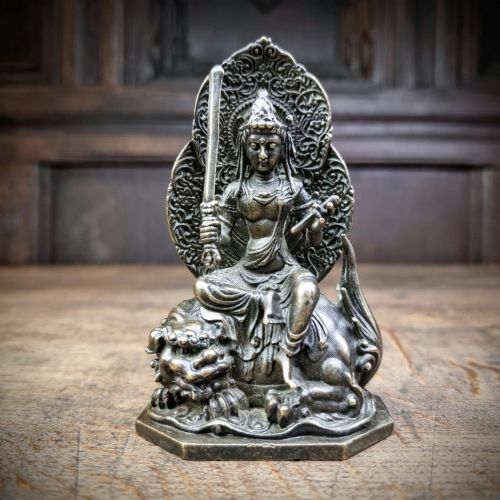
A dark bronze lion figure encompasses cast metal sculptures originating from diverse global traditions, spanning Grand Tour souvenirs to Asian temple guardians. When exploring a dark bronze lion figure on this page, buyers encounter works rendered in heavy metal alloys, often finished with deep patination or dark surfaces.
The selections range from compact nineteenth-century animalier studies to large ceremonial figures and architectural fountain heads. These pieces reflect stylistic influences from Victorian workshops, Japanese Meiji periods, and Southeast Asian trade traditions, all sharing a common feline subject.
How they were made
Many items incorporate secondary materials such as marble bases, wooden mounts, or subtle gold inlay to complement the dark metallic body. Surface finishes vary from natural aged oxidation to deliberate dark patination applied by the foundry.
Materials span bronze, brass, patinated iron, and timber, frequently paired with marble bases or gold inlay.
What varies in quality
The integrity of the dark patina and the weight of the metal itself also define the standard of a piece. Finer sculptures demonstrate careful attention to expression and texture rather than relying solely on surface darkness for effect.
Seiunsai Miyamoto Sei·Unno Shomin·Louis Riche·Al Barye·Barbedienne
The Dark Bronze Lion Figure Glossary
- Animalier
- A nineteenth-century artistic movement dedicated to the realistic portrayal of animals. Sculptors in this style focused on dynamic or resting wildlife forms.
- Grand Tour
- The traditional journey undertaken by European travellers to study classical art and antiquities. Souvenirs from these trips often included miniature bronze architectural elements and lions.
- Okimono
- A Japanese decorative freestanding sculpture designed for display in a traditional home interior. These objects showcase exceptional metalworking skills from periods like the Meiji era.
- Patination
- The surface coloration and ageing acquired by metal over time or through chemical treatment. A dark patina enhances the visual depth of bronze sculpture.
- Tical
- A traditional unit of currency and weight used in Southeast Asia. Burmese and Thai animal trade weights often take the form of stylised lions.
Dark Bronze Lion Figure: Frequently Asked Questions
Where were these figures made?
The pieces originate from diverse regions including European foundries, Japanese workshops, and Southeast Asian trade centres.
Each region employed distinct casting traditions that shaped the final appearance of the dark bronze lion figure.
How do I clean bronze?
Dusting gently with a dry, soft cloth is normally sufficient for maintaining the surface.
Harsh chemical cleaners or polishes should be avoided because they can strip away the historic dark patina.
Are these figures solid bronze?
Many examples are cast in solid bronze, though some larger temple pieces and decorative objects may utilise related metals or iron.
Weight often indicates the density and composition of the material used in the casting process.
What is animalier style?
Animalier refers to nineteenth-century sculpture focused on accurate and lifelike representations of animals.
Artists in this tradition observed anatomy closely to capture the strength and posture of large felines.