





Dark Blue Painting
Dark blue painting captures deep tonal expressions across centuries of fine art, offering collectors rich maritime scenes, portraits and landscape works.
Dark Blue Painting
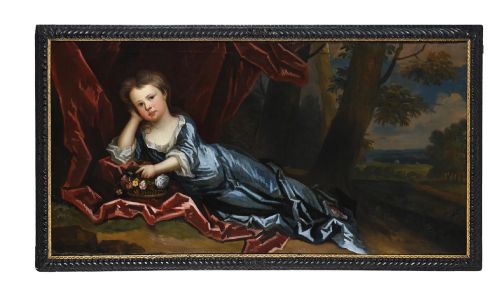
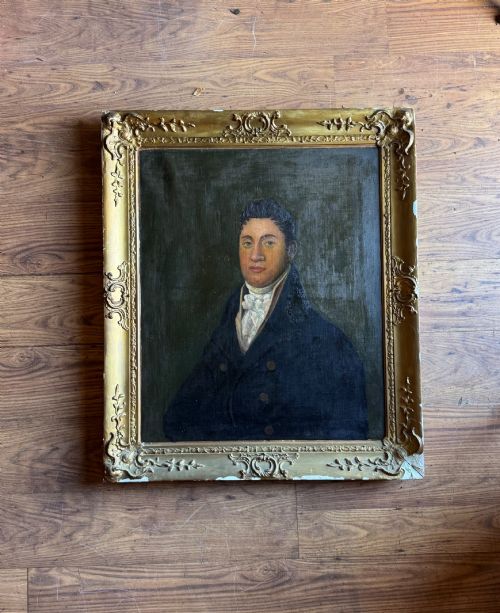
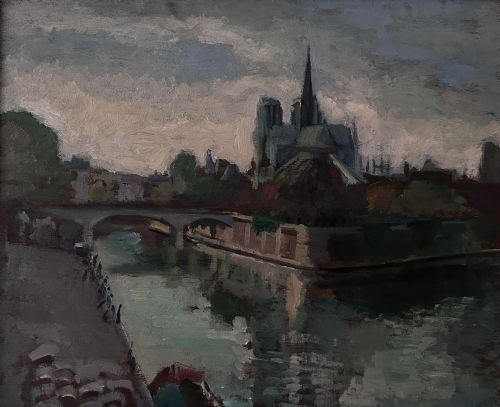
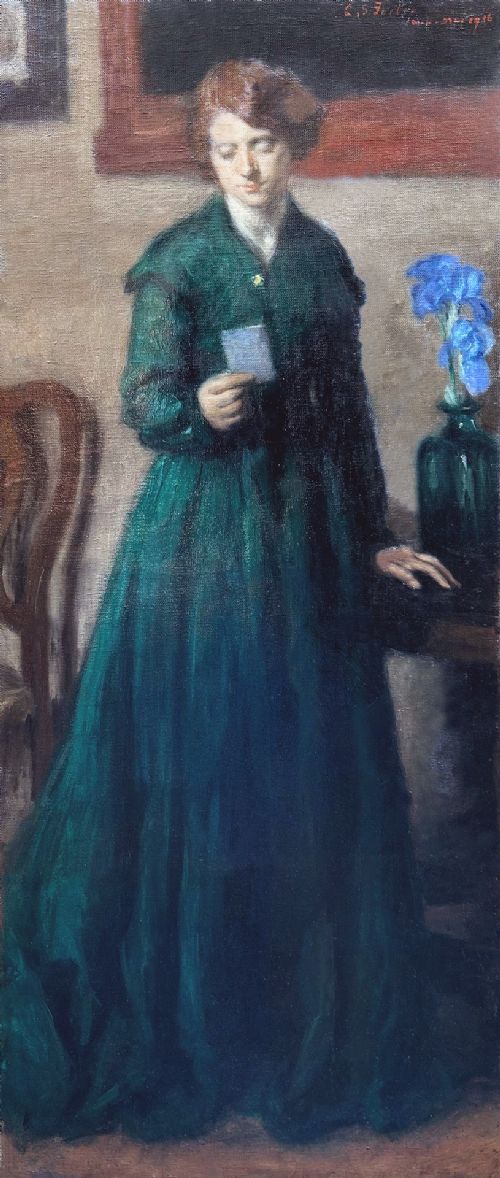
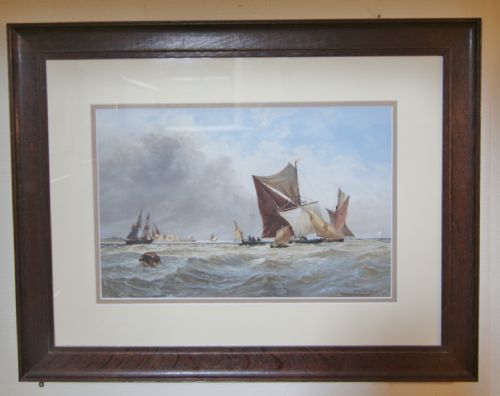
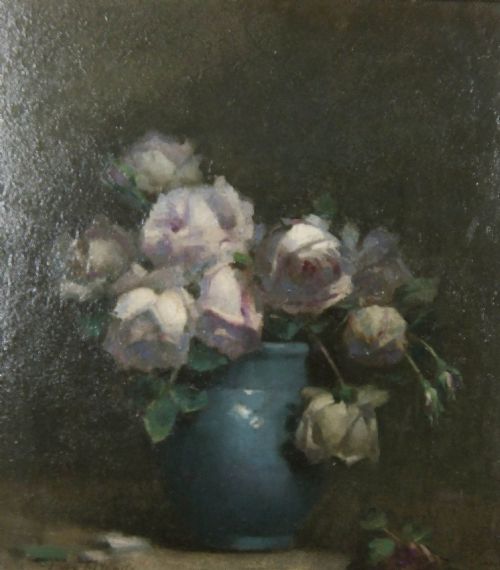
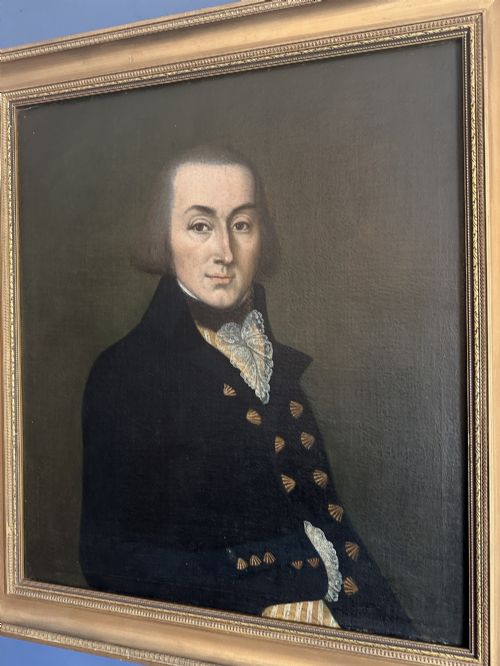
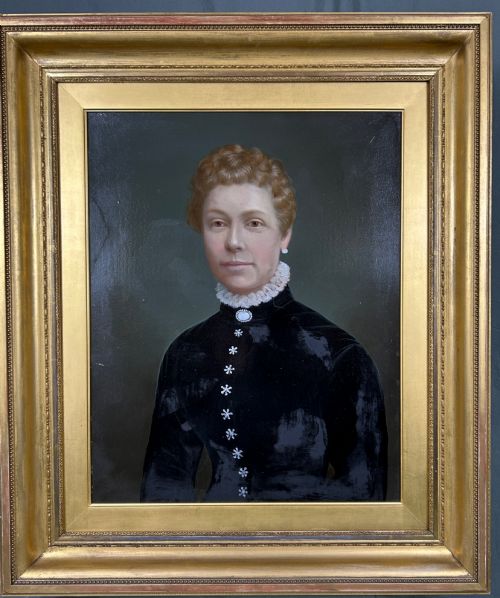
A dark blue painting encompasses historical oil on canvas works, portraits and maritime views spanning from the seventeenth century through to the mid-twentieth century. Buyers searching this phrase encounter formal oil paintings, miniature portraits and framed watercolours where deep blue pigment dominates the visual palette.
The selection ranges from seventeenth-century noble portraits featuring dark garments and backgrounds to nineteenth-century seascapes and twentieth-century realist compositions. These artworks reflect diverse European schools, including English, French and Italian traditions, alongside regional portraiture and maritime subjects.
Materials and construction methods
Artists executed these works primarily with oil paint applied to stretched canvas, wooden panels, or paper supports, occasionally utilising reverse glass techniques. The pigments relied on traditional ground minerals and oils, layered to achieve deep tonal depths particularly evident in naval uniforms, nocturnal scenes and velvet garments.
Frames and secondary supports typically utilise period woods such as oak and pine, frequently accompanying canvas paintings or housing delicate watercolours and reverse glass pictures. The physical construction reflects the standard workshop practices of each respective century, from seventeenth-century stretcher frames to later nineteenth-century mountings.
Dark Blue Painting Retail Price Guide 2026
Typical asking prices for dark blue painting among the pieces listed under this phrase on Sellingantiques today, from the lower quarter to the upper quarter. They describe what is for sale here now, not the wider market.
Distinctions in artistic quality
Quality rests upon the skill of brushwork, anatomical proportion and the preservation of the original pigment layers. Superior examples display confident handling of light and shadow, particularly in capturing facial expressions, fabric folds and atmospheric depth within maritime or landscape settings.
The attribution to documented artists or established regional schools elevates the standing of a piece. Condition also plays a role, with preferred works retaining their original canvas tension, uncompromised paint surfaces and period-appropriate framing.
Constantyn Netscher·John Hayls·Albert Bierstadt·Charles Stuart Forbes·Thomas Bush Hardy·William Thomas Wood·Sir Thomas Lawrence·Sir Godfrey Kneller·Thomas Rose Miles·John Osborn·Sonia Delaunay
The Dark Blue Painting Glossary
- Oil on canvas
- A painting medium where pigments are suspended in a drying oil, traditionally linseed, and applied to a woven fabric support stretched across a wooden frame. This combination allows for rich colour blending and lasting durability.
- Reverse glass picture
- An artwork created by painting or drawing on the back side of a piece of glass so that the image is viewed through the front. This technique produces a distinct glossy finish and protects the pigment from atmospheric degradation.
- Maritime painting
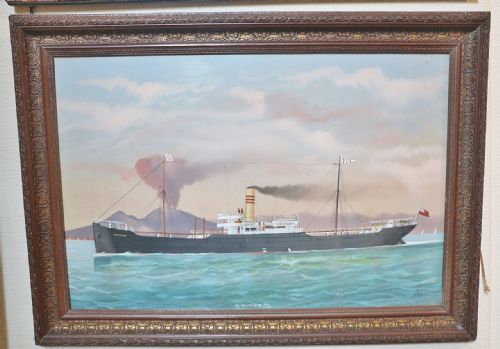
- A genre of art depicting ships, naval battles, coastal views and seascapes. These works often employ deep blue and grey tones to convey water and stormy skies.
- Portraiture
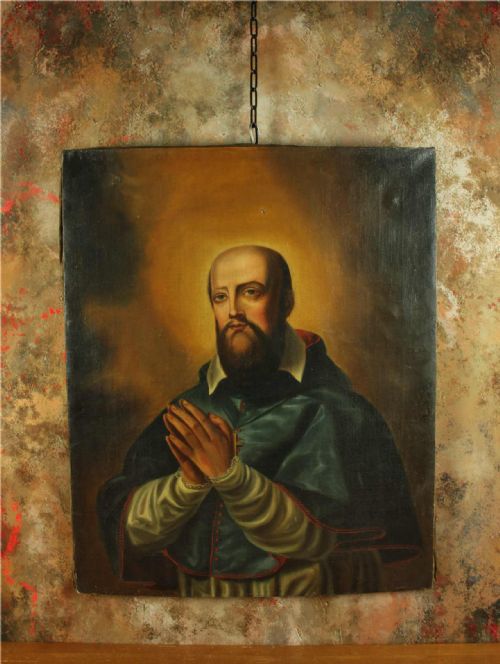
- The representation of a particular person, group or animal in art, focusing on the face and expression. Historical portraits often utilise dark clothing and neutral backgrounds to draw attention to the sitter.
- School
- A group of artists sharing a similar style, period, or geographical origin, often influenced by a prominent master. Attribution to a specific school denotes stylistic similarities rather than a direct signature.
Dark Blue Painting: Frequently Asked Questions
What subjects appear in dark blue painting works?
The subjects include formal portraiture of nobility, military officers and gentlemen, alongside maritime seascapes, WWI ships and genre scenes. Many works incorporate deep blue hues within clothing, naval uniforms or nocturnal backgrounds.
Religious paintings and landscape views from various European schools also feature prominently across the centuries represented in the selection.
How do I date a historical oil painting?
Dating relies on examining the canvas preparation, stretcher frame construction, costume details of the sitters and pigment characteristics. Stylistic conventions of the period provide primary clues for the decade of creation.
Signatures, attributions and framing details further assist in placing the artwork within a specific century or artistic movement.
Where should I hang an oil painting?
Oil paintings require placement away from direct sunlight, high humidity and dramatic temperature fluctuations to protect the canvas and pigment layers. Stable interior wall spaces preserve the structural integrity of both the artwork and its frame.
Consider eye-level positioning in rooms with controlled environments to fully appreciate the brushwork and tonal depth of the piece.
What is a reverse glass picture?
A reverse glass picture involves applying pigment directly to the rear surface of a glass panel so the finished image is observed through the front. This historical technique yields a unique reflective surface quality.
Examples from the eighteenth century utilise this method for religious or decorative subjects, requiring careful handling to prevent surface abrasion.