


Dark Baroque Wall Art
Dark baroque wall art encompasses sombre oil paintings and carved religious objects that bring deep shadows and dramatic gravity into a room.
Dark Baroque Wall Art
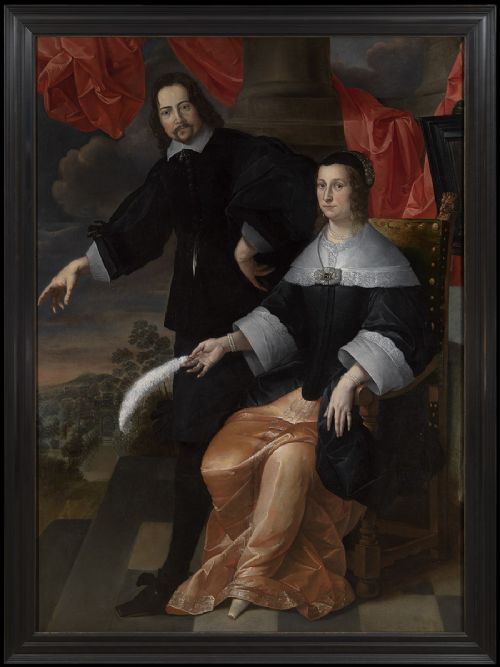
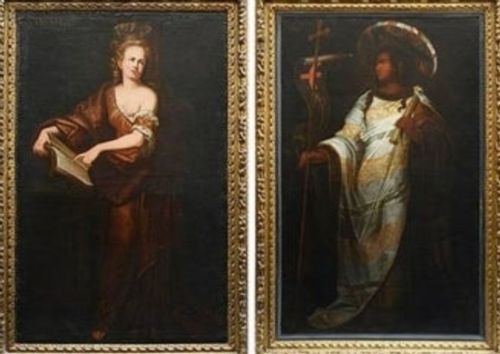
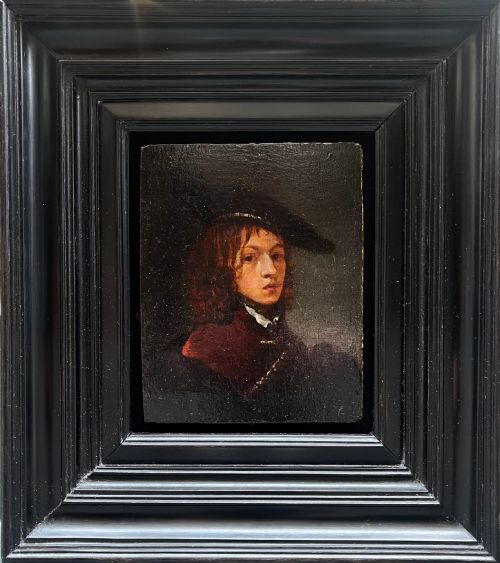
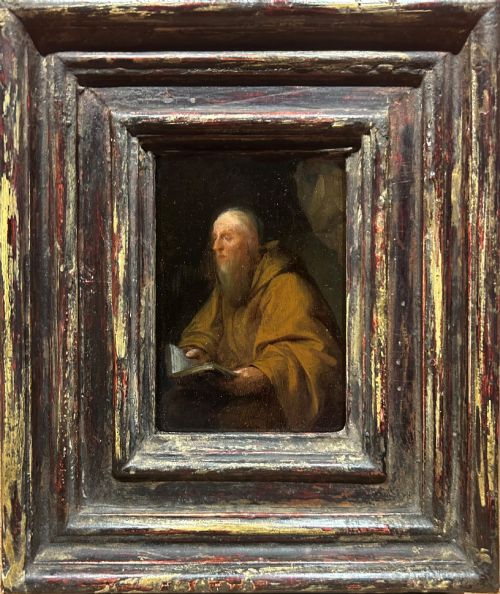
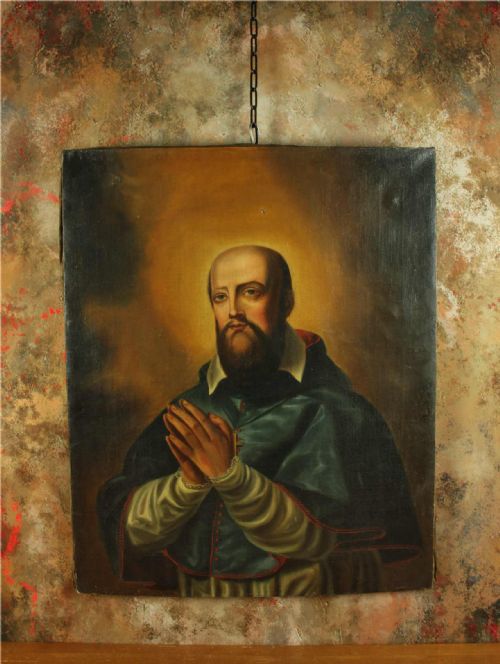
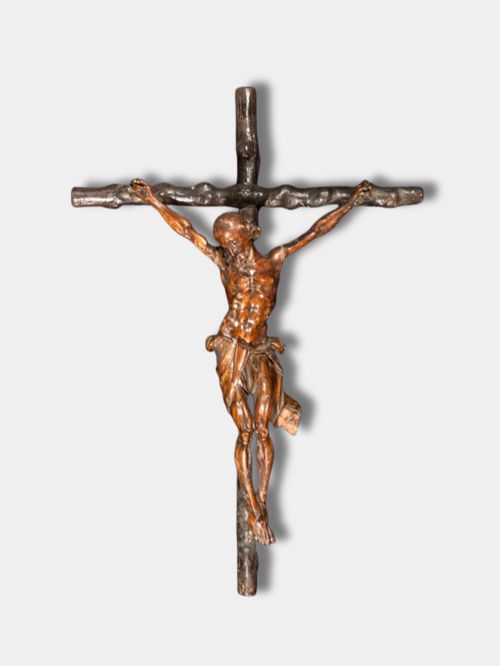
Dark baroque wall art primarily takes the form of oil paintings on canvas, alongside framed prints, wood carvings, and metal plaques. These pieces span periods from the seventeenth century through to the nineteenth century, reflecting regional styles such as Dutch, Flemish, Spanish, and Italian schools.
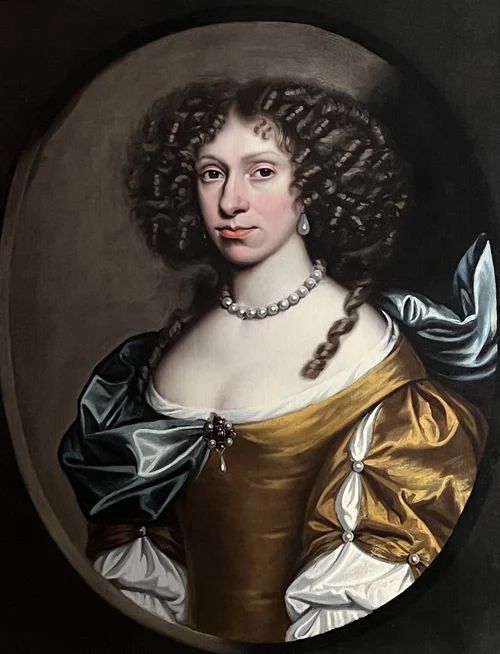
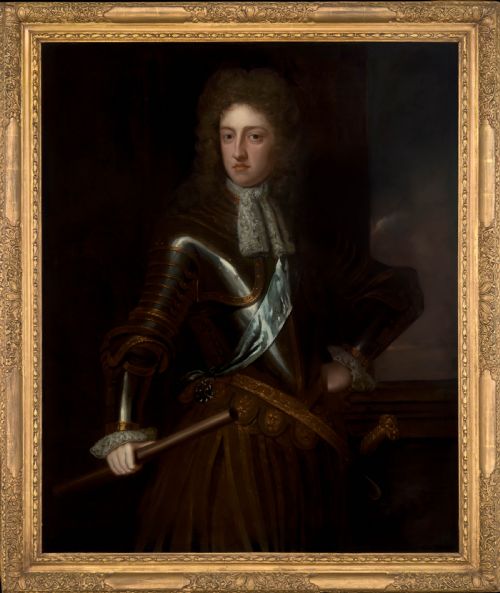
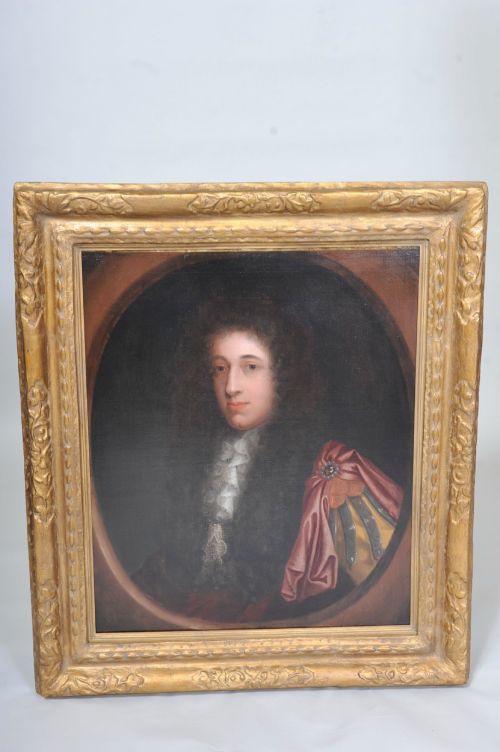
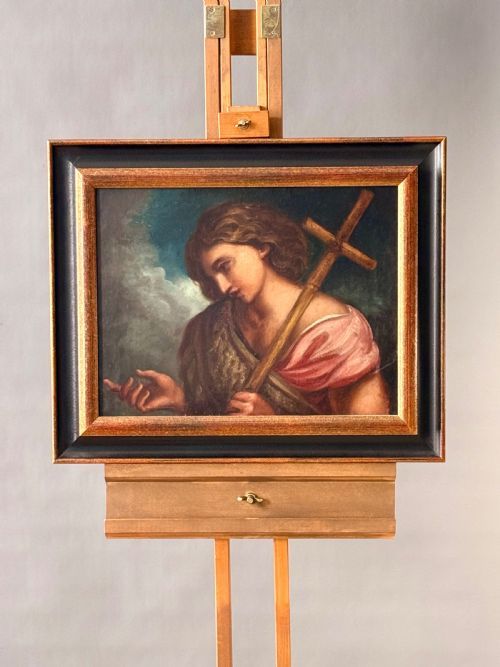
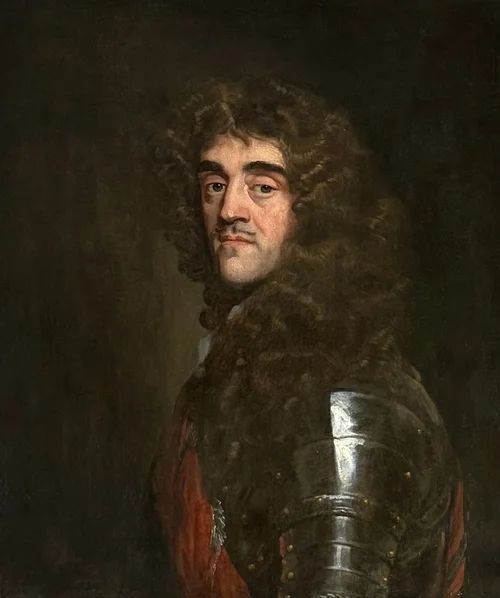
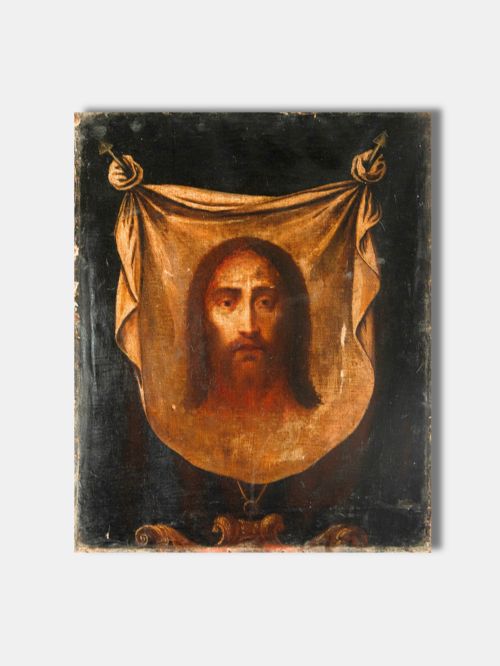
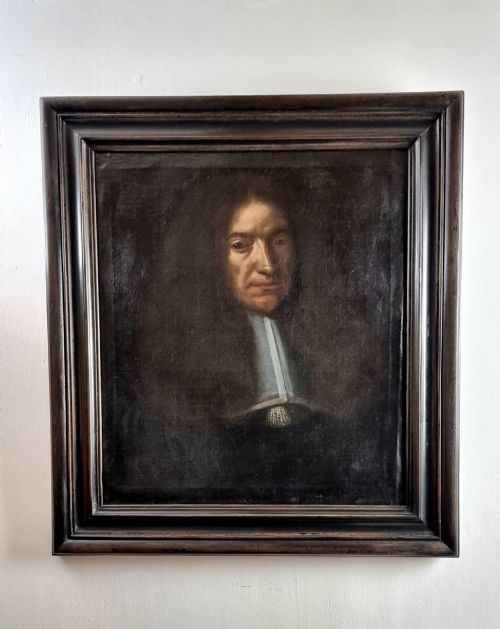
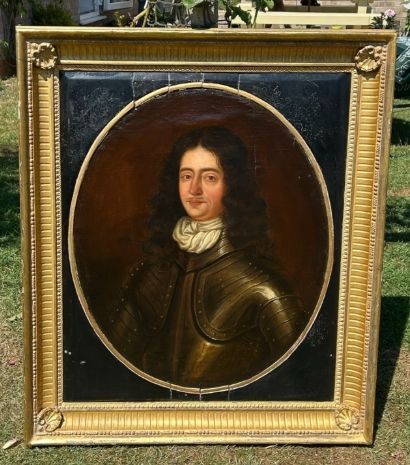
Portraits of noblemen, judges, and cavaliers dominate the selection, often depicted in armour or ruff collars, alongside religious subjects like saints and crucifixes. Still lifes of flowers and nocturnal scenes also appear, offering the heavy chiaroscuro and solemn atmosphere characteristic of the era.
How they were made
Makers utilised oil paint on stretched canvas to build deep, layered shadows and luminous highlights through a technique known as chiaroscuro. Wood and giltwood provided the structural support for carved panels, crosses, and frames.
Specialised techniques also included enamel work on metal plaques and reverse glass printing. Workshops relied on hand-mixing pigments and applying glazes to achieve the rich, dark palettes typical of seventeenth and eighteenth-century European studios.
Several seventeenth-century canvases preserve the stern gazes of cavaliers who likely spent more time worrying about the English Civil War than posing.
What varies in quality
Quality rests upon the handling of light and shadow, distinguishing works by principal masters or well-documented studio circles from those produced by anonymous regional followers. The sensitivity in rendering facial expressions, hands, and textiles such as lace ruffs or armour dictates the artistic merit of a portrait.
The integrity of the original canvas, the depth of the pigment layers, and the presence of period-appropriate frames contribute to the overall standard of a piece. Finer works display confident brushwork and anatomical precision that lesser provincial copies lack.
David Scougall·John Hayls·Sir Godfrey Kneller·John Greenhill·Sir Anthony van Dyck·Frans Snyders·Godfried Schalcken
The Dark Baroque Wall Art Glossary
- Chiaroscuro
- An artistic technique using strong contrasts between light and dark to give subjects volume and dramatic tension. This method defines much of the moody atmosphere found in seventeenth-century painting.
- Old Master
- A term for a European artist of high skill working before about eighteen hundred. These painters set the technical standards for portraiture and religious composition.
- Giltwood
- Wood that has been coated with a thin layer of gold leaf or powder. This material frequently frames important baroque canvases.
- Provenance
- The documented history of ownership of a piece. A clear record helps establish authenticity and attribution to specific schools or makers.
Dark Baroque Wall Art: Frequently Asked Questions
What subjects are most common?
Portraits of figures in armour, ruffs, or judicial robes appear frequently across the seventeenth-century selections. Religious iconography, including saints, crucifixes, and biblical scenes, also forms a significant portion of the works.
Still lifes featuring dark floral arrangements and domestic scenes provide variety beyond formal portraiture. These subjects reflect the sombre tastes of European patrons from the period.
How can I tell periods apart?
Seventeenth-century pieces often display intense chiaroscuro and rigid subject alignment, whereas eighteenth-century works can introduce lighter painterly gestures or more theatrical compositions. Costume details like lace collars and armour help date portraits securely.
Later nineteenth-century productions often imitate these earlier styles deliberately. Examining the canvas weave, stretcher construction, and pigment ageing assists in confirming the true period.
Where should I hang these pieces?
These works suit spaces with neutral or dark wall colours that allow the deep shadows and gilt frames to stand out. Avoid placing them above active fireplaces where soot and heat can damage the canvas.
Good ambient lighting enhances the dark tones without creating harsh glare on the varnish. Positioning them at eye level allows the fine details of the brushwork to be appreciated.