


Dark Art Decor
Dark art decor gathers eccentric oil paintings, carved wood panels, and bronze sculptures from past centuries to bring dramatic character to a room.
Dark Art Decor
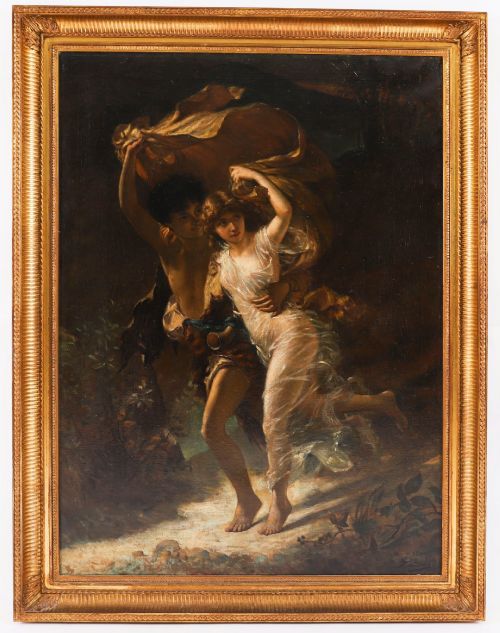
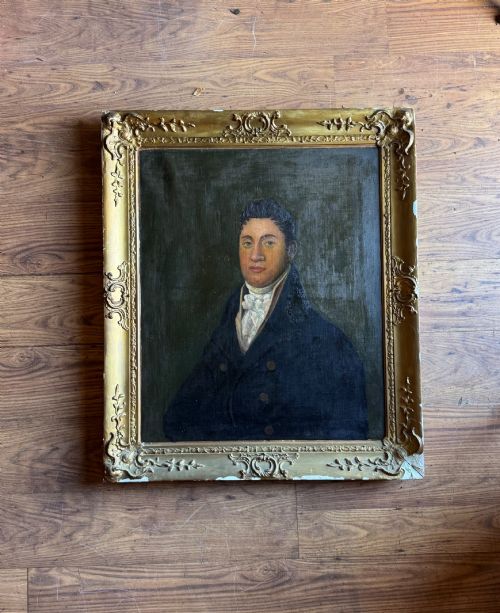
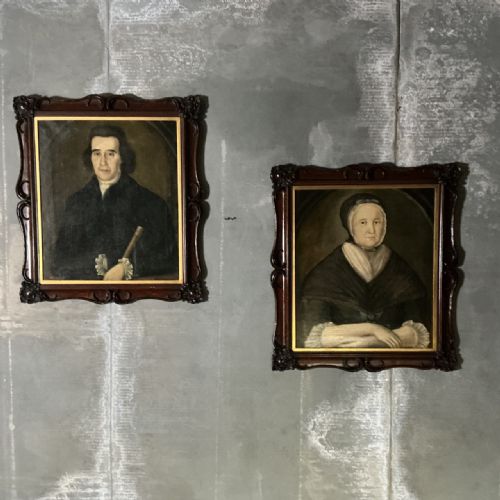
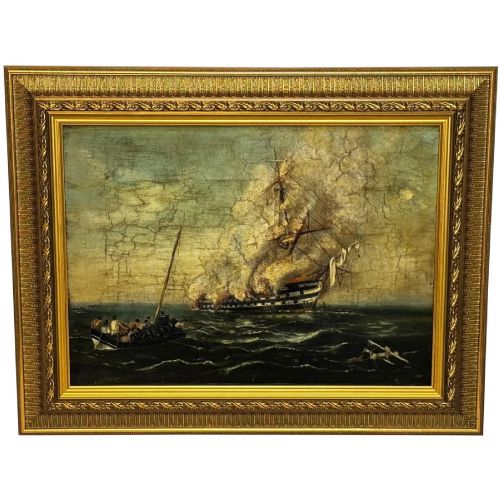
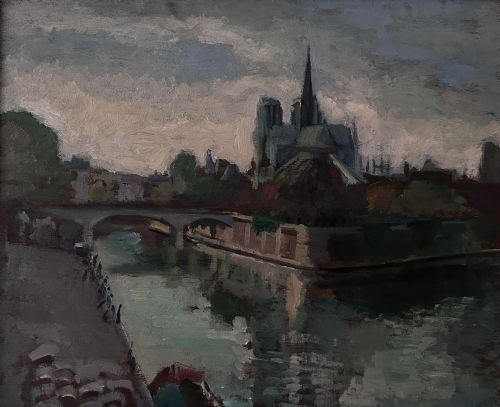
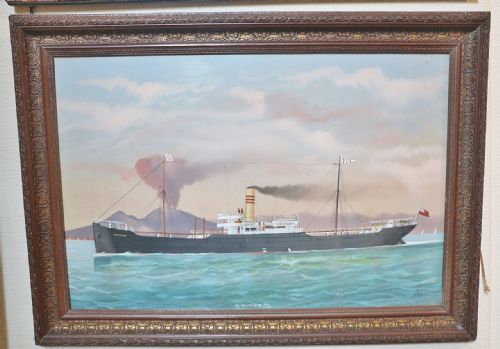
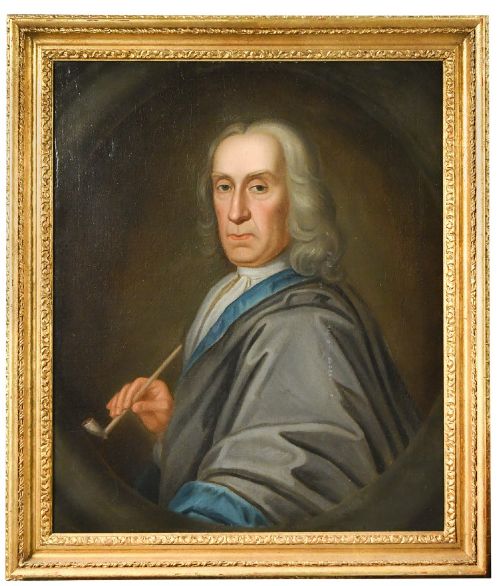
Dark art decor encompasses wall art, framed prints, oil paintings, and carved wooden panels originating from the Georgian and Victorian eras through to the early twentieth century. You will frequently encounter nineteenth-century animal portraits, maritime scenes, and folk art oil paintings that lean towards the uncanny.
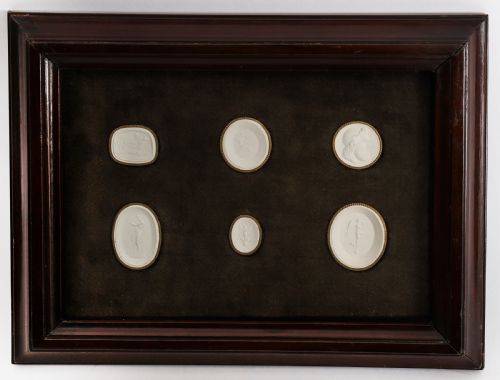
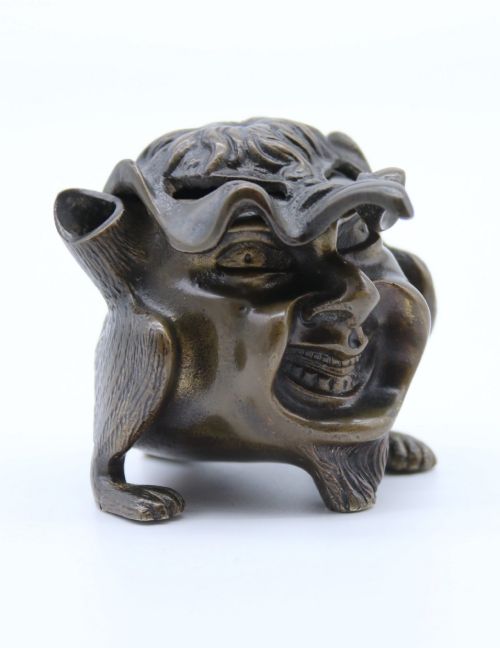
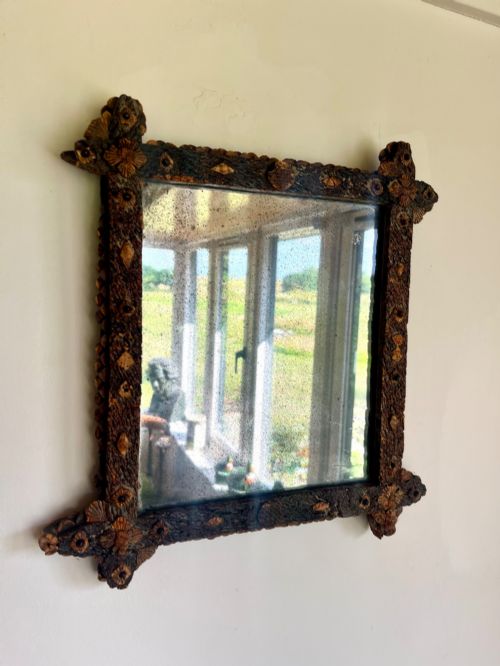
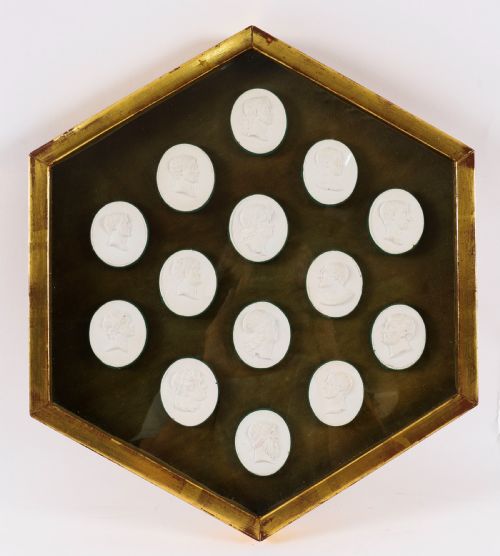
The selection ranges from bronze inkwells shaped as grotesque creatures to Black Forest carved bird of prey mirrors and antique intaglios. These objects reflect a historical fascination with the dramatic, the natural world, and theatrical historicism.
Most examples hail from British, French, and European workshops, utilising traditional formats like framed canvas, wood panels, and reverse glass printing. The unifying thread is an atmospheric intensity suited to eclectic interiors.
How they were made
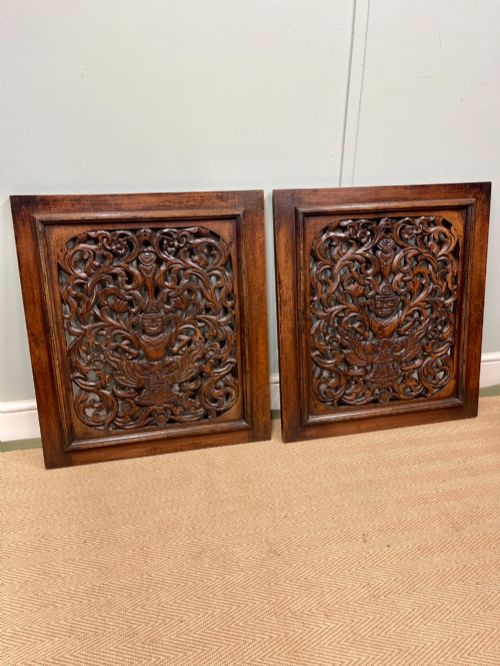
Makers utilised oil on canvas, timber, oak, bronze, and glass, applying techniques ranging from classical oil painting to intricate wood carving and copper relief work. Carved panels and Black Forest plaques demonstrate detailed hand-chiselling in solid wood.
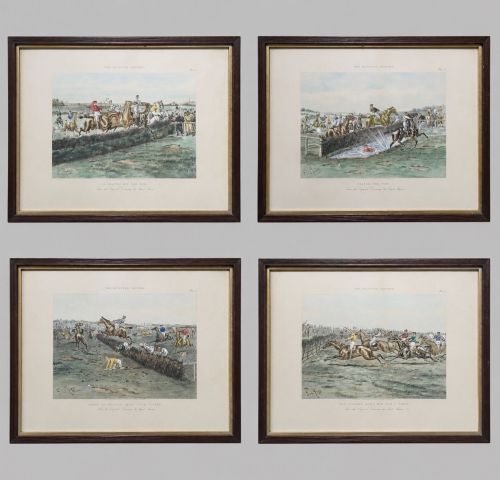
Metals were cast using traditional foundry methods to produce substantial items like bronze sculptures and cast iron coats of arms. Printmakers employed engraving, aquatint, and reverse glass printing to achieve sharp detail and rich tone.
Dark Art Decor Retail Price Guide 2026
Typical asking prices for dark art decor among the pieces listed under this phrase on Sellingantiques today, from the lower quarter to the upper quarter. They describe what is for sale here now, not the wider market.
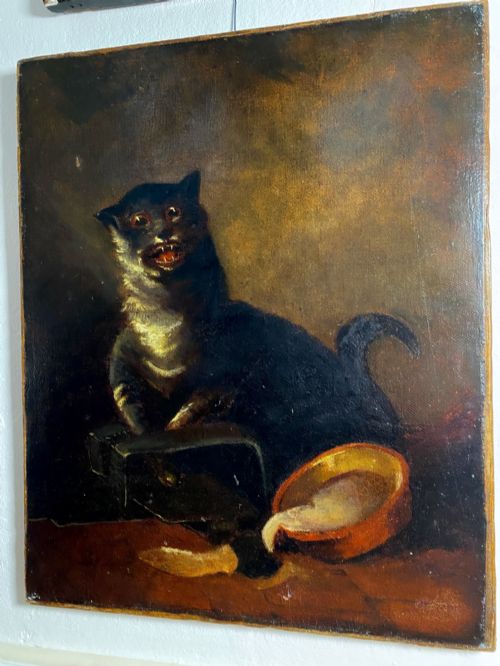
A demented cat stares eternally from nineteenth-century canvas, proving that historical pets could look just as unhinged as modern ones.
What varies in quality
Quality rests in the fidelity of the handwork, whether in the confident brushstrokes of an oil painting or the deep relief of a carved wooden panel. Superior pieces show anatomical precision and emotional depth, particularly in animal and human portraits.
The choice of medium and framing alters the presence of the piece, with original rosewood frames, silk brocade mounts, and patinated bronze elevating the stature of the work.
William Bird MD FLS·George Finch Mason·Arthur Hacker·Antonio Capellan·William Williams
The Dark Art Decor Glossary
- Oil on Canvas
- Pigment mixed with drying oil applied to stretched woven fabric. This medium allows for deep tonal variation and rich layering.
- Reverse Glass Painting
- An artwork painted directly onto the back of a glass panel and viewed from the front. The technique yields a luminous, preserved surface.
- Intaglio
- A gem or stone carved with a depressed design. Grand Tour collectors gathered these miniature carvings as tokens of classical education.
- Folk Art
- Objects created by self-taught or vernacular makers outside academic traditions. These pieces prioritise expressive character over strict proportion.
- Aquatint
- A printmaking technique that produces tonal areas resembling watercolour washes. It was frequently utilised for sporting and illustrative prints.
Dark Art Decor: Frequently Asked Questions
What defines dark art decor?
Dark art decor encompasses historical pieces with dramatic, moody, or eccentric subject matter, including nineteenth-century animal studies, folk art paintings, and grotesque bronze sculptures.
These items share a moody theatricality that contrasts with bright, minimal interiors, offering deep tones and striking historical narratives.
How were these decorative panels used?
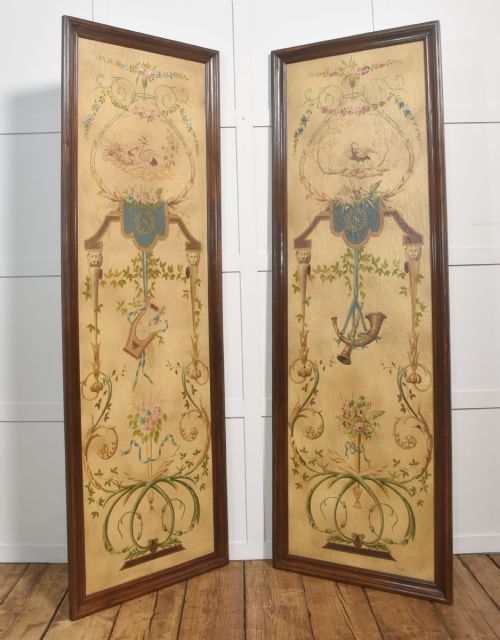
Carved wooden panels and decorative plaques were designed to mount directly onto interior walls, often serving as architectural accents in libraries or studies.
They added texture and thematic depth to domestic spaces, frequently featuring hunting motifs, natural history subjects, or neoclassical ornamentation.
How do I care for antique oil paintings?
Antique oil paintings require stable indoor humidity away from direct sunlight to prevent canvas degradation and pigment cracking. Dusting should be done gently with a soft, dry brush without applying moisture or cleaning solvents.
Professional conservation is recommended for any structural repairs to the canvas or the original wooden frame.
Are reverse glass prints fragile?
Reverse glass prints require careful handling because the delicate pigment layer sits unprotected on the back of the glass. Hanging them securely on stable walls protects them from knocks and temperature fluctuations.
Framing helps shield the vulnerable edges of the glass from chipping over time.