




Dark Academia Wall Painting
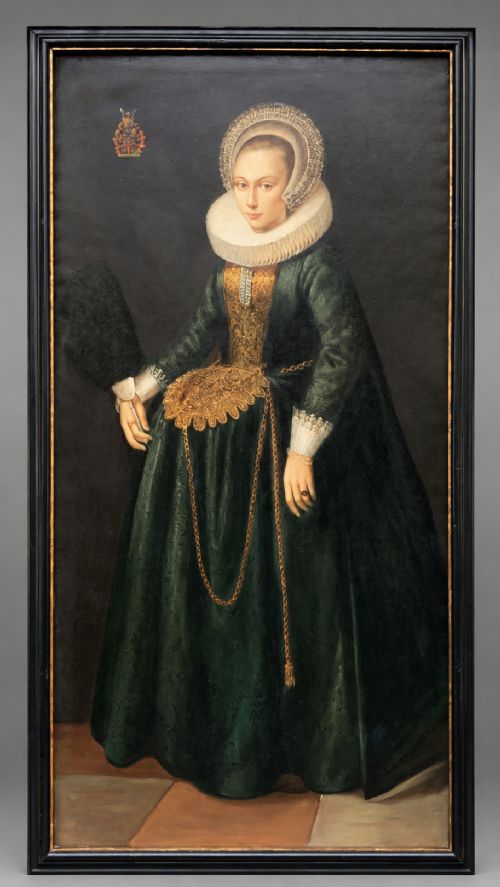
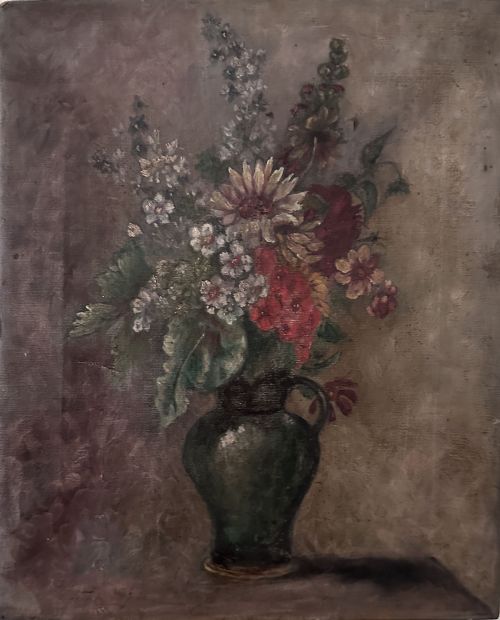
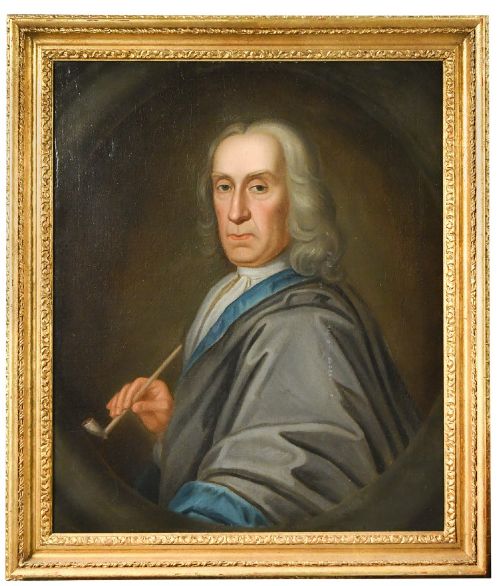
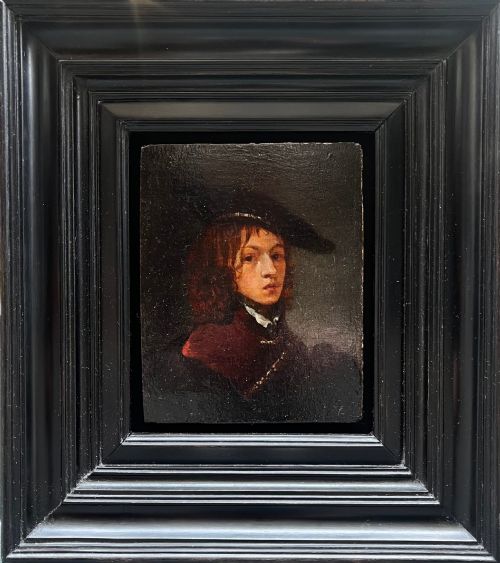
These dark academia wall painting examples bring moody oil portraits and solemn floral studies into the room, grounding a space in deep shadow and historic weight.
Dark Academia Wall Painting
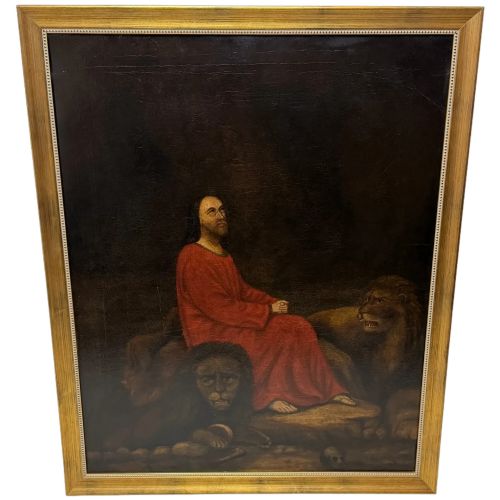
A dark academia wall painting typically presents solemn portraiture, moody still life compositions, and narrative scenes rooted in past centuries. These works draw the eye with heavy shadows, muted palettes, and solemn human subjects.
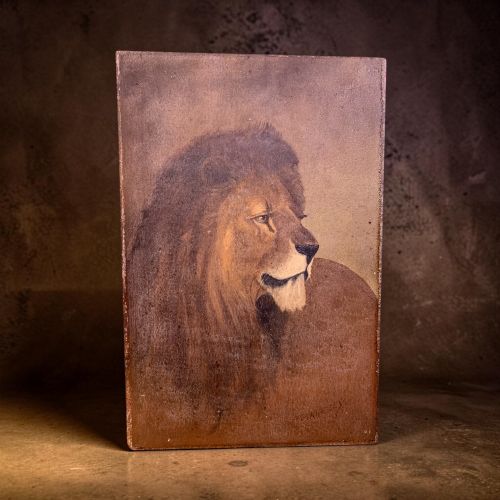
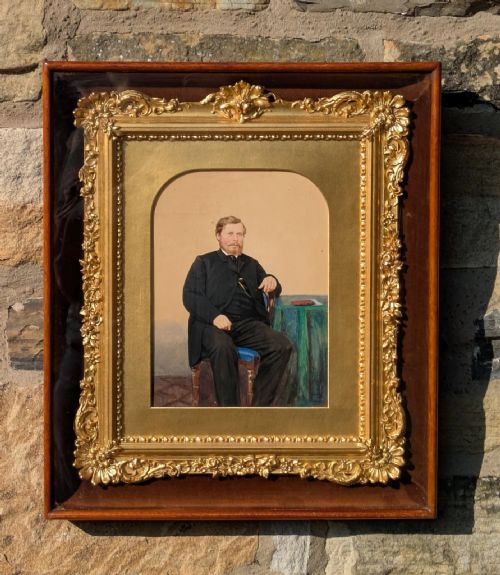
Buyers meeting this genre on the page encounter pieces stretching from the seventeenth century through to mid-century revivals. The selection leans heavily on oil on canvas, framed oil paintings, and timber wall panels depicting gentlemen, scholars, and natural specimens.
Origins span English, Dutch, German, and Spanish schools, bringing varied regional approaches to shadow and light. Portraits of gentlemen in ruffs sit alongside naive animal studies and floral arrangements set against dark grounds.
Materials and Technique
Makers built these works primarily using oil paint applied to woven canvas stretched over wooden frames, though occasional panels employ copper supports. The layering of translucent oil glazes over darker underpaintings achieves the signature depth and low-light atmosphere.
Frames play a crucial role in the physical structure, utilising heavy wood, gilt wood, and deep glazed box mounts lined with velvet. These surrounds protect the painted surface while intensifying the visual gravity of the artwork.
Dark Academia Wall Painting Retail Price Guide 2026
Typical asking prices for dark academia wall painting among the pieces listed under this phrase on Sellingantiques today, from the lower quarter to the upper quarter. They describe what is for sale here now, not the wider market.
Among the solemn gentlemen and scholars, a painted monkey and a larder of raw eggs and snails peer out from the shadows.
Assessing Quality
The distinction between ordinary and exceptional works rests in the handling of light, shadow, and anatomical precision within the brushwork. Superior portraits capture psychological presence and texture in fabrics like lace and wool, whereas lesser pieces rely on stiff lines and flat planes.
The integrity of the original support system and the preservation of the paint layer dictate the overall standing of a piece. Works retaining their initial canvas tension and period framing carry a greater historical coherence than those altered over time.
Cornelis van der Voort·James Archer·George Dowdney·John Scougall·Stephen Taylor·Otto Rothenburgh·Lemuel Francis Abbott
The Dark Academia Wall Painting Glossary
- Oil on Canvas
- Pigment mixed with drying oils applied to a woven fabric support. This method allows for subtle blending and deep tonal graduation.
- Gilt Wood
- Timber carved and coated with a thin layer of gold leaf or metallic powder. It provides a reflective border that contrasts with dark painted canvases.
- Still Life
- An artwork depicting inanimate subject matter, such as flowers, food, or instruments. These compositions often use dark backgrounds to make objects stand out.
- Naive Folk Art
- Painting created by artists without formal academic training. These pieces exhibit flat perspective and direct charm rather than classical proportion.
- Ruff
- A projected pleated collar worn in European fashion during the sixteenth and seventeenth centuries. Its bright white fabric creates a sharp focal point in dark portraits.
Dark Academia Wall Painting: Frequently Asked Questions
How do I hang a heavy oil painting safely?
Secure the hanging wire to heavy-duty D-rings screwed directly into the wooden stretcher bars rather than the frame alone. Use wall anchors rated for the weight of the piece to distribute the load evenly across the plaster or masonry.
Position the centre of the canvas at standard eye level to replicate gallery placement and reduce strain on the wall fixings.
What lighting suits dark academia art best?
Warm, low-wattage picture lights mounted directly above the frame highlight the rich tones of the oil paint without causing heat damage. Position lamps to cast light evenly across the surface while avoiding harsh glares on varnished sections.
Keep these works away from direct sunlight to prevent the canvas from drying out and the pigments from fading over time.
How do I identify a seventeenth-century portrait?
Examine the clothing, hairstyle, and facial accessories for period markers such as stiff linen ruffs, doublets, and dark academic robes. The palette typically relies on earthy umbers, siennas, and lead whites applied with a heavy emphasis on chiaroscuro.
Inspect the reverse of the canvas for aged wooden stretchers, historical wax seals, and early handwritten inscriptions denoting the sitter.
Can I mix different centuries of portraiture together?
Grouping portraits from the seventeenth, eighteenth, and nineteenth centuries creates a cohesive display when unified by dark backgrounds and heavy timber frames. Varying the sizes of the frames adds visual rhythm without disrupting the solemn mood of the wall.
Maintain consistent spacing between each piece to let individual subjects stand out within the broader arrangement.