




Dark Academia Oil Painting
These dark academia oil painting examples bring brooding seventeenth-century portraits and atmospheric nineteenth-century still lifes into any study.
Dark Academia Oil Painting
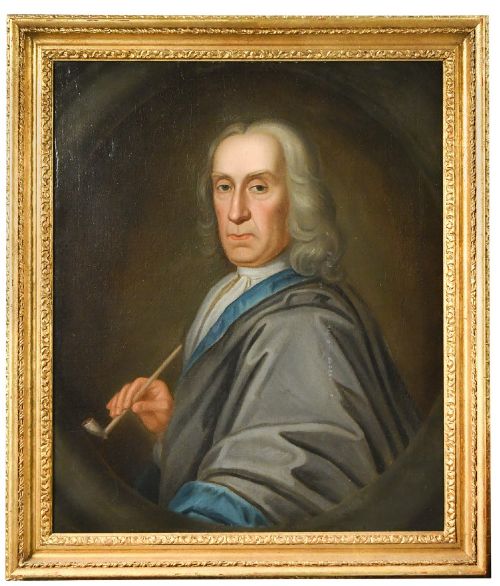
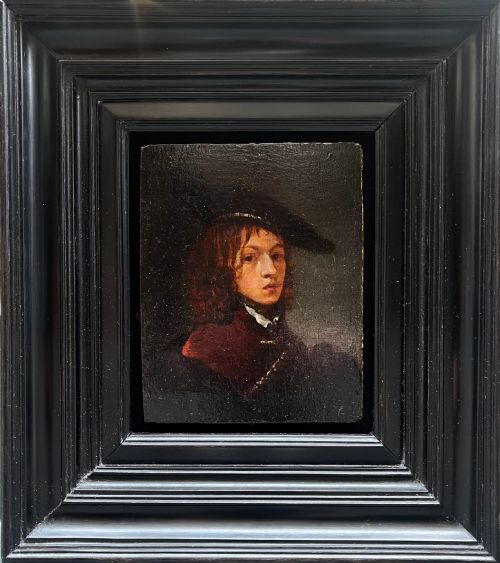
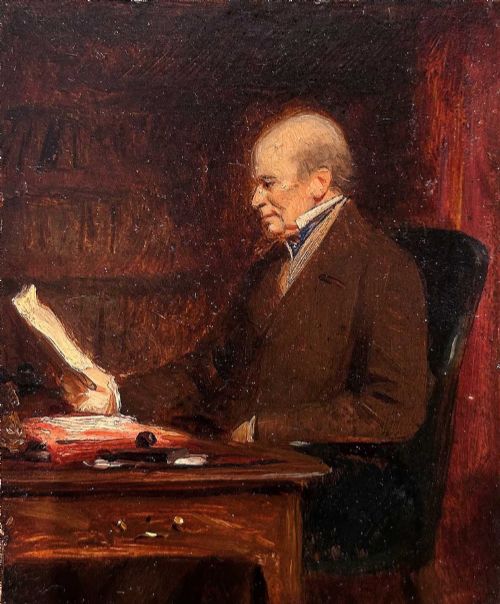
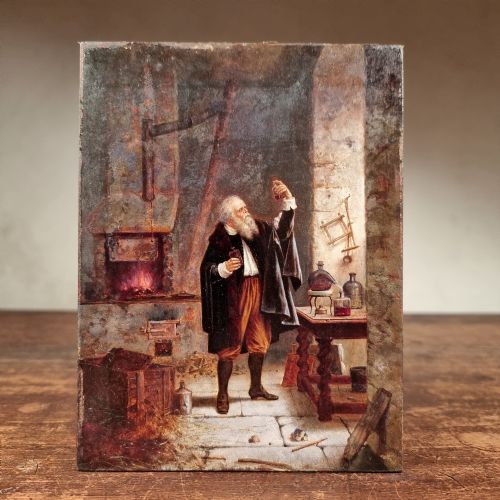
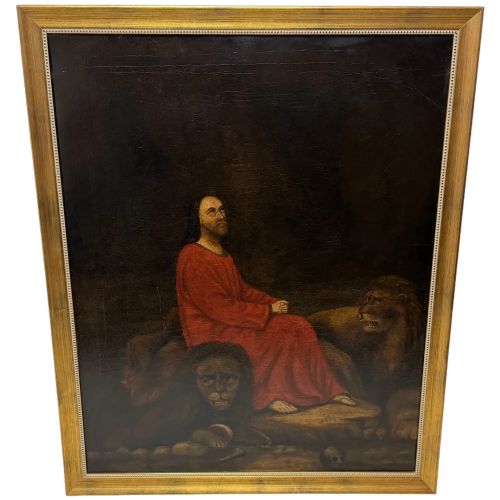
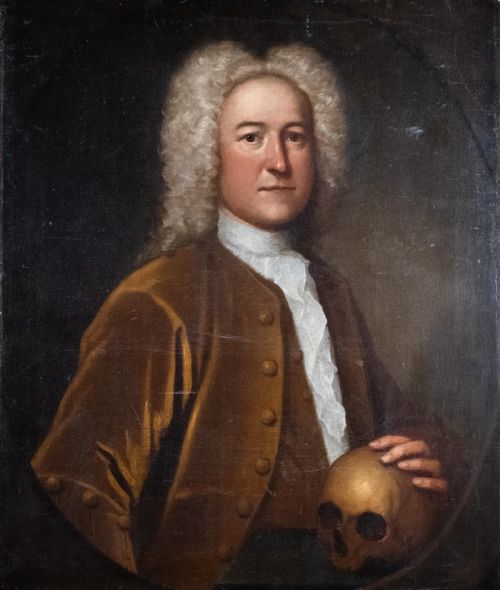
When you search for a dark academia oil painting, you find historical portraits, moody interiors, and still lifes that evoke a scholarly mood. These works span from the seventeenth century through the Victorian era, capturing subjects like gentlemen in ruffs, biblical narratives, and fading florals.
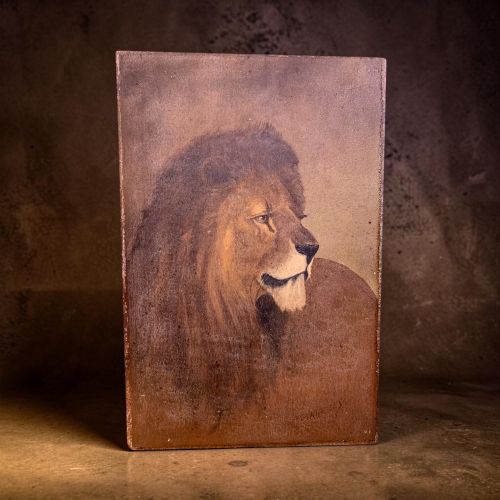
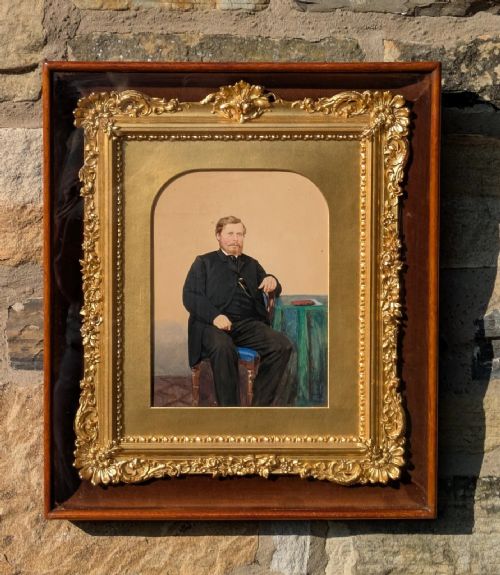
The selections available here lean heavily toward portraits of gentlemen, scientists, and clerics executed in muted palettes. You also encounter framed artwork featuring naive folk art animals and detailed still lifes containing books or larder elements.
How they were made
Artists built these compositions primarily using oil paint applied to canvas, wood panels, or copper plates. Many works incorporate traditional supports such as stretched canvas or sturdy timber boards prepared for layering rich pigments.
Giltwood, gold leaf, and gesso feature prominently in the framing and mounting of these historic pieces. These ornamental elements provide the heavy, burnished borders typical of period frames.
Dark Academia Oil Painting Retail Price Guide 2026
Typical asking prices for dark academia oil painting among the pieces listed under this phrase on Sellingantiques today, from the lower quarter to the upper quarter. They describe what is for sale here now, not the wider market.
Listings feature works created across multiple centuries, ranging from seventeenth-century Dutch school panels to twentieth-century still lifes on canvas.
What varies in quality
The sophistication of brushwork and anatomical precision distinguish the more accomplished works from simpler folk art pieces. A master's hand shows in the subtle play of light across a subject's face or the careful rendering of textiles in a paneled interior.
The preservation of the original paint surface and the historical integrity of the matching frame influence the standing of each piece. Intact nineteenth-century deep glazed box mounts or original gilt frames elevate the overall presentation.
Stephen Pearce·Niels Wiwel·Herbert Butler·George Dowdney·John Scougall·Stephen Taylor·Otto Rothenburgh·Lemuel Francis Abbott
The Dark Academia Oil Painting Glossary
- Oil on canvas
- Pigment mixed with drying oil applied to a woven fabric support stretched across a wooden frame. This remains the most common medium seen in these historical works.
- Gesso
- A plaster-like mixture applied to wood or canvas to prepare a smooth surface for painting or gilding. It frequently forms the base of ornate period frames.
- Giltwood
- Timber coated with gold leaf or a gold-colored metallic finish. This material defines the heavy decorative frames often housing these portraits.
- Vanitas
- An artwork style featuring symbols of mortality and human vanity, such as skulls or rotting fruit. These pieces encourage reflection on the transient nature of earthly life.
Dark Academia Oil Painting: Frequently Asked Questions
What is a dark academia oil painting?
These works are historical oil paintings depicting serious subjects like scholarly gentlemen, dark still lifes, and nineteenth-century narratives.
They rely on rich, moody tones that fit naturally into wood-paneled rooms and book-filled studies.
How do I hang a heavy framed oil painting?
These antique pieces often feature substantial giltwood and gesso frames that require secure wall anchors. Ensure your fixings support the full weight directly into wall studs.
Keep them away from direct sunlight and moisture to protect the historic canvas and paint layers.
How can I tell the period of an oil painting?
You can date a piece by examining the stretcher bars, canvas weave, and the style of the subject's clothing or hair. Seventeenth-century subjects often wear ruffs, while eighteenth-century portraits show distinct Georgian tailoring.
Framing styles also offer strong clues, as Victorian shadow boxes and deep gilt mounts match specific decades.
Where were these historical portraits painted?
The pieces originate from various European schools, including Dutch, Scottish, English, German, and Danish workshops. Each regional school maintained distinct approaches to portraiture and still life composition during its era.
Artists trained in local traditions, capturing the likenesses of contemporary figures, scholars, and clergy.