


Daisy Makeig Jones Lustre
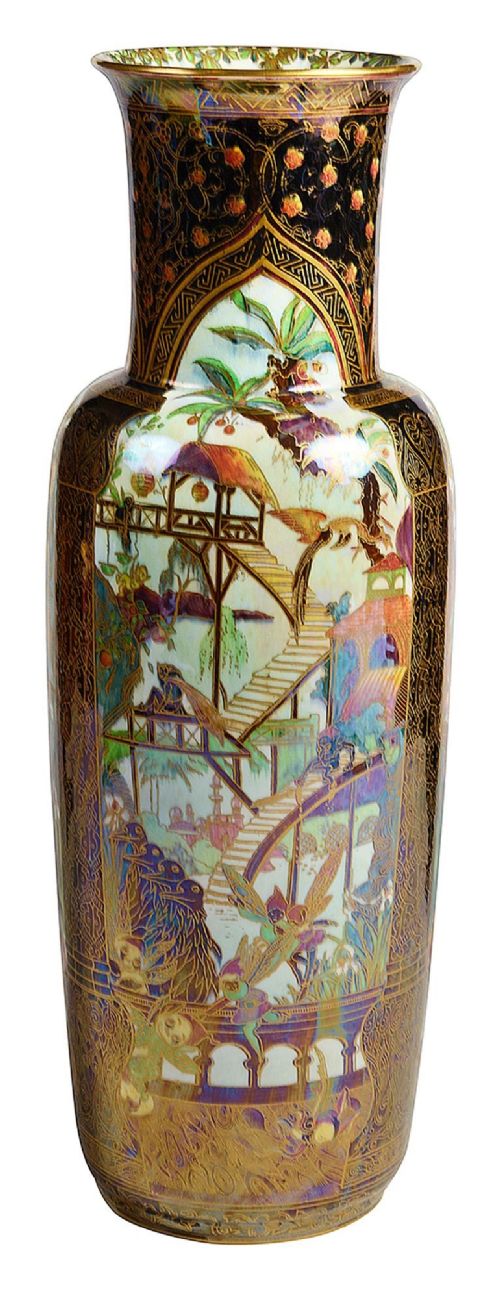
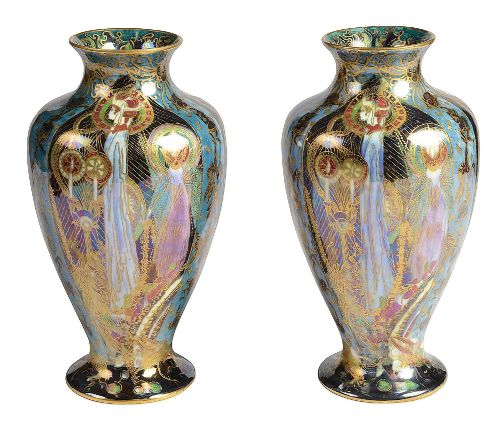
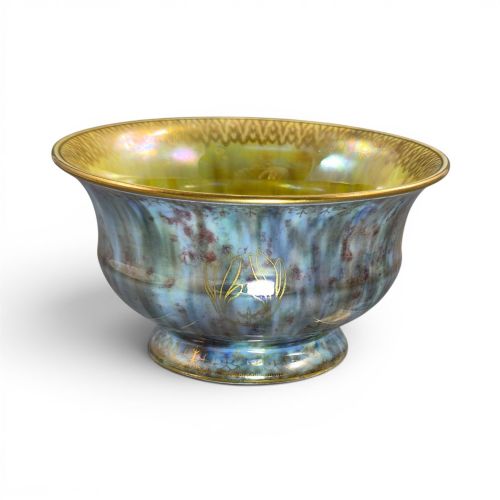
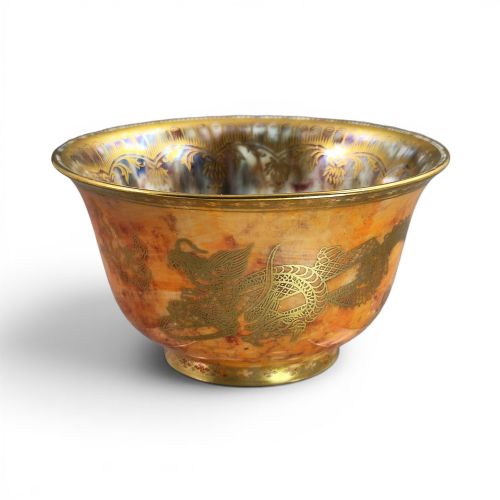
Daisy Makeig Jones lustre brings fantastical scenes and iridescent surfaces together on porcelain and bone china, created during the Edwardian and Art Deco periods.
Daisy Makeig Jones Lustre
When searching for daisy makeig jones lustre, collectors encounter distinctive decorative ceramics designed for display and ornamental use. These items emerge primarily from the Edwardian era through the 1920s.
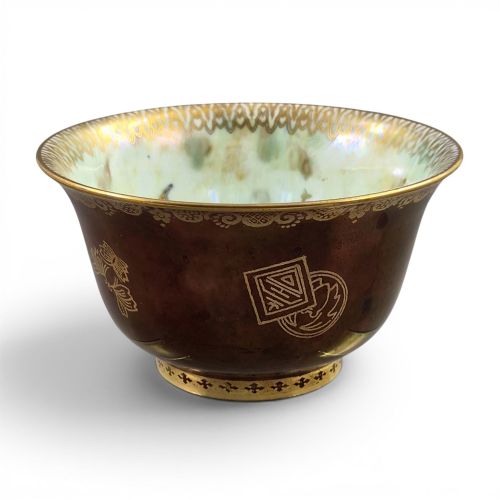
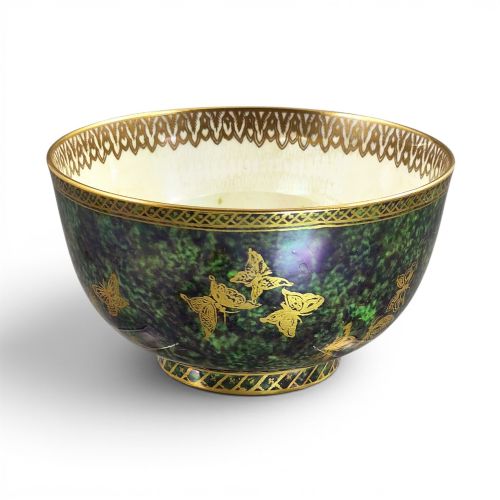
The selection centres heavily on decorative bowls, ranging from miniature examples to large octagonal and footed forms. Vases, miniature cups, and three-handled mugs also appear across the listings.
Many examples belong to the renowned Fairyland series, while others showcase ordinary lustre designs. Mythological motifs such as dragons, phoenixes, and fairies dominate the visual vocabulary.
How they were made
The production relies on porcelain and bone china bodies shaped into vessels and plates. These clay bodies provide a smooth, refined surface suitable for intricate detailing.
Makers applied specialised lustre glaze to achieve shimmering, iridescent effects across the ceramic body. Gold leaf, gilt, and gilding were incorporated to highlight specific motifs and borders.
Listings feature porcelain and bone china decorated with gold leaf, lustre glaze, and gilding across the Edwardian period and the 1920s.
What varies in quality
The complexity of the narrative design separates standard production from exceptional examples. Elaborate Fairyland scenes with multiple mythic figures demand greater artistic execution than simpler geometric or single-motif patterns.
The richness and depth of the metallic lustre glaze influence the visual impact of each piece. Controlled application of gold leaf and gilding enhances the overall brilliance of the finished object.
Wedgwood
The Daisy Makeig Jones Lustre Glossary
- Lustre Glaze
- A type of ceramic glaze containing metallic oxides that produce an iridescent, reflective sheen upon firing. This technique creates the characteristic rainbow effect seen on the surface of these wares.
- Fairyland
- A specific thematic series of fantastical designs featuring elves, fairies, and imaginary landscapes. These elaborate patterns represent the height of the designer's creative output.
- Bone China
- A type of soft-paste porcelain incorporating animal bone ash for strength and translucency. It forms a delicate yet durable base for detailed polychrome painting.
- Octagonal Bowl
- A vessel shape featuring eight distinct sides rather than a standard circular profile. This geometric form provides multiple flat planes for exhibiting narrative artwork.
- Gilding
- The application of gold leaf or gold paint to ceramic surfaces to accent rims and motifs. This decorative finishing adds contrast against the colourful lustre background.
Daisy Makeig Jones Lustre: Frequently Asked Questions
What is Fairyland lustre?
Fairyland lustre refers to a distinctive range of ceramics decorated with fantastical scenes of elves, fairies, and mythical creatures. These patterns were conceived during the early twentieth century and applied over iridescent glazes.
Such pieces are celebrated for their intricate storytelling and complex coloration. They represent the most sought-after category within this designer's output.
How were these items used?
These ceramics served primarily as ornamental and decorative display pieces rather than utilitarian tableware. Their elaborate gilding and iridescent surfaces were intended to catch the light in domestic interiors.
Owners typically exhibited them on mantelpieces, sideboards, or in dedicated cabinets. Miniature cups and small bowls also functioned as cabinet pieces for close inspection.
How do I care for my lustre?
Lustre ceramics require gentle handling to preserve the delicate metallic glazes and gold leaf accents. Dusting with a soft, dry cloth is recommended over washing.
Exposure to harsh cleaning agents or abrasive materials should be avoided entirely. Keeping pieces away from direct, prolonged sunlight helps protect the vibrant colours.
How do I identify the pattern?
Patterns can often be identified by examining the central narrative motifs, such as flying hummingbirds, dragons, or floating figures. Many items also feature pattern numbers painted on the underside.
Reference guides document these specific numbers and names to help match designs like the Fairyland series. Comparing the primary creature or landscape against known classifications confirms the specific pattern.