



Cut to Clear Glasses
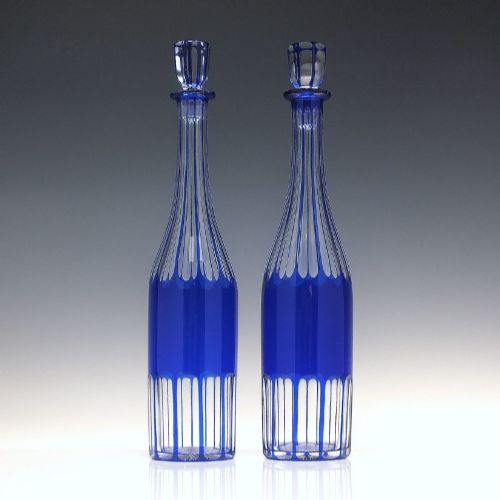
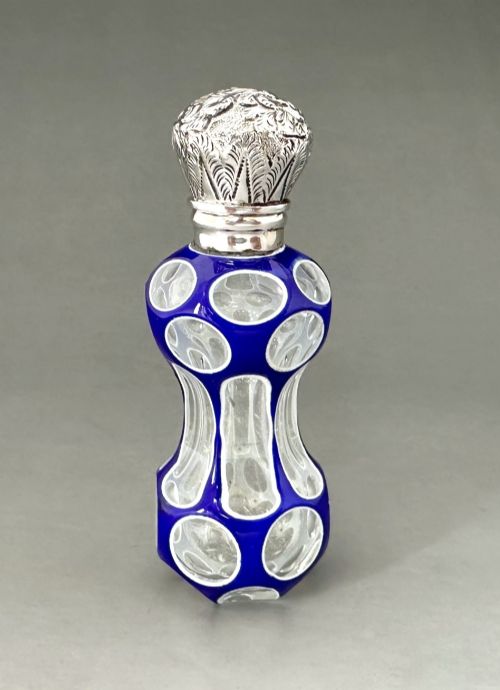
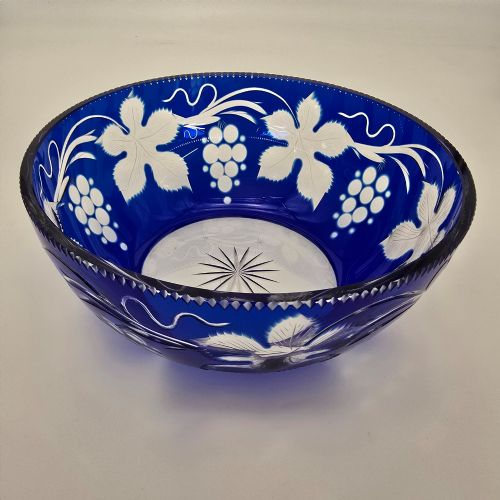
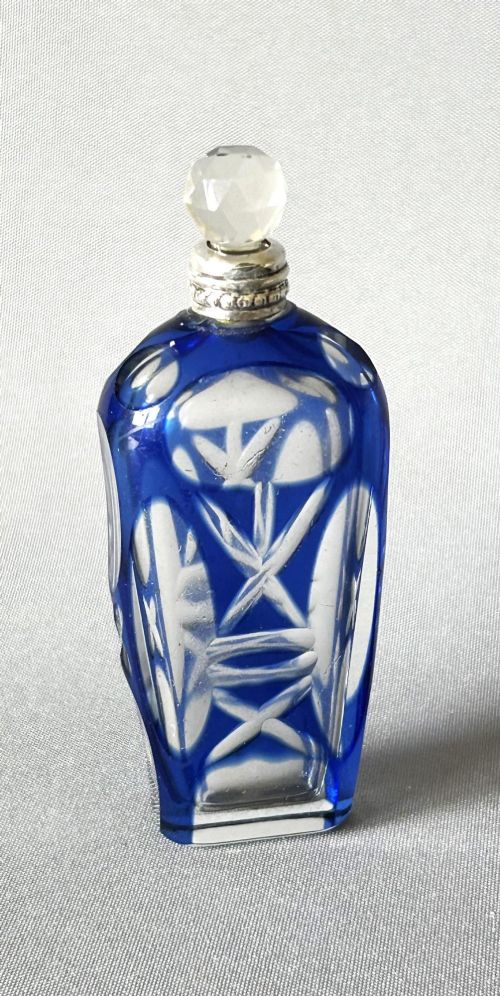
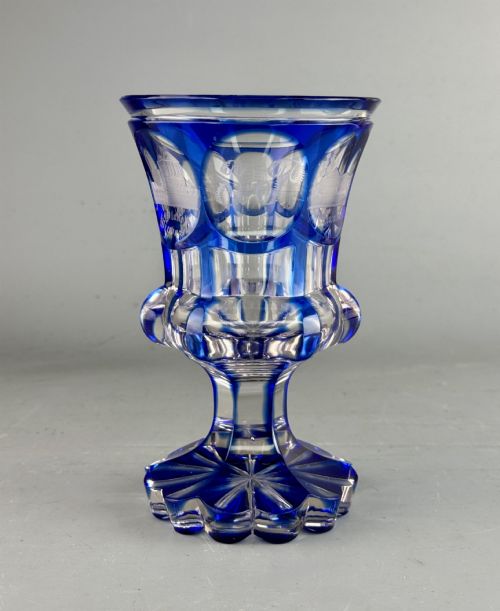
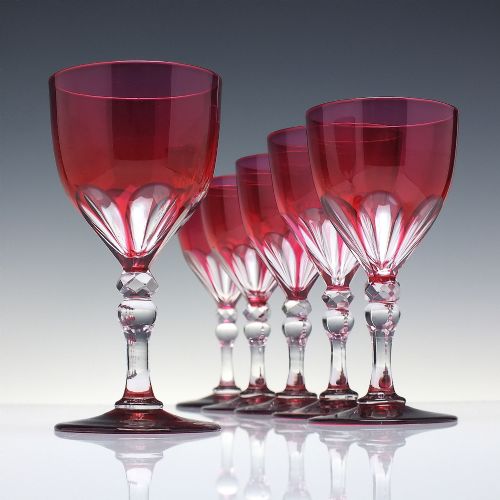
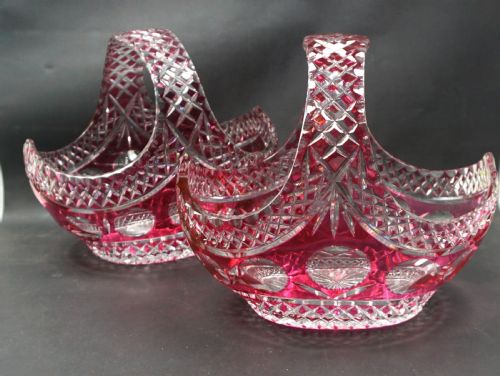
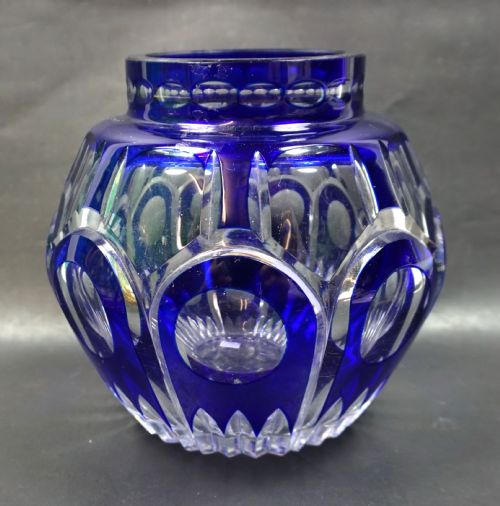
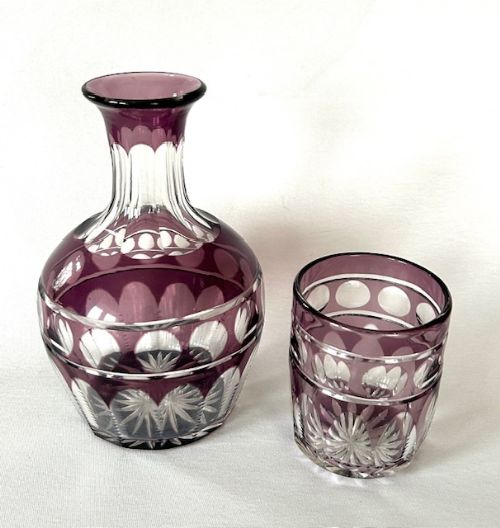
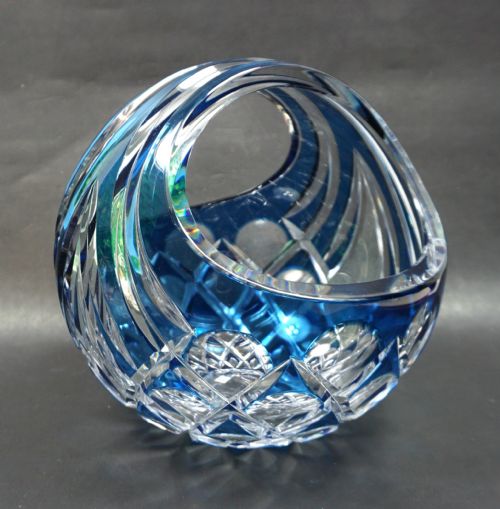
Cut to clear glasses are striking pieces of layered glassware, prized for their sharp geometric facets that reveal a contrasting inner layer.
Cut to Clear Glasses
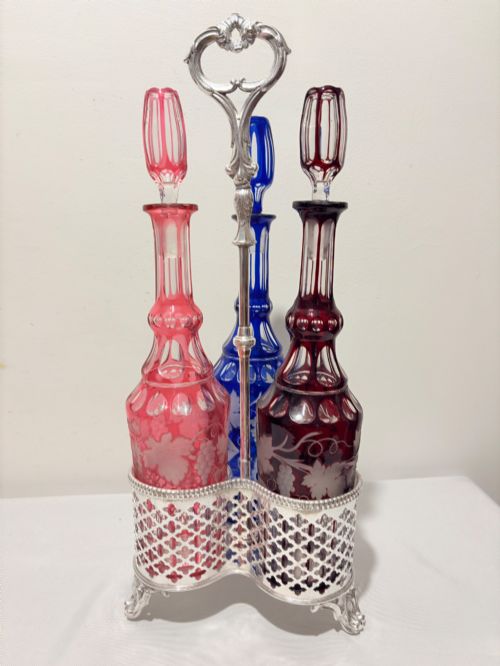
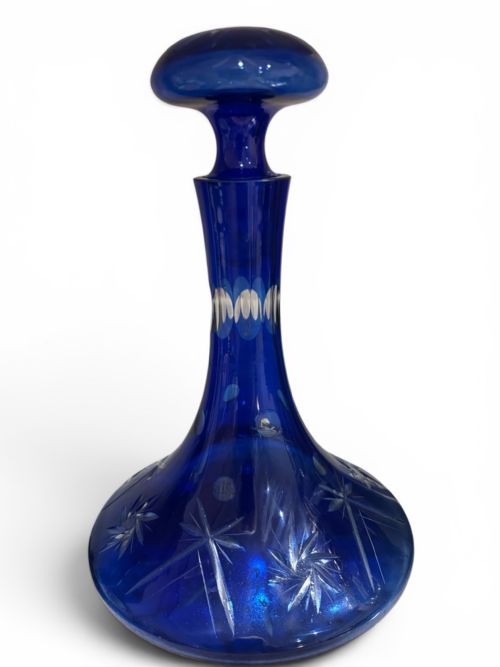
Cut to clear glasses involve heavy lead crystal or glass formed with a distinct coloured outer layer over a transparent body. When you examine these items, you will find forms ranging from wine glasses and hock glasses to larger vessels like vases, decanters, bowls, and baskets.
The pieces appearing on this page span the Victorian era through the Art Deco period, with notable representation from Bohemian and Belgian workshops. You are most likely to encounter richly coloured examples in ruby, cranberry, and cobalt blue alongside amber and yellow variants.
Makers from Victorian England and continental workshops utilised this double-layer technique to create striking visual contrast on everyday vessels and display items alike.
How they were made
The creation of these objects begins with cased glass, where a gather of clear molten glass is dipped into a molten bath of coloured glass to fuse the two layers. Craftsmen then subjected the cooled blank to wheel-cutting, slicing deeply through the coloured exterior to expose the transparent crystal beneath.
Artisans applied precise geometric cuts, flutes, and panels across the surface, sometimes adding supplementary wheel-engraved motifs such as florals or gilded highlights. The thickness of the original overlay determined the depth and sharpness of the final facet work.
Cut to Clear Glasses Retail Price Guide 2026
Typical asking prices for cut to clear glasses among the pieces listed under this phrase on Sellingantiques today, from the lower quarter to the upper quarter. They describe what is for sale here now, not the wider market.
Listings feature lead crystal and cased glass across Victorian and Art Deco periods, created in forms from delicate champagne coupes to heavy vases.
What varies in quality
The distinction between ordinary and exceptional work rests primarily on the depth of the wheel cut and the clarity of the underlying crystal. Superior examples display crisp, sharp facet edges that create precise geometric boundaries between the coloured overlay and the clear base.
Weight and balance also set finer items apart, as heavy lead crystal provides a more resonant ring and allows for deeper, more intricate cutting without compromising the structural integrity of the vessel.
Val St. Lambert·Joseph Simon·Charles Graffart·Moser Crystal·Otto Prutscher
The Cut to Clear Glasses Glossary
- Cased glass
- A method of fusing two or more distinct layers of glass together while molten. This technique forms the essential blank needed for subsequent cutting.
- Overlay
- The outer layer of coloured glass applied over a clear crystal body. Cutting through this layer creates the signature contrasting pattern.
- Hock glass
- A tall-stemmed wine glass traditionally used for German white wines. These often feature elaborate panel cutting along the bowl and stem.
- Tazza
- A shallow ornamental bowl raised on a stem and foot. They appear frequently in coloured overlay glass as centrepiece display items.
- Zip cut
- A series of parallel vertical cuts running up the stem or body of a glass. This specific motif provides both grip and visual texture.
Cut to Clear Glasses: Frequently Asked Questions
How do I identify a cut to clear glass?
Look closely at the surface facets where the coloured glass has been carved away to expose the transparent layer underneath. Running a finger across the design will reveal distinct tactile edges between the coloured exterior and the clear crystal.
Heavier weight and sharp, precise geometric cuts typically indicate genuine layered crystal rather than surface-stained or painted alternatives.
What periods are these glasses from?
The pieces seen here date primarily from the nineteenth and early twentieth centuries, spanning the Victorian era through Art Deco styles. Victorian and Bohemian examples often feature rich cranberry or cobalt hues with deep panel cutting.
Later twentieth-century works from makers such as Val St. Lambert bring cleaner modernist lines while maintaining the traditional cased glass technique.
How were these glasses used originally?
Many of these items served functional roles at the dining table, including wine glasses, champagne flutes, decanters, and water carafes. Coloured hock glasses were particularly popular for serving specific vintages during formal Victorian and Edwardian dinners.
Larger forms like baskets, vases, and tazzas functioned as decorative centrepieces or scent bottle containers for drawing rooms and dressing tables.
How should I clean and care for them?
Wash these items gently by hand using lukewarm water and mild detergent, avoiding harsh scrubbers that might scratch the surface or wear any gilt highlights. Placing them in a modern dishwasher can cause thermal shock and permanent clouding to older crystal.
Dry them immediately with a lint-free cloth to maintain the brilliance of the faceted crystal and prevent water spots from forming on the polished surface.