
Cut Crystal Pendant Light
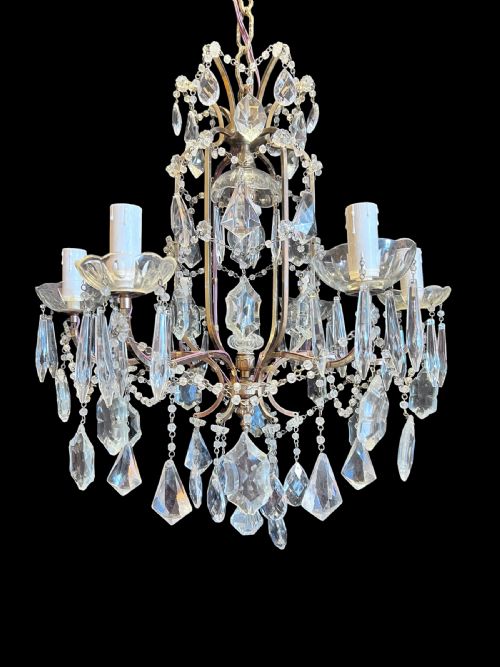
These cut crystal pendant light fixtures bring sharp refractions and steady illumination to a room, cast from Edwardian workshops and twentieth-century French foundries.
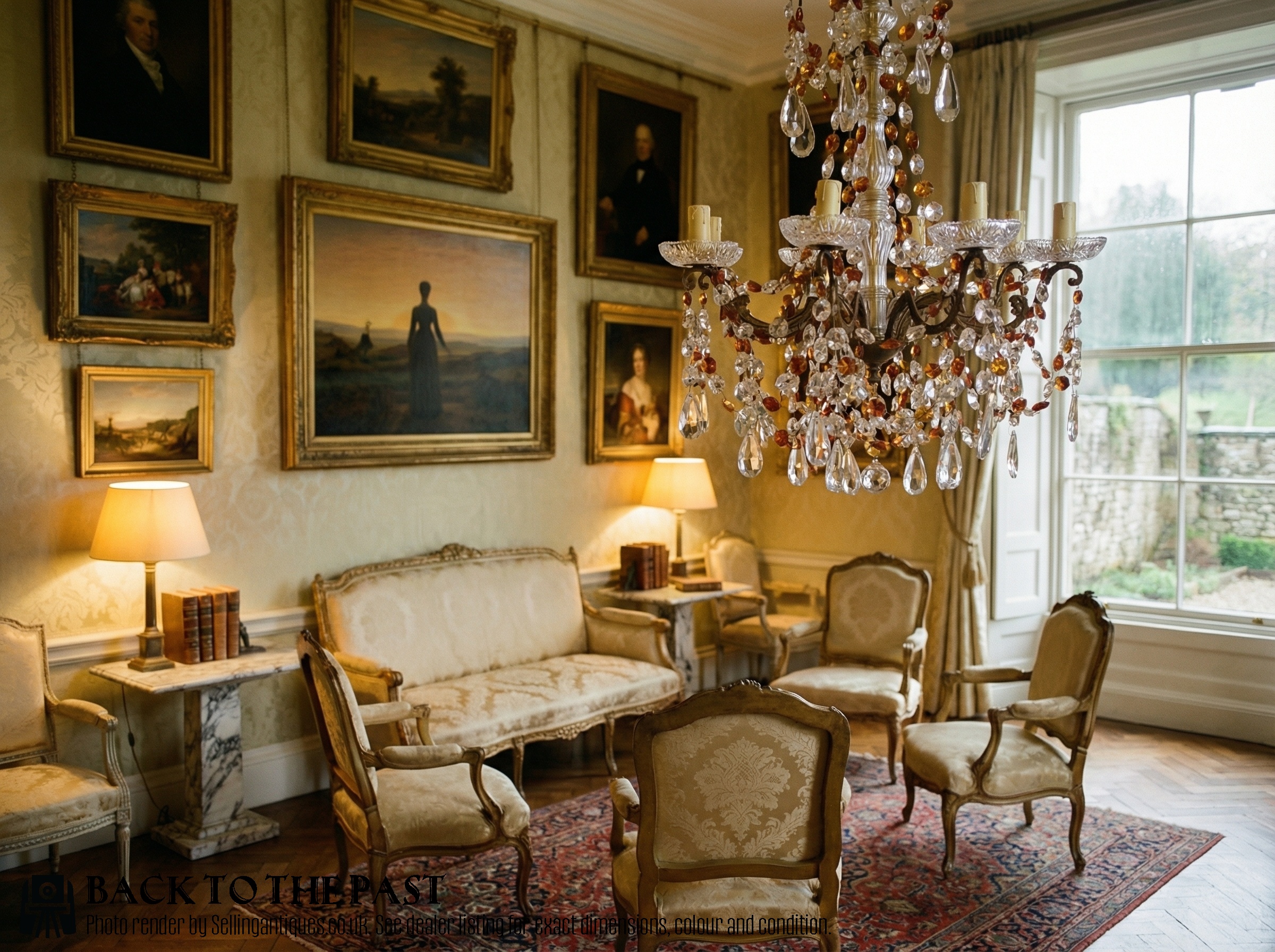
Cut Crystal Pendant Light
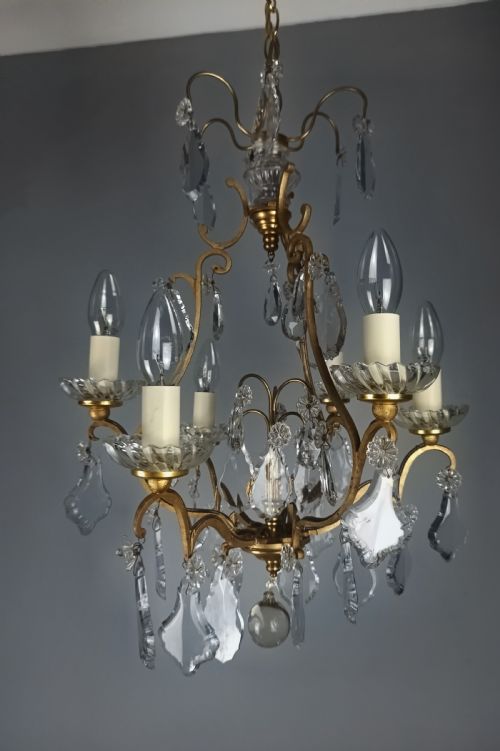
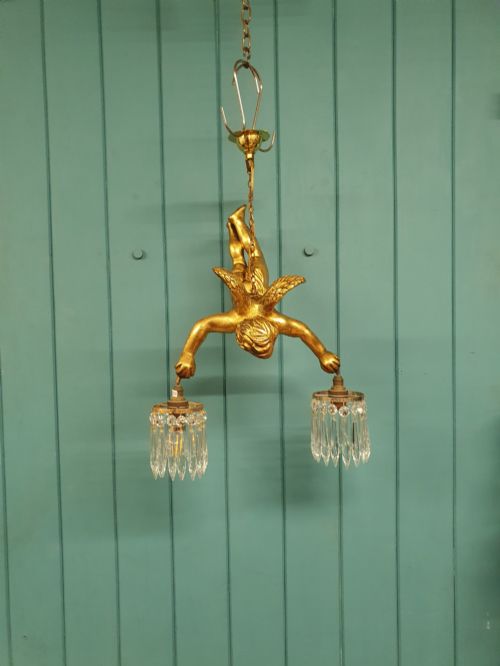
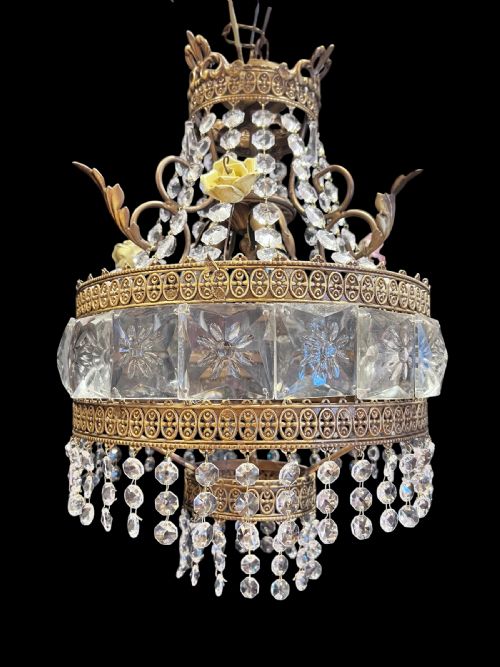
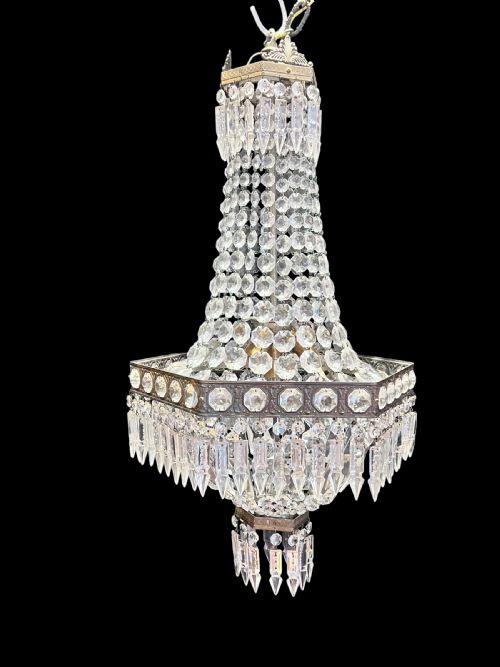
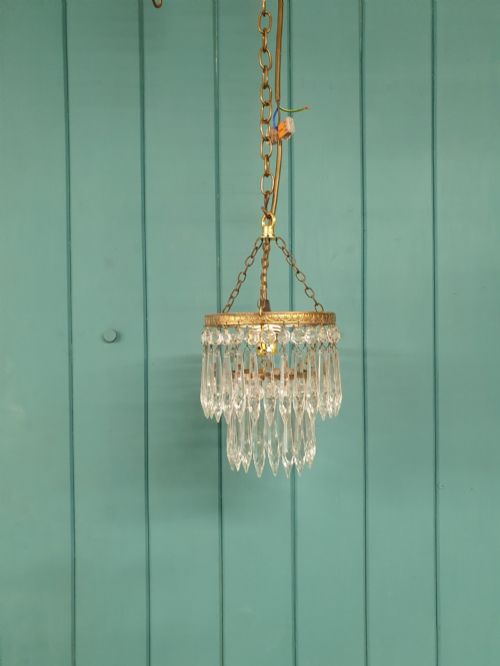
A cut crystal pendant light brings together precision-cut glass components and metal framing to suspend illumination from the ceiling. When searching this phrase, buyers encounter hanging fixtures that range from compact Edwardian ceiling pendants to expansive French basket and tent designs.
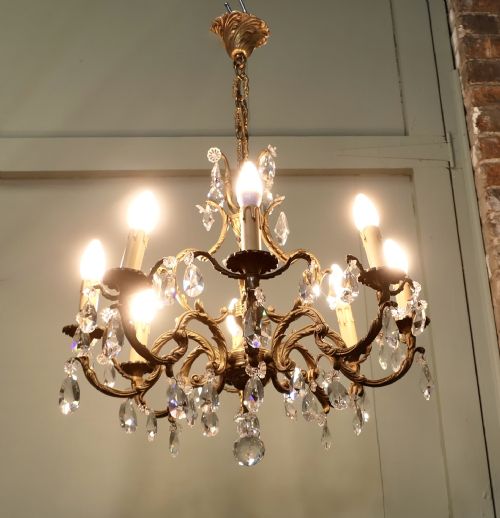
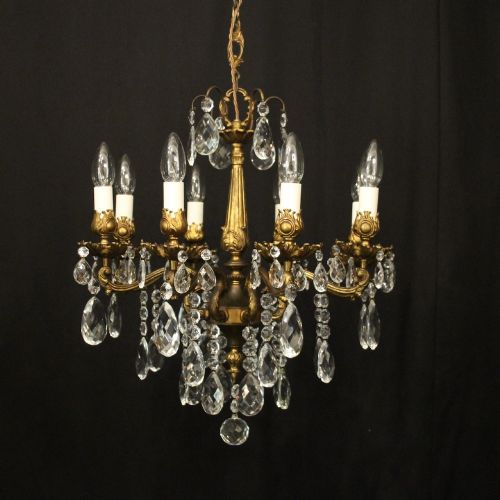
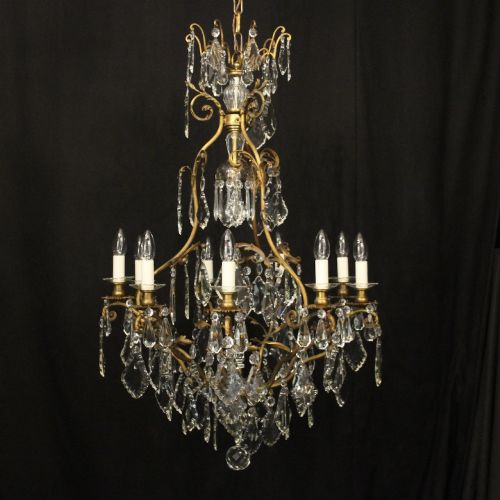
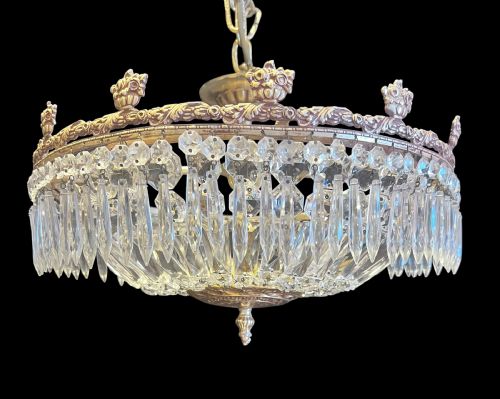
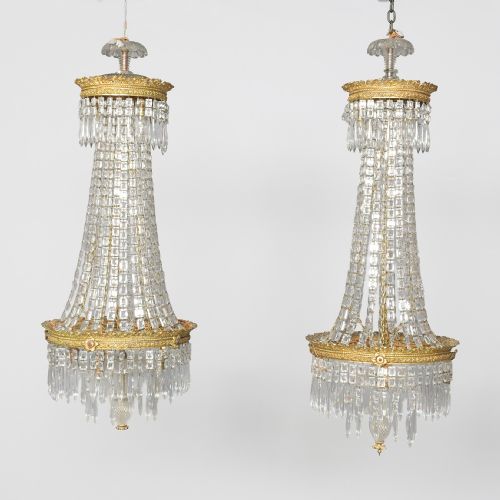
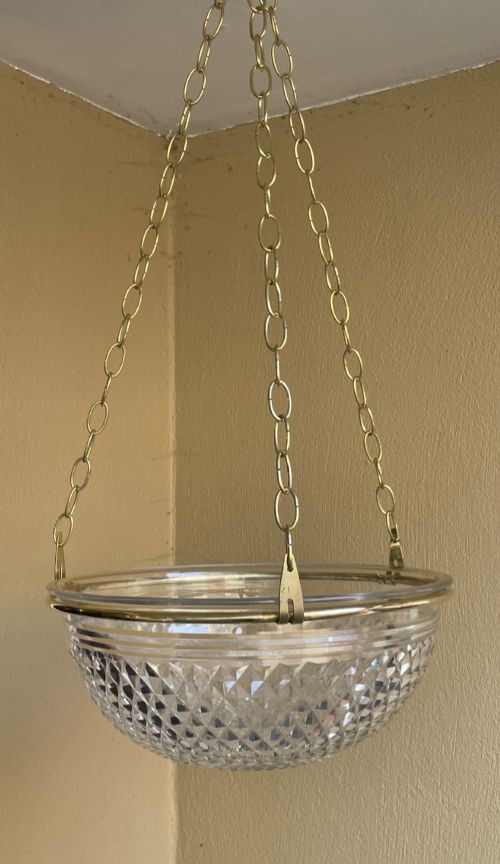
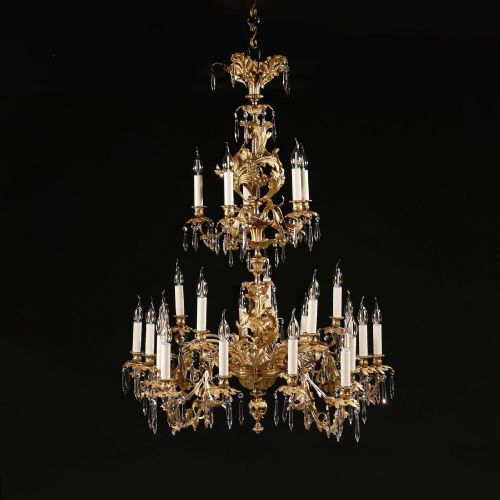
The most frequent examples on this page are Edwardian cut glass ceiling pendants paired with original brass galleries, alongside early twentieth-century French chandeliers hung with crystal lustres. These objects utilise brass, gilt bronze, and silver-plated mounts to secure faceted glass beads, domes, and spikes.
Forms stretch from simple single-light pendant fixtures to multi-arm chandeliers spanning Italian and Louis Revival styles. Surviving pieces demonstrate the enduring popularity of decorative glasswork across domestic interiors from the nineteenth century into the 1930s.
Materials and construction
Makers formed these fixtures by combining cast brass, gilt bronze, and silver-plated metalwork with hand-cut glass and crystal components. Metal frames, bands, and decorative galleries provide the structural skeleton that supports chains of faceted beads, drops, and large crystal bowls.
Glass elements received their decorative facets through mechanical or hand-cutting wheels, producing sharp edges that catch and disperse light across a room. Individual drops and prisms hang from brass pins or wire ties, swinging freely within the metal framework of the pendant or chandelier.
Listings feature pieces spanning the 19th Century, Edwardian period, 1900, 1920, and 1930.
Assessing quality in cut crystal pendant light designs
Quality rests upon the clarity of the crystal and the crispness of the facet cutting, which dictates how cleanly the glass splits light. Superior examples employ heavy lead crystal with deep, sharp cuts rather than mould-pressed glass with rounded edges.
The construction of the metal mountings and galleries marks the difference between standard production and finer workshops. Cast brass with detailed chasing, lion masks, or original decorative galleries indicates a higher grade of manufacture than plain spun metal rings.
The Cut Crystal Pendant Light Glossary
- Plafonnier
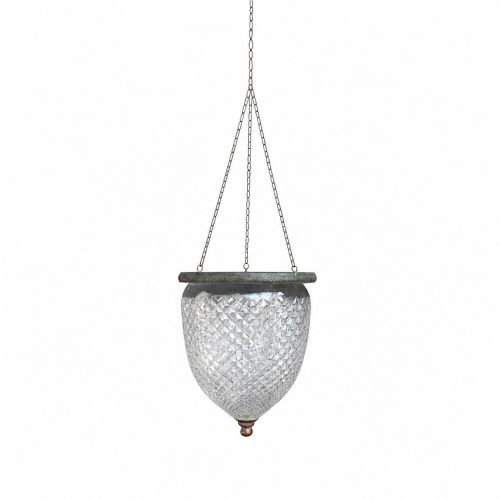
- A ceiling-mounted light fixture that sits flush or hangs very close to the ceiling surface. These pieces often feature a bowl or dome of cut glass secured by a metal rim.
- Tent chandelier
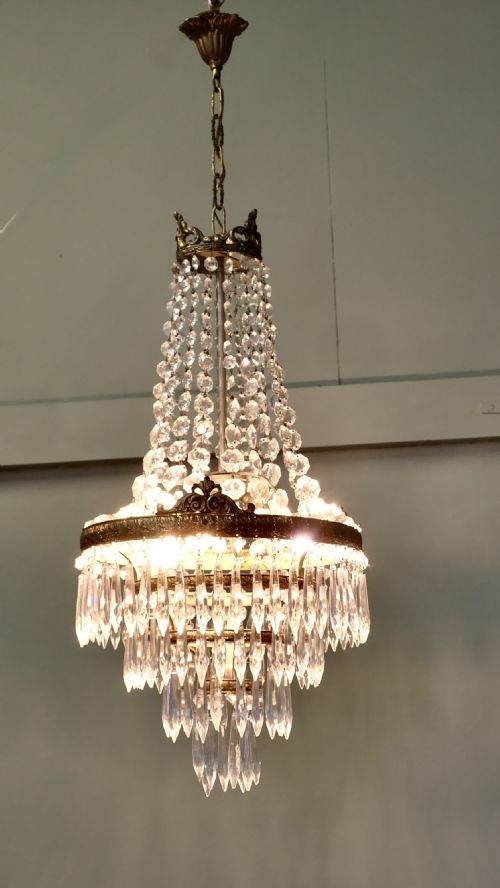
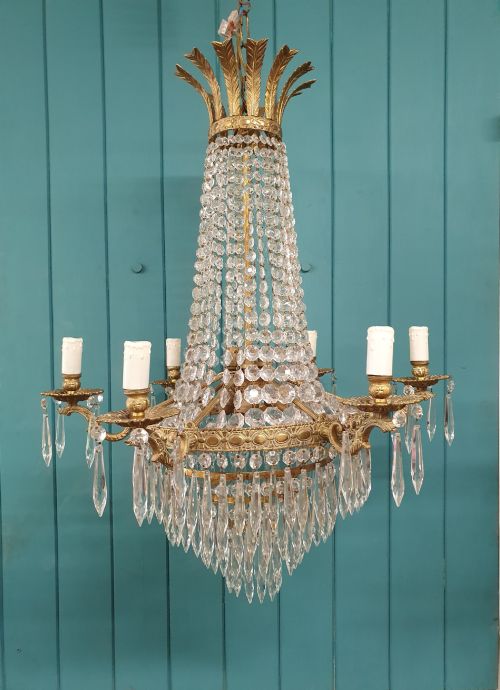
- A lighting form featuring a gathering of crystal strands stretching from a central crown down to a wider metal ring. This upper canopy of glass creates a tent-like silhouette above the lower tiers of lights.
- Lustre
- A cut crystal pendant drop or pendant prism suspended from the arms or frame of a light fixture. These hanging elements move and refract the illumination from the bulbs or candles.
- Gallery
- The decorative metal rim or collar that grips the top of a glass shade or pendant bowl. Original galleries often exhibit cast ornamentation specific to Edwardian and early twentieth-century design.
- Bag chandelier
- A lighting style where numerous crystal beads are strung closely together to form an enclosed, bag-like shape beneath the frame. This design conceals much of the internal metalwork behind a dense web of faceted glass.
Cut Crystal Pendant Light: Frequently Asked Questions
How do I hang a cut crystal pendant light?
These fixtures suspend from the ceiling using matched chains or fixed brass rods connected to a ceiling rose. Weight dictates the required ceiling fixings, particularly with larger Edwardian and French examples containing dense crystal drops.
Professional installation ensures the internal wiring safely handles the electrical load while supporting the combined weight of the metal frame and glass components.
What rooms suit a cut crystal pendant light?
Compact ceiling pendants and single-light domes suit smaller entrance halls, landings, or intimate reception rooms where lower ceiling heights restrict large multi-arm fixtures. Their reflective facets brighten narrow spaces by bouncing light off surrounding walls.
Larger tent chandeliers and multi-arm pieces find their place above dining tables or in principal drawing rooms, anchoring the scale of high-ceilinged historic interiors.
How do I clean cut crystal pendant lights?
Routine maintenance involves dusting the glass components in situ using a soft cloth or specialised cleaning spray designed for delicate metal and glass. For a thorough clean, individual crystal drops and beads can be unhooked and washed in warm, soapy water before being dried thoroughly.
Harsh chemical abrasives should be avoided to protect antique brass platings, silver gilt surfaces, and fragile glass edges.
How do I date a cut crystal pendant light?
Dating relies on stylistic markers within the metal mounts, such as Edwardian brass galleries, Louis XV revival cast bronze, or 1930s geometric forms. The cut of the crystal and the manufacturing technique of the glass components also point toward specific decades between the nineteenth century and the mid-twentieth century.
Rewired examples often retain original brass galleries and wiring channels that help historians confirm the period of manufacture.