




Cushion Diamond Engagement
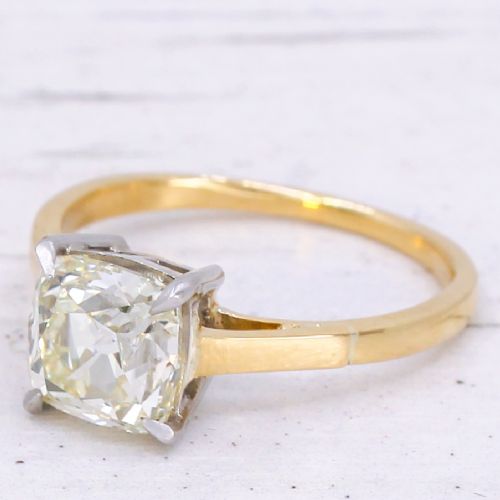
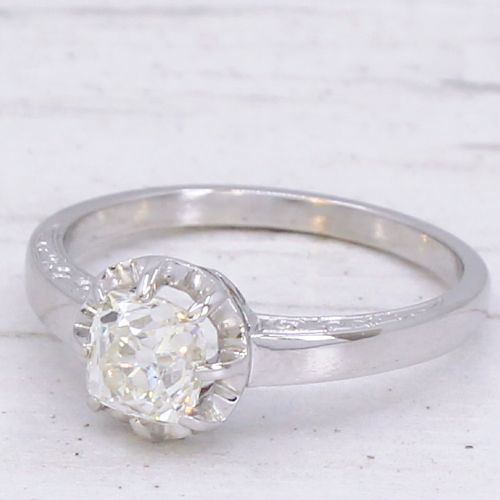
A cushion diamond engagement ring brings together a soft-cornered vintage gemstone cut and precious metal mount from eras spanning the Victorian period to the mid-century.
Cushion Diamond Engagement
A cushion diamond engagement ring represents a jewel designed to celebrate betrothal using stones shaped with rounded corners and curved facets. These items appear across multiple decades, reflecting shifts in taste from nineteenth-century hand-cut stones to mid-century modern designs.
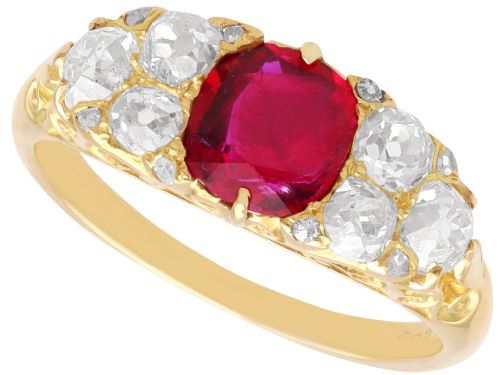
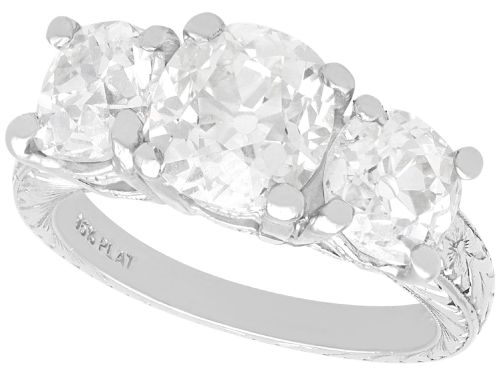
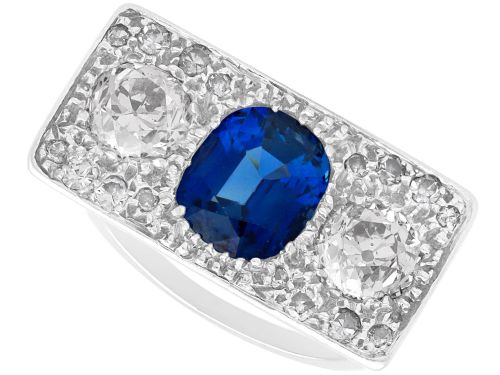
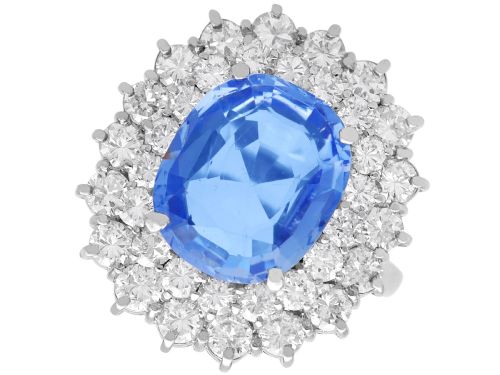
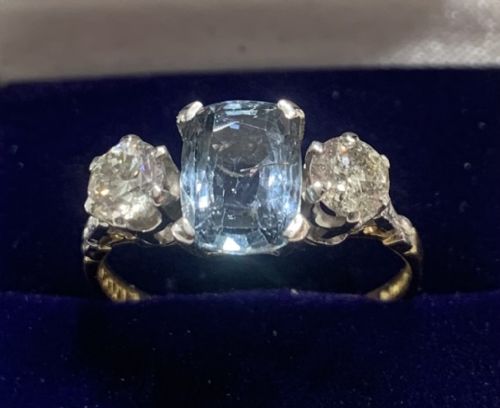
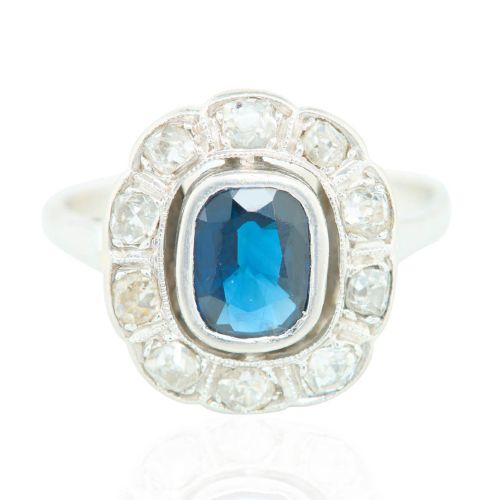
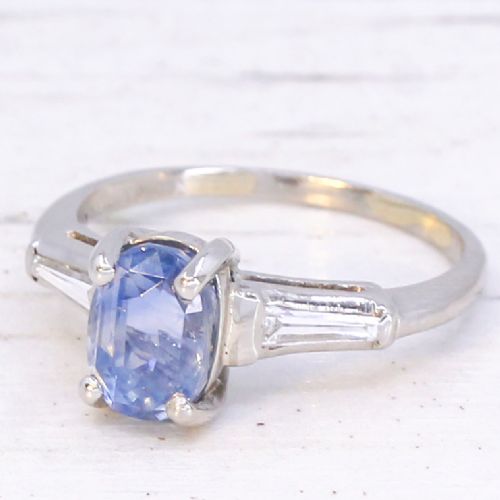
The version most commonly met on this page is an Art Deco or Edwardian creation featuring an old cut or cushion cut diamond set alongside sapphires, rubies, or additional diamonds in platinum or yellow gold mountings.
Materials and construction methods
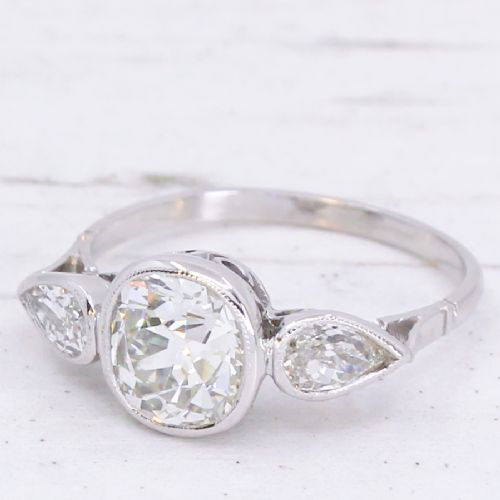
Goldsmiths utilised platinum and 18ct yellow or white gold to construct settings that secure central cushion diamonds and coloured stones. Platinum gained favour during the Edwardian and Art Deco periods for its strength, allowing intricate, delicate wirework and millegrain edges.
Stones were cut by hand rather than by automated machinery, resulting in characteristic soft facet arrangements such as old mine cuts and old cushion cuts that catch candlelight differently from modern brilliant cuts.
Cushion Diamond Engagement Retail Price Guide 2026
Typical asking prices for cushion diamond engagement among the pieces listed under this phrase on Sellingantiques today, from the lower quarter to the upper quarter. They describe what is for sale here now, not the wider market.
Diamonds cut by hand centuries ago often possess a slight asymmetry, reminding us that an artisan guided every single facet.
Distinctions in craftsmanship and stone selection
The superiority of a piece rests on the proportion and symmetry of the hand-cut cushion diamond alongside the natural origin and unheated status of accompanying sapphires or rubies. Stones possessing higher clarity grades and balanced depth command greater attention.
Metalwork integrity defines the upper tier of survivals, where claw settings, gallery piercework, and original shank thickness remain intact without excessive wear or modern replacement parts.
Ronette
The Cushion Diamond Engagement Glossary
- Cushion cut
- A square or rectangular diamond shape with rounded corners and larger facets that resemble a pillow. This historic cut maximises light return under lower ambient lighting conditions.
- Old mine cut
- An early form of diamond cutting featuring a high crown, small table, and open culet. Artisans shaped these stones by hand before modern electrical machinery existed.
- Millegrain
- A decorative technique involving tiny raised metal beads along the edges of a setting. This detail is typical of Edwardian and Art Deco jewellery.
- Trilogy ring
- A ring set with three principal stones representing the past, present, and future. These commonly pair a central cushion diamond with two smaller side gems.
- Cluster ring
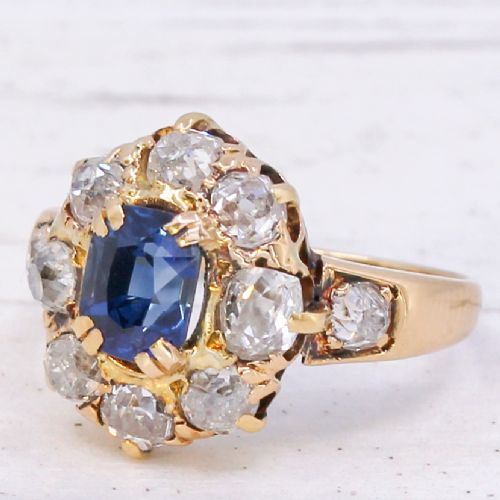
- A design grouping a central gemstone surrounded by a border of smaller diamonds. This arrangement intensifies visual presence on the hand.
Cushion Diamond Engagement: Frequently Asked Questions
What is an old cushion cut diamond?
An old cushion cut diamond is a historically shaped stone featuring gently curved sides and rounded corners. Jewelers cut these gems by hand prior to standardisation, giving them a distinct optical pattern.
These stones display deeper pavilions and smaller tables compared to contemporary brilliant cuts, creating a softer glow.
How do I care for an antique ring?
Antique rings require gentle handling due to their age and delicate setting techniques like millegrain work. Professional cleaning should avoid harsh ultrasonic baths if fragile gemstones are present.
Removing the jewellery during manual tasks protects the soft gold or platinum claws from wear and accidental impact.
What periods do these rings come from?
The pieces span from the Victorian era through Edwardian, Art Deco, and mid-century modern decades. Each period introduced distinct design vocabularies and metal preferences.
Victorian examples often use yellow gold, whereas Edwardian and Art Deco pieces favour platinum and white gold structures.
Are coloured stones common in these rings?
Coloured gemstones frequently accompany diamonds in these listings, notably Ceylon and Burmese sapphires as well as rubies. Many of these coloured stones originate from historical mining regions.
Gemological reports often accompany these stones to confirm their natural status and origin details.