


Curved Wood Seat
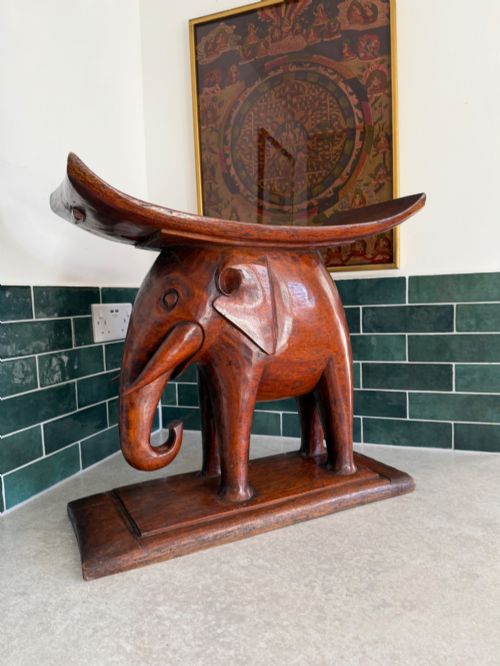
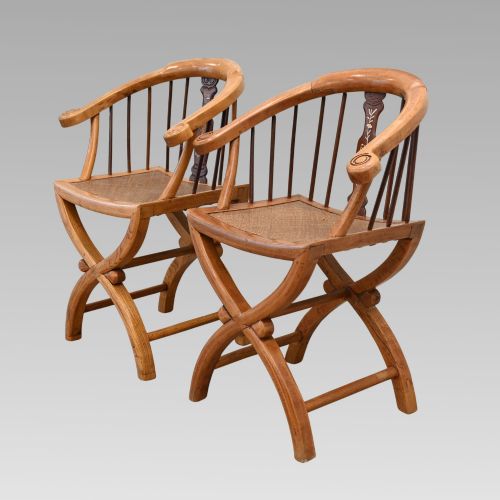
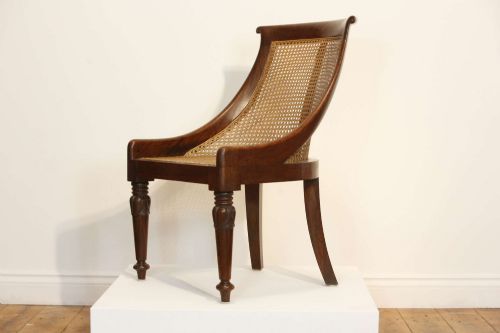
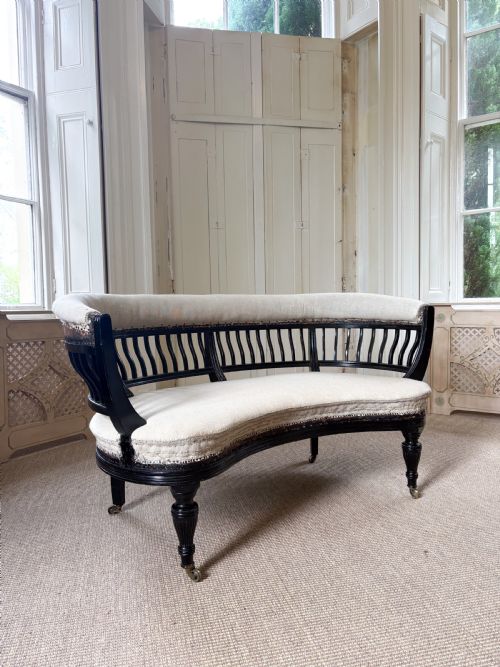
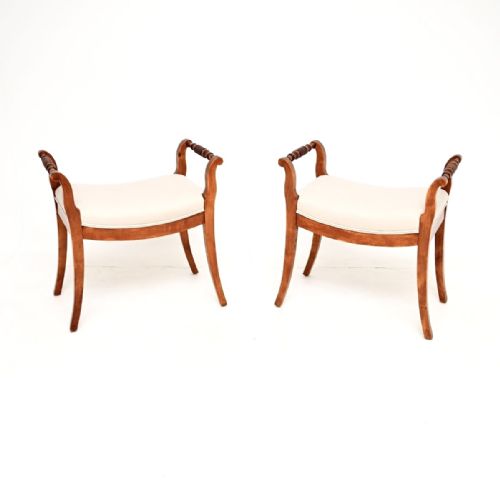
These curved wood seat pieces range from Swedish Biedermeier stools to bentwood armchairs, offering practical seating shaped by craft traditions.
Curved Wood Seat
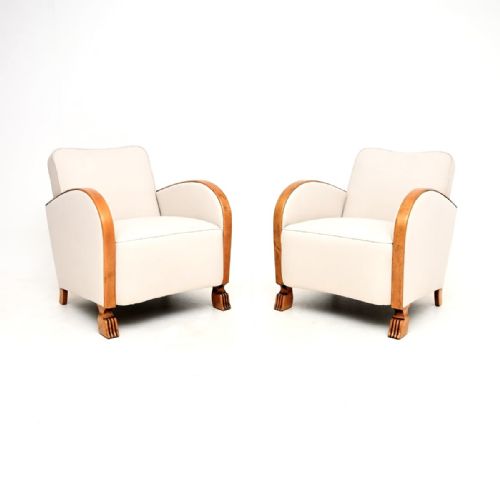
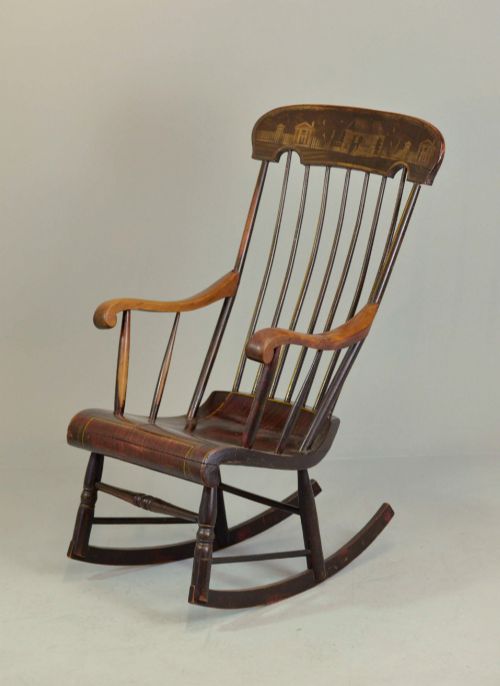
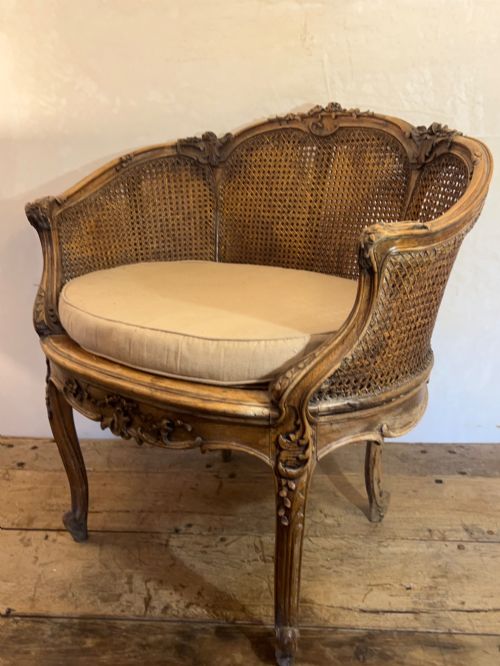
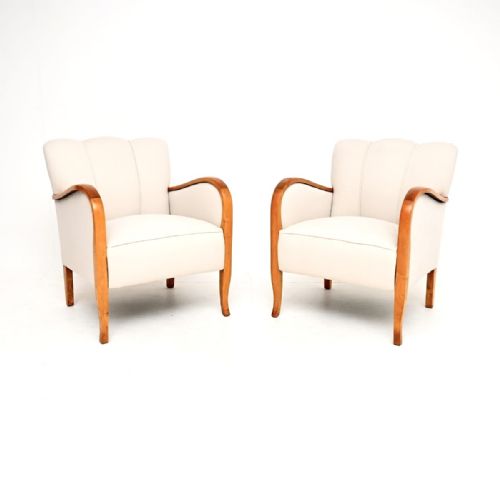
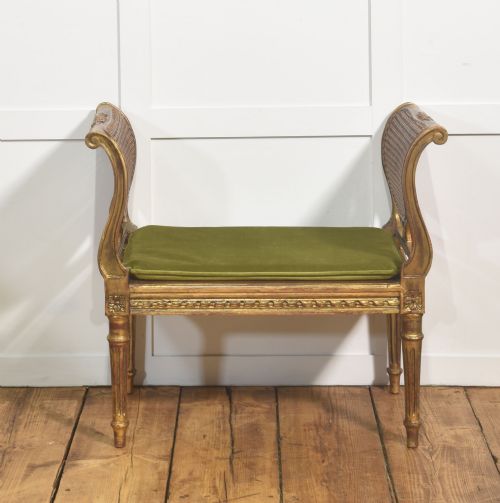
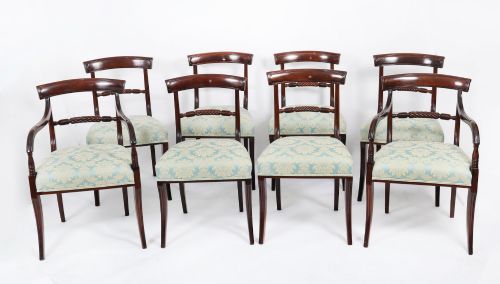
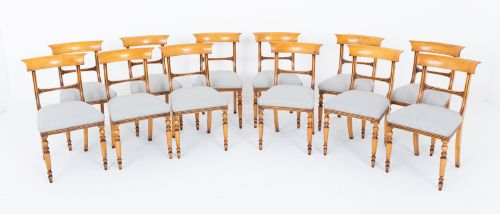
A curved wood seat brings together seating forms designed for comfort and posture, spanning dining chairs, armchairs, and stools. You encounter forms shaped from bent timber, carved hardwoods, and upholstered frames.
The selections here cover periods from the Georgian era through the Edwardian years and into Art Deco designs. Pieces originate from workshops across Britain, Sweden, France, and beyond, showing varied regional tastes.
Armchairs, tub chairs, and settees dominate the selection alongside specialised desk chairs and dressing table stools. Each item provides a supportive seating surface tailored to its original domestic or public setting.
Materials and construction methods
Mahogany, beech, birch, and elm provide the primary structural timbers for these pieces, often selected for their grain pattern and tensile strength. Cabinet makers and bentwood manufacturers utilised these woods to form rigid frames and flexible components.
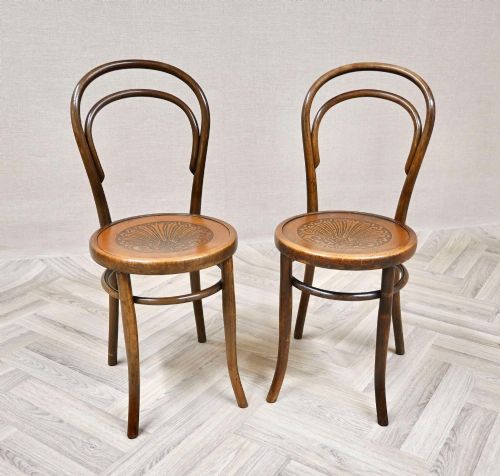
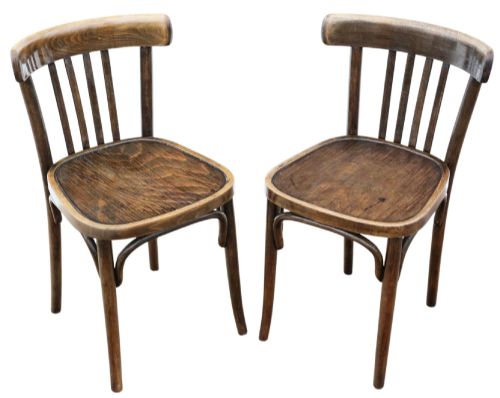
Steam bending transforms straight timber into continuous curved rails and backrests, a technique utilised by makers such as Thonet. Joinery relies on traditional methods including mortise and tenon joints, alongside turned and carved elements.
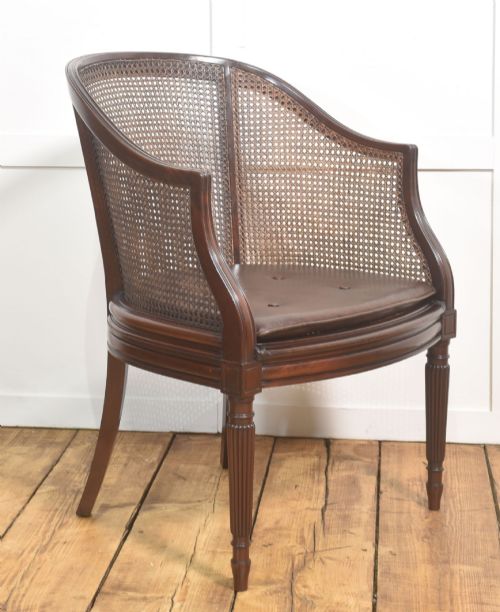
Secondary materials such as cane, fabric, and brass add texture and support to the wooden structures. Caned panels and upholstered squabs complete the seats, integrated directly into the timber framework.
Curved Wood Seat Retail Price Guide 2026
Typical asking prices for curved wood seat among the pieces listed under this phrase on Sellingantiques today, from the lower quarter to the upper quarter. They describe what is for sale here now, not the wider market.
Some chairs spent their youth leaning against Parisian café tables before retiring to quiet British corners.
Factors that distinguish quality
The selection of timber grade dictates much of the visual character, with figured veneers and solid hardwoods showing superior depth. Finishes applied to the wood surface reflect the care taken during initial production and subsequent upkeep.
Structural integrity depends on the precision of the joinery and the resilience of any bentwood components under tension. Original caning or well-executed upholstery maintains the intended ergonomics of the seat.
Proportion and balance define the aesthetic success of each piece, whether dealing with neoclassical armchairs or bistro stools. The harmony between the curved wooden elements and the upholstered or woven portions reveals the maker's skill.
Thonet·Codina·Baumann·Heals
The Curved Wood Seat Glossary
- Bentwood
- Wood softened by steam and then bent into curved shapes, commonly utilised in chairs and settees.
- Biedermeier
- A Central European style from the nineteenth century focusing on utility, clean lines, and native wood grains.
- Bergère
- An enclosed upholstered armchair with wooden legs and frame, often featuring cane work on the sides or back.
- Tub chair
- An armchair with a continuous curved back and arms forming a low, rounded enclosure.
- Satin birch
- A light-coloured wood utilised in Scandinavian and Art Deco furniture for its distinct grain and smooth finish.
Curved Wood Seat: Frequently Asked Questions
How do I care for curved wood seats?
Keep wooden frames away from direct heat sources and sudden humidity changes to prevent timber splitting or warping. Dust regularly with a dry cloth and nourish polished surfaces periodically with appropriate wax.
For pieces with cane or fabric components, use a soft brush attachment on a vacuum to remove debris. Avoid harsh chemical cleaners that might strip the original finish or damage natural fibres.
What is bentwood furniture?
Bentwood furniture is made by steaming solid timber until it becomes pliable, allowing craftsmen to bend the wood into graceful curves. This technique creates strong, lightweight frames without relying on heavy joinery.
Popularised in the nineteenth century, this method produced resilient chairs and settees used in cafés and homes alike. The resulting curved components distribute weight effectively while maintaining a slender profile.
How can I date a wooden chair?
Dating relies on examining the timber species, construction techniques, tool marks, and stylistic motifs present in the design. Georgian pieces often feature solid mahogany and hand-cut joinery, while later Victorian and Edwardian items display machine-sawn components.
Comparing the silhouette and upholstery style to documented examples helps narrow down the decade of production. Examining the wear patterns on the wooden seat and feet also offers clues about age.
Can these chairs be used daily?
Most of these seating options are structurally sound for regular daily use provided the joints remain tight and stable. Antique and vintage frames are built to functional standards, though delicate decorative pieces require more mindful placement.
Checking the stability of the legs and the support beneath the seat ensures safe seating. Professional consolidation can reinforce older joinery if any movement develops over time.