

Curved Pedestal Table
A curved pedestal table provides a distinctive silhouette and practical surface area, bringing elegance and refined utility to any room.
Curved Pedestal Table
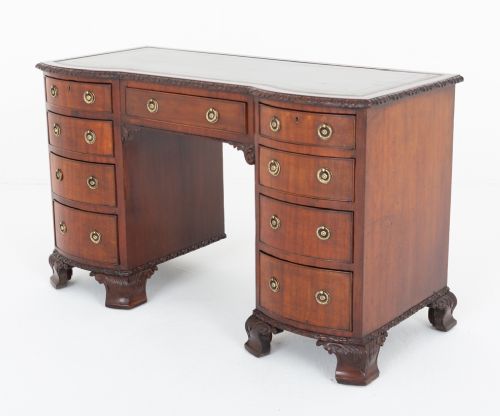
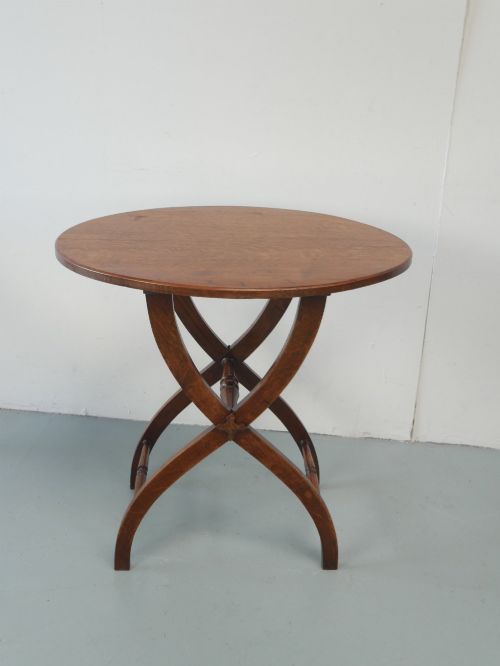
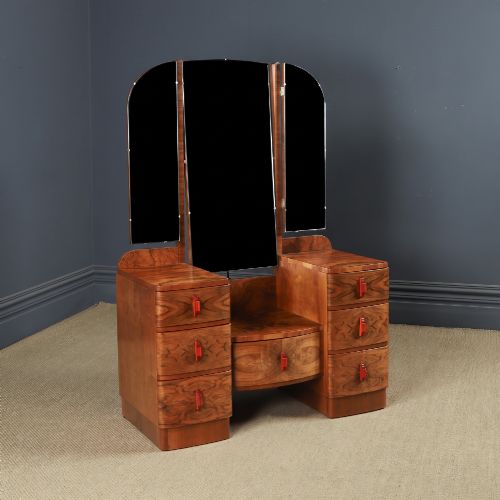
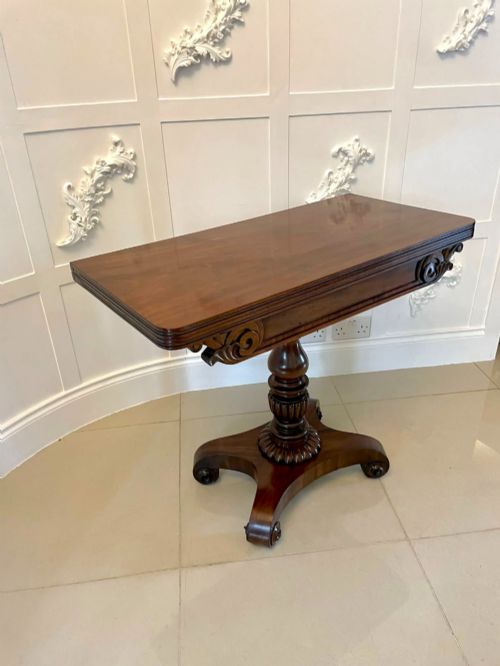
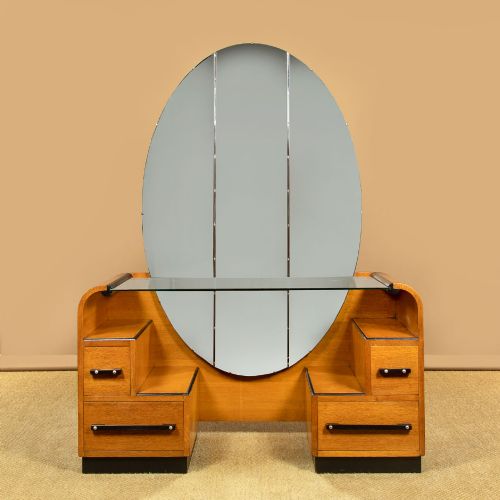
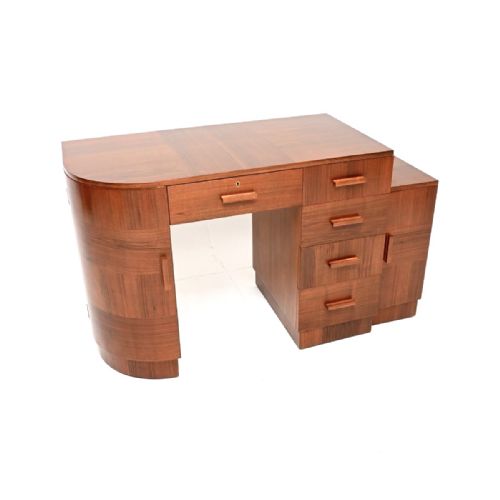
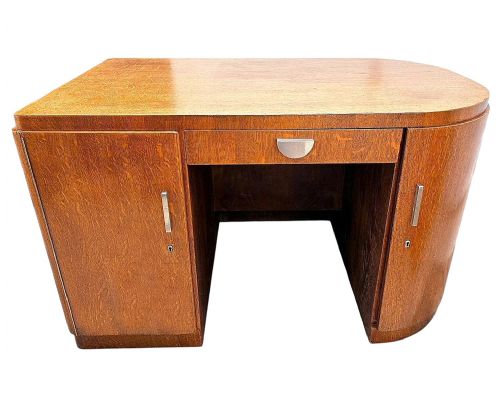
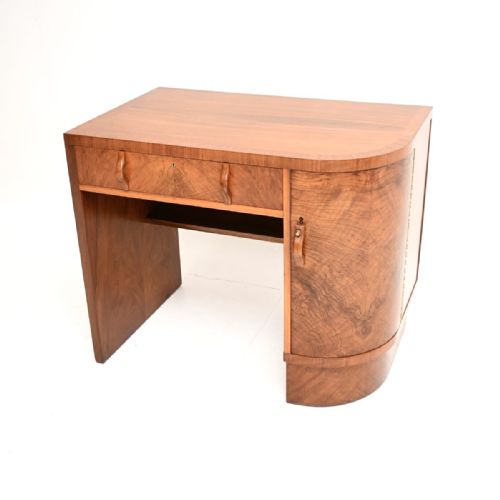
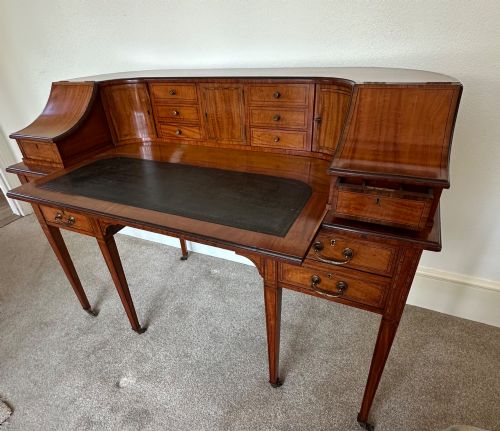
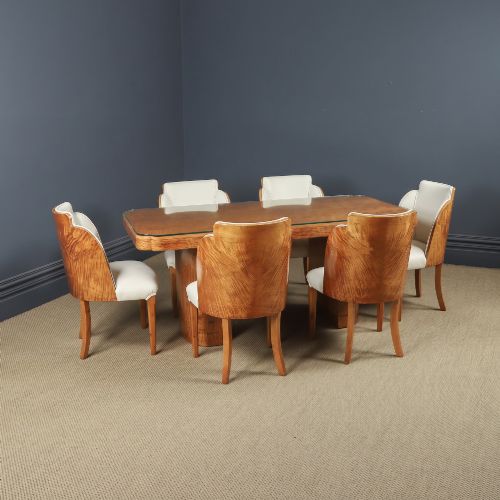
A curved pedestal table encompasses a variety of forms designed for writing, display, and dining, uniting sweeping contours with sturdy central supports. When exploring this selection, buyers encounter pieces ranging from compact occasional tables to larger desks and dressing tables.
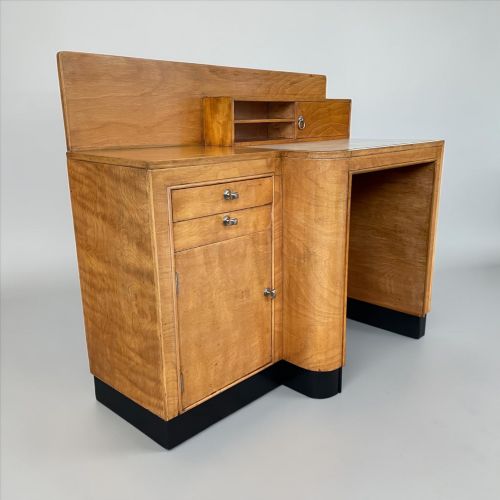
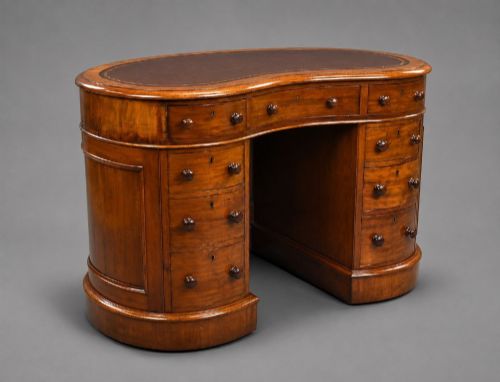
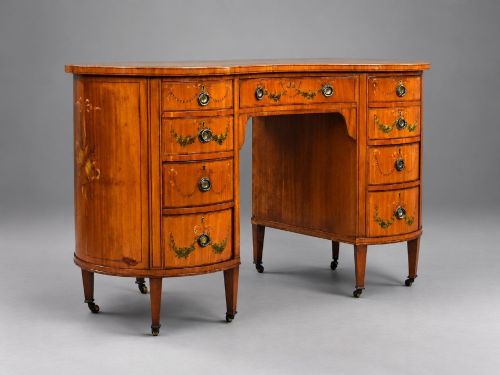
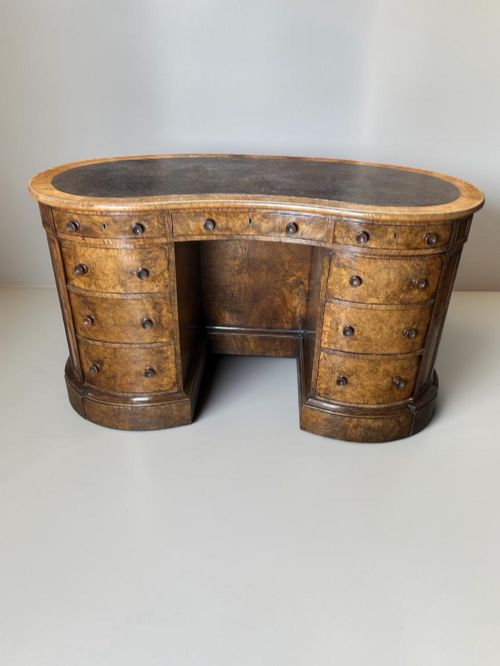
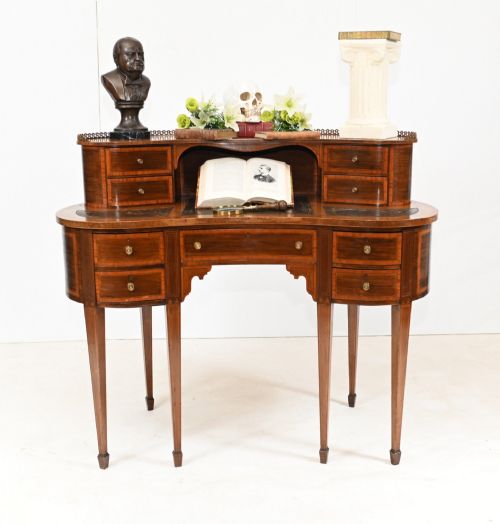
The objects span multiple periods, with strong representation from the nineteenth century through the Art Deco era of nineteen thirty. Common configurations include kidney-shaped writing desks, tea tables, and coffee tables created across Victorian, Edwardian, and Regency styles.
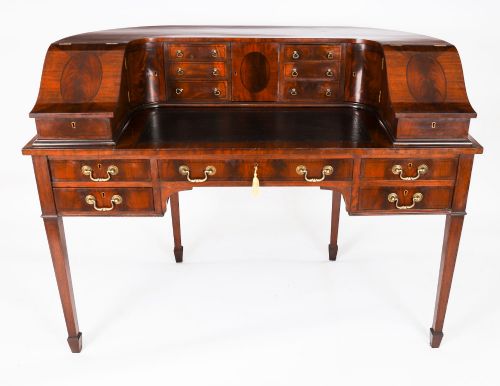
Originating primarily from English workshops, these items integrate functional workspaces and display surfaces with decorative veneering and curved profiles. Buyers most frequently meet mahogany and walnut examples featuring fitted drawers or leather writing surfaces.
Materials and construction methods
Craftsmen utilised solid timbers such as mahogany and oak for structural integrity, applying finely figured veneers of walnut, satinwood, maple, and burr maple to visible surfaces. Brass fittings, leather inserts, and glass components completed the detailing on desks and tables.
Joinery techniques combined traditional framing with curved cutting methods to achieve serpentine and kidney shapes. Inlaid banding in satinwood, ebony, and other contrasting woods emphasised the sweeping contours of the pedestals and tops.
Curved Pedestal Table Retail Price Guide 2026
Typical asking prices for curved pedestal table among the pieces listed under this phrase on Sellingantiques today, from the lower quarter to the upper quarter. They describe what is for sale here now, not the wider market.
Some desks hide curved drawers designed to hug your knees while you write.
Distinctions in quality
Quality rests upon the selection of timber figures, where burr maple, figured walnut, and flame mahogany display superior grain patterning. The precision of marquetry inlay and the harmonious integration of curved pedestals further separate standard pieces from finer works.
The handling of secondary woods, drawer construction, and the retention of original brass hardware and leather inserts indicate the standard of craftsmanship. Pieces associated with notable makers exhibit greater refinement in proportion and finish.
Wolfe and Hollander·Maurice Adams·Harry and Lou Epstein·Edwards and Roberts
The Curved Pedestal Table Glossary
- Kidney-shaped
- Describing a writing desk or table with a concave front and convex back resembling a kidney bean. This form allows the user to sit comfortably nestled within the curve.
- Pedestal table
- A table or desk supported by one or more central columns or pedestals rather than four corner legs. These central supports rest on weighted bases or feet.
- Marquetry
- The art of applying decorative pieces of veneer to a structure to form intricate designs or pictures. Craftsmen use various coloured woods to create pictorial motifs.
- Serpentine
- Describing a surface or furniture front shaped with a convex centre flanked by concave curves. The flowing line adds movement and visual interest to case pieces.
Curved Pedestal Table: Frequently Asked Questions
How do I identify Art Deco examples?
Art Deco examples, typically dating around nineteen thirty, display streamlined modernist forms and utilise exotic veneers such as burr maple and figured walnut. They often feature minimal ornamentation relying on geometric symmetry.
Contrasting stringing and polished surfaces further distinguish this period from earlier nineteenth-century styles.
Were these tables used as desks?
Many curved pedestal tables double as writing desks, particularly kidney-shaped variants equipped with drawers and leather inserts. These pieces served domestic and professional writing tasks in period interiors.
Their curved designs allowed writers to sit closer to the fitted compartments.
What woods were commonly used?
Mahogany and walnut form the primary structural and surface materials across most pieces, supplemented by oak, satinwood, and maple. Cabinetmakers selected these timbers for their durability and capacity to take a fine polish.
Veneers added decorative grain contrast to the pedestals and top surfaces.